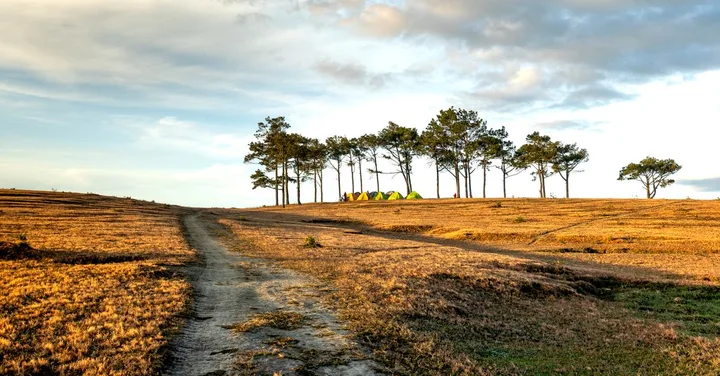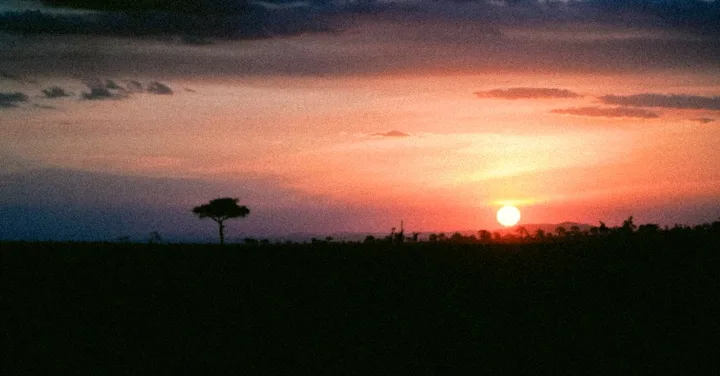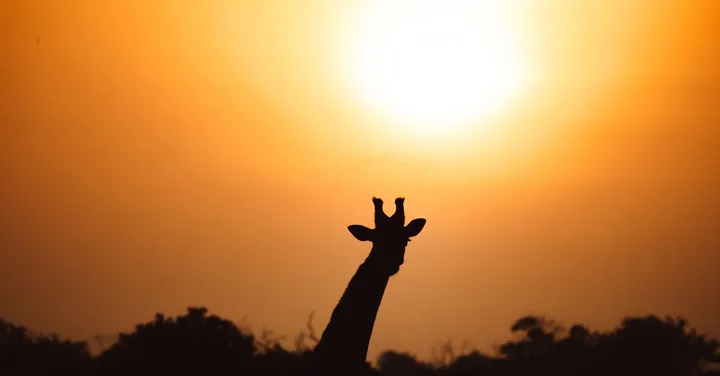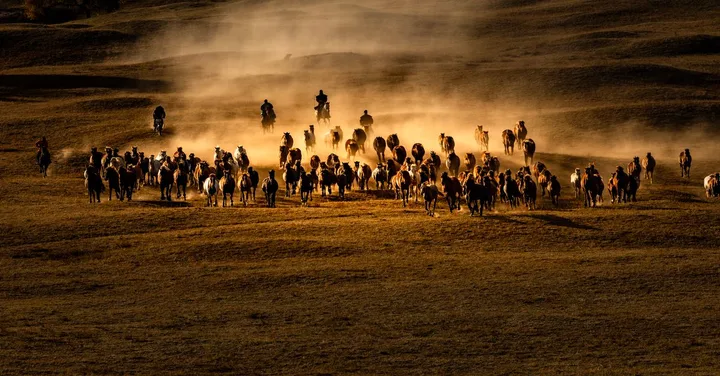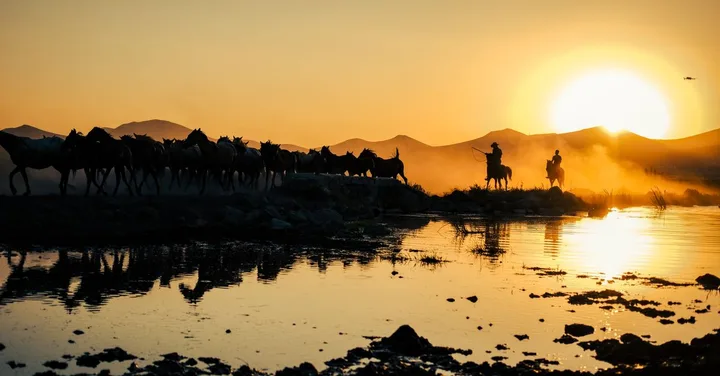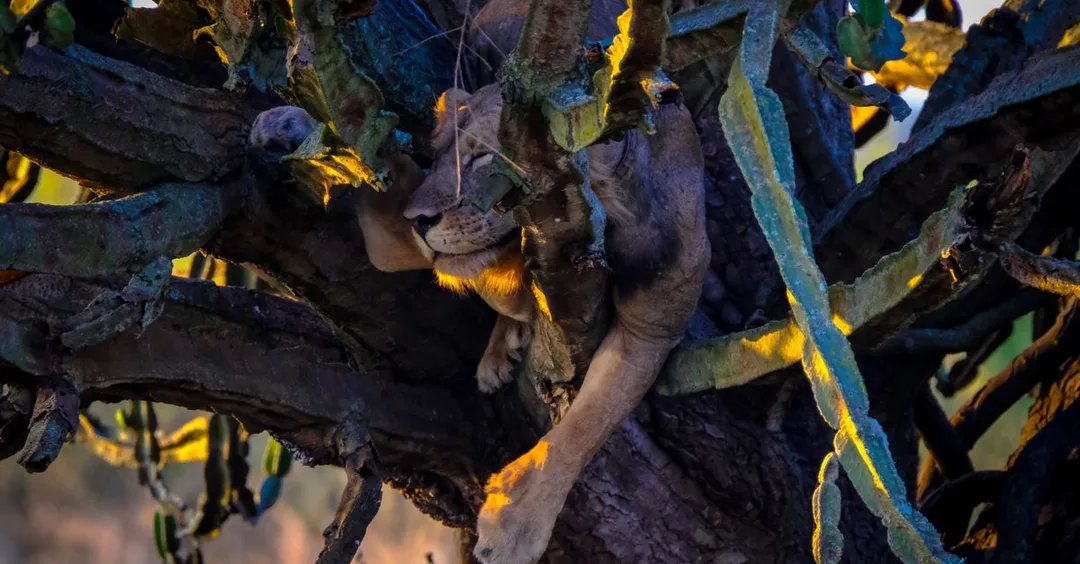
You're standing in open grassland at dawn, the air still cool and smelling faintly of dry earth and acacia. A lion walks across the road maybe thirty metres ahead of your jeep, completely unbothered. Your guide cuts the engine. Nobody speaks. The lion pauses, looks at your vehicle once, then disappears into the tall grass. Your heart is still racing five minutes later. That moment, right there, is why people cross oceans for an Africa safari, and why Indian travellers who've done it once almost always start planning the next one before they're even back home.
The Big Five, for the uninitiated, are lion, leopard, elephant, rhino, and buffalo. The name comes from hunters (thankfully a different era), who considered these five the most dangerous animals to track on foot. Today the term means something entirely different. It's a bucket list. A way of measuring how deep into wild Africa you've gone.
The good news for Indian travellers: you can do this properly. Flights connect well from Mumbai and Delhi. The time zone gap is manageable. The costs, when broken down right, are surprisingly reasonable for what you actually get. And a few destinations in East and Southern Africa give you a genuinely high chance of seeing all five in a single trip.
Here's everything you need to know to actually plan this trip, not just dream about it.
Why a Big Five Africa Safari Is Perfect for Indian Travellers
Let's get one thing straight: Africa is not one place. It's a continent with dozens of safari ecosystems, and not all of them give you equal access to the Big Five. The parks that actually deliver all five with consistency are in Kenya, Tanzania, South Africa, Zimbabwe, and Zambia. For most Indian travellers on their first Africa trip, the shortlist comes down to Kenya's Masai Mara, Tanzania's Serengeti, and South Africa's Kruger National Park.
Each has its own character.
The Masai Mara in Kenya is dramatic, open, and feels cinematic. Predator sightings are frequent, and if you time it right you get the Great Migration as a bonus. The drive from Nairobi can be done in about five to six hours, or you take a short charter flight and land directly in the bush.
Tanzania's Serengeti is bigger, wilder, and slightly more remote. The Ngorongoro Crater nearby is basically a natural enclosure that holds lions, elephants, black rhino, buffalo, and hippo in extraordinary density. Leopard sightings in the Seronera valley are some of the best in Africa.
South Africa's Kruger is arguably the most accessible introduction to safari for Indian travellers. The infrastructure is excellent, you can self-drive if you want, and the range of accommodation from budget camps to private lodges is huge. The Greater Kruger ecosystem, which includes private reserves like Sabi Sand and Thornybush, is where you'll find some of the best leopard and rhino sightings on the continent.
India has no direct competition for this kind of wildlife experience. Ranthambore and Bandhavgarh are magnificent for tigers, but Africa offers something different: open savannah, multiple apex predators, herds of thousands, and a scale that's hard to wrap your head around until you're actually there.
From a logistics standpoint, Indian passport holders have relatively straightforward access to all three main destinations. Kenya and South Africa are particularly Indian-traveller-friendly in terms of visa processes, English fluency, and Indian food availability if you need a break from African cuisine (though we'd say give the nyama choma and bobotie a fair chance).
Best Time to Visit (Month by Month, Honestly)
There's no single "best time" that works for every destination or every traveller. Here's the honest breakdown.
Kenya (Masai Mara)
- July to October is the peak season. The Great Migration river crossings happen between late July and September, when hundreds of thousands of wildebeest throw themselves across the Mara River in the most chaotic, visceral wildlife spectacle you'll ever witness. Predator sightings peak here. It's also when prices are highest and camps fill up fast.
- January to March is a dry, quieter period. Excellent big cat sightings, fewer tourists, and more reasonable rates.
- April to June is the long rains. Green and beautiful, but some roads become difficult. Birdlife is spectacular. Good value if you're flexible.
Tanzania (Serengeti and Ngorongoro)
- June to October is dry season across the Serengeti. The northern Serengeti sees the migration from around June to September. The Ngorongoro Crater is accessible and spectacular year-round.
- January and February are when the calving season happens in the southern Serengeti. Seeing thousands of wildebeest calves born is something you won't see in any documentary with the same impact.
- November to December brings short rains, lush scenery, and low season deals.
South Africa (Kruger and Private Reserves)
- May to September (dry winter) is the best time for game viewing. Vegetation is low, animals congregate around water sources, and you'll find tracking much easier.
- October to April is summer, hot and green. The Sabi Sand in particular still delivers excellent game viewing year-round, including consistent leopard sightings regardless of season.
- Year-round for Kruger, honestly. Unlike East Africa, Kruger rarely disappoints even in the wet season.
For Indian travellers, the sweet spot is either July to August (coincides with school holidays, migration peak, higher prices) or May to June (excellent conditions, slightly lower crowds, better deals). If budget is a priority, look at February or March for Kenya, and May for South Africa.
What's Included in Big Five Africa Safari Packages
This is where Indian travellers often get confused, because "safari package" means very different things depending on where you look.
A proper Big Five safari package from Safari Sutra Holidays typically includes:
- Return international flights from Mumbai or Delhi
- Visa fees or support (where applicable)
- Airport transfers and domestic connections (including charter flights to camps where needed)
- Accommodation at each destination, whether tented camps, lodges, or a mix
- All game drives (usually twice daily, morning and evening)
- Full board meals at safari camps (most camps are all-inclusive within the reserve)
- Professionally trained guides and safari vehicles
- Park entrance fees and conservation levies
- Travel insurance (recommended and often included in premium packages)
What's generally not included:
- Personal expenses, laundry, and bar bills
- Optional balloon safaris (a real highlight, priced separately)
- Tips for guides and camp staff (standard practice, usually USD 10-15 per day per vehicle)
- Premium add-ons like spa treatments at lodges
The quality of your guide makes or breaks the experience. In Kenya and Tanzania, top guides have years of tracking experience and often know individual animals by name. In the private reserves around Kruger, rangers undergo rigorous training and your vehicle is often the only one at a sighting.
Package Options and Prices in INR
These are realistic price ranges based on current market rates. Prices are per person on double occupancy, including flights from Delhi or Mumbai.
Essential Kenya Safari (7 nights)
Nairobi city hotel, two nights in a mid-range Mara camp, two nights at Lake Nakuru or Amboseli. Shared game drives. Good for first-timers on a budget.
Price range: INR 1,80,000 to INR 2,40,000 per person
Classic East Africa Combo (10 nights)
Nairobi, three nights in the Masai Mara (mid-range tented camp), two nights in Ngorongoro, and two nights in Serengeti. Shared game drives, charter between parks.
Price range: INR 3,20,000 to INR 4,50,000 per person
Big Five South Africa (8 nights)
Johannesburg, two nights in Cape Town (add-on), four nights in a private reserve in the Greater Kruger (Sabi Sand or Thornybush). Twice-daily private game drives with dedicated ranger.
Price range: INR 2,80,000 to INR 3,80,000 per person
Premium Kenya and Tanzania Safari (12 nights)
Luxury camps in Mara, Serengeti, and Ngorongoro. All-inclusive lodges, private game drives, balloon safari over the Serengeti, Zanzibar beach extension available.
Price range: INR 5,50,000 to INR 7,50,000 per person
Ultra-Luxury Southern Africa (14 nights)
Victoria Falls, Botswana's Okavango Delta (fly-in camps), and a top-end private Kruger reserve. Small group, private vehicles, some of the most exclusive safari camps in the world.
Price range: INR 9,00,000 to INR 15,00,000+ per person
Explore all Africa safari packages and other destinations on Safari Sutra's full destinations page for the complete list.
Practical Travel Tips
Visas
- Kenya: e-Visa available online. Apply at least 10 days before travel. The East Africa Tourist Visa (USD 100) covers Kenya, Uganda, and Rwanda in one trip, excellent value if you're extending.
- Tanzania: Visa on arrival available for Indian passport holders, but the online e-Visa is faster. USD 50 for a single entry.
- South Africa: Visa required for Indian passport holders. Apply through the South African High Commission in Mumbai or Delhi. Takes about 7 to 10 working days. Biometrics required in person.
Flights
For Kenya, the best-routed option is usually Kenya Airways or Ethiopian Airlines from Mumbai/Delhi to Nairobi, often with one stop. Total travel time around 9 to 12 hours depending on routing. For South Africa, Emirates via Dubai or Ethiopian Airlines via Addis Ababa are popular. Johannesburg is about 11 to 14 hours from India.
Book flights four to six months ahead for peak season travel, especially July and August.
Health and Vaccinations
Yellow Fever vaccination is compulsory if you're transiting through certain countries. Malaria prophylaxis is strongly recommended for Kenya, Tanzania, and the Kruger region. Consult your doctor at least four weeks before departure. Carry a basic kit with rehydration sachets, sunscreen (SPF 50 is not optional), and insect repellent with DEET.
Packing
Neutral colours only in the bush. Khaki, olive, beige, brown. Bright colours disturb animals and can actually affect your sightings. Layers are essential since mornings on the Mara or in Kruger can be genuinely cold, even in summer. A good pair of binoculars makes the experience significantly richer.
Money
USD is widely accepted at most safari camps and for tips. South Africa runs on ZAR (Rands), and ATMs are easy to find in cities. Don't rely on cash in remote camps; settle bills with a card before you head out.
A word on Indian food: Most major safari lodges in Kenya and South Africa have cooks who are familiar with vegetarian requirements and can handle jain requests with advance notice. Tanzania is slightly more limited in remote areas. Pack some instant upma or Maggi if you're uncertain, no shame in that.
Frequently Asked Questions
Q: Is a Big Five Africa safari safe for Indian families with children?
Completely safe, with the right planning. Most safari camps welcome families, and children above five or six years are typically allowed on game drives. Private vehicles are ideal for families as you can move at your own pace and stop when the kids need a break. South Africa's Kruger region is particularly family-friendly, with excellent lodges that have kids' activity programs. The guides are trained and experienced; you're in a vehicle at all times during drives.
Q: Can I see all Big Five on a single Kenya or Tanzania trip?
Yes, and with reasonable probability. In the Masai Mara, lion, elephant, buffalo, and leopard sightings are frequent. Rhino is the trickiest, and your best bet is the Nairobi National Park or Ol Pejeta Conservancy for rhino specifically in Kenya. In Tanzania, the Ngorongoro Crater has black rhino and is your best option. For the highest Big Five success rate overall, the private reserves around Kruger like Sabi Sand are hard to beat, with legendary leopard and good lion, elephant, rhino, and buffalo numbers.
Q: How many days do I actually need for a proper safari?
A minimum of five nights in the bush is what we recommend, and honestly seven to ten nights is where the experience really opens up. Fewer than four nights means you're spending a lot of time in transit and not enough time watching. The bush rewards patience. The more mornings and evenings you have, the more you'll see.
Q: What's the best way to combine a safari with a beach holiday?
This is one of the most popular combinations for Indian travellers. Zanzibar sits just off Tanzania's coast and is a perfect add-on after a Serengeti trip, three to four nights on white sand beaches after a week in the bush. In South Africa, Cape Town with its beaches, wine country, and Table Mountain pairs beautifully with a Kruger or Sabi Sand safari. Mombasa or Diani Beach works as an extension from Nairobi.
Q: Is this trip suitable for senior travellers or those with limited mobility?
Yes, with the right property selection. Many safari lodges are single-storey with good accessibility. Game drives involve sitting in a vehicle for two to three hours at a time, so it's manageable for most people. The challenge is uneven terrain on some bush walks, but those are optional. For seniors, we recommend avoiding the very remote fly-in camps with basic bush toilet facilities and instead going for well-established lodges with proper rooms. South Africa and Kenya both have excellent options.
Q: When should I book, and how far in advance?
For peak season (July to October in East Africa, June to September in South Africa), book at least six months ahead. The best camps at peak times fill up quickly, especially during the Great Migration. For shoulder or off-peak travel, three to four months is usually fine. If you're travelling during Indian school holidays in May or October, book earlier than you think you need to.
Q: How do I know this is worth the money compared to just watching a National Geographic documentary?
You already know the answer. A documentary shows you what Africa looks like. Being there tells you what it smells, sounds, and feels like. The silence before a lion calls at night. The way the grass moves when an elephant is walking toward you and you haven't spotted it yet. The smell of the Mara at first light. These are things a screen cannot replicate, and after 12+ years and over 15,000 trips planned across the world, the travellers who've done this with us come back consistently saying it changed their relationship with the natural world.
Plan Your Trip with Safari Sutra Holidays
If you've made it this far, you're not just casually browsing. You're thinking about this seriously. Good. You should be.
A Big Five Africa safari from India is one of those trips that stays with you. Not because of any marketing slogan, but because wild Africa genuinely earns that place in your memory. It's the scale, the silence, the rawness of it. And it's more reachable from Mumbai or Delhi than most people realise.
At Safari Sutra Holidays, we've spent 12+ years and 15,000+ trips building the kind of Africa expertise that means we know which specific camp has the best leopard sightings in Sabi Sand right now, which guide in the Mara is exceptional with families, and how to put together a trip that works for your budget without cutting the corners that matter. Whether you want a five-night Kruger introduction or a 14-night Southern Africa loop through Botswana and Zimbabwe, we'll build it around what you actually want to experience.
You can also explore the full range of destinations Safari Sutra covers if you're still comparing options or thinking about combining Africa with another trip.
But if Africa is calling, don't let it wait too long. The peak season camps fill up faster than you'd expect.
Ready to plan your trip? Contact Safari Sutra Holidays today.

Safari Sutra Team
Travel curators with 13 years of experience planning Indian and international holidays — from safari adventures to island escapes.
View All Posts