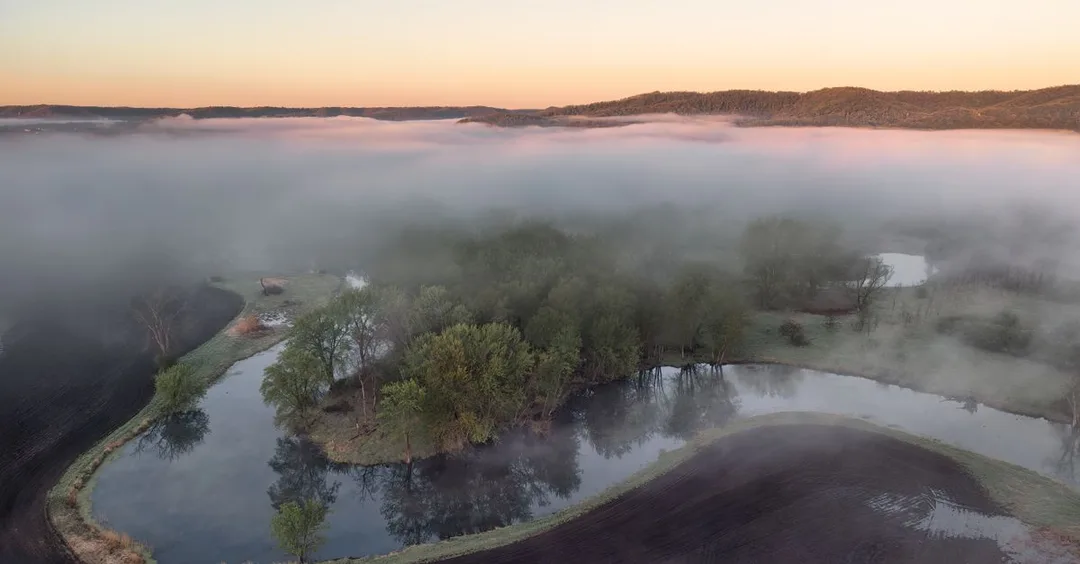
You're sitting in a mokoro, a traditional dugout canoe, as your poler navigates silently through a corridor of papyrus reeds taller than your head. The only sounds are the dip of the pole, the call of a malachite kingfisher somewhere close, and the occasional grunt of a hippo you can't yet see. The water is gin-clear. A jacana walks across a lily pad just a metre from your hand. This is the Okavango Delta, the world's largest inland water delta, where the Okavango River flows from Angola into the Kalahari sands of Botswana and simply... Spreads out and disappears. No sea. No outlet. Just a vast, shimmering flood of life. And it's one of the greatest wildlife destinations on the planet, yet almost no Indian traveller talks about it. That's precisely why you should go.
Why the Okavango Delta Is Perfect for Indian Travellers
Let's be honest. Most Indian travellers have heard of Kenya's Maasai Mara. Far fewer know about Botswana, and even fewer know that it consistently ranks higher for exclusivity, wildlife density, and sheer wilderness experience.
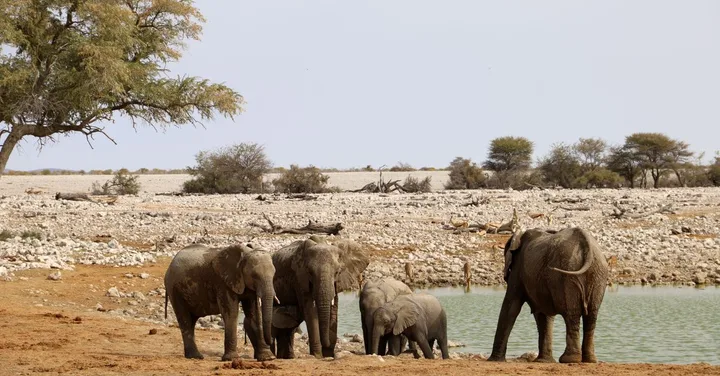
The Okavango Delta is a UNESCO World Heritage Site covering roughly 15,000 square kilometres. It floods seasonally, turning the desert into an Eden. When the waters rise, the delta becomes an island-hopping, mokoro-gliding, boat-safari paradise. When the dry season hits, the islands concentrate wildlife to an almost unreal degree: elephants in their hundreds, lions lounging under fig trees, wild dogs trotting across golden plains.
What makes this perfect for the Indian premium traveller specifically? A few things.
First, Botswana has deliberately kept tourism low-volume and high-value. You won't find fifty jeeps circling a lion. You might find two. The exclusivity is real, not just a marketing claim.
Second, the variety of activities goes well beyond a standard game drive. Mokoro rides, bush walks with armed guides, boat safaris, night drives, and fly-in transfers between remote camps mean each day feels different. Families, couples, and solo travellers all find their rhythm here.
Third, Botswana is genuinely safe, politically stable, and its tourism infrastructure is among the best in Africa. Camps are run with precision. Food is excellent. Staff are warm and knowledgeable. You'll be comfortable without sacrificing the rawness of the wild.
At Safari Sutra Holidays, we've spent 12+ years and 15,000+ trips helping Indian travellers find places like this, places that sit just beyond the usual shortlist and reward those who make the effort. The Okavango Delta is exactly that kind of place.
Flights from Mumbai or Delhi to Maun (the gateway city to the Delta) typically connect through Johannesburg or Nairobi, with total journey times of around 14 to 18 hours. It's manageable, especially when you factor in what's waiting at the other end.
If you're ready to start planning, take a look at our Botswana Safari Packages for a sense of what different budgets and styles look like.
Best Time to Visit
The Okavango Delta behaves differently across the year, and the "best" time depends on what you want to see.
May to October (Dry Season) - The Classic Safari Window
This is when most Indian travellers should aim to visit. July, August, and September are the sweet spot. The flood waters from Angola arrive between May and June, and the delta fills up, creating the iconic water-and-island landscape. Wildlife viewing gets better as the season dries out because animals congregate around shrinking water sources.
By August and September, you'll see massive elephant herds, predator sightings become more frequent, and the bush thins out enough to actually see what's out there. Temperatures are comfortable: warm days around 25-28°C, cool nights that sometimes drop to 8-10°C, so pack a fleece.
November to April (Green Season) - For the Brave and the Budget-Conscious
The rains arrive around November. The landscape turns lush and genuinely beautiful. Birdwatching is spectacular because migratory species arrive in huge numbers. Calving season means baby animals everywhere. But the thick vegetation makes large mammal sightings harder, and some camps close or reduce operations.
If you're a birder, a photographer chasing dramatic skies, or someone who wants lower rates and fewer tourists, the green season has real appeal. Rates at many camps drop by 20 to 40 percent.
April and May - The Rising Flood
The delta starts filling up, and the mokoro and boat safari experience improves dramatically. Wildlife is still concentrated before the vegetation explodes. This shoulder period offers a nice balance, though nights are getting colder faster than you'd expect.
In short: book July to September for the most reliable, high-impact safari experience. Book November to March if you want green scenery, birds, and better value.
What's Included in Okavango Delta Packages
The structure of an Okavango Safari is different from a typical beach holiday, so it helps to know what you're actually paying for.
Most packages at reputable operators, including what we put together at Safari Sutra Holidays, include:
- Return flights from India to Maun (or just the land component if you prefer to book flights independently)
- Light aircraft transfers between Maun and your safari camp (this is often non-negotiable because road access to many camps simply doesn't exist)
- All meals and drinks at the camp (full board is standard in this region, and most camps include local alcohol in the rate)
- All game activities: morning and evening game drives, mokoro excursions, boat safaris, and guided bush walks
- Park fees and conservation levies
- All transfers within the safari circuit
What's typically not included: international flights (unless specified), travel insurance, personal shopping, and premium imported spirits at some higher-end camps.
One thing to understand: the light aircraft transfers are a significant part of the cost, but they're also one of the highlights. Flying low over the delta at sunrise, watching the waterways spread out below you, is genuinely special.
Package Options and Prices in INR
Botswana sits at the premium end of African safari destinations, and that's by design. Here's a realistic breakdown of what different levels of experience cost:
Entry Level: 5 Nights, Okavango Delta + Chobe National Park
Covers one mid-range tented camp in the delta, one lodge in Chobe, game drives, one mokoro excursion, and light aircraft transfers. Rates are approximately INR 3,50,000 to 4,50,000 per person sharing, land only (international flights extra). This tier gives you the full Botswana experience without the ultra-luxury price tag.
Mid-Range: 7 Nights, Delta + Chobe + Moremi Game Reserve
Two camps in the delta area, one night in Chobe, all activities included, small group game drives, and a stronger mokoro focus. Approximately INR 5,50,000 to 7,00,000 per person sharing, land only. This is the most popular tier for Indian premium travellers.
Premium: 8 Nights, Private Concession Camps
Access to private concession areas where game drive vehicles are exclusive to your group. Better wildlife sightings, more flexibility, and a stronger sense of seclusion. INR 8,00,000 to 12,00,000 per person sharing, land only.
Luxury: 10 Nights, Ultra-Luxury Camps
Camps like Mombo, Sandibe, and Duba Plains occupy legendary territory. Private plunge pools, exceptional food, and some of the best guides in Africa. INR 14,00,000 to 20,00,000 per person sharing, land only.
Family Package: 7 Nights, Family-Friendly Delta Camps
Selected camps welcome children above 8 or 12 years and offer dedicated family guides and vehicles. Pricing varies with child ages and room configurations, typically INR 10,00,000 to 15,00,000 for a family of four, land only.
All prices are approximate and fluctuate with season and availability. Peak July-August rates are higher than shoulder season rates. Plan Your Trip with Safari Sutra Holidays and get a tailored quote that fits your group size, travel dates, and budget.
Practical Travel Tips
Visa
Indian passport holders need a visa for Botswana. The good news: Botswana offers visa on arrival for Indian nationals, valid for 30 days. There's no visa fee currently, though always verify this before travel as policies can change. You'll also be transiting through South Africa or Kenya in most cases, and South African transit visa rules for Indian nationals are important to check well in advance.
Flights from India
The most common routing is:
- Mumbai or Delhi to Johannesburg (direct flights on South African Airways or with a connection via Emirates, Qatar, or Ethiopian Airlines)
- Johannesburg to Maun on a domestic South African or Botswana-operated flight
Total journey time: 14 to 18 hours depending on connection. You can also route through Nairobi on Kenya Airways, which works well from Delhi.
Book your international flights separately from your safari package, as camp availability often changes and you'll want flexibility. Don't book non-refundable flights until your camp confirmations are in hand.
Health
Botswana's northern regions, including the Okavango Delta, are malaria zones. Consult a travel medicine specialist in India at least 4 to 6 weeks before departure. Prophylaxis options include Atovaquone-Proguanil (Malarone) or Doxycycline. Use a DEET-based repellent, sleep under mosquito nets (all good camps provide them), and wear long sleeves at dawn and dusk.
Yellow fever vaccination is required if you're travelling from a yellow fever endemic country. Check the current requirements with your doctor or a travel clinic.
Packing
Stick to soft-sided bags. Light aircraft transfers have strict luggage limits, usually 20kg total including hand luggage, in soft bags only. No hard-shell suitcases.
Clothing: neutrals and khakis. Avoid blue (attracts tsetse flies, which exist in some areas and give a sharp bite). Pack light layers because mornings are cold and afternoons are warm. Sunscreen, a good hat, and binoculars are non-negotiable.
Money and Connectivity
The currency is the Botswana Pula (BWP). At camps, you'll rarely need cash since everything is included, but carry some USD or BWP for tips. A reasonable tipping guide: USD 10 to 20 per person per day for your guide, USD 5 to 10 per person per day for the camp team.
Don't expect strong mobile signals at delta camps. Most offer some WiFi, but consider this your digital detox. It's honestly one of the best parts.
Frequently Asked Questions
Q: How do I get to the Okavango Delta from India?
Fly from Mumbai or Delhi to Johannesburg (most commonly) and connect to Maun, which is the main gateway town for the delta. From Maun, light aircraft transfers take you directly to your camp, often a 20 to 45 minute flight over the delta itself. The whole journey takes roughly 16 to 20 hours door to camp, depending on your connection times.
Q: Is Botswana safe for Indian travellers?
Yes. Botswana is one of Africa's most stable and well-governed countries. Crime directed at tourists is uncommon. The biggest risks in the bush are wildlife-related, and your guides are trained extensively for this. Follow their instructions and you'll be fine. Many Indian families and solo women travellers visit every year without incident.
Q: What is the best time for an Okavango Delta safari from India?
July to September is the most reliable window. Wildlife concentrations are highest, the delta flood is in place for water activities, and the weather is dry and pleasant. If you're interested in birdwatching or prefer green landscapes and lower prices, November to April is worth considering, though some camps close during this period.
Q: Is this trip suitable for children?
Some camps welcome children from age 8 upward with family-specific programming and dedicated guides. A few ultra-luxury camps have a minimum age of 12 or older. If you're travelling with kids, tell us upfront when planning so we match you to a family-friendly property. The experience of showing a child their first wild elephant from a mokoro is something no theme park can replicate.
Q: Can I combine the Okavango Delta with other African destinations?
Absolutely, and it's actually one of the most popular approaches for Indian travellers doing Africa for the first time. Common combinations include Botswana plus Zimbabwe's Victoria Falls (just an hour's flight away), Botswana plus South Africa's Cape Town, or a broader circuit adding Kenya's Maasai Mara. A two-week itinerary covering Botswana and Victoria Falls is particularly satisfying and logistically straightforward.
Q: How much should I budget for an Okavango Delta safari from India including flights?
For a solid 7-night experience in mid-range camps, budget INR 7,00,000 to 9,00,000 per person for the land package, plus approximately INR 70,000 to 1,20,000 per person for international flights depending on the airline and season. So a realistic total per person budget for a quality trip starts around INR 8,00,000 to 10,00,000. The higher-end camps push total costs to INR 20,00,000 per person and beyond, but the experience justifies every rupee.
Q: Do I need travel insurance for Botswana?
Yes, and this isn't optional. Get a policy that covers medical evacuation specifically, because if something happens in a remote camp, an air ambulance is the only option and it's expensive. Many premium safari travellers opt for a policy with at least USD 1,00,000 medical evacuation cover. This applies to any wilderness safari, not just Botswana.
Plan Your Trip with Safari Sutra Holidays
The Okavango Delta is the kind of place that changes how you think about travel. Not because it's dramatic or extreme, but because it's so quietly extraordinary. Sitting in a mokoro in absolute silence while an elephant drinks 30 metres away is an experience that stays with you long after the tan fades and the suitcase is unpacked.
If you've been wondering whether an okavango delta safari india trip is worth the effort and the investment, the answer is yes. Unequivocally. It's one of those places where the reality actually exceeds what you imagined.
At Safari Sutra Holidays, we handle everything: the visa paperwork advice, the flight routing, the light aircraft bookings, the camp selection based on your travel style and budget, and all the on-ground logistics. You focus on the experience. We handle the rest.
Browse our Botswana Safari Packages to get a feel for the different options, and when you're ready to talk specifics, our team is happy to build a trip around exactly what you're looking for.
Ready to plan your trip? Contact Safari Sutra Holidays today.

Safari Sutra Team
Travel curators with 13 years of experience planning Indian and international holidays — from safari adventures to island escapes.
View All Posts