Mumbai is one of the most electric cities on earth. It is also, at certain points of the year, absolutely relentless. The heat, the noise, the traffic, the deadlines. At some point, every Mumbaikar (and every visitor who has spent more than a week in the city) starts craving trees, cool air, and the sound of something other than a horn.
That's exactly what this post is for.
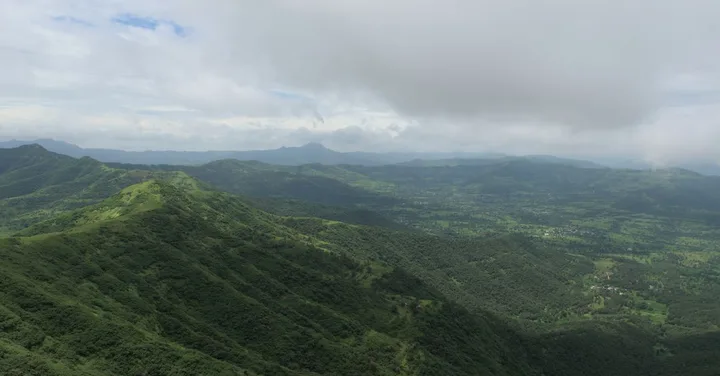
Within a four-hour radius of Mumbai sits a genuinely impressive collection of hill stations, each with its own personality. Some are perfect for families with young kids. Some are made for couples who want long walks and strawberry farms. Some are for the serious trekkers who want to earn the view. And a couple are so off the radar that even people who've lived in Maharashtra their whole lives haven't been.
By the time you finish reading this, you'll know which hill station matches your travel style, when to go, what to actually do there, and how to string a few of them together into one solid trip.
1. Mahabaleshwar
This is the classic for a reason. Mahabaleshwar sits at roughly 1,372 metres and gets blanketed in clouds during monsoon, drenched in strawberry blossoms in winter, and cooled by a steady mountain breeze even when the rest of Maharashtra is sweating through June. The town has that comfortable, slightly old-fashioned charm where you can rent a horse, buy fresh strawberry jam, and eat corn on the cob from a roadside stall all within the same hour.
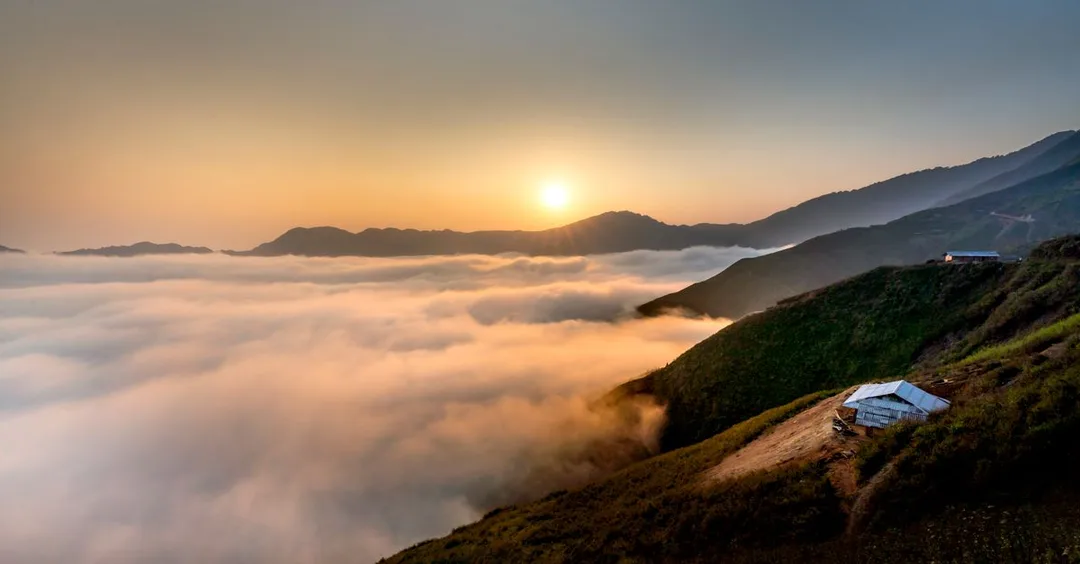
The viewpoints here are genuinely dramatic. Lodwick Point, Arthur's Seat, and Wilson Point each give you a completely different angle on the Sahyadri range. But the best thing about Mahabaleshwar isn't one single sight. It's the pace. You walk slowly. You eat mulberry ice cream. You watch mist roll in over the valley and feel the temperature drop by five degrees in minutes.
If you're coming from Mumbai, the drive takes about four to five hours via the Pune-Bangalore Highway. The roads are good. Stay for at least two nights to actually slow down.
2. Lonavala and Khandala
Lonavala is where Mumbai and Pune both come to breathe. It's close (two hours from Mumbai, even less from Pune), accessible, and incredibly popular. That popularity can be a double-edged sword on long weekends, but go on a Tuesday in October and it's a completely different place.
The chikki shops on the main street are genuinely good, and the local fudge is something you should bring back in bulk. But beyond the snack stops, Lonavala has real substance. Rajmachi Fort, Bhushi Dam, and the Tiger's Leap viewpoint are all worth your time. The Karla and Bhaja Caves, carved out by Buddhist monks roughly 2,000 years ago, are quieter than you'd expect and genuinely moving in the early morning light.
Khandala, just a few kilometres away, is slightly calmer and has some excellent properties perched on the hillside. The two are often mentioned together for good reason. Think of them as one destination with two moods.
3. Panchgani
Panchgani sits between Mahabaleshwar and Wai, at an altitude that keeps it cool and clean. What makes it different from Mahabaleshwar is Table Land, a flat volcanic plateau that stretches for over a kilometre and gives you panoramic views of five mountain ranges. It's one of the highest plateaus in Asia and the kind of place where you just stand there for a bit, taking it in.
The town itself is known for its boarding schools, which give it a quiet, orderly feel that's quite different from noisier hill stations. Strawberry picking, horse riding around Table Land, and a visit to Sydney Point are the highlights. It's a great add-on to a Mahabaleshwar trip since the two are only about 19 km apart.
4. Matheran
Matheran is the one that surprises people most. It's just 90 kilometres from Mumbai, takes about two and a half hours to reach, and is completely car-free. No vehicles are allowed inside the town. You walk, you take a horse, or you hop on the narrow-gauge toy train from Neral, which chugs through the forest at an agreeable 20 km/h.
That no-car rule changes everything. The air is cleaner, it's quieter, and the whole place feels like it exists slightly outside regular time. There are 38 viewpoints around Matheran, with One Tree Hill and Echo Point being the most popular. Sunset from Charlotte Lake is genuinely worth staying for. The red laterite soil and dense forest make the light do interesting things in the late afternoon.
The only real downside is that Matheran gets very crowded on weekends. Go midweek. Stay at one of the heritage properties there and you'll understand why people have been coming here since the British discovered it in 1850.
5. Igatpuri
Igatpuri doesn't market itself the way Lonavala does, which is part of why it's so good. It's about three hours from Mumbai on the Mumbai-Nashik Highway and sits at the start of the Western Ghats, surrounded by lakes, forts, and some of the most dramatic monsoon scenery in Maharashtra.
The Camel Valley near Igatpuri looks like something from a different continent during the rains. Bhatsa River Valley, Tringalwadi Fort, and the lake near Ghoti are all solid reasons to come here. It's also a hub for Vipassana meditation courses if that's your thing, with one of the world's largest Vipassana centres located here.
Igatpuri works well as a road trip pitstop or a standalone weekend destination. The food scene is simple but the thali places near the highway do Maharashtrian home cooking that'll have you ordering seconds.
6. Bhimashankar
For trekkers and anyone who wants forest over footpath, Bhimashankar is the answer. It's about 110 km from Pune and sits inside a wildlife sanctuary that's home to the Indian Giant Squirrel, the state animal of Maharashtra. The trek to the Bhimashankar temple takes you through dense semi-evergreen forest, crossing streams and rocky patches, with the smell of wet earth and wild ginger all around you.
The Bhimashankar Jyotirlinga temple at the top is one of twelve Jyotirlingas in India, which means it holds serious religious significance. Pilgrims and trekkers arrive together, which gives the place an interesting mix of devotion and adventure. The monsoon trail here is considered one of the best in the Sahyadris.
Stay in the small guesthouses near the top or make a day trip from Pune. Mumbai to Bhimashankar takes around four hours by road.
7. Malshej Ghat
If you've only seen Malshej Ghat in someone else's monsoon photos and thought it looked too dramatic to be real, it is that dramatic in person. The waterfall that pours down the mountain road during July and August turns the drive itself into an experience. Flamingos stop here during the season on their way from Rann of Kutch to the Deccan, and watching pink birds against a grey monsoon sky is one of those moments that sticks with you.
The area is great for fort trekking too. Harishchandragad and Ajoba Fort are nearby and attract serious trekking groups. Malshej is about three and a half hours from Mumbai and works best as a one-night or two-night monsoon escape. Don't make the mistake of visiting in winter. It's a completely different place without the mist and the waterfalls.
8. Jawhar
Jawhar is Maharashtra's answer to the question, "Where can I go that no one else is going?" It's about 165 km from Mumbai near the Gujarat border, and it has genuine tribal heritage that you won't find packaged elsewhere in the region. The Warli paintings here aren't tourist art. They're part of a living tradition, and the local market in Jawhar has paintings, bamboo crafts, and local honey being sold by the people who made them.
Dabhosa Waterfall is impressive, especially post-monsoon, and the Jai Vilas Palace adds a layer of history to the visit. Jawhar rewards slow travel. Come for two nights, talk to people, eat the local food. It's the kind of place that gives you a story, not just a photo.
9. Amboli
Amboli is the best-kept secret in this entire list. It's in the southern tip of Maharashtra near the Goa border, about eight hours from Mumbai but worth every kilometre. Amboli receives some of the highest rainfall in India during monsoon and the biodiversity here is extraordinary: rare frogs, the Amboli bush frog (found only here), butterflies you won't see anywhere else in the country, and forest that feels genuinely ancient.
The Incredible India website lists Amboli as one of Maharashtra's biodiversity hotspots, and that's not marketing speak. The Hiranyakeshi River originates here and the waterfalls during monsoon are enormous. Amboli is best visited between June and September. Combine it with a trip to Goa and you have a road trip itinerary that most people haven't thought of.
10. Kasa and Tansa
These two are barely on the travel radar, and that's the point. Kasa is a small village near the Tansa Wildlife Sanctuary, about two hours from Mumbai on the Nashik Highway. The sanctuary itself is closed to general tourists, but the areas around it have great birdwatching, clean air, and almost no crowds.
Tansa Lake is a water source for Mumbai and the land around it is protected, which means the forest is intact and undisturbed. It's the kind of escape where you book a small homestay, wake up to bird calls, walk through fields, and eat whatever the local family cooks. No viewpoints, no horse rides. Just quiet.
How to See All of These in One Trip
You don't need to do them all in one go. In fact, trying to do that would miss the point. But here's a logical cluster approach:
The Classic Long Weekend (3 nights): Mumbai to Lonavala (night 1), Lonavala to Panchgani (night 2 and 3). You cover two very different moods in one smooth drive.
The Monsoon Circuit (4-5 nights): Mumbai to Malshej Ghat, down to Igatpuri, across to Bhimashankar, and back via Pune. This is probably the best monsoon road trip in Maharashtra.
The Slow Southern Route (5-6 nights): Mumbai to Mahabaleshwar via Matheran (stop for a night), then Panchgani, then Amboli. End in Goa and fly back. This one requires planning but it's a genuinely satisfying journey.
You can explore all destinations on the Safari Sutra website and get a sense of how we build itineraries around what you actually want from a trip.
What This Trip Costs from India
Pricing depends entirely on the style of travel, but here's a realistic breakdown for a Mumbai-based traveller:
Budget travel (hostels, dorms, roadside dhabas):
Rs. 1,500 to Rs. 3,000 per person per day including accommodation and meals.
Mid-range (good 3-4 star hotels, decent restaurants):
Rs. 4,000 to Rs. 8,000 per person per day. A three-night Mahabaleshwar trip for a couple will typically cost between Rs. 20,000 and Rs. 35,000 all-in including travel.
Premium (heritage properties, private vehicles, curated meals):
Rs. 10,000 to Rs. 20,000+ per person per day. Properties like MAHABALESHWAR CLUB or the heritage bungalows in Matheran sit in this bracket and are absolutely worth it for the experience.
Getting there:
Self-driving is the most flexible option and the roads from Mumbai to most of these destinations are good. If you prefer to travel without worrying about navigation or parking, a private cab from Mumbai to Mahabaleshwar will cost around Rs. 4,000 to Rs. 5,500 one way.
Frequently Asked Questions
Q: Which is the best hill station near Mumbai for a one-night trip?
Matheran and Lonavala are the two best options for a quick one-night escape. Matheran wins on atmosphere. Lonavala wins on things to do. Both are within two to three hours of Mumbai, which means you can leave Friday evening and be back Sunday with minimal stress.
Q: Which hill station is best during monsoon?
Malshej Ghat is at its absolute peak from July to September. Bhimashankar and Amboli are also outstanding in monsoon. For a more comfortable (and less slippery) experience, Lonavala and Mahabaleshwar handle the rains well and still have open restaurants and activities.
Q: Is Mahabaleshwar open year-round?
Mahabaleshwar is open most of the year, but the Maharashtra government does close it to vehicles during the peak monsoon months (June to mid-June depending on conditions). Some years, Mahabaleshwar is shut to tourists in heavy monsoon. Always check before you book. The Incredible India tourism portal keeps updated information on closures.
Q: Can I visit these hill stations with kids?
Absolutely. Panchgani and Mahabaleshwar are great for families with children. The toy train in Matheran is a big hit with kids. Lonavala has enough activities to keep everyone busy. Avoid the more adventurous trekking destinations like Bhimashankar with very young children.
Q: What should I pack for a hill station trip from Mumbai?
Even in summer, evenings at these altitudes get surprisingly cool. Pack a light jacket or fleece regardless of the season. If you're going in monsoon, a good waterproof jacket and solid footwear are non-negotiable. The roads can get slippery and you'll want to walk around without worrying about your shoes.
Q: How do I choose between Mahabaleshwar and Lonavala?
Think of Lonavala as the livelier, more accessible option with more activities and a slightly younger crowd. Mahabaleshwar is quieter, more scenic, and better suited for people who want to genuinely switch off. If it's your first hill station trip near Mumbai, Lonavala is easier to navigate. If you've done that and want more, go to Mahabaleshwar.
Q: Can Safari Sutra Holidays help plan a domestic hill station trip?
Yes, and we genuinely enjoy planning these. After 12 years and 15,000+ trips, we've found the biggest difference between an average trip and a great one comes down to the details: which property to stay in, how to time your drives to avoid traffic, and which experiences are actually worth your time versus which ones are just popular. We get those details right for every Safari Sutra client, whether they're headed to Africa or the Sahyadris. Reach out and tell us what kind of trip you want and we'll go from there.
Ready to Tick These Off Your List?
The Sahyadris are genuinely one of India's great travel regions. They don't get the same Instagram attention as Himachal or Kerala, but for anyone based in Mumbai or Pune, they're the most accessible version of mountains, forests, and cool air you'll find. And there's more variety here than most people realise.
Whether you want a quick two-day reset in Matheran, a full monsoon circuit through the ghats, or a slow week-long drive through Mahabaleshwar and down to Amboli, the itinerary exists. It just needs to be put together properly.
Contact Safari Sutra Holidays and we'll build a trip around exactly what you want to see.

Safari Sutra Team
Travel curators with 13 years of experience planning Indian and international holidays — from safari adventures to island escapes.
View All Posts