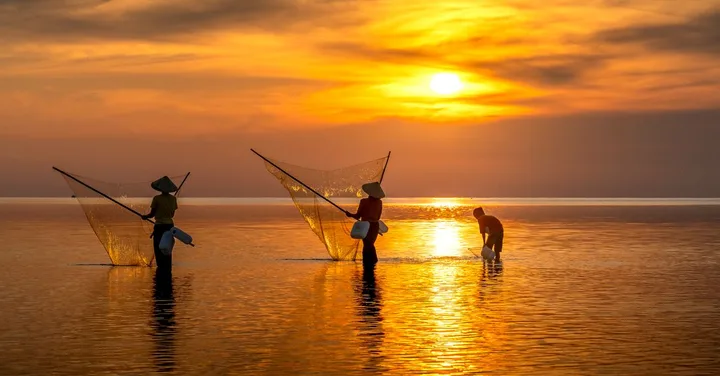
Close your eyes and picture this: you're standing at the edge of Nohkalikai Falls, the mist is cold against your face, the roar of the water is so loud you can't hear yourself think, and somewhere behind you a vendor is selling steaming hot jadoh rice from a clay pot. The air smells like wet earth and pine and something floral you can't quite name. This is Meghalaya. And if you've never been, you're genuinely missing one of India's most dramatic, wild, and soul-settling landscapes.
A Shillong and Cherrapunji trip from Mumbai isn't exotic in the way Thailand or Europe feels exotic. It's deeper than that. It's your own backyard, reimagined.
Shillong and Cherrapunji Trip from Mumbai for Indian Travellers: What You Actually Get
Let's be straight about what this trip is. Meghalaya is not a beach vacation. It's not a shopping holiday. It's a place where you walk across living root bridges that have been growing for 500 years, where you stand under waterfalls that were once the wettest place on earth, where the Khasi culture quietly changes your understanding of what India even is.
Shillong, the state capital, is often called the "Scotland of the East" but that comparison undersells it. It's a hill town with a genuine music culture (Shillong produces more rock musicians per capita than almost anywhere in India), colonial architecture that's been absorbed into something distinctly Khasi, and a food scene that will surprise you. Cherrapunji, officially known as Sohra, sits about 55 kilometres south and is all drama: waterfalls, canyon views, limestone caves, and the famous living root bridges in nearby Nongriat village.
For Indian travellers from Mumbai, this trip is genuinely accessible. No visa, no foreign exchange, no long-haul flight. You're in Guwahati in about 3 hours, and from there it's a scenic drive into the hills. Budget roughly 6 to 8 days for a comfortable trip that covers both destinations without feeling rushed.
If you want to explore all destinations that Safari Sutra covers across India and beyond, Meghalaya sits right alongside some of our most-loved offbeat India itineraries.
Best Time to Visit (Month-by-Month, Honest)
There's no single perfect month, it depends on what you want.
October to February is the dry, cool season and this is the most comfortable time to visit. Temperatures in Shillong range from 4°C to 18°C. The skies are clear, the waterfalls are still flowing well from monsoon runoff, and the living root bridge trek to Nongriat is muddy but very doable. This IS the best time for first-timers.
March to May brings warmth back and early spring colour to the hills. Crowds are lower, prices are reasonable, and the weather is pleasant before the heat kicks in. A solid option if you want fewer tourists.
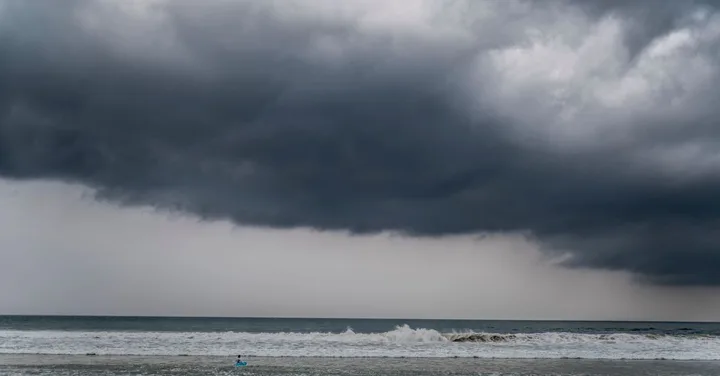
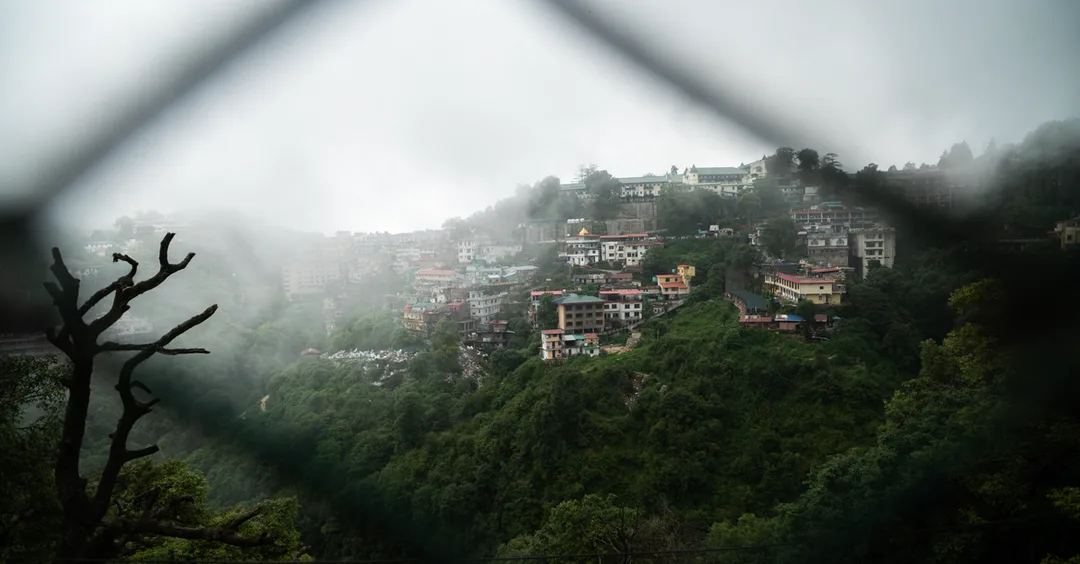
June to September is monsoon season, and Cherrapunji's reputation makes that sound terrifying. Parts of it are tricky, yes. But here's what most travel articles won't tell you: if you love dramatic landscapes, there is nothing like Meghalaya in the rains. The falls are at absolute peak, the valleys fill with cloud, and the whole region turns a green so intense it almost looks fake. The Nongriat trek becomes genuinely challenging and some roads get dicey, so you need a good local driver and flexible plans. Not ideal for first-timers with kids, but serious travellers love it.
The short answer: October to February for comfort and ease. June to August if you want Meghalaya in its most raw form and you're okay with some adventure.
Top Experiences You Can't Miss
The Double Decker Living Root Bridge, Nongriat
This is the headline act and it earns every bit of that status. A 3,500-step descent into a river gorge, across a suspension bridge, past a natural swimming pool with water so clear you can count the pebbles, and finally to a 200-year-old bridge grown from the aerial roots of rubber fig trees. It's 6 to 7 hours round trip. Your legs will hurt the next day. Absolutely worth it. Go early, before 8am, to beat the crowds.
Nohkalikai Falls
At 340 metres, this is India's tallest plunge waterfall. You view it from a cliff edge viewpoint, and the scale takes a moment to register. In monsoon the water is a thundering brown-green torrent. In winter it's a silver ribbon against black rock. Either version is extraordinary.
Dawki and the Umngot River
Two hours from Cherrapunji, Dawki sits on the Bangladesh border and the Umngot River here is so clear that boats appear to float on glass. The photos you've seen are real. Go early in the morning before the tour boats crowd in.
Shillong's Café and Music Scene
Don't blow past this to chase another waterfall. Spend an evening on Laitumkhrah road, catch live music at one of the smaller venues, eat a smoked pork and bamboo shoot stew at a local restaurant. This is the texture of a trip, not just the highlights.
Mawlynnong: Asia's Cleanest Village
A well-maintained Khasi village about 90 kilometres from Shillong. Yes, it's touristy now. But it's still genuinely beautiful, the living root bridge here is easier to access than Nongriat, and the elevated bamboo viewpoints into Bangladesh are something else.
Elephant Falls and Ward's Lake (Shillong)
These are half-day add-ons, good for the first day when you're acclimatising to the altitude. Elephant Falls is pleasant without being spectacular. Ward's Lake in the town centre is a lovely morning walk.
Safari Sutra Package Options & Prices in INR
We've structured our Meghalaya packages to suit different travel styles and budgets. All prices below are per person on twin sharing from Guwahati, with flights from Mumbai extra.
Essential Meghalaya (5 Nights / 6 Days)
Covers Shillong and Cherrapunji, standard hotels, all transfers, a local English-speaking guide, and the key sights.
Starting from INR 28,000 per person (twin sharing, land only)
Meghalaya Complete (6 Nights / 7 Days)
Adds Dawki, Mawlynnong, and Nongriat root bridge trek. Better hotels, more time at each place, same guide quality.
Starting from INR 38,000 per person (twin sharing, land only)
Meghalaya Premium (7 Nights / 8 Days)
Boutique and heritage stays, private vehicle throughout, photography-focused itinerary options, Mawphlang sacred forest walk, sunset at Laitlum Canyon. This is the one for people who want to really sit with a place rather than tick boxes.
Starting from INR 58,000 per person (twin sharing, land only)
Family Meghalaya (6 Nights / 7 Days)
Designed specifically for families with kids. Avoids the strenuous Nongriat trek, substitutes more accessible root bridges, includes Cherrapunji caves and Dawki. Child-friendly accommodations and a guide who's good with kids.
Starting from INR 35,000 per person (twin sharing, land only, based on 2 adults + 2 children)
Solo Traveller Add-On
Solo supplement is INR 8,000 to 12,000 depending on the package. We also run occasional small group Meghalaya trips for solo travellers who prefer company and cost-sharing. Ask us about the next departure.
Flights from Mumbai to Guwahati (and back) typically add INR 8,000 to 16,000 per person return, depending on how far in advance you book and the season.
Connect with our team to get a quote tailored to your dates and travel style.
Getting There: Flights from India
The closest airport to Shillong is Umroi Airport (SHL), about 35 kilometres away. It's small and flights are limited, but IndiGo and Air India operate some connections. More reliably, you fly into Guwahati's Lokpriya Gopinath Bordoloi International Airport (GAU), which has frequent daily flights from Mumbai, Delhi, Bangalore, and most major Indian cities.
From Mumbai, the flight to Guwahati is roughly 3 to 3.5 hours. IndiGo, Air India, and SpiceJet all operate this route. Book 6 to 8 weeks ahead for the best fares, especially for October to February travel.
From Guwahati airport, Shillong is about 3 hours by road (100 kilometres). The drive itself is worth it: you climb through tea gardens, small Assamese towns, and then hit the hairpin bends into Meghalaya's highlands. Your Safari Sutra driver will be waiting at the arrivals gate.
Visa, Vaccinations & Practical Prep
No visa required. Meghalaya is domestic India, and Indian passport holders travel without any documentation beyond a standard government-issued ID. As noted by Incredible India, Meghalaya is part of the Northeast India tourism corridor and fully open to Indian travellers without Inner Line Permit requirements (unlike some other northeastern states like Arunachal Pradesh or Nagaland).
Vaccinations: No special vaccinations are required. Standard travel health sense applies: stay hydrated, carry personal medication, and if you're trekking the Nongriat route, a basic first aid kit is useful.
Practical tips:
- Carry cash. ATMs exist in Shillong but are scarce in Cherrapunji and almost nonexistent in villages like Mawlynnong or Nongriat.
- Mobile connectivity is reasonable in Shillong and main tourist spots. Expect patchy signal on forest treks and in the gorge at Nongriat.
- Layers are essential, even in summer. Meghalaya's weather shifts fast.
- Sturdy closed-toe shoes matter more than anything else you pack. The terrain is wet, steep, and uneven.
- Respect local customs. The Khasi people are warm and welcoming, but photography inside villages and sacred forests should always come with permission.
Frequently Asked Questions
Q: Is Meghalaya safe for solo women travellers?
Yes, Meghalaya consistently ranks among the safest states in India for women travellers. Shillong has a lively urban culture with cafes, markets, and social spaces that feel relaxed and safe. The Khasi society is matrilineal, which shapes a culture of genuine respect toward women. Practical precautions apply as they would anywhere, but solo women regularly travel here without issues.
Q: How many days is enough for a Shillong and Cherrapunji trip from Mumbai?
Six to seven days is the sweet spot. You need at least 2 days in Shillong and 2 days based in Cherrapunji to hit the main sights without feeling rushed. Adding a day for Dawki and Mawlynnong pushes the trip to 7 days and is well worth it if your schedule allows.
Q: Can I do the Nongriat living root bridge trek with kids?
It depends on the kid. Confident 10 to 12 year olds who are used to hiking can handle it, but it's 3,500 steps down and 3,500 steps back up with no easy exit options in between. For younger children or anyone with knee or mobility concerns, the root bridges at Mawlynnong or the single decker bridge at Tyrna are far more accessible alternatives.
Q: What is the ideal budget for a Shillong and Cherrapunji trip from Mumbai?
For a comfortable mid-range trip covering flights, accommodation, transfers, guide, and most entry fees, budget roughly INR 55,000 to 75,000 per person for 7 days. This gets you decent hotels, a good local guide, and time to actually enjoy the food and culture rather than rushing. Budget travellers can do it for less with guesthouses and shared taxis, but the guide quality and vehicle reliability make a real difference on a trip like this.
Q: What should I eat in Meghalaya?
This is one of the best questions you can ask before a Meghalaya trip. Jadoh is a must: a red rice and pork dish cooked with ginger and bay leaf that's smoky and deeply satisfying. Dohneiiong is pork cooked in black sesame, rich and unlike anything you'll find elsewhere in India. Tungrymbai is a fermented soybean preparation that smells aggressive but tastes complex and good. The smoked meats sold in Shillong's Iewduh (Bara Bazar) are worth building time around.
Q: Is Meghalaya good in December for a year-end trip?
December is genuinely lovely. The air is crisp and cold, the waterfalls are still impressive from monsoon memory, and there are no crowds compared to peak hill stations like Manali or Shimla in winter. You'll need warm layers for evenings and nights in Shillong, but the days are sunny and clear. It's one of our most popular months for Meghalaya bookings.
Q: How is the road quality and driving in Meghalaya?
Roads between Guwahati and Shillong are good. Within Meghalaya, they range from smooth highways to narrow mountain roads that need an experienced local driver. The stretch from Cherrapunji to Dawki is scenic but winding. This is exactly why we always use local drivers who know the roads, the weather patterns, and the shortcuts.
After 12 years and 15,000+ trips across the world, we've found the biggest difference between an average trip and a great one often comes down to the quality of your local team. A guide who grew up in these hills, who knows which viewpoint is best at what hour, who can read the weather and suggest a plan change before a washed-out road ruins your afternoon, that's what turns a good holiday into one you're still talking about years later. It's something we take seriously for every Safari Sutra Holidays trip.
Plan Your Shillong and Cherrapunji Trip from Mumbai with Safari Sutra
Meghalaya isn't a destination that screams at you from billboards. It earns your love slowly: first through a photograph of the root bridges, then through the smell of wood smoke at a roadside dhaba near Sohra, then through the absolute silence you find at the bottom of a gorge where no one can hear you think.
It's also one of those trips that rewards proper planning. The best guesthouses in Nongriat and the better-located hotels in Cherrapunji book out quickly for October through February. A good local guide changes everything, whether that's knowing which trail is less crowded or spotting a rainbow form in the mist below Nohkalikai in the late afternoon light.
Safari Sutra Holidays has built itineraries across Northeast India for travellers who want to go beyond the obvious and come back with something real. Whether you're a family of four, a couple looking for a quiet mountain escape, or a solo traveller who wants to trek and eat their way through Meghalaya, we have a trip structure that fits.
Ready to start planning? Contact Safari Sutra Holidays and we'll handle everything.

Safari Sutra Team
Travel curators with 13 years of experience planning Indian and international holidays — from safari adventures to island escapes.
View All Posts