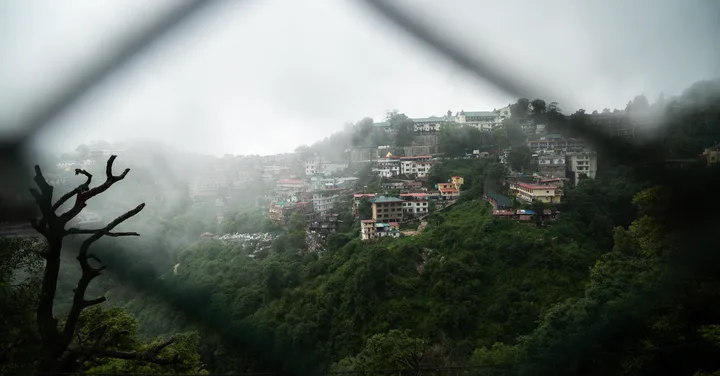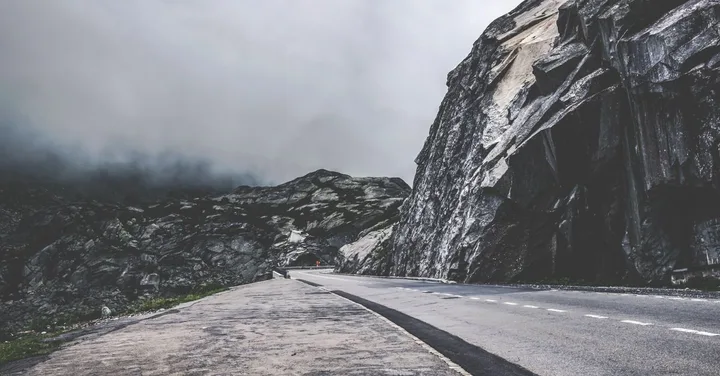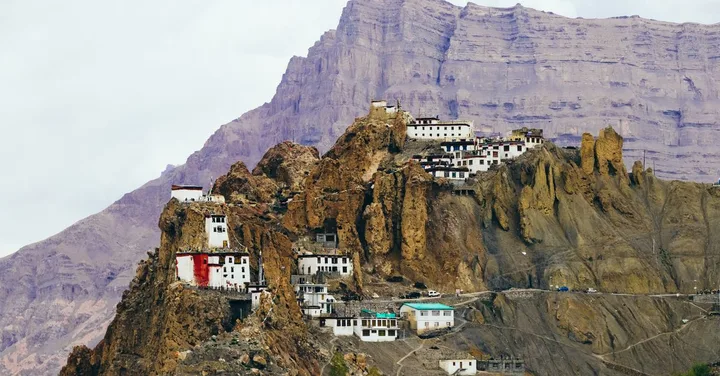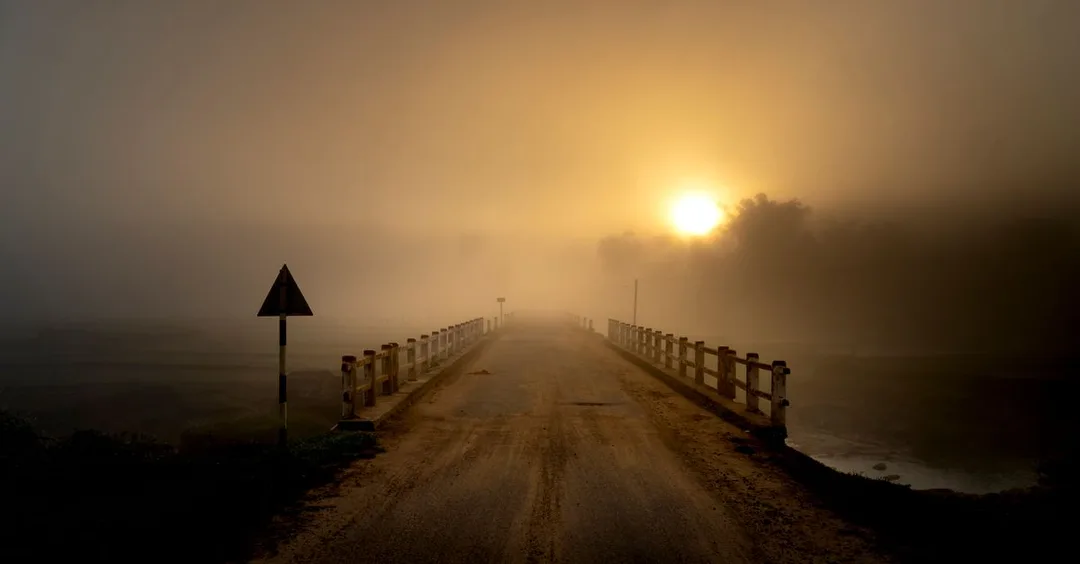
You're standing on a bridge made of living tree roots, 30 metres above a clear stream that runs copper-green over ancient boulders, and the air smells like wet earth and wild ginger. Clouds roll in from Bangladesh at eye level. A Khasi grandmother walks past you in a jainsem, completely unbothered, carrying firewood. This is not a filtered Instagram moment. This is just a Tuesday in Meghalaya.
Meghalaya Trip 2026 for Indian Travellers: What You Actually Get
Meghalaya is one of those places that keeps surprising you even after you've done your research. You think you're going for the root bridges. Then you discover the caves are among the longest in Asia. Then someone tells you about Dawki, and you can't believe that water is real. Then the food gets you.
For Indian travellers, this is also genuinely easy travel. No visa, flights from most metros, and a culture that is warm and curious about visitors. The northeast of India remains one of the most underrated travel regions in the world, and Meghalaya, which literally means "abode of clouds," is its crown jewel.
What you actually get here is a mix of dramatic natural landscape, ancient living culture, adventure (proper adventure, not the resort kind), and food that is unlike anything else in India. The Khasi, Garo and Jaintia communities each have distinct traditions, and if you travel with the right local guide, you'll see this place from the inside out rather than the outside in.
The wet hills around Cherrapunji and Mawsynram hold some of the highest rainfall records on Earth, which is exactly why those root bridges exist. The Khasi people trained the roots of Ficus elastica trees across rivers over hundreds of years, creating bridges that are stronger the older they get. The double-decker root bridge at Nongriat is the most famous, but there are dozens more that almost nobody visits.
Dawki sits on the Bangladesh border, and the Umngot River there runs so clear that boats appear to float on air. You'll see this on your screen before you go and assume it's edited. It isn't.
Explore All Destinations on Safari Sutra to see how Meghalaya compares to other Indian gems worth your 2026 travel budget.
Best Time to Visit (Month-by-Month, Honest)
October to March is the sweet spot. The rains have pulled back, the landscape is impossibly green, the skies clear up enough for the Dawki river to show its full surreal colour, and trekking to the root bridges is manageable without slipping every five minutes.
December and January are peak season. The weather is cool (8 to 18 degrees in Shillong), the light is gorgeous, and the roads are busy. Book accommodation at least six to eight weeks in advance if you're travelling during Christmas or New Year.
February and March are honestly the best kept secret. Fewer crowds, flowers in bloom around Shillong, moderate temperatures, and Dawki at its most photogenic. If you have flexibility, aim for this window.
April to June is pleasant at higher elevations but can get warm and a bit hazy. Pre-monsoon showers start by late May.
July to September is full monsoon season, and Meghalaya takes that seriously. Cherrapunji regularly records 300 to 400mm of rain in a single week. The waterfalls are extraordinary, the root bridges are dramatic, and the landscape is almost supernaturally lush. That said, roads can wash out, trekking gets genuinely difficult, and Dawki clouds over. Travel during this period only if you're specifically chasing the monsoon experience and are flexible with plans.
A quick note from Incredible India resources on the northeast, the region sees different rainfall patterns across districts, so even in peak monsoon, Shillong can have clear windows while Cherrapunji is soaked.
Top Experiences You Can't Miss
The Double-Decker Root Bridge Trek, Nongriat
This is the one everyone comes for, and it delivers. The trek takes you down around 3,500 stone steps from the village of Tyrna, through tropical forest, past smaller bridges and waterfalls, to the iconic double-decker structure at Nongriat village. It's about 2.5 to 3 hours down, and 3 to 4 hours back up. Do it early morning. Stay overnight in Nongriat at one of the basic guesthouses, swim in Rainbow Falls the next morning before anyone else arrives, and climb out relaxed rather than rushing. This changes the entire quality of the experience.
Dawki and the Umngot River
Drive two to three hours from Shillong towards the Bangladesh border and you'll reach Dawki. The river is so clear that the riverbed is fully visible at depth, and the wooden boats on it look suspended in nothing. Take a boat ride early, before 8am if possible, when the light is flat and the water is mirror-still. There's a border crossing here too, and the contrast between the manicured Indian side and the Bangladeshi riverbank is quietly fascinating.
Mawsmai Cave, Cherrapunji
The caves of Meghalaya go deep. Mawsmai is the accessible one, and you can walk through a section of it in about 30 minutes. Krem Liat Prah in the Jaintia Hills is the longest cave in the Indian subcontinent. If you're a serious caver or spelunker, there are guided technical expeditions available. If you just want to experience the underground limestone formations with good lighting and a knowledgeable guide, Mawsmai plus the less-visited Arwah Cave nearby covers it well.
Nohkalikai Falls and Seven Sisters Falls
Nohkalikai is the tallest plunge waterfall in India, dropping 340 metres into a pool of vivid green water. The story behind the name is genuinely haunting, ask your guide to tell it rather than reading it online. Seven Sisters Falls runs as seven distinct streams side by side on a single cliff face and is best seen during or just after monsoon when all seven are flowing full.
Shillong: The City That Grows on You
People treat Shillong as a transit stop. Give it two nights and it earns your time. Ward's Lake in the morning, Bara Bazaar for local produce, the Police Bazaar area in the evening for Khasi food like jadoh (red rice with pork) and tungrymbai (fermented soybean chutney). The live music scene is real here, Shillong has produced more rock musicians per capita than almost any other Indian city. Catch a local band at a café in the evening and you'll understand why this city has its own specific energy.
Mawphlang Sacred Forest
This ancient forest is protected by the local Khasi community and has been for centuries. You enter with a guide only, you take nothing out, not even a leaf or a stone, and what you get is old-growth forest that feels genuinely different from anything managed or touristic. The guide explains the ecological and spiritual rules of the forest, and the combination of deep shade, silence and cultural context makes this one of the most memorable two hours you can spend in India.
Safari Sutra Package Options & Prices in INR
We've taken 15,000+ travellers across the globe and through India's most extraordinary corners, and Meghalaya is a destination we genuinely love building around. Here's how our packages typically work for a 2026 trip.
Standard 5-Night Meghalaya Escape (from INR 28,000 per person, twin sharing)
Covers Shillong, Cherrapunji and Dawki. Mid-range hotels, private transfers, root bridge trek with a local guide, and Dawki boat ride included. Good for first-timers who want comfort without paying for extras they won't use.
Comfort 6-Night Meghalaya Explorer (from INR 42,000 per person, twin sharing)
Adds the Mawphlang Sacred Forest, Nongriat overnight stay, and either a cave visit or optional drive to Mawlynnong (Asia's cleanest village, though that title is debated, the village itself is worth seeing). 3-star and heritage stay options. This is our most popular tier.
Premium 7-Night Northeast Immersion (from INR 68,000 per person, twin sharing)
Combines Meghalaya with a Kaziranga extension or a Dzukou Valley hike extension. Boutique properties, expert regional guides who speak Khasi and English, cultural homestay one night included, and flexible planning around your interests. Suited to travellers who've already done the standard northeast circuit.
Family Package: 6-Night Meghalaya for Families (from INR 38,000 per person, family of four)
Designed specifically for families with children aged 8 and above. Modified treks with easier root bridge options, storytelling guides, Shillong's Don Bosco Museum, and property selections with family rooms and proper food options for kids.
Custom / Solo Traveller Options are available on request and priced per itinerary. Solo travellers tend to do well in Meghalaya because the community is welcoming and local guesthouses in Nongriat create a social atmosphere naturally.
Prices above exclude flights. All packages are subject to availability and seasonal adjustments. Talk to the Safari Sutra team to get a quote built around your specific travel dates, group size, and interests.
Getting There: Flights from India
The gateway to Meghalaya is Shillong Airport (SHL), also called Umroi Airport, about 30 kilometres from the city. However, the airport has limited connectivity and many flights don't operate daily.
The more practical option for most travellers is flying into Guwahati (GAU) in Assam, which has far better connections from Delhi, Mumbai, Bangalore, Chennai, Hyderabad and Kolkata. From Guwahati, Shillong is 2.5 to 3 hours by road, and the drive itself is a decent introduction to the changing landscape.
From Delhi: Direct flights to Guwahati from around INR 4,500 to 9,000 one way. Flight time is about 2 hours.
From Mumbai: Direct flights to Guwahati from around INR 6,000 to 12,000 one way. Flight time is about 2.5 hours.
From Kolkata: The closest major hub. Flights under one hour, fares often below INR 4,000 one way.
IndiGo, Air India, SpiceJet and Akasa all serve the Guwahati route. Book at least 4 to 6 weeks ahead for the October to March window, especially around holidays.
Visa, Vaccinations & Practical Prep
Visa: None needed. Meghalaya is part of India, so this is domestic travel for Indian passport holders. Foreign nationals with valid Indian visas can visit freely, though some restricted area permits were previously needed for certain northeast states. Meghalaya itself is open and requires no special permit for most nationalities.
Inner Line Permit (ILP): Not required for Meghalaya, unlike some other northeast states. You just arrive and travel.
Vaccinations: No specific vaccination requirement. Standard travel health advice applies: typhoid, hepatitis A, and staying updated on routine vaccines. If you're visiting during or just after monsoon, carry a good mosquito repellent.
Altitude: Shillong sits at about 1,500 metres. You won't have altitude issues, but the temperature drops noticeably at night, especially November through February. Pack a proper warm layer.
Currency: INR everywhere. ATMs are available in Shillong and Cherrapunji. Carry cash for smaller villages, root bridge treks, and local food spots, UPI is hit or miss outside of towns.
Mobile connectivity: Jio and Airtel work in most of Meghalaya, though coverage drops in deep forest trekking zones and around Nongriat village.
Road conditions: Mountain roads, always. A few stretches can be rough, especially post-monsoon. Private transfers with experienced drivers make a real difference here.
Frequently Asked Questions
Q: Is Meghalaya safe for solo female travellers?
Meghalaya is a matrilineal society, which means property and family lineage passes through women. This cultural reality makes it one of the more respectful and comfortable places in India for women travelling alone. Locals are generally helpful, towns like Shillong are well-lit and lively in the evenings, and international solo female travellers regularly rate it among India's friendliest destinations. Standard urban precautions apply, but the vibe is genuinely relaxed.
Q: How difficult is the root bridge trek? Can older family members do it?
The Nongriat double-decker root bridge trek involves a steep descent and ascent of around 3,500 stone steps. It's manageable for someone with average fitness, but it is genuinely strenuous on the way back. People in their 50s and 60s do it regularly, though it takes longer and requires proper shoes and a walking stick. For older parents or those with knee issues, there are shorter, easier root bridge options closer to the road that are still beautiful and far less demanding.
Q: What is the best way to experience Dawki? Is a boat ride enough?
The boat ride on the Umngot River is the centrepiece and takes about 30 to 45 minutes. Combine it with an early start (you'll thank yourself), some time just sitting on the riverbank, and if possible, a short drive to the suspension bridge nearby. Some travellers also cross into Bangladesh for the day here with prior paperwork, though that requires planning ahead. On its own, a half-day at Dawki is satisfying, and it works best as part of a Cherrapunji-to-Shillong loop.
Q: How many days do I actually need for Meghalaya?
Five nights is the minimum to do the main circuit without rushing. Six nights lets you breathe, do the Nongriat overnight, spend proper time at Dawki, and see Shillong with some leisure. Seven nights or more opens up the Jaintia Hills, Garo Hills, or a Kaziranga add-on. If you only have a long weekend, fly into Guwahati on Friday night and base yourself in Cherrapunji, but you'll leave wanting more.
Q: What should I eat in Meghalaya?
Start with jadoh, the Khasi red rice cooked with pork and spices. Try dohneiiong (pork with black sesame), dohjem (pork with blood, more delicious than it sounds), and tungrymbai with rice. For something lighter, kyat is a local fermented rice beer that is mild and earthy. Street food in Shillong's Police Bazaar area is excellent and affordable. If you're not a pork eater, chicken options are widely available, vegetarian options exist but are limited outside of restaurants in Shillong proper.
Q: Is it possible to combine Meghalaya with other northeast states?
Absolutely, and it's quite common. Meghalaya plus Kaziranga National Park (rhinos, possibly tigers, excellent birding) is the most popular combination, since Kaziranga is about three hours from Guwahati. Meghalaya plus Arunachal Pradesh is more ambitious and needs at least 10 to 12 days. Meghalaya plus Assam tea country works well for a slower, culture-focused trip. Most Safari Sutra northeast packages are built around these natural combinations.
Q: What is the typical budget for a Meghalaya trip from Delhi or Mumbai?
A comfortable 6-night trip including flights from Delhi or Mumbai, mid-range hotels, private transfers, guided experiences, and most meals sits in the range of INR 55,000 to 75,000 per person. Budget backpacker travel is possible for considerably less. Premium boutique-style travel with the best guides and properties runs higher. The way we see it after 12 years and 15,000+ trips, the biggest difference between an average trip and a great one is guide quality and the structure of your days. Those are exactly the things we get right for every Safari Sutra client.
Plan Your Meghalaya Trip 2026 with Safari Sutra
Meghalaya in 2026 is going to be more popular than ever, and the best accommodation options and guide slots fill up fast once the travel season opens. The northeast has been quietly building its tourism infrastructure, which means the quality of experiences is going up without the crowds catching on just yet. That window won't stay open indefinitely.
If you've been sitting on this trip for a year or two, ekdum mast time to make it real. Whether you want a tight five-night circuit or a full ten-day northeast loop, we'll build it around your pace, your interests, and your travel style.
Ready to start planning? Contact Safari Sutra Holidays and we'll handle everything.

Safari Sutra Team
Travel curators with 13 years of experience planning Indian and international holidays — from safari adventures to island escapes.
View All Posts