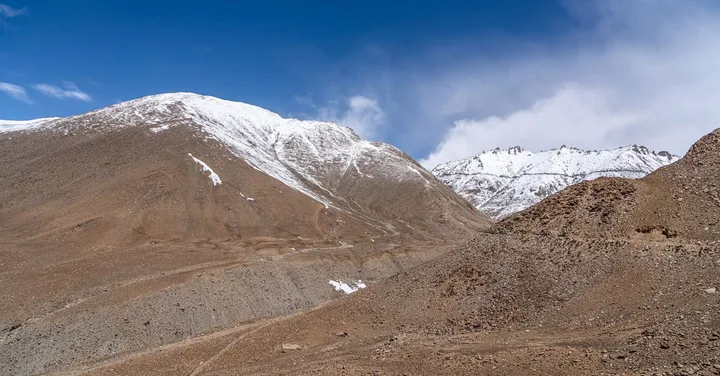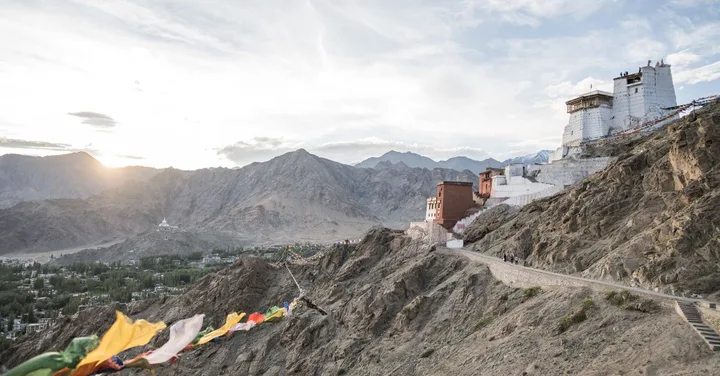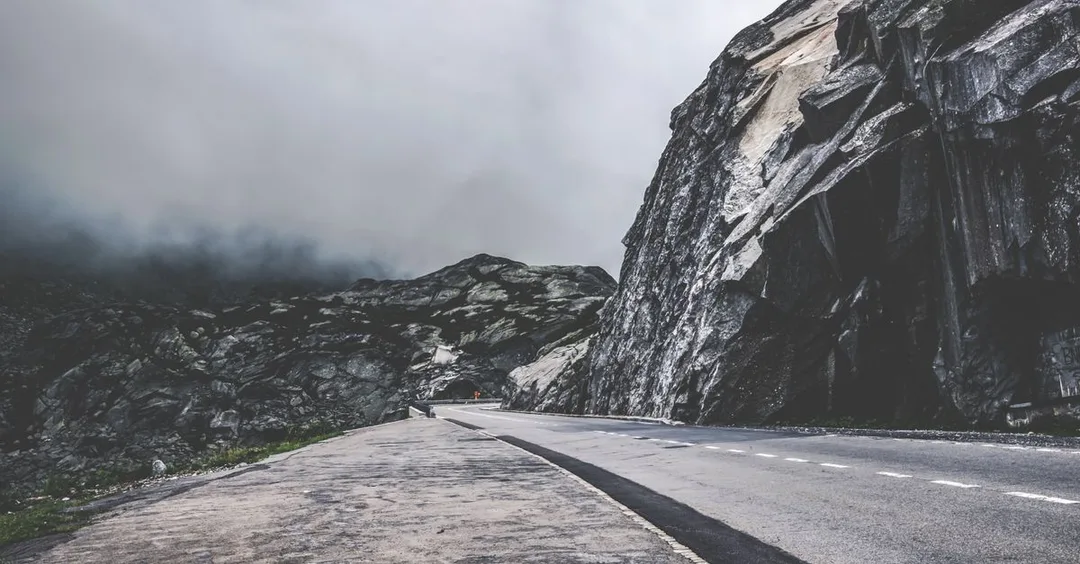
The air hits you before anything else. Thin, cold, and completely still at 3,500 metres, it carries the faint smell of dust and pine and something you can't quite name. Then you round a bend on the Manali-Leh Highway and there it is: the Zanskar range laid out like a crumpled grey-brown wall across the horizon, snowfields catching the morning light, and a single prayer-flag string flapping above a roadside cairn. No traffic. No noise except the wind. Just you, the road ahead, and the strange, clean feeling that you've left ordinary life behind.
That's Ladakh. And in 2026, more Indian travellers than ever are choosing to drive it.
Ladakh Road Trip 2026 for Indian Travellers: What You Actually Get
Let's be straight with you. Ladakh is not a quick holiday. It's not a weekend getaway or a tick-box destination. A proper Ladakh road trip asks something of you: time, physical adjustment, a willingness to slow down and let the landscape work on you. In return, it gives you something that very few places in India still can.
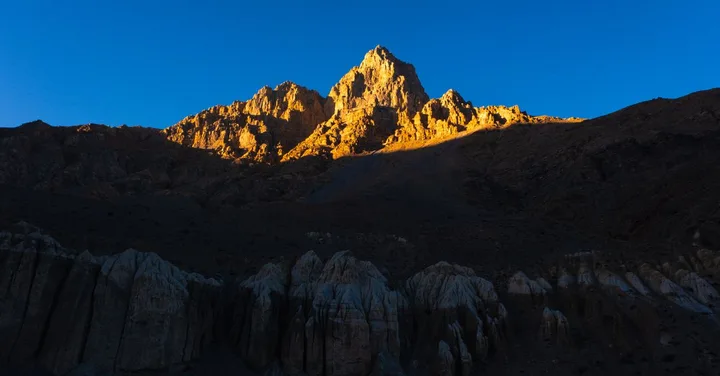
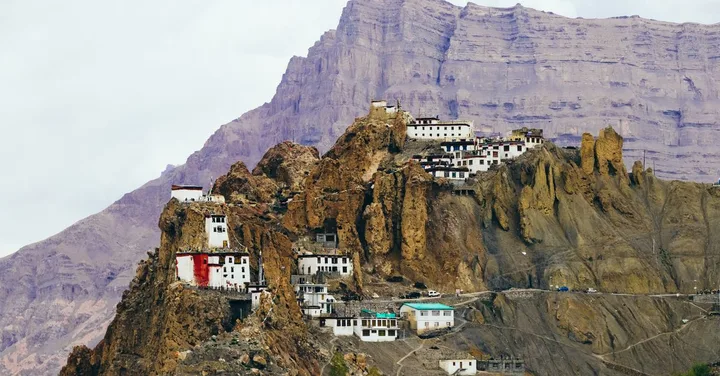
This is a cold desert at altitude, stretching across the eastern part of Jammu & Kashmir. The terrain shifts constantly: barren moonscapes, turquoise glacial rivers, ancient monasteries perched on impossible cliffs, villages where apricots dry on flat rooftops in the summer sun. The light here is unlike anywhere else in the country. Sharp, clear, and almost too bright at midday, it turns the mountains gold and rose in the hour before dark.
For Indian travellers, Ladakh hits differently than an international trip does. It's your country, your Himalayan heritage, and yet it feels completely foreign. Languages change, food changes, the architecture, the faces, the pace. You don't need a visa. You don't need to convert currency. But you do need to prepare properly, and that's where most trips go right or wrong.
At Safari Sutra Holidays, we've planned over 15,000 trips across 12+ years, and Ladakh road trips are among the most requested routes we handle. The questions are always the same: when to go, which route to take, how to acclimatise, what to spend. This guide answers all of them.
The main road trip routes are two. The Manali-Leh Highway (approximately 479 kilometres, open June to October) is the more dramatic of the two: high passes like Rohtang, Baralacha La, and Tanglang La, narrow roads cut into cliff faces, river crossings, and long stretches of nothing but sky and stone. The Srinagar-Leh Highway (434 kilometres, open slightly longer from May) is comparatively gentler, passes through Kargil, and offers a different flavour of the journey, greener valleys giving way to the brown expanse of Ladakh.
Most travellers doing a proper road trip combine both: drive in one way, fly or drive out the other. That's the format we recommend for Ladakh Tour Packages because it means you see twice the landscape without retracing your route.
Best Time to Visit (Month-by-Month, Honest)
June and July are the sweet spot. The Manali-Leh Highway has opened by mid-June, the weather is warm enough to be comfortable but not hot, wildflowers appear along stream edges, and the high passes are accessible. July brings more tourists and occasional rain from the tail end of monsoon, but Ladakh sits in a rain shadow so precipitation is minimal. This is the time to do the full road trip, including side trips to Nubra Valley and Pangong Lake.
August is peak season. Expect more vehicles on the road, slightly higher hotel rates, and the Sham Valley and Zanskar routes at their most accessible. The Zanskar River gorge trek is possible. It's crowded by Ladakhi standards, which still means far fewer people than Goa in December.
September is genuinely excellent and slightly underrated. The tourist rush fades, prices drop, the sky stays clear and deep blue, and the landscape takes on amber and ochre tones as temperatures begin to shift. Roads are still fully open. This is the month we quietly recommend to travellers who ask for our honest opinion.
October is the shoulder: beautiful, cold at night, and increasingly unpredictable. The Manali-Leh Highway typically closes by mid to late October with early snowfall. Experienced travellers love this month. First-timers should plan carefully.
November to May: Leh town stays accessible by air year-round, but roads are shut. Pangong Lake freezes. The Chadar Trek happens in January and February on the frozen Zanskar River. That's a specialist experience and entirely separate from a road trip.
The honest answer: June to September is your window for a road trip. September is the move if you want fewer crowds.
Top Experiences You Can't Miss
The Khardung La crossing. Often described as one of the highest motorable passes in the world, it sits at around 5,359 metres. The view from the top, looking back toward Leh and forward into Nubra Valley, stops conversation. Your driver will stop. You'll step out into air so thin you'll feel it in three breaths. Take your photo, drink the free tea the army tent sometimes serves, and don't linger too long at altitude.
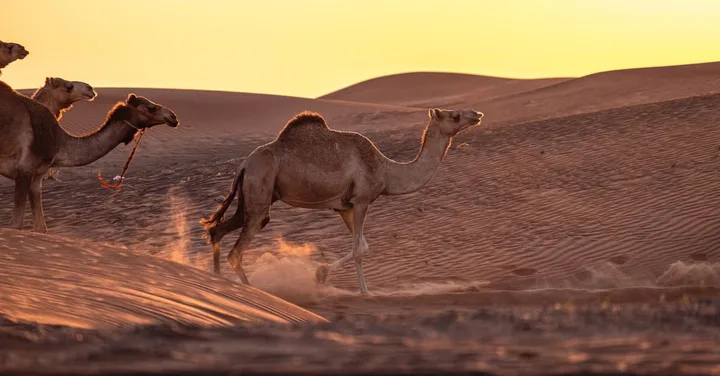
Nubra Valley and the double-humped camels. After Khardung La, the road drops into the Shyok River valley, wide and sandy, ringed by pale mountains. At Hunder, Bactrian camels (the two-humped kind) wander sand dunes that seem impossible this deep in the Himalayas. It's absurd and wonderful. Stay overnight in one of the camps here and you get stars so dense they look like paint splattered across black paper.
Pangong Lake. The photographs don't prepare you for the colour. At 4,350 metres and 134 kilometres long, the lake sits still and improbably blue-green, the kind of colour you've only seen in screen savers. Spending a night here, in a tent or simple camp, means you see it at both sunset and sunrise without the day-trip crowds. Do this.
Hemis Monastery Festival. If you're travelling in late June or July, time your visit with the Hemis Tsechu. Monks in elaborate masks perform ancient cham dances in the courtyard of the largest monastery in Ladakh. It's loud, colourful, and completely transporting. Check the exact dates for 2026 when planning, as they follow the Tibetan lunar calendar.
The Magnetic Hill and the Sangam. These are close to Leh and easy half-day trips. The Sangam is where the Zanskar River meets the Indus, green meeting grey in a visible line in the water. Stand on the banks with a chai from a roadside dhaba and just watch it.
Tso Moriri. Fewer people make it here compared to Pangong, and that's exactly why you should. A high-altitude lake at 4,522 metres, surrounded by rolling grasslands where wild kiang (Tibetan wild ass) graze. It's quieter, rawer, and in September it's almost completely yours.
Safari Sutra Package Options and Prices in INR
We've built these tiers based on what real Indian travellers ask for. All prices are per person, based on double occupancy, and cover the road trip from Manali to Leh with key side trips.
Classic Road Trip (8 Nights / 9 Days)
Manali to Leh, Nubra Valley, Pangong Lake
Comfortable guesthouses and camps, private vehicle, experienced driver-guide, all breakfasts and dinners included.
INR 65,000 to 75,000 per person
Signature Road Trip (10 Nights / 11 Days)
Manali to Leh, Nubra Valley, Pangong Lake, Tso Moriri, fly out from Leh
Better-quality camps and boutique guesthouses, private vehicle, knowledgeable local guide, all meals, airport transfers.
INR 95,000 to 1,10,000 per person
Premium Ladakh (12 Nights / 13 Days)
Manali to Leh, Nubra Valley, Pangong, Tso Moriri, Zanskar day access, heritage monastery visits with monk interaction, fly out from Leh
Best available camps and boutique properties, premium jeep with experienced high-altitude driver, local cultural guide, all meals, photography briefings, flexible itinerary.
INR 1,40,000 to 1,65,000 per person
Solo or Small Group (7 Nights / 8 Days)
Designed for solo travellers or couples who want to join a small group of like-minded people (maximum 6). Shared vehicle, quality guesthouses, key experiences included.
INR 45,000 to 55,000 per person
Flights from your home city to Manali (nearest airport: Kullu-Manali/Bhuntar) or to Leh (for the return) are additional and vary by season. We help you book these at the right time to get good fares.
If you want a custom build for a family trip, a larger group, or a winter Chadar Trek, Plan Your Trip with Safari Sutra and we'll put something together based on exactly what you need.
Getting There: Flights from India
For the Manali-Leh road trip start:
Fly into Kullu-Manali Airport (IATA: KUU) at Bhuntar, about 50 kilometres from Manali town. IndiGo, SpiceJet, and Air India operate routes here, typically with a connection in Delhi. From Mumbai or Bangalore, expect one stop. Delhi to Bhuntar takes about an hour. Book early for June-September travel as fares jump fast.
From Delhi, some travellers prefer the overnight Volvo bus to Manali, which is a 14-15 hour journey but saves a night's accommodation and leaves in the evening. It's perfectly comfortable if you sleep well in buses, and the saving over a flight can be INR 3,000 to 5,000.
For the Leh arrival or departure:
Kushok Bakula Rimpochee Airport in Leh (IATA: IXL) has direct flights from Delhi with IndiGo and Air India, around 1 hour 20 minutes of flying time. There are also direct flights from Srinagar, Jammu, and seasonal options from Mumbai and Chandigarh. Morning flights are strongly preferred because afternoon flying into Leh can get turbulent as the mountain thermals pick up. Fares from Delhi to Leh range from INR 4,500 to 14,000+ depending on how early you book and the season.
Important: Leh airport is a high-altitude airfield at 3,256 metres. When you land, you'll feel the altitude within minutes. Walk slowly. Don't rush for your bags. This is not the moment to be in a hurry.
Visa, Vaccinations and Practical Prep
Visa: No visa required for Indian citizens. Foreign nationals on a Ladakh road trip do need to obtain an Inner Line Permit (ILP) for areas like Nubra Valley, Pangong Lake, and Tso Moriri. This is straightforward and we handle it as part of our package.
Permits for Indian nationals: Indian citizens need a Protected Area Permit for certain restricted zones near the border areas. Again, we sort this out for you.
Altitude sickness: This is the single biggest practical issue on a Ladakh trip and the one most travellers underestimate. Leh sits at 3,500 metres and your body needs time to adjust. Acclimatise properly. Two nights in Leh before any high-altitude activity is non-negotiable. We've seen clients skip this step and spend half their trip unwell, headachey and exhausted, missing the very experiences they came for. Drink water constantly, avoid alcohol for the first 48 hours, walk slowly, and sleep as soon as you feel any dizziness.
Talk to your doctor before the trip about Diamox (acetazolamide), a medication that helps with altitude adjustment. Carry it but use it with medical guidance, not just because someone on the internet said so.
What to carry:
- Warm layers even in July (temperatures drop to near zero at night at altitude)
- Sunscreen with SPF 50+ (the UV intensity at altitude is serious)
- Lip balm and heavy moisturiser (the air is dry and cold)
- A personal first aid kit with altitude medication
- Cash in INR (ATMs exist in Leh but are unreliable; stock up before you leave)
- A power bank (charging points can be limited in camps)
- Offline maps downloaded before you leave
Vaccinations: No specific vaccinations are required for Ladakh beyond your routine immunisations. A tetanus booster is worth being current on for any road trip.
For the most current travel information and Incredible India destination notes, the Incredible India portal is a useful reference.
Frequently Asked Questions
Q: Can I do a Ladakh road trip without a driver, just self-driving?
Yes, and many experienced travellers do. You need a valid Indian driving licence and a vehicle suited to high-altitude mountain roads (a sturdy SUV, preferably a 4x4). The roads demand your complete attention: narrow sections, loose gravel, river crossings, and zero margin for error near drop-offs. If you're an experienced hill driver who's comfortable in mountain terrain, it's an incredible way to travel. If you're not, hire a driver. The mountain roads are genuinely dangerous for anyone unfamiliar with them.
Q: Is Ladakh safe for women travelling solo or in small groups?
Yes, it is, and it's one of the better destinations in India for solo women travellers. Leh is a small, relatively safe town. Ladakhi culture is respectful and tourism-aware. That said, standard precautions apply: stay in reputable guesthouses, let someone know your itinerary, and avoid isolated areas at night. Many of the women travellers we've worked with rate it among the most comfortable Indian destinations they've visited.
Q: How physically fit do I need to be?
For a road trip with vehicle-based travel, you don't need to be an athlete. You do need to be in reasonable health with no serious cardiac or respiratory conditions, as altitude places additional strain on your heart and lungs. Consult your doctor before booking if you have any underlying conditions. Short walks at various sites (monasteries, lakesides, viewpoints) are part of the experience, so basic walking fitness helps. Treks require more preparation and depend on which route you choose.
Q: What's the mobile network situation?
BSNL is the most reliable network in Ladakh, and even that has gaps outside Leh town. Airtel and Jio have improved significantly in Leh and on main roads, but expect to lose signal regularly once you head toward Nubra, Pangong, or Tso Moriri. Treat it as a feature, not a bug. Let people know you'll be off-grid and carry a printed copy of your itinerary. Some camps now offer Wi-Fi, often slow but functional.
Q: Can elderly parents or grandparents join a Ladakh trip?
It depends on their health more than their age. We've helped families travel with grandparents in their 70s who managed perfectly well with proper acclimatisation and a relaxed pace. We've also advised against it for younger travellers with specific health conditions. The key factors are cardiac health, respiratory health, and the ability to walk reasonable distances on uneven ground. Get medical clearance first, choose a comfortable-paced itinerary, and skip the very high-altitude push to Khardung La if there's any doubt.
Q: What is the approximate total budget per person including flights from Delhi?
For a 9-10 day trip from Delhi, an honest mid-range budget is INR 1,00,000 to 1,30,000 per person covering flights (Delhi-Manali/Bhuntar return or Delhi-Leh one way), accommodation, vehicle, meals, and permits. The Classic or Signature packages from Safari Sutra Holidays cover most of this. Budget more if you want premium camps at Pangong or Nubra; those properties have limited beds and book up fast.
Q: When should I book for a June or September 2026 trip?
Start planning by December 2025 for June travel. Good camps at Pangong and Nubra have very limited inventory and the best spots are gone by February. For September 2026, you have slightly more breathing room but March-April is still the right time to lock things down. Flights out of Leh in July and August are heavily booked by domestic tourists and the military, so early flight booking matters as much as accommodation.
Plan Your Ladakh Road Trip 2026 with Safari Sutra
Ladakh rewards the traveller who comes prepared: prepared for the altitude, for the pace, for the long silences between one incredible view and the next. It's a trip that tends to change how you think about travel afterwards, not because of any single moment but because of the accumulation of them. The morning you wake up in a camp on the shore of Pangong and walk to the water's edge before anyone else is up. The monastery where a monk hands you butter tea and gestures at a 500-year-old mural like it's perfectly normal. The road that disappears around a corner into nothing, and you follow it anyway.
Whether you want to join a small group, build a private family trip, or design something completely your own, we've done this road trip enough times to know what makes it work and what to avoid.
Ready to start planning? Contact Safari Sutra Holidays and we'll handle everything.

Safari Sutra Team
Travel curators with 13 years of experience planning Indian and international holidays — from safari adventures to island escapes.
View All Posts