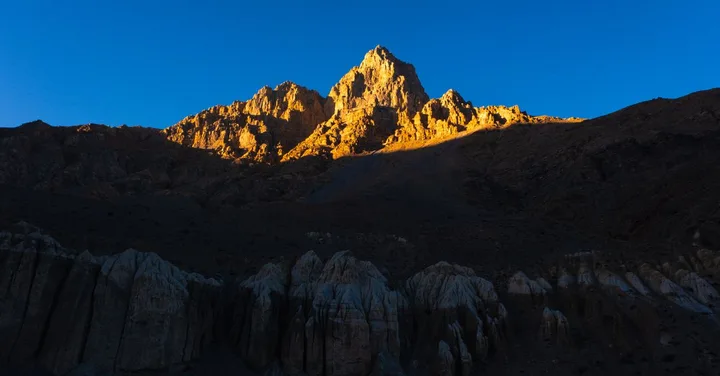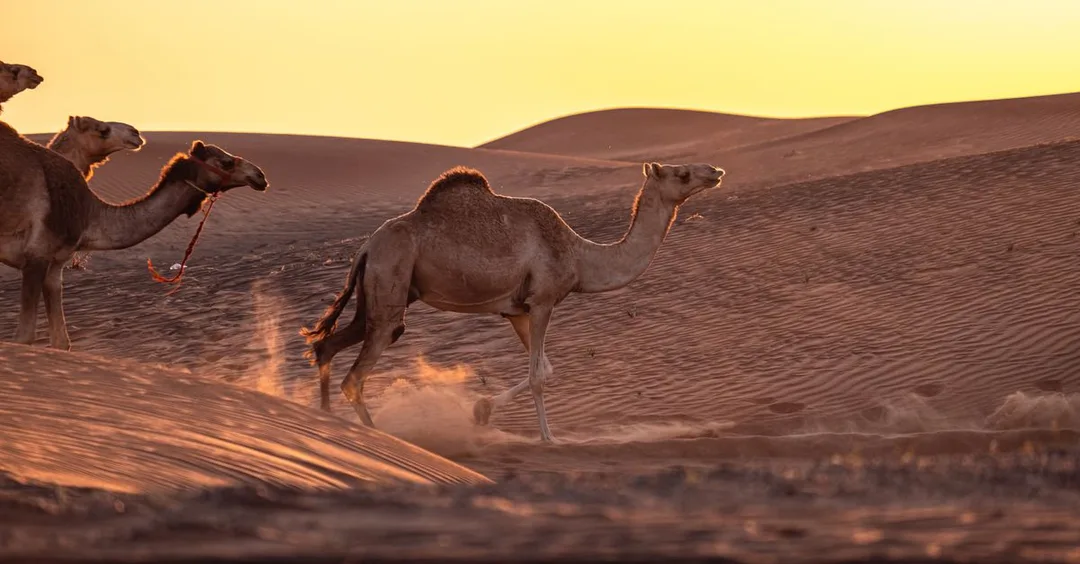
You're standing in the middle of a desert at 10,000 feet above sea level. The sand is cold under your boots. Fifty metres away, a double-humped Bactrian camel snorts quietly, its thick fur catching the late afternoon light. Behind it, the Karakoram Range turns pink at the tips as the sun drops. This isn't Mongolia or the Gobi. This is Nubra Valley, Ladakh, and it genuinely does not look like India. It looks like a fever dream your imagination couldn't have produced on its own.
Nubra Valley Ladakh for Indian Travellers: What You Actually Get
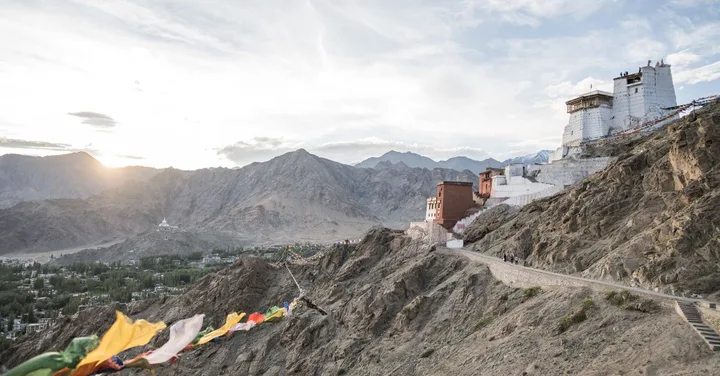
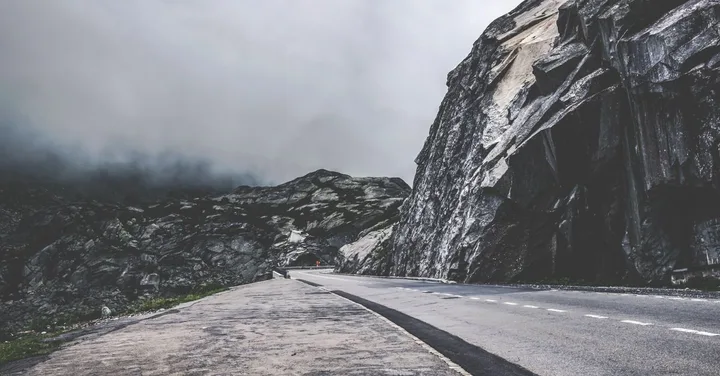
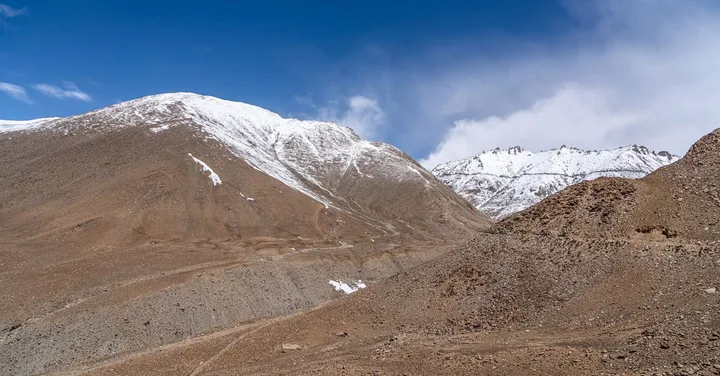
Nubra Valley sits about 150 kilometres north of Leh, accessed via the Khardung La pass, which sits at roughly 17,582 feet and regularly gets cited as one of the highest motorable roads on the planet. The valley itself is formed by the Shyok and Nubra rivers meeting, which explains why a strip of cold desert exists between two massive mountain ranges. The landscape shifts constantly: grey gravel, sand dunes, green poplar trees lining riverbanks, and then suddenly a whitewashed monastery perched on a cliff.
Most Indian travellers are genuinely surprised by how different this feels from other Himalayan destinations. Shimla and Manali are lush and forested. Nubra is stark, wide, and otherworldly. If Ladakh as a whole is unlike the rest of India, Nubra is unlike the rest of Ladakh.
The main settlements are Diskit and Hunder. Diskit is the administrative centre, home to the famous Diskit Monastery and the 32-metre Maitreya Buddha statue that watches over the valley from a rocky ridge. Hunder, about 10 kilometres further, is where you'll find the sand dunes and the Bactrian camels. These camels were once part of the ancient Silk Route trade network, and a handful of them still live here, ridden by tourists and cared for by local families.
This is also a border area, so Indian travellers need an Inner Line Permit (ILP), which we'll cover in the practical section. It's straightforward to arrange, and it doesn't complicate your trip at all.
Check out Ladakh Tour Packages from Safari Sutra Holidays to see how Nubra fits into a wider Leh-Ladakh circuit.
Best Time to Visit (Month-by-Month, Honest)
May to June: Roads open after winter, usually by mid-May. The landscape is dry and dramatic, snow still caps the peaks, and crowds are manageable. Nights are cold, around 0 to 5 degrees Celsius, but days are comfortable. This is a great window if you want clear skies and fewer tourists.
July to August: Peak season. The valley is at its busiest, accommodation fills up fast, and Khardung La can get congested with traffic. But the light is golden, local festivals happen, and the overall energy of the place is wonderful. If you're travelling with family or prefer more services available, this works well. Just book ahead.
September to October: Possibly the best month for photography. The crowds thin out after mid-September, the poplar trees start turning yellow, and the skies stay sharp and blue. October gets cold fast, especially at night, so pack accordingly.
November to April: The Khardung La road closes due to snowfall, usually by November. Nubra is largely inaccessible unless you go in via helicopter, which is possible but expensive. Most travellers skip this window.
The honest answer: September is the sweet spot. Good weather, fewer people, stunning colour in the valley.
Top Experiences You Can't Miss
Camel ride on the Hunder dunes
Yes, it's a bit touristy. Do it anyway. Riding a Bactrian camel across cold desert sand with the Karakoram peaks behind you is something you'll describe to people for years. Early morning rides, before the light gets harsh, are the best. The dunes are not enormous, but the setting around them is extraordinary.
Diskit Monastery
Dating back to the 14th century, this is the oldest and largest monastery in the Nubra Valley. The climb up to it is steep but short, and the view from the top is worth every step. Inside, you'll find ancient thangkas, butter lamps, and monks going about their day. The 32-metre Maitreya Buddha statue just below the monastery faces towards Pakistan, symbolically promoting peace. Spend at least 90 minutes here.
Panamik hot springs
About 45 kilometres from Diskit, Panamik is a small village with natural sulphur hot springs. After days of long drives and cold nights, soaking in warm spring water with mountains all around is exactly as good as it sounds. The springs are basic, not a spa, but that's part of the appeal.
Turtuk village
For travellers who want to go a bit further, Turtuk is about 80 kilometres from Diskit and was part of Pakistan until 1971, when India took control during the war. The culture here is Balti, the architecture is distinctly different, and the apricot orchards in summer are beautiful. Very few tourists make it here, which makes it worth the extra drive.
Stargazing
At 10,000 feet, with minimal light pollution, the night sky in Nubra is extraordinary. The Milky Way is visible with the naked eye on clear nights. Several camps offer this as a dedicated experience, and if astrophotography is your thing, bring your gear.
The Incredible India tourism portal has good background information on Nubra Valley's cultural heritage if you want to read more before you visit.
Safari Sutra Package Options and Prices in INR
Here are some realistic package options we offer, based on 12+ years of planning Ladakh trips:
Leh-Nubra Weekend Escape (3 nights / 4 days)
Covers Leh arrival, acclimatisation, Khardung La drive, Diskit, Hunder dunes and camel ride, return to Leh. Good intro, best for those with limited time.
Approximate price: Rs. 28,000 to Rs. 35,000 per person (twin sharing, budget camps + hotels)
Classic Ladakh with Nubra (6 nights / 7 days)
Adds Pangong Lake to the Nubra circuit. This is the most popular route and covers all the major highlights. Includes better accommodation options.
Approximate price: Rs. 55,000 to Rs. 75,000 per person (twin sharing, mid-range properties)
Ladakh Deep Drive with Turtuk (8 nights / 9 days)
Includes Nubra, Turtuk, Panamik, Pangong, Hanle dark sky reserve. For those who want to go beyond the standard circuit.
Approximate price: Rs. 85,000 to Rs. 1,10,000 per person (twin sharing, mid-premium mix)
Premium Nubra Experience (5 nights / 6 days, Leh-Nubra-Pangong)
Luxury tented camps in Hunder and Pangong, private vehicle, local expert guide, gourmet meals. This is the version for travellers who want comfort without compromising the raw landscape.
Approximate price: Rs. 1,20,000 to Rs. 1,50,000 per person (twin sharing, premium camps)
Family Ladakh Package (flexible 7-9 days)
Customised for families travelling with children or older parents. Includes extra acclimatisation time, accessible accommodation, medical coordination, and a slower itinerary pace.
Approximate price: Rs. 70,000 to Rs. 95,000 per person (twin sharing, family-friendly properties)
Prices are indicative and vary by travel dates, group size, and accommodation preferences. Plan your trip with Safari Sutra for a quote tailored to your exact requirements.
Getting There: Flights from India
Direct flights to Leh operate from Delhi, Mumbai, Srinagar, Jammu, and Chandigarh. The most common routes for most Indian travellers are:
- Delhi to Leh (Kushok Bakula Rimpochhe Airport): Daily direct flights, roughly 75 minutes, fares ranging from Rs. 4,500 to Rs. 12,000 one-way depending on how far in advance you book. IndiGo and Air India both operate this route.
- Mumbai to Leh: Usually one stop via Delhi, total travel time around 3 to 4 hours. Direct seasonal flights exist but aren't always reliable year-round.
Book morning flights into Leh. The weather in the valley can affect afternoon flights, and morning arrivals give you the full day to rest and acclimatise.
From Leh, Nubra Valley is a 4 to 5 hour drive depending on stops and traffic at Khardung La.
Visa, Vaccinations and Practical Prep
Visa: Nubra Valley is in India, so no visa is required for Indian passport holders. International travellers on a standard Indian tourist visa can visit most of the region without restrictions.
Inner Line Permit (ILP): All visitors, including Indian citizens, need an ILP to enter Nubra Valley. This is a government-mandated requirement for protected border areas. It costs around Rs. 200 to Rs. 400 per person and is easy to arrange. Safari Sutra handles this as part of all our Ladakh packages, so you won't need to worry about it.
Altitude sickness: This is the most important thing to get right. Leh sits at 11,500 feet, and Nubra Valley at around 10,000 feet. Acclimatise properly. Two nights in Leh before any high-altitude activity is non-negotiable. We've seen clients skip this and spend half their trip unwell. No amount of eager itinerary planning is worth arriving in Nubra gasping for breath with a splitting headache.
Vaccinations: No specific vaccinations are required for Ladakh. Carrying a basic first aid kit, Diamox (for altitude sickness, consult your doctor first), and any personal medications is recommended.
Connectivity: Mobile data is patchy in Nubra. BSNL has the best coverage in the region. Download offline maps and inform family of your itinerary before you leave Leh.
Cash: ATMs in Nubra are limited and sometimes non-functional. Carry enough cash from Leh to cover your stay, tips, and small purchases.
Frequently Asked Questions
Q: Is Nubra Valley safe to visit for Indian tourists?
Yes, completely. It's a popular, well-travelled destination with proper tourism infrastructure. Being a border area means there is a military presence, which most travellers find reassuring rather than concerning. You'll encounter army checkposts and need to show your ILP, but this is quick and routine.
Q: Can I visit Nubra Valley without a guide?
You can, technically, if you're self-driving or on a motorcycle. But first-time visitors benefit enormously from a local guide, not just for navigation but for context. Knowing the history of Diskit Monastery or the Silk Route significance of those Bactrian camels makes the experience far richer.
Q: How many days do I need in Nubra Valley?
Two nights minimum, three nights ideal. One night is too rushed to get past just the dunes and monastery. Three nights lets you visit Panamik, explore Turtuk, and actually sit with the place rather than just photograph it.
Q: Is Nubra Valley suitable for older parents and senior travellers?
Yes, with the right preparation. The key is acclimatisation time in Leh and a slow itinerary. Many families bring parents in their 60s and 70s without issues. The drive over Khardung La is dramatic but the vehicle does the work. Avoid strenuous hikes and plan rest time into each day.
Q: What should I pack for Nubra Valley?
Layers are everything. Even in July, nights drop sharply. Pack thermal inners, a good fleece, a windproof jacket, sunscreen (SPF 50+, the altitude sun is brutal), sunglasses, and comfortable walking shoes. Sand gets everywhere, so a buff or light scarf for the face is useful at Hunder.
Q: What kind of accommodation is available in Nubra?
Options range from basic guesthouses and campsites to genuinely impressive tented camps with comfortable beds, attached bathrooms, and evening bonfires. The premium camps at Hunder are among the more special places to sleep in India. Don't expect five-star hotel amenities, but the experience more than compensates.
Q: Can I visit both Nubra Valley and Pangong Lake on the same trip?
Absolutely, and most people do. The two destinations are connected by the Shyok river road, avoiding a return to Leh in between. This route, through villages like Agham and Durbuk, is spectacular. The combination of Nubra (desert, dunes, camels) and Pangong (turquoise lake, open sky) covers the full range of what makes Ladakh so special.
Plan Your Nubra Valley Ladakh Trip with Safari Sutra
Nubra Valley is the kind of place that makes you recalibrate. The scale of the landscape, the silence, the improbable meeting of desert and ice peak, it all works on you quietly. People who visit once tend to want to come back and go further: Turtuk next time, or Hanle, or the Siachen base area. Ladakh has a way of doing that.
Over 12 years and 15,000+ trips, we've learnt what makes a Ladakh trip work: enough acclimatisation time, the right accommodation for your travel style, and an itinerary that doesn't sprint from highlight to highlight. A nubra valley ladakh guide can give you the information, but good planning turns that information into an actual trip you'll love.
Ready to start planning? Contact Safari Sutra Holidays - we'll handle everything.

Safari Sutra Team
Travel curators with 13 years of experience planning Indian and international holidays — from safari adventures to island escapes.
View All Posts