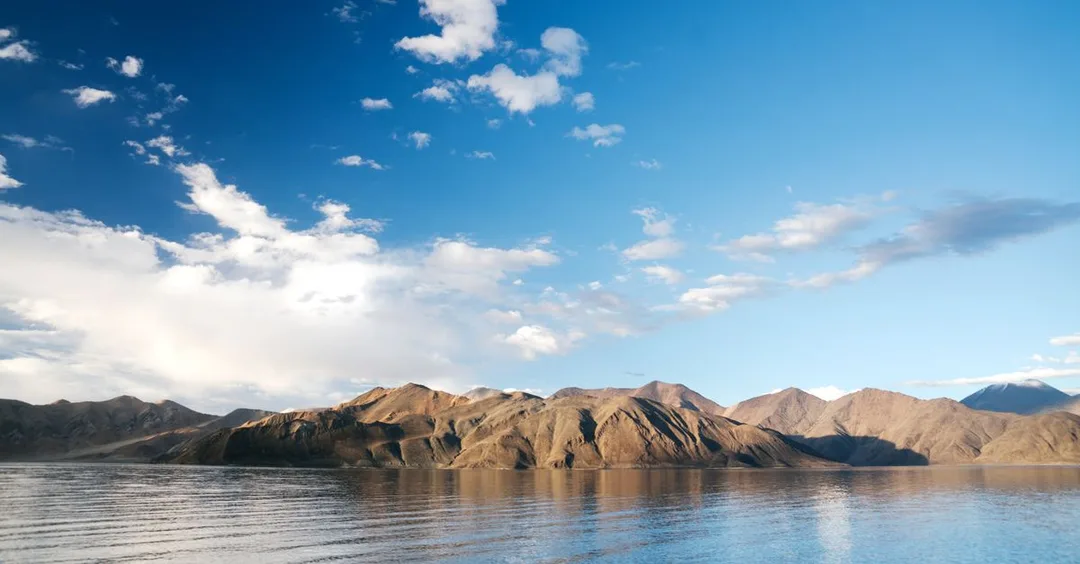
You're sitting at 4,350 metres above sea level. The air is thin and cold even in August. In front of you, a lake stretches sixty kilometres into Tibet, and the water keeps shifting colour, from deep cobalt to turquoise to a pale green-blue, depending on which cloud just moved. There are no trees. No noise. Just wind, silence, and that water. If you've ever wondered what the edge of the world looks like, this is probably it.
Pangong Tso is not a comfortable destination. It's remote, high-altitude, permit-required, and it will test your lungs. But Indian travellers who make the journey consistently say the same thing: nothing else quite compares. This guide covers everything you actually need to know before booking.
Pangong Lake Travel Guide for Indian Travellers: What You Actually Get
Let's be clear about what kind of trip this is. Pangong Lake is not a resort holiday. It's not a heritage walk. It's a raw, high-altitude landscape experience in the Ladakh region of Jammu and Kashmir, about 160 kilometres from Leh town. The lake itself straddles the India-China border, with about 45% on the Indian side and the rest in Tibet.
The region became globally famous after the 3 Idiots climax scene was shot here. Since then, footfall has increased significantly, but the landscape still feels vast enough to absorb visitors without losing its character. On the Indian side, you have access to the lake's southern and northern banks, separated by the Spangmik-Lukung belt and the Chushul route respectively. The northern bank (also called the Chang La side) is the more popular approach; the southern bank via Chushul and Rezang La is far less crowded and offers a quieter, more authentic feel.
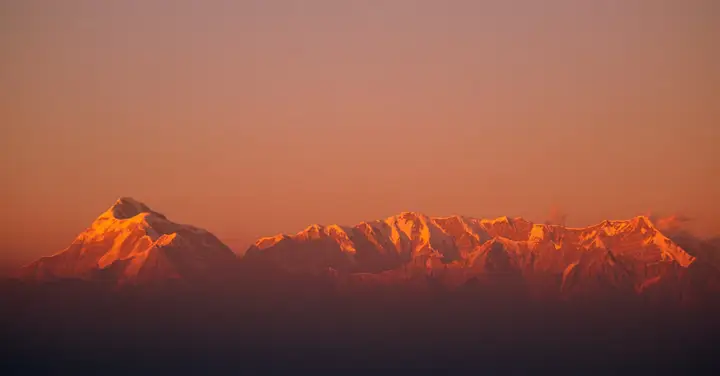
According to Incredible India, Ladakh is one of India's most visited high-altitude destinations, and Pangong is its crown jewel in terms of scenery. The land is stark, almost lunar, with brown-red mountains flanking that impossible blue water. You'll see Changpa nomads with their pashmina goats. You might spot bar-headed geese and Brahminy ducks near the water's edge. In winter, the lake freezes solid enough for ice sports.
Permits are mandatory for Indian civilians, and the rules have changed over the years, so read the section below carefully before planning.
Best Time to Visit (Month-by-Month, Honest)
May to June: This is when Ladakh wakes up after winter. Roads are mostly clear, though Rohtang and Zoji La passes may still have some snow patches in early May. The lake water is cold and clear, skies are often brilliant blue, and crowds haven't peaked yet. If you want the best of good weather and manageable tourist density, early June is the sweet spot.
July to August: Peak season. The lake looks stunning, temperatures are mild (5°C to 20°C during the day), and you'll have long daylight hours. The downside is that this is when every road-tripper and biker from Delhi is also heading here. Book accommodation near Pangong very early because lakeside camps fill up fast. The Manali-Leh highway is also open, giving you a scenic alternative entry route.
September: One of the best months, honestly. Crowds thin out, the light turns golden and dramatic, and the lake colours are at their richest. Mornings get properly cold (down to 0°C near the lake), but daytime is comfortable. Highly recommended if you can swing it.
October: Getting cold now, especially at night. Some camps and tents near the lake start shutting down. But the landscape turns even more striking with dusting of early snow on the higher peaks. For travellers who don't mind bundling up, October has a magic that peak season never offers.
November to April: Winter. The lake typically freezes by December. This is the Ice Festival season (usually February), and the frozen lake is surreal to see. But accessing Pangong in deep winter requires serious preparation, and the Leh-Pangong highway can close due to snowfall. Not for first-timers.
The honest bottom line: June, September, and early October give you the best experience without the summer chaos.
Top Experiences You Can't Miss
-
Sunrise at Spangmik: Wake up at 4:30 AM, sit by the lake as the sky turns from deep violet to orange to gold, and watch the water change colour in real time. No photo does it justice. You have to be there.
-
Motorcycle or bicycle ride along the northern bank: The road from Leh to Pangong via Chang La (at 5,360 metres, one of the highest motorable passes in the world) is one of the great road trips in India. If you ride, you'll never forget the descent towards the lake.
-
Chushul and the southern bank: Most people skip this. Don't. The southern route via Rezang La has a war memorial that's genuinely moving, and the lake views from this side feel completely different, quieter, wider, more alone.
-
Stargazing: At this altitude with zero light pollution, the night sky at Pangong is ridiculous in the best way. The Milky Way is visible with the naked eye on clear nights.
-
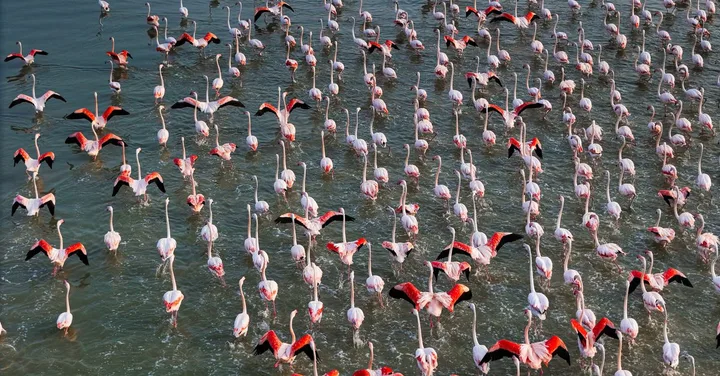
Birding near the water: You don't need to be a birder to appreciate bar-headed geese landing on a turquoise lake against a backdrop of brown Himalayan rock. Carry binoculars if you have them.
Safari Sutra Package Options & Prices in INR
At Safari Sutra Holidays, we've built Ladakh Tour Packages across a range of budgets and travel styles, with Pangong as the central highlight. After 12 years and 15,000+ trips across India and the world, we've learned that the biggest difference between an average mountain trip and a great one comes down to guide quality and how your days are timed. A good local guide at Pangong doesn't just drive you there; they know which viewpoints are crowd-free at which hours, how to read the weather, and when to push ahead and when to wait.
Here's how our Ladakh-Pangong packages break down:
Essential Ladakh (7 nights / 8 days) - from INR 45,000 per person
Leh town, Pangong overnight, Nubra Valley, Khardung La. Twin-sharing, decent guesthouses, local transport, all permits included. Best for backpackers and young travellers who want the full experience without the premium price tag.
Classic Ladakh with Pangong (8 nights / 9 days) - from INR 75,000 per person
Everything in the Essential package plus a quality lakeside camp stay at Pangong, better vehicles (Toyota Innova or equivalent), and a dedicated local expert guide. Breakfast and dinner included throughout.
Premium Ladakh (9 nights / 10 days) - from INR 1,20,000 per person
Boutique stays in Leh, glamping-style tented accommodation at Pangong with proper beds and hot water, full-day Chushul and southern bank coverage, photography assistance, and a private vehicle. Flight assistance from Delhi or Mumbai included.
Pangong Winter Special (5 nights / 6 days, Feb only) - from INR 85,000 per person
Timed around the Ladakh Ice Festival. Frozen lake access, local cultural experiences, Leh monastery visits in off-season quiet. Limited spots; this one fills up fast.
All packages include mandatory Inner Line Permits, which we arrange ahead of travel so there's no queue or confusion on arrival.
Getting There: Flights from India
The gateway to Pangong is Leh's Kushok Bakula Rimpochee Airport (IXL). Direct flights operate from Delhi (1 hour 20 minutes), Mumbai (approximately 2.5 hours with some direct options in peak season, otherwise via Delhi), and Jammu. Most Indian travellers fly in from Delhi.
Flight prices vary enormously by season. In peak summer (June-August), Delhi-Leh-Delhi round trips can cost anywhere from INR 8,000 to INR 25,000 depending on how early you book. Book at least 6-8 weeks in advance for June and July. Leh airport sits at high altitude itself, so all flights operate in the morning when air density is better. Afternoon flights are rare.
From Leh, Pangong Lake is a 5-6 hour drive via the Chang La route. The road is paved for most of its length but mountainous and occasionally rough. A private vehicle is strongly recommended over shared taxis for the Pangong leg.
Road alternatives include the Manali-Leh highway (2 days of driving through Rohtang, Baralacha La and Tanglang La) or the Srinagar-Leh highway (1.5 days). Both are incredible in their own right and make sense if you're combining destinations.
Visa, Vaccinations & Practical Prep
Permits for Indian Nationals: You need an Inner Line Permit (ILP) to visit Pangong Lake. This can be obtained online via the Ladakh Tourism portal or in person at the Deputy Commissioner's office in Leh. The process is straightforward but the rules change periodically, so confirm requirements before travel. Safari Sutra handles this for all package travellers. Foreign nationals need a Protected Area Permit (PAP) in addition to ILP, arranged through a registered agency.
Altitude sickness is real: Leh sits at 3,500 metres and Pangong at 4,350 metres. Plan a minimum of two full rest days in Leh before heading to the lake. Avoid alcohol and heavy meals on arrival days. Diamox (acetazolamide) is widely recommended; speak to your doctor before the trip. Drink water constantly.
What to pack: Layers are non-negotiable. Even in summer, mornings and nights near the lake can drop below 5°C. Windproof jacket, thermal inner wear, good sunscreen (SPF 50+ minimum at altitude), UV-protection sunglasses, and comfortable trekking shoes. Power banks are useful as charging options at remote camps can be limited.
Medical: No special vaccinations are required for Ladakh. But carry personal medications, basic first aid, and any prescription drugs in sufficient quantity.
Connectivity: Expect poor or no network near Pangong. BSNL has the most reliable signal in this region. Download offline maps (Maps.me works well) before leaving Leh.
Frequently Asked Questions
Q: Do I need a special permit to visit Pangong Lake?
Yes, Indian citizens need an Inner Line Permit (ILP), which you can get online or in Leh. It's not complicated, but it's mandatory. If you're booking through Safari Sutra, we sort this for you before your journey starts.
Q: Is it safe to drive to Pangong from Leh?
The road is generally safe in summer and early autumn when it's dry. Mountain roads mean narrow stretches, high passes, and some unpaved sections. A good driver who knows the route matters more than the vehicle. We never send first-time Ladakh travellers on this route without an experienced local driver.
Q: Can I swim in Pangong Lake?
You can dip your feet in, but swimming is not advisable. The water is extremely cold year-round (averaging 4-8°C even in peak summer), the altitude makes any physical exertion intense, and there are no lifeguards or rescue facilities near the remote lake banks.
Q: How many days should I spend at Pangong?
One night is the minimum to catch sunrise and watch the colours change. Two nights lets you cover both the northern and southern banks properly. Most travellers who spend only a few hours feel like they left too soon.
Q: What's the accommodation like near the lake?
Options range from basic guesthouses in Spangmik village to proper glamping tents with wooden floors and real beds. In peak season (July-August), book at least 6-8 weeks ahead. The better tented camps sell out fast. Our packages include pre-confirmed accommodation so you're not scrambling on arrival.
Q: Is Pangong suitable for older travellers or those with health conditions?
People in their 60s and 70s do visit Pangong successfully, but altitude is the key factor. If you have cardiac or respiratory conditions, speak to your doctor first and plan extra acclimatisation time in Leh. We've helped many multi-generational families plan this trip safely; Plan Your Trip with Safari Sutra and we'll advise you based on your specific group.
Q: When does the lake freeze and can you walk on it?
The lake typically freezes by December and remains frozen through February. During the Ladakh Ice Festival (usually late January or February), controlled access is allowed. Walking on a frozen Pangong at sunrise with mountains reflected in the ice is about as surreal as India gets.
Plan Your Pangong Lake Travel Guide Trip with Safari Sutra
Pangong is one of those places that rewards proper planning. Getting the timing right, having permits sorted in advance, knowing which route to take and when, and staying somewhere that doesn't leave you freezing at midnight because the camp owner ran out of quilts. These details sound small until they're not.
We've been sending travellers to Ladakh for over 12 years. We know which months the Chang La road gets dicey, which lakeside camps are actually worth the premium, and how to build an itinerary that gives your body time to adjust to the altitude without wasting your annual leave.
Whether you want a self-drive adventure with just permits and accommodation sorted, or a fully guided package from your home city to the lake and back, we've got the range to match.
Ready to start planning? Contact Safari Sutra Holidays and we'll handle everything.

Safari Sutra Team
Travel curators with 13 years of experience planning Indian and international holidays — from safari adventures to island escapes.
View All Posts