You've been saving up, blocked the dates, and now you're staring at two tabs open on your browser: Spiti Valley and Ladakh. Both look incredible. Both feel like they're on another planet. And every friend who's been to either one swears theirs is better. So how do you choose?
Honestly? It's a genuinely hard call. These two destinations share a lot of DNA: high altitude, sparse population, Buddhist monasteries, roads that test your nerve, and skies so clear at night you'll forget what light pollution ever looked like. But they're also very different trips with very different personalities. One rewards patience and raw adventure. The other delivers drama on a silver platter.
After more than 12 years and 15,000+ trips across India and the world, we at Safari Sutra Holidays have watched this exact dilemma play out hundreds of times. Here's the honest breakdown so you can make the right call.
At a Glance: Side-by-Side Comparison
Spiti Valley Ladakh Location Himachal Pradesh Union Territory of J&K / Ladakh Altitude 3,800 m to 4,550 m (higher passes) 3,500 m (Leh) to 5,600 m (Khardung La) Nearest airport Shimla or Bhuntar (Kullu), then 8-10 hr drive Leh (direct flights from Delhi, Mumbai) Road accessibility Challenging, seasonal Easier, better infrastructure Crowds Low to moderate Moderate to high (peak season) Typical trip duration 8-12 days 7-10 days Best for Off-grid seekers, road trippers First-timers, photographers, families Language Spitian, Hindi Ladakhi, Hindi Phone connectivity Very patchy, BSNL only Better, BSNL and some Airtel Permit required ILP for some areas ILP for restricted zonesThe short version: Ladakh is more accessible, more connected, and more forgiving for first-timers. Spiti is rawer, quieter, and rewards you for the extra effort of getting there.
Wildlife and Landscape: What's Different
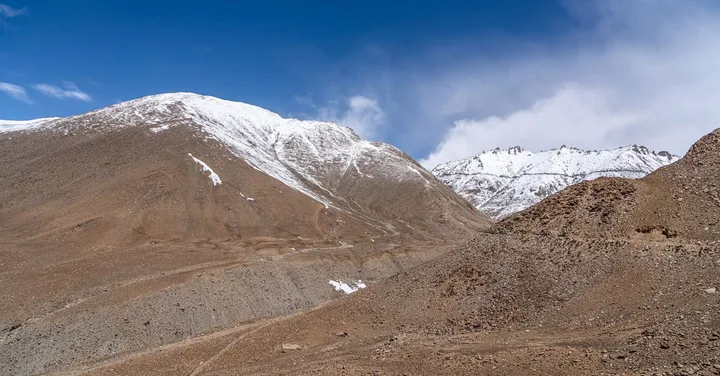
Both destinations sit in the trans-Himalayan zone, which means you're in cold desert country regardless of which you pick. But the landscapes feel very different in character.
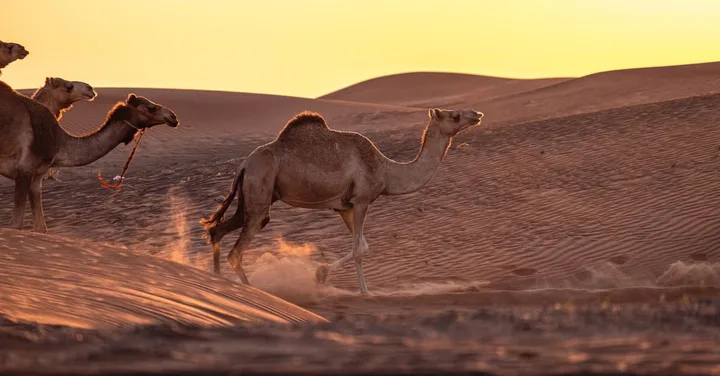
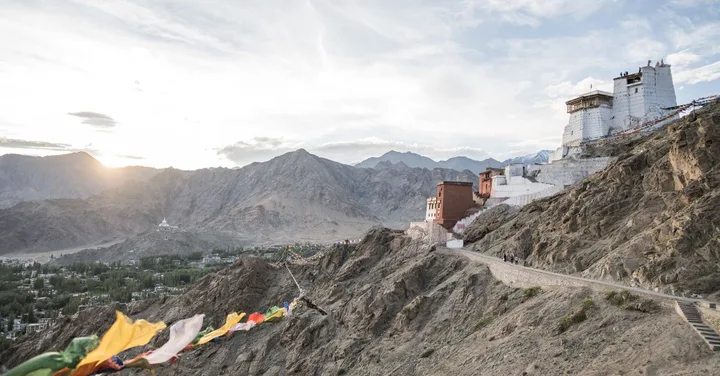
Ladakh hits you hard, fast, and visually loud. You land in Leh and within a couple of days you're looking at the Pangong Tso lake, that electric shade of blue that shifts from sapphire to turquoise depending on the angle of the sun. The mountains here are layered in terracotta, ochre, and grey, and the scale of everything is vast. Nubra Valley adds sand dunes and Bactrian camels to the picture, which your brain genuinely struggles to process alongside the 6,000-metre peaks behind them.
Wildlife in Ladakh is serious business. The Hemis National Park is the best place in India to spot the snow leopard, and while sightings are never guaranteed, winter visits (January-February) give you the highest odds. You might also see Tibetan wolves, Himalayan blue sheep (bharal), and the kiang (wild ass) in Hanle and Moriri.
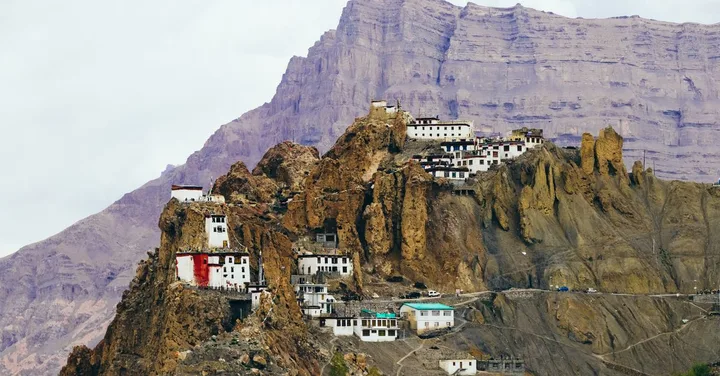
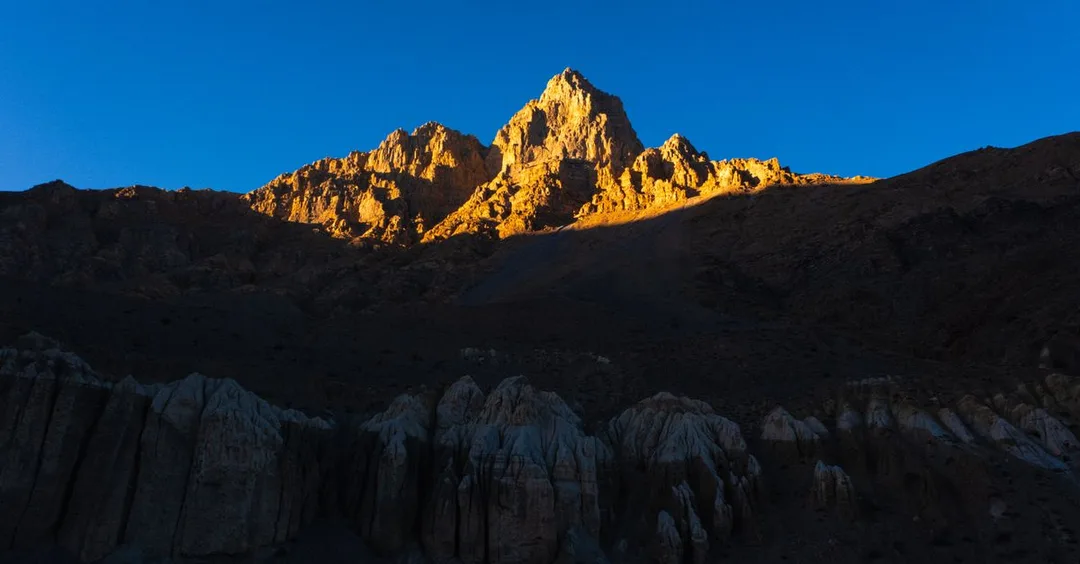
Spiti's landscape is quieter and more austere. The valley is narrower, the villages smaller, and the whole place feels like it's been forgotten by time in the best possible way. The Pin Valley National Park is Spiti's wildlife heartland, home to snow leopards and ibex. But Spiti's bigger draw is the cultural landscape: villages like Langza with a giant Buddha statue overlooking a field of fossils, Komic (one of the highest inhabited villages in the world), and Kibber where the houses seem to grow out of the mountain itself.
If you want drama and scale, Ladakh wins. If you want stillness and intimacy, Spiti is on another level.
Best Time: When to Choose Each
Ladakh: The main season runs from May to September. June and July are the peak months, when the road from Manali is open, the famous Khardung La and Chang La passes are accessible, and the high-altitude lakes are thawed. August brings a risk of short rains from the western edge of the monsoon, but nothing like the plains. September is arguably the best month: fewer crowds, golden light, cooler temperatures, and Pangong Tso at its most dramatic. You can even visit in winter (December-February) for snow leopard tracking, though it's cold enough to make you reconsider your life choices.
Spiti: The window is narrower. Spiti is accessible via two routes: the Shimla-Kinnaur route (open roughly from May to December) and the Manali-Rohtang route (open June to early October, sometimes shorter). The Rohtang route gets cut off by the monsoon more unpredictably than Ladakh's roads. The sweet spot is mid-June to mid-September. September in Spiti is spectacular, with harvested fields turning golden and the skies going extra crisp. Winter in Spiti is possible but genuinely extreme and not recommended for first-timers.
For most Indian travellers planning their first high-altitude Himalayan trip, Ladakh has a more forgiving and longer-accessible travel window.
Experience for Indian Travellers: Accessibility, Crowds, Language
Getting to Ladakh is straightforward. Direct flights from Delhi take about an hour and a half; from Mumbai, roughly two and a half hours. Incredible India lists Leh among India's most visited mountain destinations for good reason: the infrastructure for tourism, while not luxurious, is solid. You'll find decent guesthouses and hotels, clean dhabas, functioning ATMs (carry cash anyway), and guided experiences for everything from monastery visits to white-water rafting on the Zanskar.
Getting to Spiti is a road trip in itself. You're looking at a long drive from Shimla (roughly 14-16 hours over two days if you stop in Sarahan or Sangla), or driving in from Manali over the Rohtang Pass. There's no airport near Spiti. This isn't a negative exactly, but it's something first-timers need to honestly assess about their comfort level.
Language is rarely a barrier in either place. Hindi works well in both, and most guesthouse owners and guides in tourist-facing roles speak it fluently. In Spiti's smaller villages, you might rely on gestures and smiles for a bit, which is actually part of the charm.
Crowds in Ladakh have grown significantly since the 2009 film, yes, that one. Peak season (July-August) means Pangong Tso can feel touristy, with music playing from cars parked along the shore. If this bothers you, go in September or skip the lake altogether in favour of lesser-known spots like Tso Moriri. Spiti stays comparatively quiet. You can walk through Kaza's main street at noon in peak season and still feel like you have the place to yourself.
Altitude sickness is real in both destinations and deserves straight talk. Leh sits at about 3,500 metres, and the temptation to rush straight to Pangong on day two is strong. Don't. Two nights in Leh before any high-altitude activity is non-negotiable. We've seen clients skip this and spend half their trip unwell in a guesthouse, which is genuinely heartbreaking when you've paid for a 10-day trip. Spiti's acclimatisation is built into the journey naturally if you drive in via Shimla, which is one advantage of that route.
If you want some early inspiration or peace of mind before committing, Plan Your Trip with Safari Sutra and we can walk you through the right itinerary for your fitness level and timeline.
Cost Comparison in INR (Same Trip Duration, Apples-to-Apples)
Let's compare a 9-night/10-day trip for two adults, flying from Delhi, covering the major highlights. These are approximate mid-range figures for 2025.
Ladakh (9 nights, 2 adults)
- Flights (Delhi to Leh, return): Rs 18,000 to Rs 28,000 per person (Rs 36,000 to Rs 56,000 total)
- Accommodation (mix of boutique guesthouses and camps): Rs 3,000 to Rs 6,000 per night per couple
- Vehicle hire (Innova/tempo traveller with driver): Rs 2,500 to Rs 3,500 per day
- Food and local expenses: Rs 1,500 to Rs 2,500 per day for two
- Permits, monastery fees, guided activities: Rs 3,000 to Rs 5,000 total
Rough total: Rs 1,20,000 to Rs 1,70,000 for two adults
Spiti Valley (9 nights, 2 adults, driving in from Delhi via Shimla)
- Train or flight to Shimla + return: Rs 4,000 to Rs 12,000 total for two
- Vehicle hire (full circuit, 9-10 days): Rs 3,000 to Rs 4,500 per day
- Accommodation (guesthouses are simpler, slightly cheaper): Rs 2,000 to Rs 4,500 per night
- Food: Rs 1,000 to Rs 1,800 per day (options are limited, which keeps costs down)
- Permits and fees: Rs 2,000 to Rs 3,500 total
Rough total: Rs 95,000 to Rs 1,40,000 for two adults
Spiti works out cheaper on average, but it's not a dramatic difference once you factor in the longer travel time. Ladakh costs more largely because of flights, but it also gives you a wider range of accommodation and experience options if you want to treat yourself. Both trips offer extraordinary value for what you get.
For a customised breakdown based on your travel dates and group size, check out our Ladakh Tour Packages or reach out directly and we'll build an itinerary around your budget.
Verdict: Which One Should You Book First?
Here's the direct answer: if this is your first high-altitude Himalayan trip, book Ladakh.
Not because Spiti is lesser. It's not. But Ladakh is more forgiving logistically, has better emergency infrastructure (this matters at altitude), is easier to reach, and delivers its best moments without requiring you to already be comfortable with rough mountain roads. You land, acclimatise, and within a week you've seen landscapes that will genuinely shift something in you.
Spiti is best experienced when you already have a sense of how your body handles altitude, when you're ready to be truly off-grid, and when the getting-there is part of the adventure rather than an anxiety. Many of our clients do Ladakh in year one and Spiti the next season, and almost all of them say the Spiti trip felt richer because they knew what to expect from this part of the Himalayas.
That said, if you're someone who actively dislikes crowds, if you're a road trip person at heart, and if the idea of spending two days driving through Kinnaur with its apple orchards and terraced hillsides sounds like a dream rather than a chore, then go to Spiti first and worry about Ladakh later.
Neither choice is wrong. Both will reward you.
Frequently Asked Questions
Q: Is Spiti Valley safe for first-time solo travellers?
Yes, it is, with some preparation. Spiti is one of the safest places in India for solo travel, including solo women travellers. Locals are welcoming and the community is tight-knit. The main risks are altitude sickness and road conditions, both of which are manageable with planning, a good vehicle, and a reliable local driver. Phone connectivity is poor, so download offline maps and let someone know your itinerary.
Q: Which is better for families with kids?
Ladakh is the easier pick for families. The altitude is still a consideration and children under 8 or those with respiratory conditions should get medical advice before travelling. Assuming the kids are healthy and above 8, Leh's town itself is manageable, and places like Nubra Valley (with the Bactrian camel rides) and Pangong Tso are genuinely exciting for children. Spiti's road conditions and remoteness make it more stressful with young kids.
Q: Can I do both Spiti and Ladakh in one trip?
You can, but it takes about 18-21 days minimum to do justice to both, and the connectivity between the two isn't simple. You'd typically do a Spiti circuit via Manali, then cross into Ladakh or fly out and back in. It's doable but better suited to travellers who've done at least one of these destinations already and know what they're signing up for.
Q: What permits do I need as an Indian citizen?
For Ladakh, Indian citizens need an Inner Line Permit (ILP) for certain restricted areas like Pangong Tso, Nubra Valley, and Hanle. You can get these in Leh from the DC office or through your tour operator. For Spiti, most areas are open to Indian citizens without special permits. The Sangla Valley area in Kinnaur may require a permit for some checkpoints. Your driver or operator will handle this in practice.
Q: Which has better food options?
Ladakh wins here, specifically Leh town. You'll find momos, thukpa, Kashmiri wazwan, basic North Indian meals, and even a few proper cafes with espresso and pasta on the main street. Spiti is simpler: dal, rice, rajma, and the local specialty of momos and thenthuk. The food in Spiti is honest and filling, but variety is limited. If you have specific dietary needs, Spiti requires more planning.
Q: How do I handle the altitude sickness risk?
Fly to Leh? Spend a minimum of two nights there doing very little before going anywhere higher. Drink water obsessively. Avoid alcohol for the first few days. Carry Diamox (consult your doctor before travel for dosage advice). For Spiti via the Shimla route, your acclimatisation happens naturally as you climb gradually over two days. If driving in from Manali, the ascent is faster, so take an extra rest day in Kaza before heading to the higher villages.
Q: Is August a good time to visit either destination?
August works for Ladakh with caveats: it's peak tourist season, Pangong can get busy, and there's a small chance of road closures from flash floods in some valleys. It's still a good trip. For Spiti, August can see the Rohtang route getting tricky with rain. The Shimla-Kinnaur route stays more reliable. Both destinations are accessible in August but September is the cleaner choice if your dates are flexible.
Can't Decide? Talk to Safari Sutra
We've sent clients to both, lots of them. Some come back and immediately ask us to plan the other one. That's how good both destinations are. At Safari Sutra Holidays, we don't push one over the other; we ask you the right questions first: your fitness level, your travel style, your group, your timeline, and then we tell you which one fits.
Contact Safari Sutra Holidays and we'll tell you which one suits you better.

Safari Sutra Team
Travel curators with 13 years of experience planning Indian and international holidays — from safari adventures to island escapes.
View All Posts