So you've got the leave approved, the budget set, and a serious case of wanderlust. You've narrowed it down to two absolute crackers of a destination: Vietnam and the Philippines. And now you're stuck.
Honestly? That's a good problem to have. Both countries will rewire your idea of what Southeast Asia looks like. Both are relatively easy for Indian passport holders to visit. Both deliver on beaches, food, culture, and those "wait, is this real life" moments. But they're also genuinely different in ways that matter, depending on who you are and what kind of trip you want.
This isn't one of those wishy-washy "both are great, you decide" answers. By the end of this post, you'll know exactly which one to book first.
At a Glance: Side-by-Side Comparison
Factor Vietnam Philippines Visa for Indians E-visa available, easy process Visa-on-arrival (30 days), very simple Flight time from India 4-5 hrs (direct from Delhi/Mumbai to Hanoi or Ho Chi Minh City) 5-7 hrs (no direct flights, stopover usually needed) Best season Nov to April (varies by region) Nov to May Landscape Limestone karsts, rice terraces, ancient towns, long coast 7,000+ islands, coral reefs, white sand, jungle interiors Food for Indians Mostly non-veg heavy, limited veg options More veg-adaptable in resort areas Travel style Multi-city road trip or train journey Island hopping Language Limited English outside tourist hubs English is widely spoken Budget range (10 nights, premium) INR 1.2 to 2.2 lakh per person INR 1.5 to 2.8 lakh per person Good for Culture lovers, foodies, history buffs, honeymooners Beach seekers, divers, adventure travellers, couplesWildlife and Landscape: What's Different
Vietnam and the Philippines look nothing alike, and that's exactly the point.
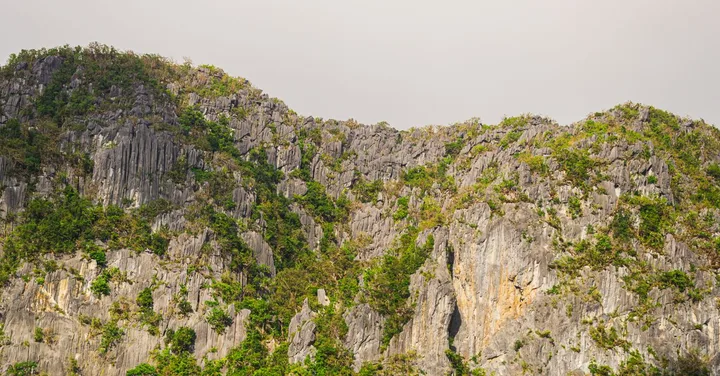
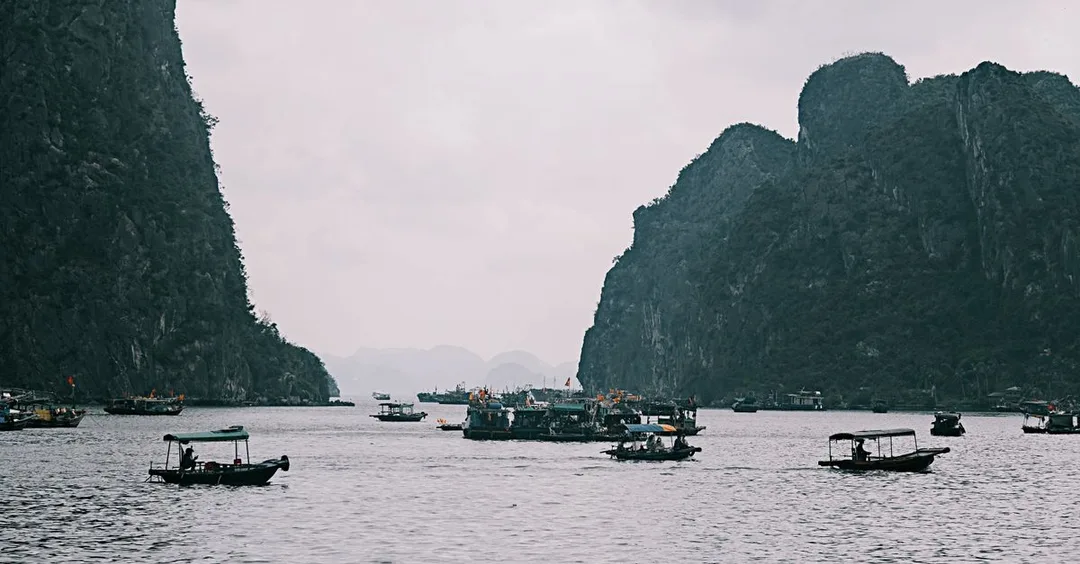
Vietnam is a long, narrow country with extraordinary geographic variety squeezed into one north-to-south stretch. In the north, you've got Ha Long Bay: thousands of limestone karsts rising from green water, best explored on a slow overnight cruise. Then there's Sapa, where terraced rice fields climb up foggy hillsides and ethnic minority villages dot the landscape. In the centre, Hoi An is all yellow lanterns and tailor shops and the kind of old-town energy that slows you down in the best way. Go south and the Mekong Delta opens up with floating markets and river life.
Wildlife in the conventional safari sense? Not Vietnam's strongest card. But Phong Nha-Ke Bang National Park near Da Nang has some of the largest cave systems on the planet, and Cat Tien National Park offers decent birding and gibbons if you're into that.
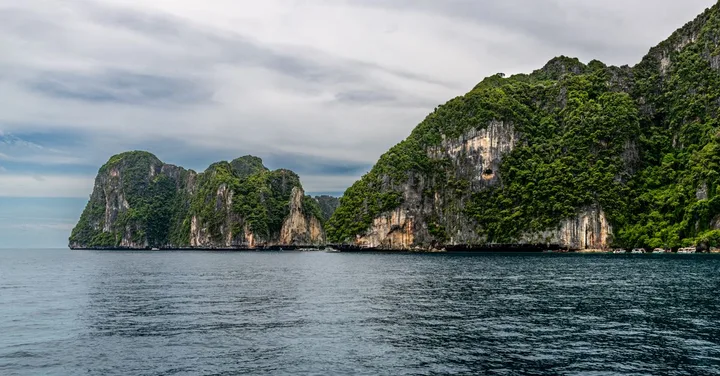
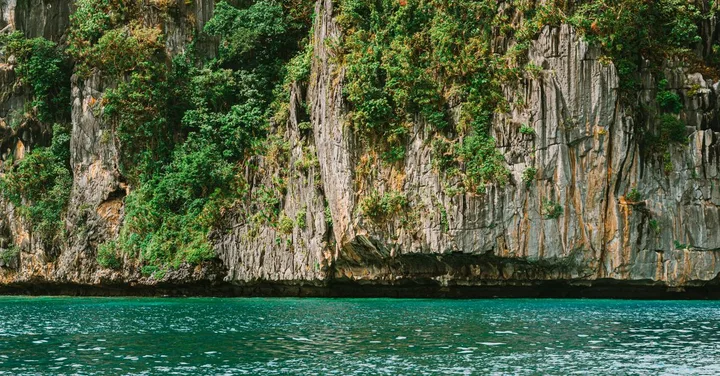
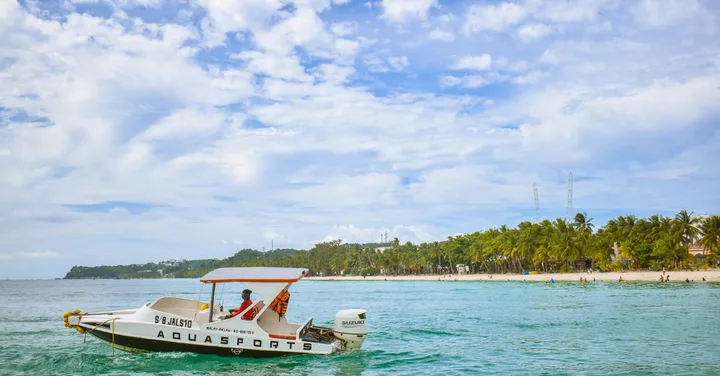
The Philippines is almost the opposite in structure. It's not one continuous landscape you move through; it's a choice of islands, each with its own character. Palawan is where you go for the jaw-dropping stuff: the Puerto Princesa Underground River, the turquoise shallows of El Nido, the dramatic limestone cliffs that drop straight into the sea. Cebu has Kawasan Falls and whale shark encounters off Oslob. Siargao is a laid-back surfer's island that has somehow become a full-on travel cliché, but still delivers. Bohol has the Chocolate Hills, a bizarrely perfect geological phenomenon that looks like someone rolled a thousand green mounds across the land.
Marine life in the Philippines is extraordinary. The Tubbataha Reef in Palawan is a UNESCO World Heritage site with coral diversity that rivals the Great Barrier Reef. If you dive or snorkel, this is your place.
Bottom line on landscape: Vietnam gives you a journey, a sense of moving through history and terrain. The Philippines gives you a destination, a place to slow down, float, and stare at the water.
Best Time: When to Choose Each
Getting the timing right makes a massive difference in Southeast Asia, where weather isn't just an inconvenience but can genuinely make or break your itinerary.
Vietnam is tricky because the country is so long that different regions have different seasons.
- North Vietnam (Hanoi, Ha Long, Sapa): October to April is ideal. June to August brings heat and crowds.
- Central Vietnam (Hoi An, Da Nang, Hue): February to April is the sweet spot. October and November see heavy rain and occasional flooding.
- South Vietnam (Ho Chi Minh City, Mekong): November to April is dry and relatively cool.
The good news: if you plan well, you can usually find a region that's in season whenever you travel. Vietnam Tourism has a useful breakdown of regional seasons by month if you want to go deeper.
Philippines has a cleaner answer. November to May is the dry season across most of the archipelago. June to October is typhoon season, and while not every day is dramatic, the risk is real and island-hopping can get disrupted badly. Palawan is slightly different, with its dry season running February to May.
For Indians who typically plan trips around Dussehra, Diwali, or the Christmas-New Year window, both destinations work well during those periods. Holi and summer holidays (April-May) also line up nicely with both, though it gets hot.
If you're travelling in August or September, Vietnam (specifically the south) is the better choice. The Philippines isn't worth the risk of disrupted flights and closed island routes during that window.
Experience for Indian Travellers: Accessibility, Crowds, Language
This matters more than most travel articles admit.
Vietnam is increasingly well set-up for Indian tourists. Visas are simple: apply online for an e-visa, pay around $25, and you're done. Most tourist areas have English-speaking guides and staff, though in local markets and smaller towns, you'll rely a lot on Google Translate and pointing. Vietnamese food is delicious but overwhelmingly non-vegetarian. If you're vegetarian, cities like Hoi An and Ho Chi Minh City have good options, but you'll need to plan ahead rather than just walking into any local joint. Street food is a highlight: banh mi, pho, fresh spring rolls, bun bo Hue. It's a food lover's country.
Philippines is arguably the most accessible Southeast Asian country for Indian travellers when it comes to language. English is genuinely the everyday language here, not just tourist-zone English. You can have a full conversation with your driver, your hotel staff, your boat captain, all in English without any awkwardness. Visa-on-arrival for Indians is 30 days, completely free. The catch? Getting there usually involves a stopover in Kuala Lumpur, Singapore, or Manila (if you're flying into a secondary island hub). That adds travel time and cost.
Filipino food is less celebrated than Vietnamese food internationally, but rice, grilled seafood, and fresh fruit are everywhere. Resort areas cater well to diverse dietary needs.
Indian crowd factor: Vietnam, especially Hanoi and Ha Long Bay, sees a fair number of Indian tour groups. The Philippines has a smaller Indian tourist footprint, which means you're less likely to feel like you're on a packaged group tour even if you're not.
For first-time international travellers or those who get nervous about language barriers, the Philippines wins on accessibility. For those who want a deeper cultural experience and are comfortable navigating a bit more independently, Vietnam is richer.
Cost Comparison in INR (Same Trip Duration, Apples-to-Apples)
Let's talk about a 10-night premium trip for two adults, with good hotels (4-5 star), private transfers, guided experiences, and flights from Delhi or Mumbai.
Vietnam (10 nights, premium)
- Return flights: INR 45,000 to 65,000 per person
- Hotels (Ha Long cruise + Hoi An boutique + Saigon 5-star): INR 60,000 to 1,00,000 per person
- Food, activities, guides, transport within Vietnam: INR 25,000 to 40,000 per person
- Total rough estimate: INR 1.3 to 2.1 lakh per person
Philippines (10 nights, premium)
- Return flights (with stopover): INR 55,000 to 85,000 per person
- Hotels (El Nido resort + Cebu 5-star): INR 70,000 to 1.2 lakh per person
- Island-hopping, boat transfers, activities: INR 30,000 to 50,000 per person
- Total rough estimate: INR 1.6 to 2.8 lakh per person
The Philippines tends to cost more primarily because of inter-island travel. Boats, small planes between islands, and remote resort pricing add up quickly. Vietnam's linear geography (you move by train, car, or domestic flight in one direction) makes it generally more budget-efficient at the premium end.
If budget is a real consideration, Vietnam gives you more experience per rupee spent.
Verdict: Which One Should You Book First?
Here it is, straight up.
Go to Vietnam first if:
- You love history, culture, and food as much as beaches
- You want a mix of experiences: cities, countryside, coast
- You're travelling with family or parents
- Budget matters and you want maximum variety per rupee
- You're travelling August to October (typhoon risk in Philippines)
Go to the Philippines first if:
- You're a diver, snorkeler, or serious beach person
- You want a relaxed, slow, island-holiday energy
- You're honeymooning and want sheer natural beauty over cultural immersion
- English accessibility is important to you
- You have 10-14 days and want to go deep in one region rather than wide
The honest truth: most Indian travellers who've done both say Vietnam felt like more of an experience and the Philippines felt like more of a holiday. Neither is better. They're just answering different questions.
If you're the kind of person reading a detailed comparison article, you probably want the richer experience first. That's Vietnam. Book it, love it, and leave the Philippines as the trip you look forward to next.
Our team at Safari Sutra Holidays has sent thousands of clients to both, and after 12 years and 15,000+ trips, we've found that the biggest difference between an average trip and a great one comes down to guide quality and getting the timing right within the country itself. These are details that look minor on paper but transform the actual experience. We get those details right, every time.
Frequently Asked Questions
Q: Do Indians need a visa for Vietnam and the Philippines?
For Vietnam, you apply for an e-visa online before your trip. It costs around $25, takes 3 to 5 working days, and is straightforward. For the Philippines, Indian passport holders get a visa-on-arrival for up to 30 days at no charge. Both are among the easier visa processes in Southeast Asia, which is a genuine advantage over some other destinations that require embassy visits or longer processing times.
Q: Which country has better beaches for Indian tourists?
The Philippines wins this one, no contest. El Nido in Palawan, White Beach in Boracay, and the beaches around Coron are among the finest in Asia. Vietnam has decent beaches at Da Nang and Phu Quoc, but if beaches are your primary reason for travelling, the Philippines is on another level. Check out Philippines Island Holiday Packages for a sense of what an island-focused trip can look like.
Q: Can vegetarians eat well in Vietnam and the Philippines?
Vietnam is harder for vegetarians than most guides admit. The cuisine is deeply built around pork and seafood, including broths and sauces that look vegetarian but aren't. That said, cities like Hoi An and Ho Chi Minh City have excellent vegetarian restaurants, and Buddhist vegetarian food is a real tradition in Vietnam. The Philippines, particularly resort areas, is generally more accommodating. Fresh fruit, rice dishes, grilled vegetables, and international resort menus mean you won't go hungry.
Q: Is Vietnam or the Philippines safer for solo Indian women travellers?
Both are considered safe for solo female travellers relative to global averages. Vietnam's tourist circuits are well-worn and generally very safe. The Philippines requires a bit more awareness in certain urban areas (Manila in particular), but resort towns like El Nido and Siargao are relaxed and traveller-friendly. In both countries, the general local attitude toward tourists is warm and helpful. Sensible precautions apply everywhere, but neither destination should raise alarm for a solo woman traveller.
Q: Which has better flight connectivity from India?
Vietnam has the edge here. IndiGo and Vietnam Airlines both operate direct or near-direct routes from Delhi and Ho Chi Minh City, and Hanoi connections are reasonably straightforward. The Philippines typically requires a stopover, most commonly in Kuala Lumpur, Singapore, or even Manila if you're heading to Palawan or Cebu directly. That extra transit adds 2 to 4 hours to your journey each way.
Q: How many days do I need for a proper trip to each?
For Vietnam, 10 to 12 days lets you cover two or three regions without feeling rushed. A classic itinerary might be Hanoi and Ha Long Bay (4 nights), then fly to Hoi An (3 nights), then Ho Chi Minh City (2 nights). For the Philippines, 8 to 10 days works well if you're focusing on one or two island groups. Trying to cover too many islands in a short time means spending a lot of your holiday on boats and small planes.
Q: What's the best time for an Indian to visit Vietnam vs the Philippines?
December to February is ideal for both. The weather is good across most of Vietnam and the Philippines is in full dry season. If you're planning around Diwali or Christmas, both destinations deliver. For summer holidays (April to May), Vietnam's south and the Philippines both work, though it gets hot. Avoid the Philippines from June to October due to typhoon risk.
Can't Decide? Talk to Safari Sutra
Honestly, some decisions are easier when someone who's actually been there helps you make them. We've sent clients to both Vietnam and the Philippines across every kind of trip: honeymoons, family holidays, solo adventures, group getaways. And we know that the right answer changes depending on you.
If you want a proper conversation about which one suits your travel style, your dates, and your budget, we're here for it. Contact Safari Sutra Holidays and we'll tell you exactly which one suits you better.

Safari Sutra Team
Travel curators with 13 years of experience planning Indian and international holidays — from safari adventures to island escapes.
View All Posts