You've got the leaves approved, the budget ready, and Southeast Asia is calling. Then comes the question that trips up everyone: Bali or Thailand? Both have beaches that make you forget your emails exist. Both have food that'll ruin you for anything back home. Both are accessible from India, easy on the wallet compared to Europe, and genuinely wonderful.
But they're not the same trip. Not even close.
This is a genuinely hard choice because it depends entirely on what you want from a holiday, and most comparison articles don't actually help you figure that out. So let's fix that.
At a Glance: Side-by-Side Comparison
Here's the quick snapshot before we get into the detail:
Bali
- Country: Indonesia (island destination)
- Visa for Indians: Visa on Arrival, USD 35, available at airport
- Flight time from India: ~5.5 hours from Mumbai, ~6 hours from Delhi (usually one stop via Singapore or Kuala Lumpur)
- Language: Bahasa Indonesia / Balinese (English fine in tourist areas)
- Currency: Indonesian Rupiah (IDR)
- Best for: Couples, honeymooners, yoga/wellness seekers, culture lovers, slow travellers
- Vibe: Spiritual, lush, intimate, unhurried
- Beach type: Dramatic surf beaches + calmer areas in Nusa Dua
Thailand
- Country: Thailand (multiple islands + mainland cities)
- Visa for Indians: Visa on Arrival (free as of recent policy) or e-Visa
- Flight time from India: ~3.5 hours from Mumbai or Delhi to Bangkok (many direct flights)
- Language: Thai (English widely spoken in tourist zones)
- Currency: Thai Baht (THB)
- Best for: Families, first-timers, nightlife lovers, street food obsessives, island hoppers
- Vibe: Buzzy, diverse, high-energy, incredibly traveller-friendly
- Beach type: Calm turquoise seas (Gulf of Thailand side), some surf (Andaman side)
The Tourism Authority of Thailand reports millions of Indian visitors annually, and Thailand regularly ranks as one of India's most popular outbound destinations. Bali is catching up fast, especially for honeymooners and the wellness crowd.
Wildlife and Landscape: What's Different
Bali and Thailand look nothing alike once you're actually there.
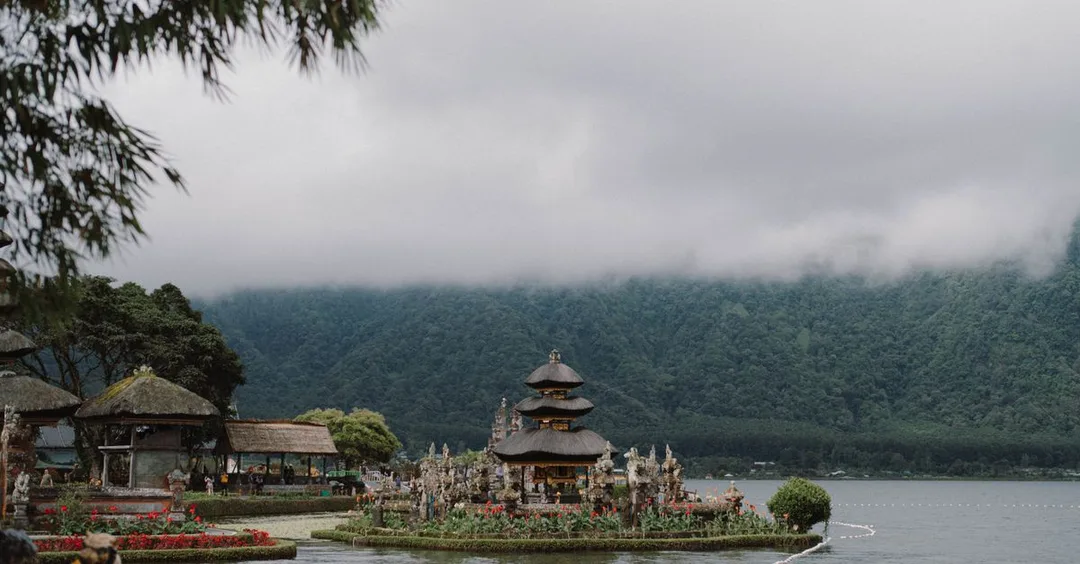
Bali is a small island that punches way above its weight geographically. You have active volcanoes (Mount Batur, where you can do a sunrise trek), terraced rice fields that glow green in the morning light, dense jungle, black sand beaches in the north, white sand in the south, and ancient Hindu temples perched on cliffs above crashing waves. The whole island smells faintly of incense. You'll hear the bells from temple ceremonies at odd hours of the day. It feels like a living, breathing spiritual ecosystem rather than just a beach destination.
Wildlife-wise, Bali is more about the sacred than the wild. The Ubud Monkey Forest is a genuine experience, not a zoo. The Sacred Elephant Park lets you observe elephants in better conditions than most places in the region. Snorkelling off Nusa Penida, you might spot manta rays if the conditions cooperate. Bali's biodiversity is in its rice paddies, coral reefs, and forests, not in big game.
Thailand gives you more geographic variety because it's a country, not an island. You can see limestone karsts rising out of emerald water in Krabi and Phang Nga Bay. You can visit elephant sanctuaries in Chiang Mai, where ethical wildlife tourism has come a long way over the past decade. The jungle in Northern Thailand is legitimately wild, with trekking routes that take you through hill tribe villages and dense forest.
Thailand's marine life is exceptional. The waters around Koh Tao and the Similan Islands are some of the best diving in Southeast Asia. If you're into underwater world, this is where it gets serious.
The Bali Tourism Board has invested heavily in eco-tourism infrastructure, so getting into Bali's natural areas has never been easier or more responsibly managed.
Best Time: When to Choose Each
Bali has two clear seasons: dry (April to October) and wet (November to March). The sweet spot is May to September, when skies are clear, humidity is manageable, and everywhere looks its best. Ubud stays green year-round since the rice fields need rain, but beach areas like Seminyak and Canggu are genuinely pleasant only in the dry months.
December and January bring rain but also fewer tourists if you don't mind the occasional downpour. Avoid Bali during Nyepi (the Balinese Day of Silence), which falls in March, unless you're genuinely curious about staying inside your villa for 24 hours while the island goes completely quiet.
Thailand divides by region, and this is where Indians often get confused. Bangkok and Northern Thailand (Chiang Mai) are best from November to February. Cool, dry, manageable. March onwards gets hot and hazy. April to May is peak heat, temperatures crossing 40°C in Bangkok.
The islands split further: the Gulf of Thailand side (Koh Samui, Koh Phangan, Koh Tao) gets hit by a different monsoon than the Andaman side (Krabi, Phuket, Koh Lanta). The Gulf side is best from December to March. The Andaman side is best from November to April. This matters a lot if you're planning an island-specific trip.
For Indians travelling during school holidays (May, October, December), both destinations require advance planning. Thailand in December is absolutely packed around Phuket and the islands, and prices spike hard.
Experience for Indian Travellers: Accessibility, Crowds, Language
Let's talk practical because this is where it really counts.
Flights: Thailand wins on connectivity. Direct flights from Mumbai, Delhi, Chennai, Bengaluru, and Kolkata to Bangkok (Suvarnabhumi) are available daily, often at reasonable prices. Bali requires a connection, usually through Singapore (SIA), Kuala Lumpur (AirAsia or Malaysia Airlines), or Kuala Lumpur (Batik Air). That extra stop adds travel time and can add cost.
Language: Both are easy enough. English works in tourist areas of both destinations. In Thailand, even taxi drivers in Bangkok manage basic communication. In Bali, most restaurant and hotel staff in tourist zones speak conversational English, though once you venture into smaller villages, Bahasa helps.
Indian food: Thailand has a significant Indian community and Indian restaurants are easy to find in Bangkok, Chiang Mai, and Phuket. Bali has fewer Indian restaurants, though vegetarian options are genuinely abundant because Balinese Hindu culture aligns somewhat with Indian dietary sensibilities. Tofu, tempeh, rice, vegetable dishes, all good. But if you can't travel without a proper dal chawal once in four days, Thailand makes that easier.
Crowds: Both get crowded, but in different ways. Bali's crowds concentrate around Kuta, Seminyak, and Ubud. Move even slightly off that circuit and it gets dramatically quieter. Thailand's popular spots (Patong Beach, the Grand Palace, Phi Phi Islands) are genuinely heaving in peak season. But again, Thailand is big enough that you can find quieter corners easily.
Families with kids: Thailand tends to work better for family groups because of the variety of experiences, easier logistics, and the sheer number of kid-friendly activities. Bali is wonderful for families too, but works best when parents want a slower pace.
If you're working with a travel company to plan this, the difference between a stressful trip and a smooth one often comes down to how well the itinerary is built around your travel style. At Safari Sutra Holidays, after 12 years and 15,000+ trips, we've found the biggest difference between an average trip and a great one is in the details: the right timing, the right properties, the right guide or driver, and someone to call if things go sideways. We get those details right for every client.
Cost Comparison in INR (same trip duration, apples-to-apples)
Let's compare a 7-night trip for two adults, mid-range style (comfortable 4-star hotels, daily breakfast, airport transfers, a few activities, not budget backpacker mode but not ultra-luxury either).
Bali, 7 nights (Couple, Mid-range)
- Flights (Mumbai to Bali, return, with one stop): INR 35,000 to 55,000 per person
- Accommodation (4-star resort or boutique villa): INR 4,000 to 8,000 per night
- Food: INR 1,500 to 2,500 per person per day
- Activities (temple tours, rice field walks, Kecak dance, water sports): INR 10,000 to 20,000 total
- Visa on Arrival: USD 35 per person (approx INR 2,900)
- Rough total for two: INR 1,60,000 to 2,30,000
Thailand, 7 nights (Couple, Mid-range)
- Flights (Mumbai to Bangkok, return, often direct): INR 25,000 to 40,000 per person
- Accommodation (4-star hotel in Bangkok + 3 nights island resort): INR 5,000 to 10,000 per night
- Food: INR 1,200 to 2,000 per person per day (street food is extraordinary value)
- Activities (temples, island day trips, cooking class, elephant sanctuary): INR 15,000 to 25,000 total
- Visa: Free on arrival (as per current policy, confirm before travel)
- Rough total for two: INR 1,40,000 to 2,10,000
Thailand comes out slightly cheaper overall, largely because direct flights from India cost less. Bali tends to feel more indulgent for the same money because villa-style accommodation is so widely available at reasonable price points. A private pool villa in Ubud that would cost INR 8,000 a night would be significantly more expensive in Koh Samui or Phuket.
You can check out our Bali Holiday Packages for a clearer sense of what different budget levels actually look like on the ground.
Verdict: Which One Should You Book First?
Here's the honest answer.
Choose Bali if:
- You're honeymooning or celebrating something special and want a romantic, slower-paced trip
- You're drawn to spirituality, wellness, yoga, or simply want to exhale properly
- You're interested in culture, temples, and local ritual in a way that goes beyond sightseeing
- You want a private villa with a pool without breaking the budget
- You're happy to be on one island and go deep rather than cover a lot of ground
Choose Thailand if:
- You're travelling with family, including elderly parents or young kids
- This is your first trip to Southeast Asia and you want maximum variety
- You want the best street food experience of your life (Bangkok's markets are something else)
- You want city energy (Bangkok), beach time, and cultural history all in one trip
- Direct flights and shorter travel time matter to you
- You want easily accessible nightlife or the full Thai islands experience
If someone put a gun to our heads, Thailand for a first Southeast Asia trip, Bali for a second. Thailand shows you the range. Bali shows you the soul.
But honestly? Both deserve your time. Many of our clients at Safari Sutra Holidays end up doing both within a couple of years, and they never regret either. You can also Plan Your Trip with Safari Sutra and get a proper recommendation based on your specific travel dates, group, and what matters most to you.
Frequently Asked Questions
Q: Is Bali or Thailand safer for Indian tourists?
Both are very safe for tourists by general international standards. You'll encounter petty scams in both destinations, particularly around transport and tourist attractions. The key in both places is using pre-booked, reputable transport rather than random taxis, especially on your first day. Bali has a lower population density in most tourist areas, which can feel calmer. Thailand's busy cities like Bangkok have the usual urban considerations. Solo women travellers generally report feeling comfortable in both, though exercising standard precautions applies anywhere.
Q: Which destination is better for a honeymoon?
Bali has a slight edge for honeymooners. The combination of private pool villas at accessible prices, intimate beach towns like Seminyak and Sanur, the lush visual beauty of Ubud, and the generally romantic atmosphere makes it India's go-to honeymoon pick in Southeast Asia. That said, Thailand's quieter islands like Koh Yao Noi or the northern Andaman coast can be just as romantic if you do your research and avoid the party-island circuit.
Q: Do Indian vegetarians eat well in Bali and Thailand?
Yes in both, but for different reasons. Bali, given its Hindu cultural roots, is quite vegetarian-friendly. Rice, vegetables, tofu, tempeh, and legumes form a significant part of Balinese cuisine. Thailand's food culture is heavily meat and seafood based, but vegetarian options are easy to find in cities, and Thai cuisine adapts well. Bangkok's vegetarian and vegan restaurant scene is actually excellent. You'll manage comfortably in both destinations, though pure vegans will find Bali slightly more aligned with their lifestyle.
Q: Which is better for families with kids?
Thailand generally works better for families with varied ages and interests. The mix of Bangkok's attractions (temples, markets, kids-friendly museums), the ease of getting around, the variety of island options, and the abundance of activities make it easier to keep everyone happy. Bali is wonderful for families who want a relaxed, resort-based holiday, especially if the kids are young enough to enjoy pools, beach time, and cooking classes. But the single-destination nature of Bali can feel limiting for families wanting more variety.
Q: What's the visa situation for Indians right now?
For Bali (Indonesia): Visa on Arrival is available at Ngurah Rai International Airport. As of the most recent policy, it costs USD 35 and is valid for 30 days. Always verify the current fee and conditions before travel since policies can update.
For Thailand: Indians have been eligible for Visa on Arrival at no charge under a recent tourism initiative, but this can change. The e-Visa option is also available for advance processing. Check the Thai embassy or Tourism Authority of Thailand website for the latest status before booking.
Q: How many days do you need for each destination?
For Bali, a minimum of 7 nights is ideal. Five days feels rushed. Ten days is perfect if you want to include Ubud, a beach area like Seminyak or Nusa Dua, and a day trip to Nusa Penida.
For Thailand, it depends on whether you're doing Bangkok plus beaches or just one region. A Bangkok and Chiang Mai trip works well in 6 to 7 nights. A Bangkok plus islands trip ideally needs 9 to 10 nights to feel unhurried. If you're only doing one island, 7 nights is comfortable.
Q: Can I combine Bali and Thailand in one trip?
Technically yes, but practically it can feel disjointed. The two countries aren't particularly close to each other and combining them means extra flight time in the middle of your holiday. A better approach is to give one destination the full trip and save the other for a future holiday. If you really want to combine Southeast Asia experiences, Thailand plus Cambodia (Siem Reap for Angkor Wat) or Thailand plus Vietnam flows more logically geographically.
Can't Decide? Talk to Safari Sutra
Both Bali and Thailand are genuinely brilliant choices, and the right answer depends on who's travelling, when, and what lights you up. We've sent clients to both, hundreds of times over, and we know exactly when each destination delivers and when it disappoints.
We've sent clients to both. Contact Safari Sutra Holidays and we'll tell you which one suits you better.

Safari Sutra Team
Travel curators with 13 years of experience planning Indian and international holidays — from safari adventures to island escapes.
View All Posts