You land in Hanoi just after dawn. The air smells like pho broth and two-stroke engines. A street vendor is already ladling soup into ceramic bowls by the roadside, and somewhere behind the French colonial facades of the Old Quarter, a temple bell rings out across the rooftops. You haven't even checked in yet, and Vietnam has already got you.
That's the thing about this country. It doesn't ease you in slowly. It grabs you by the collar from the very first hour and keeps surprising you for the rest of the week.
This 7-day Vietnam itinerary is built specifically for Indian travellers flying in 2026, covering Hanoi, Ha Long Bay, and Ho Chi Minh City with the kind of detail that actually helps you plan: real costs in INR, honest visa advice, and the practical stuff travel blogs usually skim over. If you've been sitting on the fence about Vietnam, this is the post that'll settle it.
Your Trip at a Glance
- Day 1: Arrive Hanoi, explore the Old Quarter on foot
- Day 2: Full day Ha Long Bay cruise, overnight on the bay
- Day 3: Morning kayaking on Ha Long Bay, return to Hanoi, fly to Da Nang
- Day 4: Hoi An Ancient Town, cycling through rice paddies, lantern evening
- Day 5: Fly to Ho Chi Minh City (Saigon), Ben Thanh Market, rooftop dinner
- Day 6: Cu Chi Tunnels in the morning, Mekong Delta in the afternoon
- Day 7: Saigon street food breakfast, last-minute shopping, fly home
Day-by-Day Breakdown
Day 1-2: Hanoi and Ha Long Bay
Your first afternoon in Hanoi is best spent doing nothing planned. Drop your bags at the hotel and just walk the 36 Streets of the Old Quarter. Each lane is still named after what it once sold: silk, paper, tin, bamboo. Today they sell a mix of all of the above plus tourist magnets and strong Vietnamese coffee that hits like a freight train. Have your first ca phe trung (egg coffee) at a place with plastic stools and no English menu. That's where the good stuff is.
For dinner, sit at Cha Ca La Vong or any of its imitators along the same lane and order the turmeric fish with rice noodles, dill, and fermented shrimp paste. It sounds like an odd combination. It's genuinely one of the best things you'll eat in Southeast Asia. Stay the first night at a boutique hotel in the Old Quarter. Hanoi has several excellent properties in the four-star range that cost far less than their Indian equivalent.
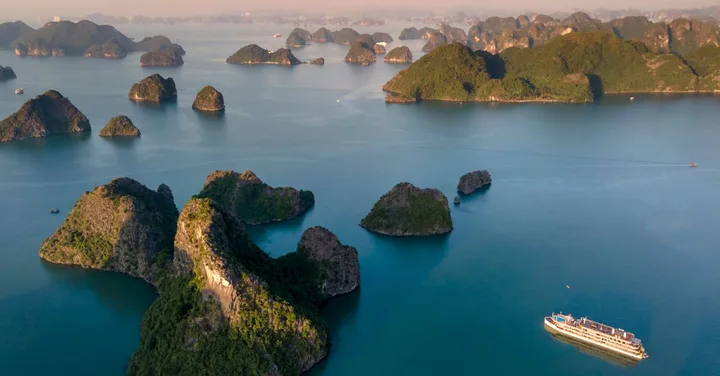
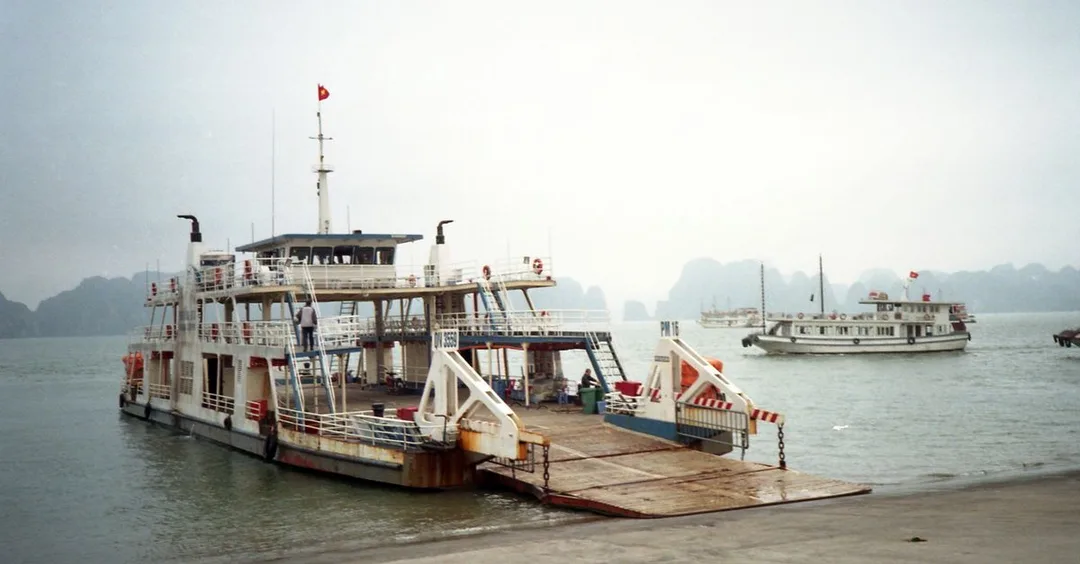
Day 2 is Ha Long Bay, and yes, it deserves the hype. You board a traditional wooden junk boat from Tuan Chau Harbour, and within two hours you're surrounded by 1,600 limestone karsts rising straight out of emerald water. Opt for a two-day, one-night cruise rather than a day trip. The bay at dusk, with the mist rolling in and the other boats anchoring for the night, is something you won't find in any brochure photo because no camera quite captures how quiet it actually feels. Dinner is served onboard with fresh seafood caught that day. Sleep to the sound of the water lapping against the hull.
Day 3: Ha Long to Da Nang
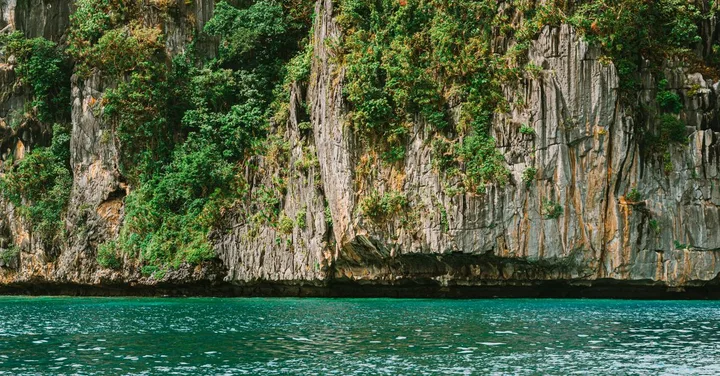
You wake up early on the bay for morning kayaking through Luon Cave, where the limestone walls close in above you and the only sound is your paddle cutting through still water. After breakfast back on the boat, you sail to port and head back toward Hanoi by road.
From Hanoi's Noi Bai Airport, you catch a domestic flight to Da Nang. Vietnam Airlines and Vietjet both run this route frequently, and it takes about 1 hour 15 minutes. Da Nang is your base, but the real destination is Hoi An, 30 kilometres south. Check into your Da Nang or Hoi An hotel in the late afternoon. Many travellers prefer staying in Hoi An itself because the old town atmosphere carries into the evenings in the best possible way.
Day 4: Hoi An Ancient Town
Hoi An at 7am, before the tour groups arrive, is as close to a time-travel experience as you'll find in modern Southeast Asia. The UNESCO-listed old town is a jumble of Japanese merchant houses, Chinese assembly halls, and colonial French shopfronts, all held together by narrow lanes and a river that reflects everything in the golden morning light.
Rent a bicycle and cycle out to the paddy fields about 3 kilometres from the old town. The path runs alongside irrigation canals and through small farming villages where people actually live and work, not tourist reconstructions. Come back to town by noon for a cooking class or just hunt down a bowl of cao lau, a noodle dish made with water drawn specifically from a local well and ash-soaked noodles. It's not exported. You can only eat it here.
The evening in Hoi An is the evening. The lantern-lit streets along the Thu Bon River are genuinely atmospheric, not kitschy. Buy a small floating lantern, set it on the water, and watch it drift away with a few hundred others. It's the kind of simple moment that stays with you longer than any guided tour.
Day 5: Ho Chi Minh City (Saigon)
Your morning flight from Da Nang lands you in Ho Chi Minh City by lunchtime. Saigon hits different from Hanoi. It's faster, louder, more chaotic, and somehow even more energetic. The streets are wider but the motorbike volume is extraordinary. Crossing the road in District 1 is its own adventure, and once you figure out the rhythm of walking slowly and steadily through the traffic, you'll feel genuinely proud of yourself.
Spend the afternoon at Ben Thanh Market for a wander, but don't buy anything there just yet. The real shopping is in the surrounding streets. In the evening, head up to one of the rooftop bars in District 1 for a beer and a view of the city lights. Chill Saigon and The View Rooftop Bar are both good options at different price points. Dinner is banh mi from a street stall or sit-down pho at Pho Hoa Pasteur, open since 1960 and still doing it right.
Day 6: Cu Chi Tunnels and Mekong Delta
This is your most historically significant day, and also one of the most physically interesting. The Cu Chi Tunnels, about 70 kilometres from the city, are the underground network that Vietnamese resistance fighters lived and fought in during the war. You'll crawl through a section of tunnel in the dark, eat cassava root the way fighters ate it decades ago, and come away with a much more grounded understanding of Vietnamese history than any documentary provides.
In the afternoon, head south toward the Mekong Delta for a few hours on the water. A local boat takes you through narrow waterways lined with coconut palms, stopping at a honey farm, a workshop where coconut candy is made by hand, and a small orchard where you can eat rambutan and dragon fruit straight off the tree. It's a mellower experience after the morning, and a good reminder that Vietnam's countryside moves at a completely different speed from its cities.
Day 7: Saigon Farewell
This is a short morning before your flight. Use it for a proper street food breakfast: banh mi op la (a baguette with fried egg and pate) from a cart, followed by a slow ca phe sua da (iced milk coffee) somewhere with a pavement view. If your flight is in the evening, squeeze in a visit to the War Remnants Museum, which is confronting but necessary context for everything you've seen over the week.
Check out, do your last-minute shopping at Tan Dinh Market for lacquerware and silk, and head to Tan Son Nhat Airport for your flight home, usually with a connection through a Gulf hub or Singapore.
What's Included and What's Not
Typically included in a Vietnam tour package from India:
- Return international flights (economy class) from Mumbai, Delhi, or Bangalore
- All domestic flights within Vietnam (Hanoi to Da Nang, Da Nang to Ho Chi Minh City)
- Hotel accommodation (4-star, double occupancy, breakfast included)
- Ha Long Bay overnight cruise with meals
- All airport and intercity transfers
- Guided tours for Ha Long Bay, Hoi An, Cu Chi Tunnels, and Mekong Delta
- Vietnam e-visa processing support
- English-speaking local guides throughout
Not included:
- Lunches and dinners unless specified (budget 200,000 to 400,000 VND per meal at good local restaurants)
- Personal shopping and tips for guides and drivers
- Travel insurance (strongly recommended, and available separately)
- Any optional upgrades: business class flights, premium cruise cabins, spa treatments
- Expenses incurred due to flight delays or personal decisions
Being upfront about inclusions is something we take seriously at Safari Sutra Holidays. After 12 years and 15,000+ trips planned for Indian travellers, we've seen too many people return disappointed not because the trip was bad but because they had unclear expectations about what was actually covered. The difference between a stressful trip and a great one often comes down to exactly this kind of honest briefing before you fly.
Total Cost in INR
Here's a realistic cost breakdown for a 7-night Vietnam trip for 2 adults from India in 2026:
Component Estimated Cost (per couple) Return international flights (economy) Rs. 60,000 to Rs. 90,000 Domestic flights within Vietnam (2 sectors) Rs. 8,000 to Rs. 14,000 Hotels (6 nights, 4-star, breakfast included) Rs. 45,000 to Rs. 70,000 Ha Long Bay overnight cruise Rs. 18,000 to Rs. 30,000 Tours, guides, and transfers Rs. 20,000 to Rs. 30,000 Vietnam e-visa (2 adults) Rs. 3,500 to Rs. 5,000 Meals not included + personal expenses Rs. 15,000 to Rs. 25,000 Total (estimated) Rs. 1,70,000 to Rs. 2,65,000The range is real, not vague. Lower end assumes budget airline fares booked early, mid-tier cruise cabins, and mostly street food. Upper end reflects early booking of better international carriers, standard cruise with private cabins, and a couple of restaurant dinners. Travel insurance adds another Rs. 3,000 to Rs. 6,000 per couple and is worth every rupee.
For a complete breakdown tailored to your travel dates and preferences, check out the Vietnam Tour Packages page where we've listed current pricing options for 2026.
Tips for Making the Most of Every Day
Travel between October and April. This is when northern and central Vietnam are at their best: cooler, drier, and far more comfortable than the monsoon months. Ho Chi Minh City is more forgiving year-round, but Ha Long Bay in heavy rain loses much of its appeal. According to Vietnam Tourism, November through January is peak season for a reason.
Book your Ha Long Bay cruise early. The best boats fill up fast, especially over Indian holiday windows like Diwali, Christmas, and New Year. Aim to lock in your cruise at least 2 to 3 months in advance.
Carry USD or get VND locally. ATMs in Vietnam dispense dong (VND) and work reliably with Indian debit and credit cards. USD is widely accepted at hotels and larger shops. Avoid exchanging at the airport; rates inside the city are better.
Wear comfortable shoes. Hanoi and Hoi An both involve a lot of walking on uneven stone surfaces. That one pair of stylish sandals will last about half a day before your feet stage a protest.
Don't skip the coffee culture. Vietnam is one of the world's largest coffee producers, and the coffee ritual here is serious business. Try it iced, try it with egg, try it with coconut. Just try it.
Get a local SIM at the airport. Viettel and Mobifone both offer data SIM cards at Vietnamese airports for under Rs. 500 worth of dong. Having local data changes everything, from navigation to translation to calling your hotel.
Frequently Asked Questions
Q: Do Indian citizens need a visa for Vietnam in 2026?
Yes, Indian passport holders need a visa to enter Vietnam. The good news is that the e-visa process is straightforward and costs around USD 25 per person. You apply online, upload your passport and photo, and receive the e-visa by email within 3 business days. Vietnam also offers visa on arrival, but the e-visa is simpler. For the latest information, the Vietnam Tourism website has current entry requirements. Safari Sutra Holidays handles e-visa documentation as part of the package.
Q: Is 7 days enough for Vietnam?
Seven days gives you a genuinely solid trip if you stick to three destinations as outlined above. You won't see the whole country, but you'll experience the north, centre, and south properly rather than rushing through five cities and barely touching any of them. If you can extend to 10 days, add Ninh Binh before Ha Long Bay or spend an extra day in Hoi An. Both are worth it.
Q: When is the best time to visit Vietnam from India?
October through April is the sweet spot for this itinerary. November to January is ideal for Hanoi and Ha Long Bay, which get cool and clear. Hoi An is best from February to April. Ho Chi Minh City is warm year-round. Avoid the June to September window for northern and central Vietnam if you can, as typhoon season affects Ha Long Bay and Da Nang specifically.
Q: Which Indian cities have direct or convenient flight connections to Hanoi?
There are no direct flights from India to Hanoi currently. The most common connections are through Bangkok, Singapore, Doha, or Dubai. From Mumbai and Delhi, the total journey including transit is typically 6 to 9 hours depending on the layover. IndiGo has operated Hanoi routes via connecting points; check current schedules for 2026 as airline routes do change.
Q: Is Vietnam a good destination for families with children?
Absolutely. Vietnam is one of the most family-friendly destinations in Asia. Ha Long Bay cruises have activities suited to all ages, Hoi An is easy to navigate with kids, and Vietnamese food is generally mild enough for younger palates. Cu Chi Tunnels are best for children aged 8 and above. The overall safety level and hospitality toward families is genuinely high.
Q: How much spending money should I carry for 7 days?
Plan for roughly Rs. 2,000 to Rs. 3,500 per person per day for meals, tips, and incidentals if your tour package covers accommodation and major activities. Street food is incredibly affordable: a full bowl of pho costs about Rs. 70 to Rs. 100 in local terms. Shopping for silk, lacquerware, and coffee can add up, so set aside a separate budget if you're a shopper.
Q: Is Vietnam safe for Indian solo travellers and couples?
Vietnam is one of the safer destinations in Southeast Asia for Indian travellers. Petty theft in busy tourist areas is the main thing to watch, specifically motorbike bag-snatching in Saigon. Keep your bag on the side away from the road, don't walk with your phone out in crowded streets, and you'll be completely fine. The country has a strong tourism infrastructure and locals are generally warm and helpful toward Indian visitors.
Book This Itinerary with Safari Sutra
Vietnam in 2026 is genuinely worth prioritising. The food alone justifies the trip. Add Ha Long Bay, the lanterns of Hoi An, and the sheer energy of Saigon, and you've got a week that delivers on every level: culture, history, flavour, and scenery that doesn't look like anywhere else on earth.
Safari Sutra Holidays has been planning trips like this for Indian travellers for over 12 years. We know which Ha Long Bay cruises are worth the extra spend, which Hoi An guesthouses have the best courtyards, and exactly how much time you need at Cu Chi before it feels rushed. It's the kind of knowledge that only comes from sending 15,000+ real travellers out into the world and actually listening to what they come back saying.
This exact itinerary is bookable. Contact Safari Sutra Holidays to get your custom quote for 2026, with flights, hotels, and experiences matched to your travel dates and budget. No pressure, just good planning.

Safari Sutra Team
Travel curators with 13 years of experience planning Indian and international holidays — from safari adventures to island escapes.
View All Posts