You land at Tokyo's Narita Airport on a crisp Tuesday morning. The immigration queue moves fast, the signage is flawless, and by the time you're on the Narita Express into the city, you're already watching the Japanese countryside blur past the window. Rice fields. Vending machines at empty stations. A salaryman asleep upright with perfect posture. Within an hour, you're standing in Shinjuku, surrounded by 10 lanes of neon, the smell of yakitori drifting from somewhere below street level, and you realise Japan is nothing like anything you've read about it. It's sharper, quieter, stranger, and more beautiful than expected. That disorientation? It's the best part.
This is a 10-day Japan tour from India designed for 2026, built for Indian travellers who want the real thing: Kyoto temples at dawn before the crowds, bullet trains between cities, kaiseki dinners, and yes, the robot restaurants and deer parks too. We've broken it all down: the day-by-day plan, what it costs in INR, visa steps, and everything you need to know before you book.
Your Trip at a Glance
- Day 1-2: Arrive Tokyo, Shinjuku and Shibuya exploration, Tsukiji Outer Market breakfast
- Day 3: Day trip to Nikko, UNESCO shrines and waterfalls
- Day 4: Hakone, Mt. Fuji views, ryokan stay with onsen
- Day 5: Shinkansen to Kyoto, Fushimi Inari, Gion evening walk
- Day 6: Kyoto temples: Kinkaku-ji, Arashiyama bamboo grove, tea ceremony
- Day 7: Nara day trip (deer park, Todai-ji), back to Kyoto
- Day 8: Travel to Osaka, Dotonbori food crawl, Osaka Castle
- Day 9: Free day in Osaka: shopping, street food, optional day trip to Hiroshima
- Day 10: Fly home from Osaka (Kansai Airport)
Day-by-Day Breakdown
Day 1-2: Tokyo Arrival and City Orientation
You'll fly from Delhi or Mumbai to Tokyo Narita or Haneda, with most connections going via Singapore, Bangkok, or Dubai. Flight time is roughly 8-9 hours from Mumbai. Budget a full first day for recovery and exploration, because Tokyo rewards wandering.
Start at Tsukiji Outer Market for breakfast: fresh tamagoyaki (rolled egg omelette), scallop skewers, and tuna sashimi so fresh it barely needs soy sauce. Then head to Hamarikyu Gardens to decompress, followed by an afternoon in Akihabara if electronics and anime are your thing, or Yanaka if you prefer older, quieter Tokyo. On Day 2, do Shinjuku in the morning and Shibuya in the evening. Time the Shibuya Crossing at 6pm when the crowd hits its peak. It's organised chaos, and it's completely hypnotic.
Stay in Shinjuku for these two nights. Hotels like the Keio Plaza, Hyatt Regency Tokyo, or Park Hyatt (yes, the Lost in Translation one) are solid choices depending on your budget. Japanese hotel service is extraordinary, even at mid-range properties. Dinner on Day 2: find a ramen spot on Memory Lane (Omoide Yokocho), a narrow alley of tiny restaurants where the smoke hangs low and the broth has been simmering for years. You'll remember it for a long time.
Day 3: Nikko Day Trip from Tokyo
About 2 hours from Tokyo by train, Nikko is one of those places that resets your idea of what a temple complex can be. The Tosho-gu Shrine is overwhelmingly ornate, gold-lacquered, and set against Japanese cedar forest so tall it blocks out the sun. Go in the morning before the tour buses arrive.
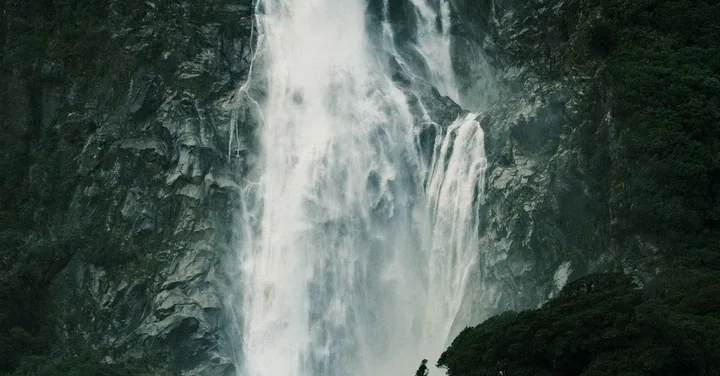
On the way back, stop at Kegon Falls, one of Japan's three great waterfalls, especially dramatic if you visit in autumn (November) or spring (April-May). Nikko is best as a day trip; you won't need to stay overnight unless you want to slow down and explore Lake Chuzenji. Back in Tokyo by evening, rest up for the Hakone leg tomorrow.
Day 4: Hakone and a Ryokan Night
Hakone is where you first understand why Japanese people revere Mt. Fuji the way they do. On a clear day, the mountain appears above Lake Ashi like something from a painting, perfectly symmetrical, reflected in the still water. Take the ropeway over the Owakudani volcanic valley: you'll smell sulphur, see steam venting from the earth, and eat a black egg (hard-boiled in volcanic hot springs, local belief says it adds 7 years to your life).
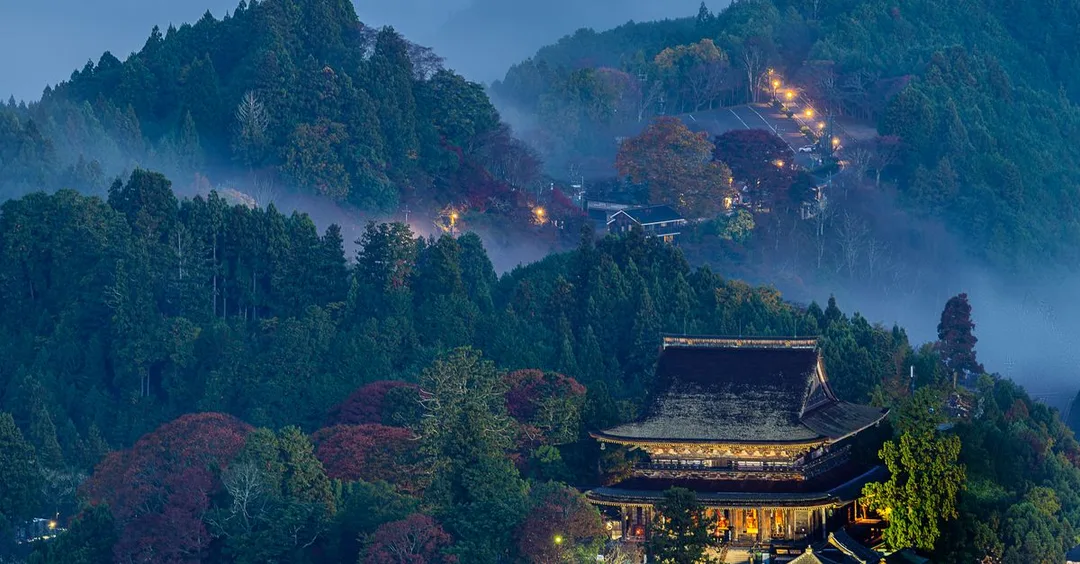
Tonight, stay at a traditional ryokan. These are Japanese inns where you sleep on futons on tatami floors, wear yukata robes, and eat a multi-course kaiseki dinner in your room or a private dining area. The onsen (natural hot spring bath) is the real highlight: soak in mineral-rich water with views of the forest at dusk. This is the most distinctively Japanese night of the trip, and it's worth paying extra for a good ryokan. Prices range from INR 12,000 to INR 30,000 per night per person for a mid-to-good ryokan including dinner and breakfast.
Day 5: Shinkansen to Kyoto, Fushimi Inari and Gion
Board the Tokaido Shinkansen from Odawara or Mishima toward Kyoto. If the day is clear, you'll get a jaw-dropping view of Mt. Fuji from the left side of the train around Shin-Fuji Station. The bullet train itself is an experience: spotlessly clean, perfectly on time (and we mean perfectly, within 20 seconds), and moving at 285 km/h so smoothly you can balance a yen coin on its edge.
Arrive in Kyoto by early afternoon. Drop your bags at the hotel and go straight to Fushimi Inari. The thousands of vermilion torii gates that wind up the mountain are one of Japan's most photographed sights, but most tourists only walk the first 20 minutes. Go all the way to the top (about 2 hours round trip) and the crowds disappear, the cedar forest closes in, and the whole thing feels genuinely meditative. Come back down as the light fades and the gates glow orange.
Dinner in Gion, Kyoto's traditional geisha district. The streets are narrow stone lanes lined with wooden machiya townhouses, paper lanterns lit, the occasional sound of a shamisen from behind a sliding door. You might glimpse a maiko (apprentice geisha) hurrying to an appointment. Eat at a tofu kaiseki restaurant: delicate, seasonal, beautiful. Book in advance.
Day 6: Kyoto Temples, Arashiyama and a Tea Ceremony
Get to Kinkaku-ji (the Golden Pavilion) at opening time, 9am. The temple is genuinely that golden: three floors of gold leaf reflected in the pond in front of it. The surrounding garden is pristine. After 10am, the selfie traffic gets heavy, so go early.
From there, head to Arashiyama on the western edge of the city. Walk through the bamboo grove (it's narrower than it looks in photos, but the sound of wind through bamboo is worth it), cross the Togetsukyo Bridge over the Oi River, and visit Tenryu-ji, a Zen temple with a garden that has looked essentially the same since 1345. In the afternoon, do a traditional tea ceremony, either at a community space or a formal tea house. You'll learn the precise choreography of preparing and drinking matcha, and the whole thing takes about an hour. It's slower than you expect and more calming than you'd think.
Day 7: Nara Day Trip
Nara is 45 minutes from Kyoto by train and is home to about 1,200 free-roaming deer who wander the park, the temple grounds, and directly into your personal space. They're not shy. They'll bow for deer crackers (sold everywhere for about 150 yen), and then headbutt you if you don't produce them fast enough. It's extremely charming.
Todai-ji Temple houses Japan's largest bronze Buddha, 15 metres tall, sitting in the world's largest wooden structure. The scale of it genuinely surprises you. Spend the morning here, grab a late lunch of Nara's famous kakinoha-zushi (persimmon leaf sushi), and head back to Kyoto by 4pm. Your last evening in Kyoto: wander Nishiki Market (the "kitchen of Kyoto"), pick up snacks, pickles, and take-away skewers of grilled mochi, and find a quiet bar for sake.
Day 8: Osaka Arrival and Dotonbori Food Crawl
Osaka is 15 minutes from Kyoto on the Shinkansen or 75 minutes on the local Hankyu line. The city's entire identity is built around food, and it delivers. Check into your hotel in Namba or Shinsaibashi, then walk straight to Dotonbori. This is where you eat: takoyaki (octopus balls) fresh off the iron, kushikatsu (deep-fried skewers dipped in sauce, never double-dip or they'll politely ask you to leave), crab, ramen, and Osaka's famous okonomiyaki (savoury pancake loaded with cabbage, pork, and mayo).
Visit Osaka Castle in the afternoon. The castle itself is a reconstruction, but the park around it is beautiful and the city views from the top floor are surprisingly good. Evenings in Osaka are loud, bright, and full of energy in a way that's different from Tokyo's cool precision. If you're not exhausted by Day 8, this city will keep you up till midnight.
Day 9: Free Day and Optional Hiroshima
Use Day 9 as your flex day. Osaka's shopping (Shinsaibashi covered arcade, American Village for streetwear, Nipponbashi for electronics) can easily eat up a full morning. Or take the Shinkansen to Hiroshima (about 1.5 hours), visit the Peace Memorial Museum and the A-Bomb Dome, then cross to Miyajima Island to see the floating torii gate of Itsukushima Shrine. It's one of the most moving days you can have in Japan, for reasons that go well beyond aesthetics.
Back in Osaka for a final dinner. Some travellers find that Hiroshima and Miyajima needs its own dedicated day and would work better as a 12-day itinerary. Speak to Safari Sutra Holidays about extending if you'd like to include it properly.
Day 10: Fly Home from Kansai Airport
Kansai International Airport (KIX) is about 60 minutes from central Osaka by the Haruka Express train. Most flights back to India depart in the morning or evening. If you have time, swing through Kuromon Ichiba Market for a final breakfast of fresh fruit, crab legs, and grilled scallops before you go. Carrying home: wagyu beef jerky, matcha Kit-Kats, sake sets, and a serious craving for ramen within the first week of returning.
What's Included and What's Not
Typically included in a packaged Japan tour:
- Return international flights from Delhi or Mumbai
- All intercity travel in Japan (Shinkansen, trains, airport transfers)
- 9 nights accommodation (mix of hotels and one ryokan night)
- Daily breakfast, ryokan dinner included in ryokan night
- City tours with English and/or Hindi-speaking guide
- Japan Rail Pass (7-day or 14-day depending on itinerary)
- Visa assistance and documentation support
Typically not included:
- Lunches and most dinners (Japan is best when you eat what catches your eye)
- Personal shopping and souvenirs
- Optional activities: tea ceremonies, cooking classes, day trips not on the core itinerary
- Travel insurance (strongly recommended, budget INR 2,500-4,000)
- Tips for guides and drivers
Total Cost in INR
Here's a practical breakdown for a 10-day Japan tour from India in 2026. These are per-person estimates for two adults travelling together.
Component Estimated Cost (INR per person) Return flights (Mumbai/Delhi to Tokyo, exit Osaka) INR 55,000 - INR 95,000 Accommodation (9 nights, mid-range to premium) INR 60,000 - INR 1,20,000 Japan Rail Pass (7-day) INR 18,000 - INR 22,000 Tours, guides, transfers INR 15,000 - INR 25,000 Japan visa fee INR 1,200 - INR 2,000 Meals (estimated, 10 days) INR 20,000 - INR 35,000 Total (approx.) INR 1,70,000 - INR 3,00,000The wide range reflects choices: business class vs economy, a budget hotel in Kyoto vs a heritage ryokan with private onsen, street food vs reservations at a Michelin-listed spot. Japan can absolutely be done lean, or it can be done in serious style. The Japan Tourism Agency tracks average visitor spends, and India continues to rank among the fastest-growing tourism markets in Japan, which means more India-specific packages and better flight options in 2026.
Tips for Making the Most of Every Day
-
Book Shinkansen tickets before you travel. The Japan Rail Pass gives you access but seat reservations on the fastest trains (Nozomi) are not covered. Reserve early, especially during Golden Week (late April to early May) and sakura season (late March to April).
-
Get a Suica or IC card the moment you land. It's a rechargeable transit card that works on virtually every train, metro, bus, and even at convenience stores. Loads of hassle saved.
-
Download Google Maps offline for Japan. Signal is generally good, but having offline maps in Kyoto's backstreets or Nikko's forest trails is genuinely useful.
-
Carry cash. Japan is still heavily cash-based outside major tourist areas. Many small restaurants, temples, and market stalls don't take cards. Keep at least JPY 10,000 (roughly INR 5,500) on you at all times.
-
The convenience stores (konbini) are not a backup plan, they're a destination. 7-Eleven, Lawson, and FamilyMart in Japan sell genuinely good food: freshly made onigiri, hot soups, sandwiches, and pastries that would embarrass most Indian bakeries.
-
Dress in layers in spring or autumn. Japan's weather changes fast between regions. Kyoto in October is cool; Osaka can still be warm. Pack light and layer.
-
Book popular experiences in advance. The Ghibli Museum in Mitaka (if you're adding a day), robot restaurants, specific ramen counters, and some tea ceremony venues sell out weeks ahead. Sort this before you fly.
When you're thinking about guides, pick carefully. After 12 years and 15,000+ trips, we've found the biggest difference between an average trip and a great one is guide quality and timing. The difference between a knowledgeable local guide at Fushimi Inari who tells you which path to take and when, versus a standard group tour, is the difference between seeing Japan and actually understanding it. These are the things we get right for every Safari Sutra client.
Frequently Asked Questions
Q: Do Indians need a visa for Japan in 2026?
Yes, Indian passport holders require a visa to visit Japan. Japan does not offer a visa on arrival for Indian citizens. You'll need to apply through the Embassy of Japan or an authorised visa application centre in India. Typically required documents include a valid passport (check India Passport & Visa for current guidance), confirmed itinerary, hotel bookings, bank statements for the last 3-6 months, and a leave letter if you're employed. Processing takes around 5-7 working days. Safari Sutra Holidays assists with the full documentation checklist when you book your package.
Q: What's the best time of year to do this 10-day Japan itinerary?
Spring (late March to early May) is the most popular, and with good reason. Cherry blossoms transform every city and park into something surreal. Autumn (October to November) is equally beautiful with red and gold foliage, fewer crowds than spring, and more comfortable temperatures. July and August work but are hot and humid, especially in Osaka and Tokyo. December is surprisingly good for travellers who don't mind cooler weather: Christmas decorations in Tokyo are spectacular, and ski resorts near Nikko and Hakone open up.
Q: How do I get from one city to another? Do I need the Japan Rail Pass?
The Shinkansen bullet train is the backbone of this itinerary. Tokyo to Kyoto takes 2 hours 15 minutes; Kyoto to Osaka is 15 minutes. A 7-day Japan Rail Pass covers most of the intercity travel on this itinerary and works out significantly cheaper than buying individual tickets. For 2026, JR Pass prices for a 7-day ordinary pass are approximately JPY 50,000 (around INR 28,000). Buy it before you leave India as it's cheaper and easier to activate than buying in Japan.
Q: Is Japan vegetarian-friendly? We're a strict vegetarian family.
Japan is more accommodating than it used to be, but it does take some planning if you're strictly vegetarian or vegan. Most Japanese broth (dashi) contains fish stock, even in seemingly vegetarian soups. Buddhist temple restaurants (shojin ryori) are entirely plant-based and often extraordinary. Kyoto has the highest concentration of these. Indian restaurants are available in Tokyo, Osaka, and Kyoto, and convenience stores stock some vegetarian-friendly options. Tell us your dietary requirements when you book and we'll build this into your restaurant recommendations and itinerary from day one.
Q: How much spending money should I carry in cash for 10 days?
A reasonable estimate for daily expenses (meals, small entrance fees, souvenirs, snacks) is JPY 8,000-15,000 per day (roughly INR 4,500-8,500), depending on how you eat and shop. A street food day in Osaka might cost you JPY 3,000. A kaiseki dinner for two in Kyoto could run JPY 20,000-30,000. Plan for a total spending money budget of approximately INR 60,000-80,000 for 10 days, over and above what your package covers.
Q: Can this itinerary be customised for a honeymoon or family trip?
Absolutely. For a honeymoon, we'd swap one night in Tokyo for a second ryokan night, add a private tea ceremony, upgrade Kyoto to a heritage inn in Higashiyama, and build in a Hakone private onsen cottage. For families with kids, Osaka's Universal Studios Japan works well as a Day 9 alternative, Nara is a guaranteed hit, and Tokyo's teamLab immersive digital art museums are genuinely wonderful for all ages. Check out Japan Cultural Tour Packages for variant itineraries we've already built.
Q: How far in advance should I book a Japan trip for 2026?
For peak season travel (April sakura season, October-November, New Year), book at least 4-5 months in advance. Hotels in Kyoto during cherry blossom season fill up extraordinarily fast, and some specific ryokans are booked 6 months out. For off-peak travel (June, September, February), 2-3 months is usually fine. If you're thinking about 2026, starting the conversation now means you get first pick of the best properties and flight combinations.
Book This Itinerary with Safari Sutra
Japan is the kind of destination that rewards the traveller who goes in well-prepared: the right route, a Japan Rail Pass sorted before landing, a guide who knows which side of the Shinkansen to sit on for the Fuji view, and a ryokan booked at a property that actually has a private onsen rather than a shared bathroom with a plastic tub. These details matter, and they're the difference between a decent holiday and a genuinely great one

Safari Sutra Team
Travel curators with 13 years of experience planning Indian and international holidays — from safari adventures to island escapes.
View All Posts