Picture this. You're standing along the Meguro River in Tokyo, early morning, cup of warm matcha in hand. The water below you is completely hidden under a canopy of pale pink petals. A light breeze sends a few of them drifting past your face. Around you, Japanese grandmothers are laying out picnic sheets, schoolchildren are pointing upward in delight, and the whole world smells faintly of something floral and clean and entirely unlike anywhere you've ever been before.
This is sakura season in Japan, and there is genuinely nothing else like it on the planet.
If you're an Indian traveller who's been thinking about Japan "someday," 2026 is the year to stop thinking and start booking. The cherry blossom season is short, the best spots fill up fast, and the logistics of getting it right from India take some planning. This guide covers everything: predicted bloom dates, the best places to see sakura, honest weather conditions, what to pack, and how to make sure your trip actually lines up with peak bloom.
Why Japan Cherry Blossom 2026 Is Worth Planning For
Japan's cherry blossom season, called hanami (flower viewing), typically runs from late March through mid-April across most of the country. For 2026, early forecasts from the Japan Tourism Agency suggest bloom timings will be fairly close to historical averages, with Tokyo expected to peak around late March to early April, Kyoto following a few days later, and northern regions like Tohoku and Hokkaido seeing bloom in late April to early May.
That staggered timing is actually great news for travellers from India. You can design a trip that "follows the bloom" northward, starting in Hiroshima or Osaka in late March, spending peak days in Kyoto and Tokyo in early April, and finishing up in the mountains or lake districts as spring settles in.
The hanami tradition goes back over a thousand years. This is not just a pretty backdrop for Instagram. Entire communities pause their lives to sit under blooming trees with bento boxes, sake, and family. When you witness that, you understand something real about Japanese culture that no museum can teach you.
For Indian travellers specifically, the timing is also ideal because April school holidays in India align neatly with peak sakura season in Tokyo and Kyoto. Book early because April travel from India to Japan fills up quickly, particularly direct and one-stop flights from Mumbai, Delhi, Bengaluru, and Hyderabad.
The Cherry Blossom Spots You'll Actually Want to Visit
Not all sakura spots are equal. Some are genuinely jaw-dropping. Others are crowded without much payoff. Here's where the time is worth spending.
Maruyama Park, Kyoto is the classic. There's a single massive weeping cherry tree at the centre, lit up at night (yozakura), and it is spectacular. Go at dusk when the crowds thin a little and the lanterns come on.
Philosopher's Path, Kyoto is a 2-kilometre canal walk lined with hundreds of cherry trees. Early morning, around 6:30 to 7 AM, it's quiet enough to feel almost private. By 10 AM it's packed shoulder to shoulder.
Shinjuku Gyoen, Tokyo is a large national garden with over a thousand cherry trees across different varieties. The staggered bloom means something is always flowering across a two-week window. This is where you want to spend a full afternoon.
Meguro River, Tokyo is the photo that defines sakura season. The trees arch over the narrow river, petals fall into the water, and the canal path is lined with food stalls. Go weekday mornings if you can.
Hirosaki Castle, Aomori blooms later, usually late April to early May, and is less visited by international tourists. The castle reflected in the moat, surrounded by 2,500 cherry trees, is genuinely one of the most beautiful things you'll see in Japan.
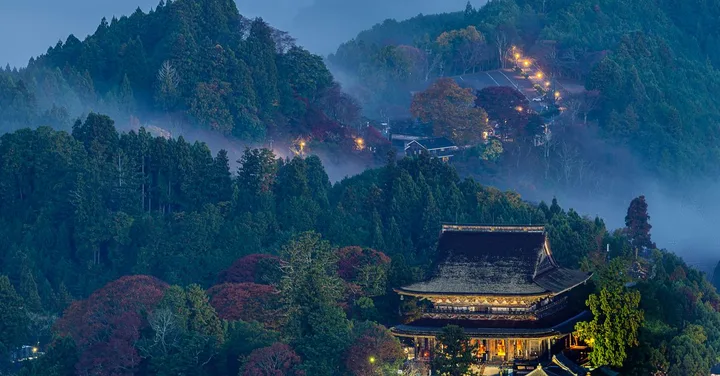
Mount Yoshino, Nara has 30,000 cherry trees climbing up a mountainside. It's a half-day trip from Osaka or Kyoto and absolutely worth it for one afternoon.
Our Japan Cultural Tour Packages cover all of these spots with route planning that makes logical geographic sense, so you're not doubling back across the country.
Weather in March-April Japan: Honest Conditions
Let's be real. Cherry blossom season in Japan is not warm tropical holiday weather. March in Tokyo averages around 10 to 15 degrees Celsius during the day, dropping to 5 to 7 degrees at night. Early April is slightly milder, around 12 to 17 degrees in Tokyo and Kyoto, but evenings are still cool enough to need a proper jacket.
Rain is also part of the picture. April in Japan sees moderate rainfall, and a rainy day during peak bloom actually creates its own kind of beauty: petals floating in puddles, misty temple paths, the soft blur of pink against grey skies. But if you're planning multiple outdoor picnics and open-air viewings, build flexibility into your itinerary so you can shift plans around weather.
Wind is the bigger concern for bloom-chasers. A strong wind or heavy rain during peak bloom can strip the trees in a day or two. This is called hanafubuki (petal snowstorm) and it's beautiful but it also means the peak is over. The bloom window at any given spot is typically 7 to 10 days. After that, the petals are gone and the leaves come in green.
For Indian travellers used to Mumbai or Chennai humidity, the dry, cool air of spring Japan is actually comfortable and easy to walk around in for hours. Just layer up. The temperature swings between morning and afternoon are significant.
Best Activities During Cherry Blossom Season
Hanami picnics are the main event. Buy a bento from a convenience store (7-Eleven and Lawson in Japan are genuinely excellent), grab a can of sake or canned coffee, and sit under the trees for an hour or two. This is what locals do, and it's free.
Night sakura viewing (yozakura) at illuminated parks is something you shouldn't skip. Maruyama Park in Kyoto and Ueno Park in Tokyo both do evening illuminations during peak bloom. The trees against a dark sky, lit from below, look completely different and quite magical.
A day trip to Nara during sakura season combines deer park wandering with temple visits and bloom viewing at Nara Park. Nara is 45 minutes from Osaka or Kyoto by train and deserves a full day.
Bullet train travel between cities during sakura season means you'll see the countryside covered in pink as you pass through. The stretch between Kyoto and Tokyo is especially good. Grab a window seat on the left side heading Tokyo-ward for Mount Fuji views.
Morning temple walks in Kyoto before the crowds arrive. Fushimi Inari at 5:30 AM during sakura season has cherry trees along the lower paths and almost no other tourists. By 9 AM it's completely different.
Onsen evenings in a ryokan (traditional Japanese inn) after a day of bloom-chasing. Some ryokan in the Hakone region have outdoor baths facing gardens with cherry trees. Booking these for 2026 should happen well in advance.
How Prices and Availability Change During Sakura Season
Here's the honest version. Cherry blossom season is peak travel season in Japan, and prices reflect that.
Flights from India to Tokyo or Osaka in late March and early April will be significantly higher than shoulder season. Expect to pay 20 to 40 percent more than you would for, say, a June trip. From Delhi, direct and one-stop flights via Singapore, Bangkok, or Kuala Lumpur typically start from around INR 60,000 to INR 90,000 return during this period, depending on how far in advance you book.
Hotels in Kyoto and Tokyo during peak bloom weeks are heavily booked by October of the previous year. Ryokan (traditional inns) in popular areas like Higashiyama in Kyoto and Hakone sell out fastest. If you want the experience of staying in a traditional inn during cherry blossom season, that booking needs to happen now, not when you're "finalising plans" in January.
Good news: Japan is not a cheap destination regardless of season, so if you're already planning a premium trip, the incremental cost of timing it for sakura is proportionally smaller. The experience you get in return, the parks full of pink, the festive energy, the yozakura evenings, is worth the premium.
Group sizes also matter. If you're travelling as a family or group of 6 or more, coordinating good room blocks and private vehicles gets harder as the season approaches. Getting your booking in early is simply the practical move.
What to Pack for Japan Cherry Blossom Season
This is a specific list for this specific season, not generic travel advice.
- Layering essentials: Think light thermals, a mid-layer fleece or light sweater, and a wind-resistant outer jacket. The morning-to-afternoon temperature gap is significant. Mornings at 7 degrees, afternoons at 16 degrees, you need options.
- Comfortable walking shoes: You will walk 15 to 20 kilometres a day without noticing. Proper walking shoes, not fashion sneakers. Waterproof helps.
- A compact umbrella: Not a poncho, an umbrella. Because Japan, and because you'll look wildly out of place with a poncho.
- A small day pack: For your bento, water bottle, camera, and layers you peel off by noon.
- Formal-ish clothes for ryokan dinners: Traditional inns often serve multi-course kaiseki dinners. You don't need formal wear, but clean, presentable clothes matter in these settings.
- IC card (Suica or Pasmo): Load these at the airport on arrival. They work on trains, subways, and convenience stores across Japan. Your life will be much easier.
- Power bank: Long days of navigation, photography, and translation apps drain phones fast.
- Light scarf: For cool evenings at night sakura viewings.
- Small cash wallet: Japan is still significantly cash-based outside major tourist spots.
Frequently Asked Questions
Q: When exactly will cherry blossoms bloom in Japan in 2026?
Bloom timing varies by city and by year, and precise 2026 forecasts will be updated by meteorological services closer to the season. Based on historical averages: expect Tokyo to peak around March 25 to April 5, Kyoto around March 28 to April 8, Hiroshima slightly earlier in late March, and northern regions like Tohoku and Hokkaido running late April into early May. Keep checking forecasts from January 2026 onward and build flexibility into your last-day travel plans if possible.
Q: How many days should I spend in Japan for cherry blossom season?
Ten to fourteen days is ideal if you want to cover Tokyo, Kyoto, Nara, and a side trip like Hakone or Hiroshima. A week is doable but feels rushed. Less than a week and you'll spend a disproportionate amount of time in transit for the time you actually get on the ground.
Q: Is Japan too crowded during cherry blossom season for Indian families with kids?
It's busy but very well-managed. Japan is one of the most orderly countries in the world, even during peak tourism. Crowds at popular spots are real but not chaotic. Kids generally love the novelty of Japan: the food, the convenience stores, the vending machines everywhere, the trains. Plan to do popular spots in the morning and save less-visited spots for afternoons when the main crowds have moved on.
Q: Do I need a visa to travel from India to Japan?
Yes, Indian passport holders need a tourist visa for Japan. The application is straightforward and processed through the Japanese Embassy or authorised visa agencies in India. Allow at least 3 to 4 weeks for processing. We handle visa documentation support for all Safari Sutra Holidays clients, so you're not figuring this out alone.
Q: What is the budget for a Japan cherry blossom trip from India?
A well-planned 10-day trip for two people, including return flights from Delhi or Mumbai, hotels in Kyoto and Tokyo (mix of ryokan and good business hotels), rail passes, meals, and activities, typically falls in the range of INR 3.5 to 5.5 lakh per person depending on your accommodation choices and flight timing. This is a premium trip. The value comes from the experience, and Japan consistently delivers on that.
Q: Is food a concern for vegetarian Indian travellers?
Japan has improved significantly on this front but it still requires some navigation. Strict vegetarians and vegans need to be aware that many seemingly vegetarian dishes use fish-based dashi stock. However, Buddhist temple cuisine (shojin ryori) is fully plant-based and genuinely delicious. With a good guide and some planning, vegetarian travellers eat very well in Japan.
Q: What's the best way to travel between Tokyo and Kyoto?
The Shinkansen (bullet train) is the answer. The Hikari or Nozomi from Tokyo to Kyoto takes about 2 hours 15 minutes and is comfortable, punctual to the minute, and genuinely fun. A JR Pass purchased before leaving India covers this journey and saves money if you're doing multiple Shinkansen legs. Buy it before you travel as it must be purchased outside Japan.
Book Your Cherry Blossom 2026 Japan Trip Now
Japan's sakura season is short, predictable, and completely worth building your entire spring calendar around. The magic is real, and it comes precisely because it doesn't last. That transience is the whole point of hanami.
After 12 years and 15,000+ trips across every kind of destination, the team at Safari Sutra Holidays has learned that the difference between a good trip and a great one almost always comes down to timing and local expertise. In Japan, that means aligning your Kyoto nights with peak bloom, knowing which temple paths to walk at which hour, and having someone in your corner who has sorted the ryokan bookings, the rail passes, and the little details before you even land at Narita.
Our Japan Cultural Tour Packages are designed for Indian travellers who want the real Japan, not just the highlight reel. We factor in vegetarian preferences, family-friendly pacing, Indian-friendly meal options when needed, and the kind of local access that makes a two-week trip feel like it changed something in you.
This season books up fast. Contact Safari Sutra Holidays to lock in your dates.

Safari Sutra Team
Travel curators with 13 years of experience planning Indian and international holidays — from safari adventures to island escapes.
View All Posts