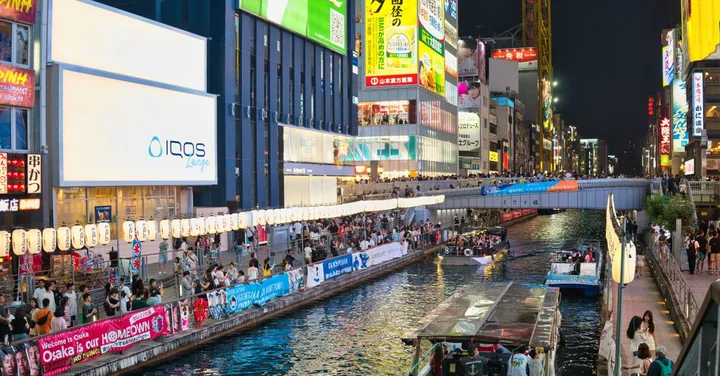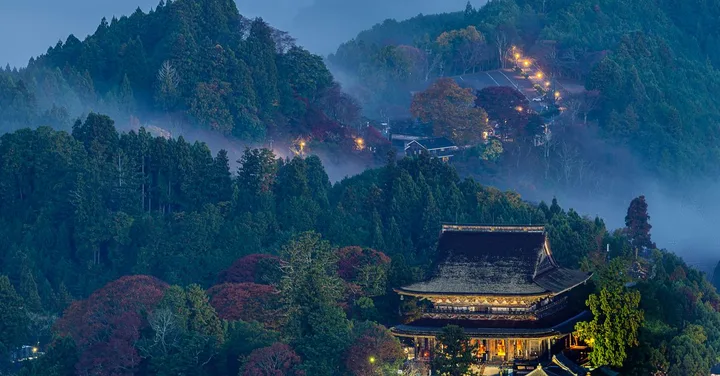
Imagine stepping off a train in Sapporo in February, and the cold hits you like opening a freezer door, sharp and clean, smelling faintly of pine and something sweet you can't quite name. Everywhere you look, locals are wrapped in puffer jackets, carrying steaming cups of miso ramen, and the streets glow under a canopy of ice sculptures that took weeks to build. You're in Hokkaido, Japan's northern island, and it feels like you've landed on a different planet from the Japan you thought you knew. No crowds in Kyoto, no neon madness in Tokyo. Just mountains, silence, incredible food, and a kind of stillness that actually gets inside you.
In This Guide
- Hokkaido Japan for Indian Travellers: What You Actually Get
- Best Time to Visit (Month-by-Month, Honest)
- Top Experiences You Can't Miss
- Safari Sutra Package Options and Prices in INR
- Getting There: Flights from India
- Visa, Vaccinations and Practical Prep
- Frequently Asked Questions
- Plan Your Hokkaido Japan Trip with Safari Sutra
This is the Japan that Indian travellers are just beginning to discover, and honestly, it's about time.
Hokkaido Japan for Indian Travellers: What You Actually Get
Hokkaido is Japan's second-largest island and northernmost prefecture, sitting above Honshu with a personality entirely its own. Think dramatic landscapes: volcanic peaks, vast flower farms, coastlines that slam into the Sea of Japan, and ski slopes that powder-hound travellers rank among Asia's best.
For Indian travellers specifically, Hokkaido offers something rare: a Japan experience that isn't filtered through millions of other tourists. The Japan Tourism Agency consistently reports Hokkaido as one of the country's most beloved domestic destinations, yet international arrivals are still a fraction of what Tokyo or Osaka sees. That gap is your advantage.
The food alone is worth the ticket. Hokkaido produces most of Japan's dairy, and the butter, cheese, soft-serve ice cream, and milk here taste genuinely different from anything you'll eat in the rest of the country. Seafood is absurdly fresh: sea urchin (uni), snow crab, Hokkaido salmon, scallops pulled straight from Funka Bay. Sapporo ramen, thick with miso broth and corn and butter, is not like any ramen you've had before.
For Indian families, the scale works well too. Distances are manageable, the pace can be slow or active depending on what you want, and Hokkaido is genuinely kid-friendly. Vegetarian options are more limited than in Europe, but Buddhist temple towns and some modern restaurants do accommodate dietary needs, and our team always briefs clients on exactly what to ask for and where.
If you've explored Europe and Southeast Asia and want something that feels genuinely new, this is it. And if you're the kind of traveller who also loves comparing notes on great destinations, our Morocco Tour Packages are a favourite for that same "somewhere completely different" feeling.
Best Time to Visit (Month-by-Month, Honest)
Hokkaido has four dramatically distinct seasons, and the right time depends entirely on what you want.
December to February: Winter and Snow Festivals
This is Hokkaido at its most iconic. Niseko, Furano, and Rusutsu get some of the driest, lightest powder snow in the world. Skiing and snowboarding conditions between January and early March are consistently excellent. The Sapporo Snow Festival runs in early February and draws over two million visitors to see massive ice sculptures lining Odori Park. Book early for this window. Hotels fill fast and prices spike, so plan at least four to five months ahead.
March to May: Shoulder Season
Snow starts clearing in March, though the mountains hold powder well into April. Spring blossoms start appearing in late April and May, and the landscape shifts from white to green almost overnight. Crowds are thin, prices are reasonable, this is a strong pick for first-time visitors who want a mix.
June to August: Summer and Lavender Season
Biei and Furano erupt in colour: lavender fields, sunflowers, poppies, and rolling hills that look like they belong in Provence but somehow feel more Japanese. July is peak lavender, and Farm Tomita in Furano is the postcard image you've seen everywhere. Summers are cool compared to the rest of Japan, rarely crossing 30°C, which makes Hokkaido a brilliant escape if you're visiting Japan in summer.
September to November: Autumn Colours
Hokkaido's autumn foliage hits earlier than the rest of Japan, typically from mid-September through October. The colours are intense: deep reds, oranges, and yellows across forested mountain slopes. This is a quieter time, and genuinely one of the most beautiful.
The honest answer: avoid the peak Golden Week window in early May if you dislike crowds. Winter and lavender season are the two peak demand periods, so book early or travel just before or after those windows.
Top Experiences You Can't Miss
Ski Niseko
Niseko United is four interconnected resorts on the slopes of Mount Annupuri, and it consistently ranks among the top ski destinations in Asia. The powder here is legendary, and the après-ski scene is lively without being overwhelming. If you're a first-timer, lessons are available in English and increasingly in other languages too.
Sapporo Snow Festival
Odori Park transforms every February into one of the most remarkable public art events in the world. Ice sculptures the size of buildings, intricate and temporary, line the park for days. It's cold, it's crowded, it's completely worth it.
Farm Tomita and the Lavender Fields of Furano
In July, the air around Furano smells like the inside of a luxury soap shop, except it's real and it's everywhere. Farm Tomita has been cultivating lavender since the 1950s, and you can walk through rows of purple that stretch toward snow-capped mountains. Buy the lavender soft-serve. Trust us on this.
Shiretoko Peninsula
This UNESCO World Heritage Site in the far east of Hokkaido is raw, remote, and genuinely wild. Bears, deer, Steller's sea eagles, and drift ice in winter. It takes effort to get here, which means fewer people and a landscape that doesn't feel managed or packaged.
Hell Valley (Jigokudani) in Noboribetsu
Steaming volcanic vents, sulphurous smells, and boiling hot springs right out of the earth. Noboribetsu is Hokkaido's most famous onsen (hot spring) town, and soaking here after a day of skiing or hiking is one of those experiences you'll describe to people for years.
Otaru's Historic Canal District
A short train ride from Sapporo, Otaru feels like stepping into a gentler Japan. Gas-lit canals, old stone warehouses converted into seafood restaurants and glass shops, and a remarkable music box museum that will genuinely delight kids and adults alike.
Safari Sutra Package Options and Prices in INR
These are realistic price ranges based on current market conditions. Exact pricing depends on travel dates, flight choices, and group size.
Essential Hokkaido, 6 Nights / 7 Days
Covers Sapporo, Otaru, and Noboribetsu. Standard hotels, transfers, and guided day trips. Priced from approximately INR 1,25,000 per person (land only, twin sharing). Good for first-timers who want a comfortable introduction.
Hokkaido Seasons Explorer, 8 Nights / 9 Days
Adds Furano and Biei to the route, ideal for summer lavender or autumn colour trips. Mid-range hotels with some ryokan (traditional inn) nights. From approximately INR 1,65,000 per person land-only. This is our most popular structure for Indian couples and families.
Powder Snow and Hot Springs, 7 Nights / 8 Days (Winter Special)
Niseko skiing with equipment rental, Snow Festival access if timed for February, onsen stays in Noboribetsu. From approximately INR 1,90,000 per person land-only. Pricing rises significantly in peak ski weeks, so dates matter a lot here.
Wild Hokkaido Premium, 10 Nights / 11 Days
Full island coverage including Shiretoko, Akan Mashu National Park, and Sapporo. Premium ryokans and boutique hotels. From approximately INR 2,50,000 per person land-only. Designed for travellers who want depth, not just highlights.
Private Family Circuit, 9 Nights / 10 Days
Fully private vehicle, kid-friendly pacing, mix of activity and downtime. Flexible itinerary built around your family's preferences. From approximately INR 2,20,000 per adult land-only (family rates available). We build this one from scratch for each family.
All packages can include international flights from India. Contact us for current flight-inclusive pricing.
Getting There: Flights from India
There are no direct flights from India to Hokkaido's New Chitose Airport (CTS) right now. The most common routing is via Tokyo (Narita or Haneda), with a connecting domestic flight to Sapporo. Total travel time from Mumbai or Delhi is typically 10 to 14 hours depending on layover.
Airlines like Air India, Japan Airlines, ANA, IndiGo (via code-shares), and Singapore Airlines all serve Tokyo from major Indian cities. From Tokyo, domestic carriers like ANA and JAL connect to New Chitose in about 90 minutes.
Alternatively, you can fly into Tokyo, spend a couple of nights there, and take the overnight sleeper train or a domestic flight up to Hokkaido. Many of our clients combine a Tokyo leg with their Hokkaido trip, which works very well logistically and adds value to the overall journey.
Fares from Delhi or Mumbai to Tokyo typically range from INR 55,000 to INR 90,000 return in economy, depending on season and how far in advance you book. Business class varies widely but plan for INR 2,00,000 and above.
Visa, Vaccinations and Practical Prep
Visa: Indian passport holders need a visa to visit Japan. The good news is Japan's tourist visa process is fairly straightforward and well-structured. You apply through the Japanese Embassy or authorised visa agencies in India. You'll need your confirmed itinerary, hotel bookings, bank statements, and a cover letter. Processing typically takes five to seven working days. Japan does not offer visa on arrival for Indian nationals, so apply at least three weeks before travel.
Vaccinations: No mandatory vaccinations are required for Japan. Standard health precautions apply. If you're travelling with the family, check that routine vaccinations are up to date as per Incredible India travel health guidance and your personal doctor's advice.
Currency: Japan is still heavily cash-based outside major cities. Carry Japanese Yen. 7-Eleven ATMs accept international cards reliably. Currency can be converted in India before departure for better rates.
Language: English signage is decent in Sapporo and tourist areas, but outside cities it gets patchy. Download Google Translate with Japanese offline and use the camera translation feature. It will save you multiple times.
SIM/Data: Buy a Japan data SIM at the airport on arrival. Pocket WiFi is another option. Reliable connectivity is important for navigation in Hokkaido.
Clothing for Winter: If you're going in winter, pack seriously. Thermal base layers, a waterproof outer shell, good snow boots with grip, and proper gloves. Indian travellers often underestimate Hokkaido winters. Temperatures regularly drop to minus 10 to minus 15°C, sometimes lower in the mountains.
Frequently Asked Questions
Q: Is Hokkaido suitable for Indian vegetarians?
It's a fair challenge, but manageable with preparation. Hokkaido's food culture is heavily fish and meat-based. Strict vegetarians will find options limited in smaller towns, but Sapporo has Indian restaurants, and many ramen shops can make a vegetable broth version on request. Convenience stores (7-Eleven, Lawson, FamilyMart) carry a surprising number of snacks that work for vegetarians. We brief every Safari Sutra client on exactly where to eat based on their dietary needs.
Q: Can I travel to Hokkaido with young children?
Absolutely. Hokkaido is a great destination for families. Children love the snow play in winter, the flower farms in summer, and the animal parks like Asahiyama Zoo, which is genuinely impressive and well-run. The pace in Hokkaido is calmer than Tokyo, which parents typically appreciate. We design private family itineraries that balance activity with rest.
Q: How many days do I need for Hokkaido?
A minimum of six nights gives you a real taste. Eight to ten nights lets you cover the island properly and include at least one national park or remote area. Less than five nights feels rushed, especially given the travel time from India.
Q: When should I book for the Sapporo Snow Festival?
Book at least four to five months before the festival (usually held in early February). Hotels in central Sapporo sell out entirely, and prices roughly double during festival week. We start taking Snow Festival bookings from August for the following February, and spots fill quickly.
Q: Is it expensive to travel in Hokkaido?
Relative to Europe, Japan is competitive. Daily spending on food and local transport is reasonable, and Hokkaido is generally slightly less expensive than Tokyo. Where costs climb is accommodation during peak season and ski resort stays. Budgeting INR 5,000 to INR 8,000 per person per day for meals and local activities (excluding accommodation) is a fair guide.
Q: Can I combine Hokkaido with Tokyo or Kyoto?
Yes, and many travellers do. A common structure is three to four nights in Tokyo, then fly domestic to Sapporo for a week. Kyoto can work too but adds to overall trip length. We've arranged this combination for hundreds of clients over 12+ years and can structure it efficiently.
Q: What makes Safari Sutra's Japan trips different from booking independently?
After 12 years and 15,000+ trips, we've found the biggest difference between an average trip and a great one is guide quality and timing. Whether it's knowing which farm in Furano peaks first in July or which onsen in Noboribetsu opens early enough to catch the sunrise mist, these are things we get right for every Safari Sutra client. Independent booking works fine for seasoned Japan travellers, but for a first visit to Hokkaido especially, local knowledge changes everything.
Plan Your Hokkaido Japan Trip with Safari Sutra
Hokkaido rewards the traveller who actually shows up. It's not a place that translates fully into photographs or reels, it has to be felt, smelled (yes, even the volcanic sulphur at Noboribetsu), tasted, and experienced in proper cold or golden summer light.
Whether you're dreaming of ski slopes in powder snow, standing in a purple lavender field in July, or watching a two-storey ice sculpture glow at night in Sapporo, Hokkaido has the kind of moments that settle into you and stay there.
We build trips to Hokkaido for Indian travellers at every budget, from honest mid-range packages to fully private premium circuits. Every trip is structured around what you actually want, not a cookie-cutter route.
Ready to Plan Your Trip?
Safari Sutra Holidays — 13 years, 15,000+ trips, zero cookie-cutter itineraries.
Get Your Free Custom Quote →+91 9860415774 | hello@thesafarisutra.com

Safari Sutra Team
Travel curators with 13 years of experience planning Indian and international holidays — from safari adventures to island escapes.
View All Posts