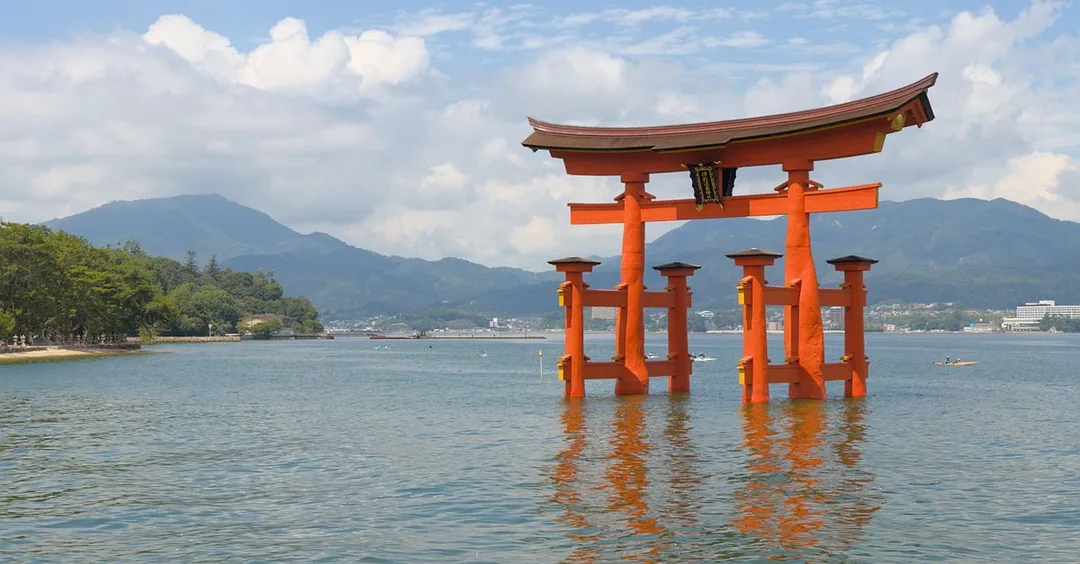
The atomic bomb dome catches you completely off guard. You've seen the photos, you know the history, but standing in front of that skeletal ruin with the Ota River quietly moving behind it and schoolchildren laying paper cranes nearby, something shifts. Then, two hours later, you're standing on a wooden pier at Miyajima Island watching a giant vermillion torii gate rise out of the sea at high tide, deer wandering past your feet like they own the place. Two of Japan's most powerful experiences, back to back, in a single day. That's what this route delivers.
In This Guide
- Hiroshima and Miyajima Day Trip from Osaka or Kyoto Guide for Indian Travellers: What You Actually Get
- Best Time to Visit (Month-by-Month, Honest)
- Top Experiences You Can't Miss
- Safari Sutra Package Options and Prices in INR
- Getting There: Flights from India
- Visa, Vaccinations and Practical Prep
- Frequently Asked Questions
- Plan Your Hiroshima and Miyajima Day Trip from Osaka or Kyoto Guide Trip with Safari Sutra
Hiroshima and Miyajima Day Trip from Osaka or Kyoto Guide for Indian Travellers: What You Actually Get
This is one of the most rewarding day trips you can do in Japan, and it works beautifully whether you're based in Osaka or Kyoto. The Shinkansen from Kyoto to Hiroshima takes about 85 minutes. From Osaka, it's roughly 90 minutes. Both cities have early morning departures that get you into Hiroshima by 9 am, leaving a full day before you head back in the evening.
Hiroshima is not a difficult city emotionally, but it does ask something of you. The Peace Memorial Park and Museum are genuinely moving, designed to inform rather than overwhelm. After that, the city itself is surprisingly pleasant: good food, wide boulevards, friendly locals, and a riverside setting that feels calm rather than heavy.
Miyajima Island sits about 45 minutes from central Hiroshima by tram and ferry. The island is compact enough to explore on foot, and the famous Itsukushima Shrine and its floating torii gate are the main draws. But there's more here: maple leaf-shaped momiji manju sweets, free-roaming deer, forested hiking trails, and views that change completely depending on whether the tide is in or out.
Indian travellers in particular tend to love this combination. The historical weight of Hiroshima resonates with a country that also carries complex memories of partition and independence. And Miyajima has a temple-island quality that feels familiar in spirit, even though everything about it looks distinctly Japanese.
Best Time to Visit (Month-by-Month, Honest)
April (Sakura Season): This is peak Japan travel and for good reason. Cherry blossoms in Hiroshima's Peace Park are extraordinary, soft pink blooms framing the dome. Miyajima also has sakura, and the combination is genuinely special. Book everything 3-4 months in advance. Shinkansen seats and good hotels sell out fast.
May: Crowds thin out after Golden Week (the first week of May, which is very busy). Late May is warm, green, and manageable. Good choice if April feels too hectic.
June to July: Rainy season. It's not a dealbreaker, misty Miyajima has its own moody atmosphere, but plan for rain gear and flexible timings.
August: Hot and humid. Hiroshima's Peace Memorial Ceremony on August 6th draws huge crowds and is deeply moving if you can handle the heat and the emotion. A significant travel experience, but plan well ahead.
September to November: This is the other sweet spot. Autumn colours hit Miyajima in November and it's honestly stunning in a specific, tangible way: red momiji maples against the vermillion shrine, mist over the water, cool air. November is arguably the best single month for this trip.
December to February: Cold but quiet. The torii gate looks atmospheric in winter light and you'll have far fewer tourists around you. Not the most comfortable weather, but effective if you want a more contemplative experience.
Top Experiences You Can't Miss
The Peace Memorial Museum, Hiroshima
Spend 90 minutes here minimum. The museum was redesigned in 2019 and is now more personal and less clinical, centred on individual stories rather than statistics. The children's section, particularly the story of Sadako Sasaki and her 1,000 paper cranes, hits hard. Give yourself time to sit quietly in the Peace Park afterwards.
The Atomic Bomb Dome (Genbaku Dome)
A five-minute walk from the museum. The building was directly below the hypocentre of the explosion and was left as it stood. No signage, no guided interpretation needed. Just stand there for a few minutes.
High Tide at Itsukushima Shrine
Check the tide times before you go. When the tide is fully in, the torii gate and shrine buildings appear to float on the sea. This is the iconic image and it's worth timing your Miyajima visit around it. Low tide reveals the mudflats below the gate, which is a completely different, equally interesting perspective.
Momiji Manju
These small maple-leaf-shaped cakes filled with red bean paste (or cream cheese or chocolate) are Miyajima's signature snack. Buy them freshly made and still warm from a street stall. They taste like nothing you'd find at home and they cost almost nothing.
Mount Misen
If you have time, take the ropeway up to Mount Misen for views across the Seto Inland Sea. On a clear day you can see several islands. It adds about 90 minutes to your Miyajima time but it's worth it if you're an early starter.
Safari Sutra Package Options and Prices in INR
These are structured to suit different travel styles. All include return flights from India, hotels, and local transfers unless stated.
Tier 1: Japan Explorer, 10 Nights from INR 1,25,000 per person
Tokyo, Kyoto, Hiroshima, and Miyajima as a day trip. 3-star hotels, JR Pass included, group departures. Ideal for solo travellers and couples on a structured budget.
Tier 2: Japan Classic, 12 Nights from INR 1,85,000 per person
Adds Osaka and Nara to the itinerary. 4-star hotels, semi-private transfers, flexible departure dates. Hiroshima and Miyajima covered as a full guided day with a local English-speaking guide.
Tier 3: Japan Premium, 14 Nights from INR 2,60,000 per person
All the above plus Hakone and a ryokan (traditional inn) stay. 4 to 5-star hotels, private guide for Hiroshima and Miyajima, priority museum entries, vegetarian and Jain meal coordination.
Tier 4: Japan Private Luxury, 14+ Nights from INR 3,75,000 per person
Fully private itinerary, curated for you from scratch. Best available hotels, private car throughout, concierge support for the full trip, including advance booking of popular restaurants.
All prices are per person on twin-sharing basis and include taxes. Speak to Safari Sutra Holidays for a personalised quote based on your group size and travel dates.
Getting There: Flights from India
Direct flights to Japan land at Tokyo Narita/Haneda or Osaka Kansai. If you're doing this day trip from Kyoto or Osaka, flying into Kansai International Airport makes the most sense: it keeps your travel compact.
From Mumbai, Air India and IndiGo operate flights to Osaka, with journey times around 9-10 hours. From Delhi, you'll typically connect via Tokyo or another hub, adding time. Fares start around INR 35,000-45,000 return in economy during shoulder season, and peak pricing in April and November can push past INR 60,000. Book 3-4 months ahead for good fares.
Once in Japan, the JR Pass covers Shinkansen travel and is worth buying before you leave India (it's cheaper that way).
Visa, Vaccinations and Practical Prep
Japan introduced an e-visa system and Indian passport holders can apply online in advance, which is straightforward. Processing typically takes 5-7 working days. You'll need a confirmed itinerary, return ticket, hotel bookings, and bank statement. No vaccinations are specifically required for Japan, though standard travel health precautions apply. If you're travelling after any health advisory updates, check with Incredible India for current government travel guidance before finalising plans.
A few practical things worth knowing: Japan is still largely cash-based. Carry Japanese yen, especially for smaller purchases in Miyajima. Google Maps works brilliantly for navigation. The JR Pass covers most of your travel between cities. Most restaurants in Miyajima and Hiroshima have picture menus, and vegetarian options exist but require asking. Hindus and Jains should request a detailed meal guide from us in advance, as this needs advance coordination at the hotel level.
Frequently Asked Questions
Q: Can this really be done as a one-day trip from Osaka or Kyoto?
Yes, absolutely. Leave by 7:30 am, arrive in Hiroshima by 9 am, spend 3 hours there, head to Miyajima for the afternoon, and be back in Kyoto or Osaka by 9-10 pm. It's a long day but very doable and well worth it. The Shinkansen makes it comfortable.
Q: Is Hiroshima emotionally overwhelming? Should I take children?
It's sobering, not traumatic. The museum is designed thoughtfully and the park surrounding it is open and calm. Teenagers often find it deeply impactful in a positive way. For younger children, you can spend more time in Miyajima and keep the Peace Park visit brief.
Q: What's the best way to see the torii gate at the right tide?
Search "Miyajima tide times" before your trip and plan your ferry from Hiroshima accordingly. High tide is the classic image. Low tide lets you walk right up to the base of the gate. Both are worth experiencing if you have the time.
Q: Is Miyajima worth it just for a few hours?
Even two to three hours on Miyajima gives you the shrine, the torii, the deer, and the snacks. If you're pressed for time, skip Mount Misen but don't skip the island.
Q: Are there vegetarian food options on this route?
Both Hiroshima and Miyajima have vegetarian-friendly options, but you need to know where to look. Hiroshima-style okonomiyaki (a thick savoury pancake) can be made without meat if requested. We prep all our clients with a restaurant guide before they travel.
Q: How does Safari Sutra handle this day trip differently from booking independently?
After 12 years and 15,000+ trips, we've found the biggest difference between an average trip and a great one is guide quality and timing. A good local guide in Hiroshima knows when to speak and when to let you stand quietly. We also handle the JR Pass logistics, tide time planning, and vegetarian meal coordination, things that take hours to sort on your own.
Q: Should I spend a night in Hiroshima instead of doing it as a day trip?
If your schedule allows, yes. Hiroshima at night is peaceful and has excellent restaurants. An overnight stay lets you start Miyajima early (before the crowds) and see it at its calmest. Our 14-night packages include this option.
Plan Your Hiroshima and Miyajima Day Trip from Osaka or Kyoto Guide Trip with Safari Sutra
This is the kind of travel that stays with you, not because of how much you packed in but because of what it made you feel. Hiroshima's quiet weight. The deer walking past you on Miyajima without a second glance. The tide coming in around a gate that's stood there for centuries.
Our Japan Cultural Tour Packages cover everything from quick 10-night Japan highlights to fully private two-week trips, all built around making the experience feel real rather than rushed.
Ready to Plan Your Trip?
Safari Sutra Holidays — 13 years, 15,000+ trips, zero cookie-cutter itineraries.
Get Your Free Custom Quote →+91 9860415774 | hello@thesafarisutra.com

Safari Sutra Team
Travel curators with 13 years of experience planning Indian and international holidays — from safari adventures to island escapes.
View All Posts