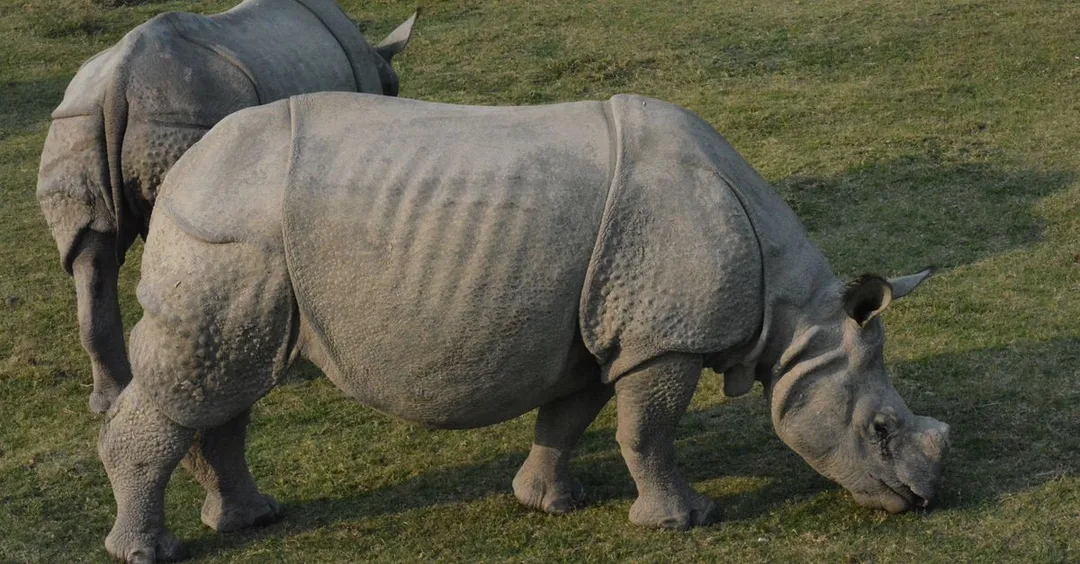
The sun hasn't fully risen yet, and your open-top jeep is already rolling through chest-high elephant grass. The air smells of wet earth and woodsmoke. Then your guide touches your arm, points left, and there it is: a greater one-horned rhino, barely fifteen metres away, standing absolutely still in the mist, prehistoric and magnificent. You're not in Africa. You're in Assam, and you're watching something that exists almost nowhere else on earth.
In This Guide
- Kaziranga National Park Assam for Indian Travellers: What You Actually Get
- Best Time to Visit (Month-by-Month, Honest)
- Top Experiences You Can't Miss
- Safari Sutra Package Options & Prices in INR
- Getting There: Flights from India
- Visa, Vaccinations & Practical Prep
- Frequently Asked Questions
- Plan Your Kaziranga National Park Assam Trip with Safari Sutra
That's Kaziranga. And once you've been, nothing quite compares.
Kaziranga National Park Assam for Indian Travellers: What You Actually Get
Kaziranga National Park sits along the southern bank of the Brahmaputra river in Assam, about 250 kilometres from Guwahati. It's a UNESCO World Heritage Site, and it holds approximately two-thirds of the world's entire population of the Indian one-horned rhinoceros. That's not a marketing number, that's a conservation fact you can look up on Incredible India. Over 2,600 rhinos live here.
But Kaziranga isn't just a rhino park. The biodiversity here is genuinely wild. You've got the highest density of Royal Bengal tigers of any protected area in the world. There are wild Asian elephants, Gangetic river dolphins, swamp deer (barasingha), water buffaloes, and over 480 species of birds. Serious birders make entire trips here just for the birds.
For Indian travellers, this destination hits differently than an overseas wildlife trip. There's no visa stress, no long-haul flight fatigue, no unfamiliar food anxiety. You're in India, eating dal-bhat and fresh fish curry, speaking Hindi or asking locals in broken Assamese, and still watching wildlife that rivals anything you'd see internationally.
The park is divided into five ranges: Central (Kohora), Western (Bagori), Eastern (Agoratoli), Burapahar, and Northern (Panbari). Most visitors do the Central and Western ranges, which have the highest rhino density. If you want tigers and fewer crowds, Eastern is your best bet.
Jeep safaris are the main way to explore, but Kaziranga is also one of the very few national parks in India where you can do an elephant-back safari at dawn. Standing on a trained elephant while a rhino grazes ten feet below you is a genuinely different kind of experience.
Accommodation ranges from basic forest lodges to some genuinely good mid-range and premium resorts just outside the park gates. The area around Kohora has solid options at multiple price points.
Best Time to Visit (Month-by-Month, Honest)
October to April is the season. The park closes every year from May to October because the Brahmaputra floods the entire landscape. This is not a minor seasonal variation, the whole park goes underwater. So plan around this.
October to November: The park has just reopened. Grass is still tall from the rains, which makes sightings a bit harder, but the air is cool and fresh, and the landscape is lush green. Good for birds. Rhinos are around but sometimes harder to spot through the vegetation. Hotel rates are lower and crowds are minimal. Great for travellers who want the experience without the peak-season rush.
December to February: This is prime time. The grass has thinned out, visibility is excellent, and wildlife concentrates near water sources. Mornings are genuinely cold (7 to 12 degrees Celsius), so pack a good jacket. Rhino sightings are almost guaranteed. Tiger sightings increase in January and February. This IS the best window if you can manage it.
March to April: Temperatures start climbing (25 to 32 degrees by afternoon), but sightings are still very good. Migratory birds are present through March. The park starts getting quieter as summer approaches, so you'll often have zones mostly to yourself. Good value too.
Avoid May to September: The park is officially closed. Some fringe areas may be accessible, but the core wildlife zones are not.
One practical tip from experience: book your safari slots early for December-February. The online Forest Department quota fills fast, especially on weekends. This is something Safari Sutra Holidays handles directly for all guests, because losing a morning safari slot to a booking glitch is genuinely frustrating.
Top Experiences You Can't Miss
Jeep Safari (Mandatory)
This is the backbone of any Kaziranga trip. You'll do at least two, ideally across different ranges. The Central range gives you open grassland and reliable rhino sightings. The Eastern range feels wilder and less visited. Safaris run in two slots: early morning (around 7 AM) and afternoon (around 2 PM). The morning slot is better for most wildlife. Budget for at least three jeep safaris across your stay.
Elephant Safari
Not every park in India offers this, and Kaziranga does it well. You ride a trained elephant into the high-grass zones where jeeps can't go, getting close to rhinos and sometimes deer or buffalo. It runs early morning, and slots are limited. Book in advance. It's a completely different vantage point from a jeep and worth doing at least once.
Brahmaputra River Boat Ride
The river forms the northern boundary of the park. A boat ride here at golden hour, watching the river dolphins and migratory birds, with the Himalayan foothills hazy in the background, is one of those quiet moments you'll remember long after the trip. Some resorts arrange this, or you can book through a local operator.
Bird Watching
If you're remotely into birds, bring binoculars. Kaziranga hosts pelicans, cranes, eagles, storks, and the rare Bengal florican among others. The wetland areas near the Central range are particularly good. Even if you're not a serious birder, the sheer volume of birdlife visible during a normal jeep safari adds a lot to the experience.
Orchid Festival (February)
Held every year in February, this is a smaller event but genuinely charming. Assam has extraordinary orchid diversity, and Kaziranga is a good base for visiting orchid trails nearby. Worth timing your trip around if you're a nature person.
After 12 years and 15,000+ trips, we've found the biggest difference between an average trip and a great one is guide quality and game drive timing. These are things we get right for every Safari Sutra client. A knowledgeable naturalist guide doesn't just point at animals, they tell you what the rhino's behaviour means, which direction the tigers were tracking last week, and where to position the jeep for the best light. That context transforms a wildlife sighting into something you actually understand.
Safari Sutra Package Options & Prices in INR
These are realistic figures based on per-person twin-sharing pricing for the main season (December to February).
Budget Explorer (3 Nights / 4 Days)
Comfortable lodge near Kohora, three jeep safaris across two ranges, one elephant safari slot, all meals, park fees and taxes included.
Approximately Rs. 18,000 to Rs. 22,000 per person.
Classic Kaziranga (4 Nights / 5 Days)
Mid-range resort with better amenities, four jeep safaris across Central and Eastern ranges, elephant safari, naturalist guide throughout, Brahmaputra boat ride, all meals, park and entry fees.
Approximately Rs. 30,000 to Rs. 38,000 per person.
Premium Wildlife Experience (4 Nights / 5 Days)
One of the better eco-resorts outside the park, private jeep for all safaris, dedicated naturalist, elephant safari, boat ride, evening Assamese cultural programme, all meals with local specialties, all park fees and logistics.
Approximately Rs. 55,000 to Rs. 70,000 per person.
Family Special (5 Nights / 6 Days)
Designed for families with children over 8 years. Comfortable family rooms or connecting cottages, age-appropriate safari briefings, five jeep safaris, elephant safari, birding walk, Brahmaputra boat ride, all meals, transfers from Guwahati airport.
Approximately Rs. 45,000 to Rs. 55,000 per person (adults), discounted rates for children.
All packages can be tailored. Many travellers extend their Kaziranga trip to include Majuli (the world's largest river island, a two-hour drive away) or Shillong and Meghalaya. If that appeals to you, check out Explore All Destinations on Safari Sutra for ideas on building a broader Northeast India itinerary.
Getting There: Flights from India
Nearest Airport: Guwahati (Lokpriya Gopinath Bordoloi International Airport, GAU)
From Guwahati to Kaziranga is roughly 215 kilometres, a four to four and a half hour drive through the Assam countryside. Most packages include this transfer.
Flight Options:
-
From Mumbai: Direct flights on IndiGo, Air India, and SpiceJet. Travel time around 2.5 to 3 hours. Return fares from roughly Rs. 6,000 to Rs. 12,000 depending on season and advance booking.
-
From Delhi: Direct flights on most major carriers. Travel time around 2 hours. Similar fare range.
-
From Chennai, Bangalore, Hyderabad: Usually one stop via Kolkata or direct on select dates. Kolkata to Guwahati is a short 50-minute hop if you need to connect.
Alternative: Train to Furkating or Guwahati
If you have time, the train from Guwahati to Furkating (nearest railhead to Kaziranga, about 75 km away) is a scenic option. The Rajdhani Express from Delhi to Guwahati is comfortable and affordable if you're travelling from the north.
Tip: Book your Guwahati flights early for December-January, this is peak season for all of Northeast India and seats fill up.
Visa, Vaccinations & Practical Prep
Visa: No visa required, you're in India. However, Assam does have Inner Line Permit requirements for certain restricted areas in the Northeast (Arunachal Pradesh, Nagaland, Mizoram). Kaziranga itself does not require an ILP, so you're straightforward here.
Health Precautions:
- No mandatory vaccinations for Kaziranga specifically.
- Carry a basic medical kit with antihistamines and anti-malarials if you're prone to mosquito reactions (the park areas have mosquitoes, especially at dawn and dusk).
- Wear long sleeves during safaris, not just for mosquitoes but for warmth in December-February mornings.
What to Pack:
- Layered clothing for cold mornings (December-February gets to single digits before dawn)
- Neutral earth tones for safaris (avoid bright colours and white)
- Good binoculars if you have them (basic ones available to borrow at most resorts)
- Sunscreen and a hat for afternoon safaris in March-April
- A rain jacket if visiting October-November
- Camera with a decent zoom lens if you're serious about wildlife photography
Currency and Connectivity:
Kaziranga's main tourism zone (Kohora and surrounding areas) has ATMs and accepts UPI at most established hotels and restaurants. Mobile connectivity is decent on Airtel and Jio in the main areas, though it weakens inside the forest zones (which is honestly fine, you should be watching the rhinos).
Local Food:
Don't skip Assamese food while you're here. Rice with fish curry, duck meat curry, pork with bamboo shoot, and local red rice are things you'll genuinely want to eat. Most resorts serve a mix of Indian and Assamese food. Ask for the local thali.
Frequently Asked Questions
Q: How many days do you need in Kaziranga?
Three nights and four days is the comfortable minimum, giving you four to five safari slots across different ranges and time of day. If you want to do the Eastern range properly, add a night. Five nights works well for families or serious wildlife enthusiasts who also want to visit nearby attractions.
Q: Is Kaziranga safe for solo women travellers?
Yes. Kaziranga and the broader tourism zone around Kohora are well-managed, with established infrastructure and a steady flow of domestic and international tourists. Accommodation staff are accustomed to solo travellers. The safaris are guided and you're never in the forest alone. Take the usual common-sense precautions you would anywhere.
Q: Can you spot tigers in Kaziranga?
Tiger sightings are possible but not guaranteed. Kaziranga has the world's highest tiger density for its area, but tigers are secretive and the high grass makes them harder to see than rhinos. January and February, when grass is shorter and tigers are more active, give you the best chances. The Eastern range has a higher tiger sighting rate than the Central range.
Q: Is elephant safari ethical? Should I do it?
This is a question more Indian travellers are asking, and it's worth thinking about. Kaziranga's elephant safari programme uses Forest Department-managed elephants that have been part of the park's conservation work for decades. These are not performance elephants or tourist attractions in the typical sense. Most wildlife conservationists who work in Kaziranga consider the programme acceptable within its current form. That said, it's your call. The jeep safaris are complete experiences on their own, and you won't miss the rhinos if you skip the elephant safari.
Q: What's the best range for first-time visitors?
Central range (Kohora) for your first safari, Western range (Bagori) for your second. These two zones between them give you open grassland, wetlands, the highest rhino concentration, and reasonable tiger and elephant probability. If you have a third safari, go Eastern for something wilder and quieter.
Q: Can children visit Kaziranga?
Yes, and it's actually a great family destination. Children above 6 or 7 years genuinely love it. The rhino sightings are close and dramatic, and kids tend to stay engaged on jeep safaris here in a way that surprises parents. For elephant safaris, check the specific age/height guidelines with the Forest Department. Book early morning slots even with kids, the light and animal activity is worth the early wake-up.
Q: How does Kaziranga compare to Ranthambhore or Jim Corbett for an Indian wildlife trip?
Different in good ways. Ranthambhore and Corbett are primarily tiger-focused. Kaziranga gives you a broader wildlife spectrum with the rhino as the centrepiece, along with elephants, buffalo, swamp deer, and outstanding birdlife. The landscape is also different, wetter, greener, more river-influenced. If you've done Ranthambhore, Kaziranga feels fresh and genuinely different.
Plan Your Kaziranga National Park Assam Trip with Safari Sutra
Kaziranga is one of those places that rewards people who plan properly. The right range, the right season, the right guide, the right timing in the morning slot before the light goes harsh. These details separate a good trip from a genuinely great one.
Safari Sutra Holidays has put together Northeast India itineraries combining Kaziranga with Meghalaya, Majuli, or even Bhutan for travellers who want to explore beyond just one park. Whether you're going as a couple, a family, or a group of friends, the structure of the trip matters.
Ready to Plan Your Trip?
Safari Sutra Holidays — 13 years, 15,000+ trips, zero cookie-cutter itineraries.
Get Your Free Custom Quote →+91 9860415774 | hello@thesafarisutra.com

Safari Sutra Team
Travel curators with 13 years of experience planning Indian and international holidays — from safari adventures to island escapes.
View All Posts