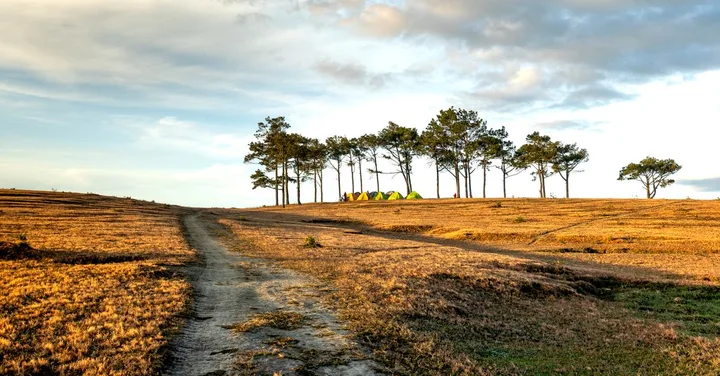
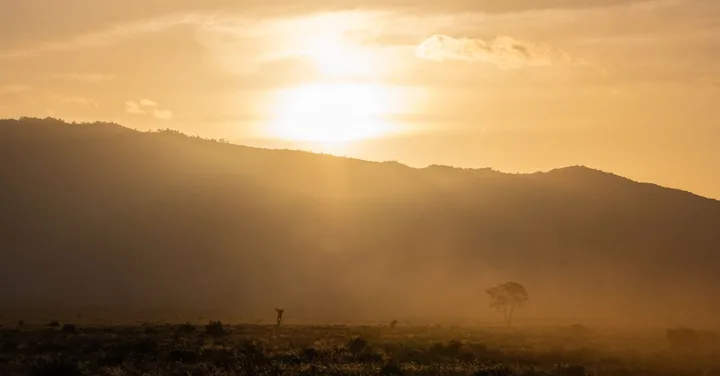
You've booked the flights, sorted the visa, and told everyone at the office. Then you open your suitcase and stare at it for twenty minutes. Sound familiar? International travel from India comes with a specific kind of packing anxiety, because you're often crossing climates, dress codes, and cultural expectations all in one trip. The Parisian café in the morning, the Swiss mountainside in the afternoon, or the Kenyan bush at sunrise followed by a Zanzibar beach at sunset. Getting your bag right is genuinely the difference between travelling well and spending your holiday hunting for a pharmacy.
In This Guide
- Packing Guide for International Travel from India for Indian Travellers: What You Actually Get
- Best Time to Visit (Month-by-Month, Honest)
- Top Experiences You Can't Miss
- Safari Sutra Package Options & Prices in INR (3-5 tiers, realistic INR figures)
- Getting There: Flights from India
- Visa, Vaccinations & Practical Prep
- Frequently Asked Questions
- Plan Your Packing Guide for International Travel from India Trip with Safari Sutra
This guide cuts through the generic advice. We're talking climate-smart, India-specific packing for real trips, whether you're heading to Southeast Asia, East Africa, Europe, or the Middle East.
Packing Guide for International Travel from India for Indian Travellers: What You Actually Get
Packing for international travel from India is different from what a British or American traveller faces. Your starting climate is warm to hot, your carry-on rules on Indian carriers sometimes differ from international ones, and you're often packing for occasions that range from formal dinners to jungle walks in the same trip.
The biggest mistake most Indian travellers make is overpacking "just in case" clothes and underpacking practical gear like medication, adapters, and weather layers. You can always buy a souvenir kurta abroad. You cannot easily find your specific blood pressure medication in rural Tuscany at 11 PM.
Here's what a smart, climate-aware packing system looks like.
The Core Philosophy: Pack by Climate Zone, Not by Day
Before you touch your suitcase, write down every climate zone your trip covers. A Europe trip in October might go from 28°C in Barcelona to 8°C in Amsterdam. A Southeast Asia trip might include air-conditioned temples, humid street markets, and boat rides. A Southern Africa safari combines cool mornings, hot afternoons, and evenings that genuinely get cold.
Once you have your climate zones, you pack layers and versatile pieces, not separate outfits for every day.
What Every Indian Traveller Needs Regardless of Destination
- A universal travel adapter (the multi-pin kind, not a single-country one)
- A power bank of at least 20,000 mAh, especially useful in long-haul transit
- A small first-aid kit with ORS packets, Crocin, an antacid like Digene, and any prescription medication with enough buffer for flight delays
- Photocopies and digital scans of your passport, visa, and travel insurance
- A lightweight microfiber towel for beach, safari, or hostel situations
- Zip-lock bags in various sizes (for wet swimwear, leaky toiletries, and organising cables)
- A light day-backpack that folds flat into your main luggage
Best Time to Visit (Month-by-Month, Honest)
This section applies broadly because your packing changes significantly based on when you travel, not just where.
October to February is the sweet spot for most international travel from India. Europe is cold but manageable, East Africa is dry and ideal for wildlife, Southeast Asia is hot but not monsoon-wet, and the Middle East is genuinely pleasant. Pack a proper mid-layer (fleece or light down jacket) for Europe and Africa mornings, and breathable cotton-linen for Southeast Asia.
March to May brings shoulder season to Europe (cooler, less crowded), peak heat in the Middle East, and the beginning of long rains in East Africa. Pack light for the Middle East and have a compact rain jacket for Europe.
June to September is India's monsoon season, which means cheap flights and less crowd abroad. Europe is at its warmest, which ironically means Indian travellers can pack lighter. Southeast Asia is rainy and hot. Coastal Africa is fine but some interior parks are closed. A packable rain poncho earns its weight here.
Top Experiences You Can't Miss
Getting your packing right means understanding what you'll actually be doing. Here are the activities that most often catch Indian travellers unprepared, clothes-wise.
Safari in East or Southern Africa: You will need muted earth tones (no bright colours or white in the bush), a warm fleece or jacket for 5 AM game drives, and closed-toe shoes. Game drive vehicles are dusty and open-sided. Pack a light scarf or buff that doubles as sun and dust protection.
Trekking in Nepal, Bhutan, or the Dolomites: Layering is everything. Base layer, mid-layer, outer shell. Moisture-wicking, not cotton. Good trekking socks matter more than you'd think.
Beach Destinations like the Maldives, Phuket, or Zanzibar: This feels like easy packing but people forget reef-safe sunscreen (often required and always smarter), a rash guard for snorkelling, and a light linen shirt or cover-up for beachside restaurants that enforce dress codes.
City trips to Europe or Japan: Comfortable walking shoes that also look decent for dinner. You will walk 15,000 to 20,000 steps a day. Your formal shoes will destroy you. Pack one pair of smart-casual shoes and one pair of proper walking shoes.
Temple and religious site visits across Asia and the Middle East: Pack a lightweight scarf or stole that can cover shoulders and knees. This is non-negotiable for women in many destinations and increasingly required for men too.
You can Explore All Destinations on Safari Sutra to see what specific experiences your shortlisted trips involve, which helps you build your packing list from the activity up, not the wardrobe down.
Safari Sutra Package Options & Prices in INR (3-5 tiers, realistic INR figures)
While this is a packing guide, it's relevant to know what kind of trip you're packing for, as comfort and gear levels genuinely differ by trip style.
Essential Explorer (from INR 75,000 per person): Budget-friendly international trips, typically Southeast Asia or short-haul destinations. Shared transfers, comfortable 3-star stays. Pack light and practical.
Classic Traveller (from INR 1,50,000 per person): Mid-range international packages covering East Africa, Bali, Sri Lanka, or short Europe circuits. 4-star hotels, guided experiences. You'll want one smart outfit for dinners.
Premium Journeys (from INR 3,00,000 per person): This is your Europe highlights, Southern Africa safari combo, or Bhutan luxury trek. Business-class flights considered here. Smart-casual for lodge dinners is standard.
Signature Safari Sutra (from INR 5,00,000 per person): Fly-in safaris, private island stays, exclusive lodges. Pack better quality pieces, fewer of them. Most lodges offer laundry service, so you really don't need two weeks of clothing.
Family Packages (from INR 2,00,000 for a family of four): Domestic and international both available. Children's packing has its own section below in the FAQs.
Getting There: Flights from India
Most international trips from India originate from Mumbai (BOM), Delhi (DEL), Bengaluru (BLR), or Hyderabad (HYD). Direct flights to popular destinations:
- Nairobi: ~7 to 8 hours direct from Mumbai on Kenya Airways or Air India
- Bangkok/Bali: ~5 to 6 hours from most Indian metros
- Dubai/Abu Dhabi: ~3 to 4 hours, excellent for connecting to Europe or Africa
- London/Paris: ~9 to 10 hours from Delhi direct, longer with a stop
- Tokyo/Osaka: ~8 to 9 hours from Delhi with connections
Carry-on limits on Indian carriers like Air India and IndiGo differ from international carriers. Always check your specific ticket. The packing rule: anything you need for the first 24 hours should be in your carry-on, not your checked bag.
Visa, Vaccinations & Practical Prep
For most destinations, Indian passport holders need a visa. Here's a quick reference:
- Kenya, Tanzania: eVisa available online, quick and easy
- Schengen (Europe): Apply 4 to 6 weeks in advance; financial documentation matters
- Thailand, Maldives: Visa on arrival for Indians (verify before you travel)
- Japan: Visa required; apply through the Japanese embassy or authorised agents
Vaccinations worth checking: Yellow Fever certificate is mandatory for East Africa if you're arriving from certain countries. Typhoid and Hepatitis A are recommended for most destinations. Consult a travel medicine doctor at least three weeks before departure. The Incredible India portal also has a health advisory section for outbound travellers, though most Indians use it for inbound tourism planning.
Travel insurance is non-negotiable for international trips. Make sure it covers medical evacuation, especially for safari or trekking destinations.
Frequently Asked Questions
Q: How many bags should I carry for a two-week international trip?
One checked bag of 23 kg and one cabin bag of 7 to 8 kg is the standard for most international economy tickets. With smart packing, two weeks fits comfortably in 23 kg. Use compression bags for clothes and keep your day-pack in the cabin bag.
Q: What should I pack for a safari specifically?
After 12 years and 15,000+ trips, we've found that the biggest difference between an average safari and a great one is guide quality and game drive timing. Those are things we get right for every Safari Sutra Holidays client. But on the packing side, the things guests most often wish they'd brought: a good buff or neck gaiter for dust, a headlamp for pre-dawn drives, and a power bank for full days in the bush.
Q: What are the best shoes to pack for Europe?
Two pairs maximum. One comfortable walking shoe (a clean sneaker or supportive trainer works) and one pair of smart-casual shoes like leather loafers or ankle boots. Most European cobblestone cities will wreck heels and flat sandals within a day.
Q: Can I carry Indian spices and homemade food abroad?
This varies by country. Most dry spices in sealed packets are fine for most destinations. Homemade food, fresh items, and pickles can get confiscated at customs in Australia, New Zealand, the US, and the UK. Stick to commercial, sealed food items if you must carry snacks.
Q: What medications should I carry from India?
Standard kit: Crocin or Dolo for fever, an antacid, an antihistamine (Cetirizine works well), an anti-diarrhoeal like Loperamide, and ORS sachets. If you're going to a malaria zone, consult your doctor about prophylaxis. Always carry more than you think you need.
Q: How do I handle currency and cards abroad?
Carry a travel forex card (Niyo Global or BookMyForex cards are popular in India), a Visa/Mastercard credit card as backup, and a small amount of local currency cash for taxis or small vendors. Avoid airport forex counters, the rates are significantly worse.
Q: Is it safe to carry traditional Indian clothes on international trips?
Absolutely, and honestly, a good kurta-pyjama or a breezy salwar is perfect for long flights, beach days, and casual evenings. A silk or cotton saree can double as evening wear in places like Dubai, Bali, or the Maldives where ethnic Indian fashion genuinely turns heads.
Plan Your Packing Guide for International Travel from India Trip with Safari Sutra
The right packing list starts with the right trip plan. When you know your specific destinations, the activities lined up, the accommodation style, and the season, packing becomes a ten-minute exercise rather than a two-hour anxiety spiral.
Safari Sutra Holidays has been building international trips for Indian travellers for over 12 years, and the questions we get most often are as much about preparation and logistics as they are about the destination itself. That's exactly the kind of help we offer: not just a booking, but a full briefing on what to bring, what to skip, and what to expect.
Ready to Plan Your Trip?
Safari Sutra Holidays — 13 years, 15,000+ trips, zero cookie-cutter itineraries.
Get Your Free Custom Quote →+91 9860415774 | hello@thesafarisutra.com

Safari Sutra Team
Travel curators with 13 years of experience planning Indian and international holidays — from safari adventures to island escapes.
View All Posts