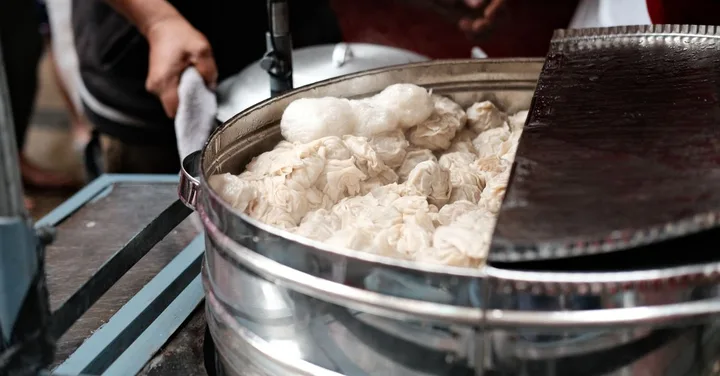
You're standing at a street food stall in Tbilisi, Georgia, pointing hopefully at a khachapuri, that boat-shaped bread filled with molten cheese and egg, and the vendor nods enthusiastically. First bite: warm, salty, buttery, slightly tangy. You think, finally, something I can actually eat. If you've ever travelled internationally as a vegetarian Indian and spent half your trip hunting for food that isn't plain bread or sad iceberg salad, you'll know exactly that feeling of relief.
In This Guide
- Vegetarian Food Guide for International Travel for Indian Travellers: What You Actually Get
- Best Time to Visit (Month-by-Month, Honest)
- Top Experiences You Can't Miss
- Safari Sutra Package Options & Prices in INR (3-5 tiers, realistic INR figures)
- Getting There: Flights from India
- Visa, Vaccinations & Practical Prep
- Frequently Asked Questions
- Plan Your Vegetarian Food Guide for International Travel Trip with Safari Sutra
Travelling vegetarian globally is genuinely getting better. But it still requires knowing where to go, what to ask for, and which countries will feed you well versus which ones will leave you surviving on cheese pizza and room service dal from a packet you smuggled in your suitcase.
This guide breaks it all down, country by country, so you travel with your appetite fully intact.
Vegetarian Food Guide for International Travel for Indian Travellers: What You Actually Get
Let's be honest about something first. "Vegetarian-friendly" means very different things in different cultures. In India, vegetarian is a complete, flavour-forward cuisine. Abroad, it often means "we removed the chicken." That gap is real, and knowing it exists helps you plan better.
Here's a practical, honest country-by-country breakdown:
Italy
Italy is genuinely one of the best countries for Indian vegetarians. The cuisine revolves around pasta, pizza, risotto, bruschetta, and antipasti that need no meat to shine. Cacio e pepe, margherita pizza, pappa al pomodoro, supplì, arancini, and ribollita are all naturally vegetarian. The trick is to specify senza carne e pesce (without meat and fish) because some pasta sauces contain hidden anchovies or pancetta. Most trattorias in cities like Florence, Bologna, and Rome will happily accommodate you.
Japan
Japan looks vegetarian-friendly on the surface, but traditional Japanese stock called dashi is made with fish flakes and sneaks into almost everything, including miso soup, noodle broths, and many sauces. Buddhist temple food called shojin ryori is fully plant-based and absolutely beautiful, but you need to specifically seek out restaurants that serve it. In cities like Kyoto and Tokyo, there are now dedicated vegan and vegetarian restaurants that cater well to travellers. Always carry a vegetarian card printed in Japanese specifying no meat, fish, seafood, or dashi.
Greece
Greece is a fantastic destination. The Mediterranean diet here leans heavily vegetarian, especially during Orthodox fasting periods when a huge portion of the population eats plant-based. Spanakopita (spinach and feta pie), dolmades, gigantes (butter beans in tomato), favas, tirokafteri, and Greek salads are everywhere. Island food in particular, places like Santorini, Crete, and Mykonos, tends to be naturally vegetable-forward. Ask about lentil soup (fakes) and imam bayildi, a stuffed aubergine dish so good it supposedly made the imam faint.
Morocco
Moroccan cuisine is aromatic and deeply layered, with tagines, couscous, and harira soup as staples. The vegetarian versions are genuinely good: vegetable tagine with preserved lemon and olives, couscous with seven vegetables, harira made with lentils and chickpeas. The challenge is that many cooks add small amounts of chicken stock as a base, so always ask clearly, and in medinas, confirm twice. Riads (boutique guesthouses) often offer excellent vegetarian spreads at breakfast and dinner with prior notice.
Thailand
Thai food is tricky. It's extraordinarily flavourful but fish sauce, oyster sauce, and shrimp paste are foundational ingredients in most dishes. The good news: Thailand has a strong tradition of jeh or Buddhist vegetarian food. Look for restaurants with yellow flags and the word "เจ" (jeh) outside, especially around October during the Vegetarian Festival. Pad pak (stir-fried vegetables), mango sticky rice, papaya salad made without fish sauce (ask specifically), and tofu-based dishes work well when you communicate clearly.
Georgia (the country, not the US state)
This is the underrated gem for vegetarian travellers. Georgian cuisine has a rich, cheese-and-walnut-heavy tradition that happens to produce brilliant vegetarian food. Khachapuri (cheese bread in four regional styles), khinkali (dumplings, available with mushroom or potato filling), lobiani (bean bread), pkhali (walnut and vegetable patties), badrijani nigvzit (aubergine stuffed with walnut paste), and phali salads made with spinach and herbs are all naturally vegetarian and deeply satisfying. Tbilisi and Batumi have exploding food scenes worth planning meals around.
Sri Lanka
Closest to home and arguably the most comfortable for Indian vegetarians. Sri Lankan cuisine shares roots with South Indian cooking, so rice and curry, dhal, hoppers, string hoppers, kottu roti with vegetables, and coconut-based curries are all widely available. Vegetarian thali meals are common across the island. If you eat eggs and dairy, you're extremely well covered. Even small roadside restaurants will typically have two or three vegetarian options on the menu without you having to ask.
Mexico
Mexican food is largely adaptable. The base ingredients, tortillas, beans, rice, vegetables, chillies, avocado, and cheese, are vegetarian. Ask for dishes sin carne (without meat). Tacos de nopales (cactus tacos), quesadillas, enfrijoladas, enchiladas with bean or cheese filling, and guacamole with fresh tortilla chips are all brilliant. Be careful with refried beans in some places as they're occasionally made with lard. Street food in Oaxaca, Mexico City, and Merida is particularly good for vegetarians willing to explore.
USA
Major American cities, New York, Los Angeles, San Francisco, Chicago, Austin, are extremely vegetarian and vegan-friendly with dedicated restaurants covering every cuisine imaginable. Smaller towns in the South and Midwest can be genuinely difficult. Plan ahead if you're road-tripping through rural areas, and build in meals at Indian restaurants (they exist even in mid-sized cities) when you need a reset.
Practical tools that actually help:
- HappyCow app: The best global directory of vegetarian and vegan restaurants
- Google Translate camera function: Point it at a menu for instant translations
- Pre-printed vegetarian cards in local languages (sites like VeggieCards.net offer these for free)
- Carry emergency snacks: roasted makhana, protein bars, or instant upma sachets for desperate moments
Best Time to Visit (Month-by-Month, Honest)
This section depends entirely on which destination you're targeting, so here's the honest seasonal breakdown for the most popular ones:
Italy: April to June and September to October are the sweet spots. Summer is hot, crowded, and expensive, especially in Rome and the Amalfi Coast. Winter is quiet and atmospheric in the north but many coastal restaurants close.
Japan: Cherry blossom season (late March to mid-April) is magical and worth the crowds. Autumn foliage (November) is equally stunning and less busy. Avoid Golden Week in early May when domestic travel peaks and everything books out.
Greece: May, June, and September are ideal. July and August are scorching and the islands get overwhelmed with tourists. October is quietly beautiful for mainland travel.
Morocco: March to May and October to November. Summer temperatures in the interior hit 45°C and above, which makes sightseeing genuinely unpleasant. The Atlas Mountains are lovely in spring.
Sri Lanka: December to March for the west and south coasts. June to September for the east coast (Trincomalee, Arugam Bay). Avoid travelling island-wide during the monsoon without checking regional patterns.
Georgia: May to October. Tbilisi is warm and green, the Caucasus mountains are accessible, and wine country (Kakheti region) is at its most beautiful during grape harvest in September.
Top Experiences You Can't Miss
Beyond food, here's what makes each destination worth the flight:
Italy: Cook a real pasta-making class in a Bologna nonna's kitchen. Walk the Cinque Terre coastal trail at sunrise before tour groups arrive. Spend an evening at a local enoteca in Florence with just a glass of Chianti and a plate of pici cacio e pepe.
Japan: Stay one night in a traditional ryokan with a shojin ryori multi-course vegetarian dinner. Walk the Fushimi Inari shrine gates at 6am. Sit quietly at a tea ceremony in Kyoto.
Greece: Take a slow ferry between islands instead of flying. Eat a full mezze spread watching the Aegean at a table that's practically in the water in Santorini or Naxos.
Morocco: Watch a sunset from the rooftop of a riad in the Fes medina. Take a day trip into the Atlas Mountains for lunch at a Berber family home. Spend one night in the Sahara at Merzouga, the silence alone is worth it.
Sri Lanka: Take the Kandy to Ella train through the tea hills (one of the most scenic rail journeys in Asia). Cycle through the Anuradhapura ancient city ruins at dawn. Eat a full southern Sri Lankan vegetarian meal by the sea in Mirissa.
Safari Sutra Package Options & Prices in INR (3-5 tiers, realistic INR figures)
At Safari Sutra Holidays, we've built vegetarian-friendly international itineraries based on over 12 years and 15,000+ trips for Indian travellers. We know which hotels brief their kitchens in advance, which restaurants actually understand "no fish sauce," and where to eat for genuine flavour rather than tourist-trail approximations.
Here's a guide to what you can expect to invest for popular international trips from India, per person on twin-sharing basis, including flights, accommodation, and guided experiences:
Essential Explorer (7-8 nights)
Sri Lanka or Morocco: INR 90,000 to INR 1,20,000
Budget-smart, well-located guesthouses and riads, guided food walks, local transport.
Classic Comfort (8-10 nights)
Greece island combo or Italy highlights: INR 1,60,000 to INR 2,20,000
Three to four-star boutique hotels, private airport transfers, select cooking experiences.
Premium Experience (10-12 nights)
Japan or multi-country Europe: INR 2,80,000 to INR 3,80,000
Four-star hotels in well-located areas, JR Rail passes, guided temple food experiences.
Signature Immersive (12-14 nights)
Georgia plus Turkey, or Italy plus Greece: INR 3,50,000 to INR 4,80,000
Handpicked accommodation, private guides, food-focused itineraries built around vegetarian cuisine traditions.
Ultra-Comfort (10-14 nights)
Japan or Maldives plus Southeast Asia: INR 5,50,000 to INR 8,00,000+
Five-star stays, private transfers throughout, personalized itinerary with dedicated vegetarian meal planning.
You can Explore All Destinations on Safari Sutra to see the full range of places we cover across Asia, Europe, Africa, and the Americas.
Getting There: Flights from India
Most international routes operate out of Mumbai (BOM), Delhi (DEL), Bengaluru (BLR), and Chennai (MAA). Here are rough flight times and conditions to help you plan:
- Sri Lanka: 2.5 to 3 hours from most Indian cities. IndiGo, Air India, SriLankan Airlines operate direct flights. Colombo is the main hub.
- Italy: 9 to 11 hours via Dubai, Abu Dhabi, or Doha. Rome and Milan are the main entry points. Emirates, Etihad, and Qatar Airways offer good connections.
- Japan: 8 to 9 hours from Delhi or Mumbai via direct Air India flights. Tokyo (Narita or Haneda) is the most common entry point.
- Greece: No direct flights from India. Expect one connection via Dubai, Frankfurt, or Istanbul. Total travel time: 10 to 14 hours.
- Morocco: Fly into Casablanca (Mohammed V Airport) via Dubai or Istanbul. About 10 to 12 hours total. Royal Air Maroc sometimes has good deals.
- Georgia: Fly into Tbilisi via Dubai, Istanbul, or Sharjah. Flydubai and Air Arabia often have competitive fares. About 8 to 10 hours total.
Book flights at least 6 to 8 weeks ahead for peak season travel. For Japan during cherry blossom and Europe in summer, 3 to 4 months ahead is more realistic.
Visa, Vaccinations & Practical Prep
Visa requirements for Indian passport holders:
- Sri Lanka: E-visa, applied online, typically approved within 24 hours. Currently free for Indian nationals under a tourism promotion scheme (confirm closer to travel as policies change).
- Italy and Greece (Schengen zone): Schengen visa required. Apply at VFS Global in your city. Processing takes 10 to 15 working days; apply 4 to 6 weeks in advance.
- Japan: Visa required. Japan has simplified the process significantly and sticker visas are issued at Japanese consulates in major Indian cities. Takes about 5 to 7 working days.
- Morocco: Visa on arrival for Indian passport holders is NOT available. Apply for a tourist visa at the Moroccan consulate. Takes 2 to 4 weeks.
- Georgia: Visa on arrival available for Indian passport holders. You can also apply for an e-visa in advance for peace of mind.
- Mexico: Tourist visa required for Indian citizens. Apply at the Mexican Embassy in Delhi or consulate in Mumbai.
Vaccinations: No mandatory vaccines for most of these destinations (except yellow fever if travelling from endemic countries). Routine vaccines should be up to date. For Morocco, Hepatitis A cover is sensible. Check the latest guidance at Incredible India and your nearest travel medicine clinic before departure.
Practical prep for vegetarian travellers:
- Download HappyCow before you fly
- Print vegetarian explanation cards in the local language
- Pack 3 to 5 days of dry Indian snacks for emergencies
- Inform your hotel about dietary requirements at the time of booking, not on arrival
- Ask Safari Sutra to note your food preferences on the trip file so our ground teams handle it proactively
Frequently Asked Questions
Q: Which countries are genuinely easiest for Indian vegetarians?
Sri Lanka tops the list because it's geographically and culinarily close to South India. Georgia is surprisingly brilliant for vegetarians given the cheese, walnut, and vegetable-heavy cuisine tradition. Italy and Greece are both strong options. Japan requires more planning but rewards the effort. Avoid Eastern Europe and parts of South America unless you're comfortable eating pasta and plain salads for days on end.
Q: How do I communicate my dietary needs if I don't speak the language?
Print a "vegetarian card" in the local language that says, in plain terms, that you don't eat meat, poultry, fish, seafood, or products made from them. HappyCow also lists restaurants that specifically cater to vegetarians, so you're not trying to decode a random menu in a village. Google Translate's camera function works well for menus in most languages now.
Q: Will I find Indian food when I need it?
Almost certainly yes, in any city above a certain size. Indian restaurants exist in Tokyo, Rome, Marrakech, Athens, Tbilisi, and every major Western city. They're useful for a reset meal when you've hit a wall with local food, but don't let them become your fallback every night. That's a waste of a good trip.
Q: Is Jain vegetarian (no root vegetables) accommodated abroad?
This is harder. Jain food requires no onion, garlic, potato, carrot, or beetroot, which are cooking fundamentals in most cuisines worldwide. Some high-end hotels and restaurants in major cities can accommodate with advance notice, but it takes planning. Tell Safari Sutra when you book so we can work with partner restaurants and hotels ahead of time.
Q: Is street food safe for Indian vegetarians abroad?
Mostly yes, with care. The risk isn't usually cross-contamination in the Western allergy sense; it's more that street food vendors often use shared oil or utensils across meat and vegetarian dishes. In Morocco, stick to clearly vegetarian items like fresh juices, couscous, and snacks. In Thailand, the jeh food stalls with yellow flags are your safest bet. In Italy and Greece, street food is generally very safe.
Q: Are vegetarian options marked on menus internationally?
Increasingly yes, especially in cities. In Europe, the "V" symbol for vegetarian is now common. Japan is behind on clear labelling but major tourist-area restaurants often have English menus with dietary symbols. In smaller towns globally, you're better off asking directly.
Q: What's the one thing Indian vegetarians are most surprised by?
Portion sizes in Europe and the US, and the fact that a cheese-heavy meal can leave you feeling very full after just two courses. Pace yourself. The other surprise is how good plant-based food can taste when a cuisine has centuries of tradition around it, like Georgian walnut dishes or Moroccan vegetable tagines. Approaching it with curiosity rather than comparison to Indian food is the whole game.
Plan Your Vegetarian Food Guide for International Travel Trip with Safari Sutra
After 12 years and 15,000+ trips, the team at Safari Sutra Holidays has found that the biggest difference between an average trip and a great one often comes down to the details that get sorted before you fly: the right hotel briefed on your food needs, the right local contacts who know which restaurants actually understand vegetarian versus just "no meat on the plate," and an itinerary that gives you space to eat well rather than rush through meals.
We plan international travel for Indian vegetarians regularly. We know which ryokans in Kyoto offer genuine shojin ryori, which riads in Fes will make you a full Moroccan vegetarian spread without being asked twice, and which street food neighbourhoods in Rome are worth an evening wandering on an empty stomach.
If you're ready to travel without the food anxiety, we're ready to plan it properly.
Ready to Plan Your Trip?
Safari Sutra Holidays — 13 years, 15,000+ trips, zero cookie-cutter itineraries.
Get Your Free Custom Quote →+91 9860415774 | hello@thesafarisutra.com

Safari Sutra Team
Travel curators with 13 years of experience planning Indian and international holidays — from safari adventures to island escapes.
View All Posts