You've finally decided to book that trip. Maybe it's Rajasthan in winter, or a Kenya safari, or a week in Japan that's been sitting on your vision board since 2019. You open your browser, type something like "best travel company India," and suddenly you're staring at 47 tabs of agencies, each one promising "handpicked experiences" and "stress-free holidays." They all look roughly the same. The websites are polished, the testimonials glow, and the prices vary wildly for what appears to be the same itinerary.
In This Guide
- How to Choose a Travel Company in India for Indian Travellers: What You Actually Get
- Best Time to Visit (Month-by-Month, Honest)
- Top Experiences You Can't Miss
- Safari Sutra Package Options and Prices in INR (3-5 Tiers, Realistic Figures)
- Getting There: Flights from India
- Visa, Vaccinations and Practical Prep
- Frequently Asked Questions
- Plan Your How to Choose a Travel Company in India Trip with Safari Sutra
Here's the thing: the difference between a trip that changes how you see the world and one that leaves you exhausted and overcharged usually comes down to one decision made before you even pack your bag. Choosing the right travel company. And most people don't know what to ask.
This guide gives you the exact questions to ask, what good answers look like, and what red flags to watch out for.
How to Choose a Travel Company in India for Indian Travellers: What You Actually Get
The Indian travel market has grown massively in the last decade. There are aggregator platforms, budget operators, boutique specialists, and everything in between. For a premium Indian traveller, the challenge isn't finding options. It's filtering the noise.
Here's the context that matters: a good travel company isn't just booking hotels and transfers. It's giving you local intelligence, managing the unexpected, and genuinely understanding what you value in a trip. As Indian travellers, our expectations are specific. We want value without compromise. We want someone who knows whether the hotel serves Indian food, whether the visa process is complicated right now, and whether a particular safari camp is actually worth the price or just has great Instagram photos.
That specificity is what separates a great operator from a generic one.
Before you hand over your deposit, ask these 10 questions.
Question 1: How long have you been operating, and how many trips have you actually sent?
This matters more than any award on their homepage. An agency with 12+ years and 15,000+ trips across dozens of destinations has seen things go wrong and knows how to fix them. A newer operator might be perfectly fine, but they haven't tested their supplier relationships under pressure. When a flight cancels in Nairobi or a lodge floods in Coorg, you want someone who has handled that before.
Question 2: Do you specialise, or do you do everything?
There's a difference between a company that can send you to Peru and one that genuinely knows Peru. Ask where they're strongest. The best operators have deep expertise in specific regions or trip types. If a company confidently quotes you on 40 destinations with equal enthusiasm, that's worth probing.
Question 3: Who are your on-ground partners?
Your trip is only as good as the people running it on the other end. Ask who owns the vehicle you'll be in, who guides your game drives, who manages the camp. A good travel company will tell you exactly who their partners are and why they chose them. Vague answers like "we work with the best local teams" are not answers.
After 12 years and 15,000+ trips, the team at Safari Sutra Holidays has found that the biggest difference between an average trip and a great one is guide quality and game drive timing. These aren't things you can fix with a nicer hotel. They have to be built into the structure of the trip from day one.
Question 4: Can I see a sample itinerary, and will you customise it?
A sample itinerary tells you a lot about how a company thinks. Is it just a list of places and times, or does it explain why they've made each choice? Good operators think about pacing, about the quality of each transition, about where to slow down. If they push back on customisation or say the itinerary is "standard," you've learned something useful.
Question 5: What's your cancellation and refund policy, and is it in writing?
This question makes some operators uncomfortable. That's informative. The best companies have clear, fair policies written into their contracts. Ask what happens if a political situation changes, if a health advisory is issued, or if you simply need to postpone. Post-2020, any reputable operator should have a thoughtful answer to this.
Question 6: What does your on-trip support look like?
Are you getting a WhatsApp number for emergencies, or is there an actual person monitoring your trip? Ask specifically what happens if something goes wrong on a Sunday night in a different time zone. The answer will tell you whether you're buying a product or a service.
Question 7: Have you personally been to the places you're recommending?
This is the question most people forget to ask, and it's one of the most important. You want your travel consultant to have actually stood at that viewpoint, eaten at that restaurant, and driven that road in the rain. First-hand knowledge shows up immediately in conversation. It sounds different from someone reading from a brochure.
Explore All Destinations on Safari Sutra's website to get a sense of where a specialist operator's depth actually lies, before you even speak to someone.
Question 8: What's included versus what will I pay extra for?
Pricing clarity is a sign of operational maturity. Ask for a line-by-line breakdown. Some operators quote attractively and then add park fees, inter-camp transfers, tipping guidelines, and travel insurance separately. Others bundle everything meaningfully. Neither model is wrong, but you need to know which one you're comparing.
Question 9: Can you share references or real reviews from Indian travellers?
Testimonials on a company's own website are useful but limited. Ask if you can speak to a past client, or look for reviews on Google, TripAdvisor, or travel forums where Indian travellers share unfiltered feedback. Look specifically for reviews from people with similar trip preferences to yours.
Question 10: How do you handle the India-specific logistics?
Flights from Mumbai or Delhi, visa requirements, currency, travel insurance suited to Indian passport holders, whether the destination requires vaccinations that you'd need to get in India first. A travel company that genuinely serves Indian travellers should handle all of this without you having to chase it down yourself.
Best Time to Visit (Month-by-Month, Honest)
This section applies specifically to choosing the right time to travel, which is one of the most common areas where a good travel company adds value over booking independently.
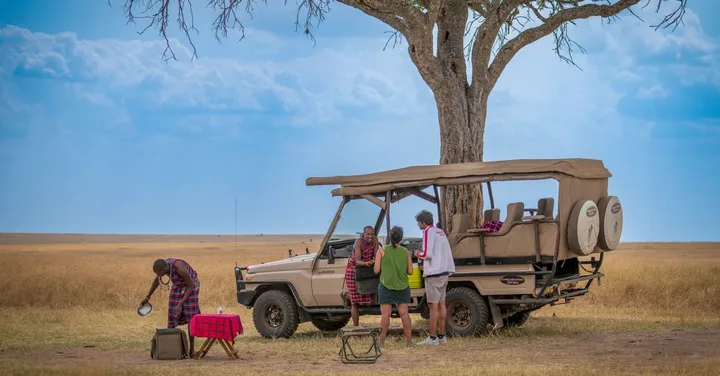
For African safaris: October to March is ideal for most East and Southern African destinations. The dry season in Botswana and Zimbabwe peaks from May to October, which is when game viewing is at its best. February and March are calmer for the Serengeti calving season. A company that doesn't know this distinction and just says "anytime is good" is not the right company.
For Southeast Asia: November to February is the sweet spot before humidity takes over. Bali in August is beautiful but congested. A good operator will tell you honestly which months to avoid and why.
For India travel: October to March covers most of the country well. The Rann of Kutch festival in January, Rajasthan in December, Kerala backwaters in September when the rush has thinned out. The Incredible India tourism board gives a useful seasonal overview, but a specialist will layer in ground-level insight on crowd patterns and value windows.
The point here is that timing advice should be specific and honest, not generically positive. The best time to travel is often not the most popular time.
Top Experiences You Can't Miss
The questions above help you find a good operator. Once you do, here's what to look for in the itinerary itself.
For African safaris: Dawn game drives are non-negotiable. Animals are most active in the first two hours after sunrise. Any itinerary that keeps you in camp until 8am is not built for great sightings. Ask specifically about game drive timing.
For Rajasthan: Skip the standard Golden Triangle if you've done it. Ask about Bundi, Shekhawati, or the Chambal ravines. The company's response will tell you whether they know the destination or just the brochure.
For Southeast Asia: The best meals in Thailand are not in tourist restaurants. Ask whether your itinerary includes a market visit, a cooking class, or a meal at a place that doesn't have an English menu outside.
For Europe: Train travel beats flying between cities on almost every measure for trips under 4 hours. If a company automatically routes you through airports for every hop, they're prioritising simplicity over your experience.
For any destination: Ask if there's any free time built in. The best trips have breathing room. Packed back-to-back itineraries look impressive on paper and feel exhausting in person.
Safari Sutra Package Options and Prices in INR (3-5 Tiers, Realistic Figures)
Rather than one-size-fits-all pricing, Safari Sutra Holidays works across a clear value spectrum. Here's an honest overview of what different investment levels actually get you.
Essential tier (approx. INR 80,000 to 1,20,000 per person)
Suited to first-time travellers or shorter domestic trips. Includes solid mid-range accommodation, group transfers, and a pre-planned itinerary with limited customisation. Good for: Rajasthan circuits, Goa, introductory Southeast Asia trips.
Comfort tier (approx. INR 1,50,000 to 2,50,000 per person)
The sweet spot for most Indian premium travellers. Includes boutique or heritage hotels, private transfers, a more flexible itinerary, and responsive support. Good for: East Africa safaris, Sri Lanka, Vietnam or Cambodia, hill stations with character.
Premium tier (approx. INR 3,00,000 to 5,00,000 per person)
Private-guided experiences, smaller camps, exclusive properties, and a dedicated trip manager. The accommodation is meaningfully different at this level, not just incrementally better. Good for: Botswana and Zimbabwe safaris, Bhutan, Maldives villa stays, Japan.
Luxury tier (INR 5,00,000 and above per person)
Bush camps with fewer than 10 guests, privately chartered flights between camps, personal concierge from planning through return. For travellers who know exactly what they want and want zero compromise. Good for: Gorilla trekking in Rwanda, private island stays, high-end European journeys.
Family and group travel (pricing on request)
Multi-generational trips and group departures are priced separately, with specific attention to varied activity levels, dietary needs, and pacing. This is an area where experience with Indian families specifically makes a real difference.
Prices above are per person based on double occupancy and exclude international flights unless specified. Plan Your Trip with Safari Sutra and get a detailed breakdown built around your actual preferences.
Getting There: Flights from India
Ready to Plan Your Trip?
Safari Sutra Holidays — 13 years, 15,000+ trips, zero cookie-cutter itineraries.
Get Your Free Custom Quote →+91 9860415774 | hello@thesafarisutra.com

Safari Sutra Team
Travel curators with 13 years of experience planning Indian and international holidays — from safari adventures to island escapes.
View All Posts