You step out of Istanbul Airport into the cool pre-dawn air, and before you've even reached your hotel, you can feel it: this city is different. The call to prayer rises from somewhere across the Bosphorus just as your taxi crosses the bridge between continents. Europe to your left, Asia to your right. A chai-coloured sea catching the first light of morning. By the time you check in and look out at the Blue Mosque through your window, you'll wonder why it took you this long to come here.
Turkey is one of those destinations that rewards the traveller who actually does it properly. Not a rushed 4-night package with a checkbox itinerary, but a real trip: seven or eight nights that take you from the Ottoman grandeur of Istanbul to the surreal moon-like valleys of Cappadocia, with white limestone terraces and Roman ruins thrown in for good measure. This guide breaks down exactly how to do a turkey tour from india 2026, what it costs in real INR, and what to do each day so you don't waste a single morning.
Your Trip at a Glance
This is the 6-night, 7-day Cultural Immersion route that Safari Sutra Holidays runs from India. It covers the three pillars of a proper Turkey trip:
- Day 1: Arrive Istanbul, check in, evening walk through Sultanahmet
- Day 2: Full-day Istanbul: Hagia Sophia, Blue Mosque, Grand Bazaar, Bosphorus cruise
- Day 3: Topkapi Palace, Galata Tower, Spice Bazaar, transfer to Cappadocia (evening flight)
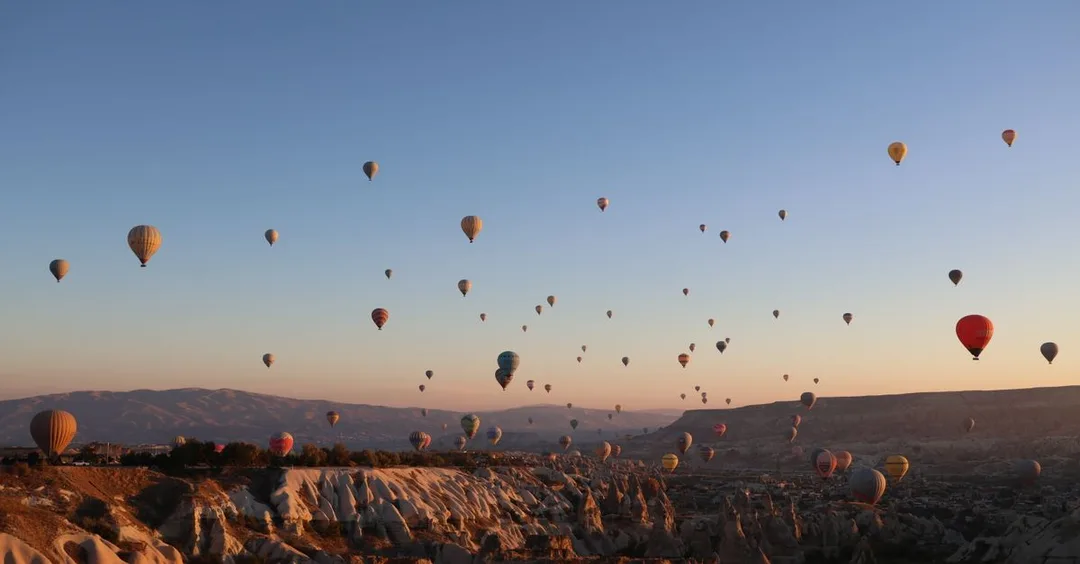
- Day 4: Hot air balloon at sunrise, Göreme Open Air Museum, Rose Valley hike, ATV ride
- Day 5: Underground city of Derinkuyu, cave hotel check-out, fly to Pamukkale (or drive via Denizli)
- Day 6: White travertine terraces of Pamukkale, ancient Hierapolis ruins, thermal pool soak
- Day 7: Transfer to Antalya or Denizli airport, fly home or extend for a Turkish Riviera beach day
Day-by-Day Breakdown
Day 1-2: Istanbul, Where East Meets West
You land in Istanbul and your first instinct might be to sleep. Don't. If you've timed your flight right (most Indian carriers and Turkish Airlines from Mumbai or Delhi arrive in the morning local time), check into your hotel in Sultanahmet and walk straight to the Blue Mosque. No queue at this hour. Just you, Ottoman tile work, and the soft echo of pigeons in the courtyard.
By evening, find a rooftop restaurant in the Sultanahmet district and order mercimek çorbası (a thick red lentil soup) and fresh-baked simit. The Bosphorus glitters below you, cruise ships drift past, and it suddenly makes complete sense why Istanbul has been a capital of three empires. Sleep well because Day 2 is full.
Day 2 is your big Istanbul day. Start with Hagia Sophia, which is free to enter and opens early. It's a 1,500-year-old building that has been a Byzantine church, an Ottoman mosque, and a UNESCO heritage site, and it still takes your breath away inside. Right across the square is the Blue Mosque. Then take a taxi to the Grand Bazaar: 4,000 shops, spice hills, ceramic plates, leather bags, and Turkish delight samples pressed into your hands at every turn. It's organised chaos, very Mumbai-ish in energy. End the day with a Bosphorus evening cruise, where the city skyline shifts in the golden hour light. Turkish cuisine will be everywhere: stick to the kebabs, the mezes, and please, try the baklava from Karaköy Güllüoğlu if you're anywhere near the Galata Bridge.
Day 3: Topkapi to Cappadocia
Morning in Istanbul belongs to Topkapi Palace, the seat of the Ottoman sultans for four centuries. The Harem alone takes an hour. The Treasury is worth every second: the Topkapi Dagger, the 86-carat Spoonmaker's Diamond, and enough jewelled artefacts to make you forget you need to catch a flight.
After lunch, swing through the Spice Bazaar and the Galata Tower area (the view from the top is worth the modest entry fee) before heading to Istanbul Airport for your evening domestic flight to Nevsehir or Kayseri, the two airports that serve Cappadocia. The flight is roughly 90 minutes. Your driver will meet you at the airport and take you to your cave hotel in Göreme or Ürgüp. Sleeping in a room carved out of volcanic rock, with a carved stone ceiling above you and fairy chimneys outside your window, is something you genuinely don't forget.
Day 4: The Hot Air Balloon Morning and Cappadocia's Hidden Valleys
Set your alarm for 4:30 AM. This is the day. Hot air balloon flights over Cappadocia at sunrise are one of those experiences that sound like marketing hyperbole until you're actually a thousand feet in the air, drifting over a landscape of pink and orange rock formations while the sun comes over the horizon and dozens of other balloons float silently around you. It's an hour to 90 minutes in the air, and it costs around $150-200 USD per person through a licensed operator. Go Turkey, the official Turkish tourism portal, lists certified balloon operators, and it's important to book through a reputable one. Safari Sutra Holidays can handle this booking as part of your package.
After breakfast (and a champagne toast on landing, which is the tradition), spend the afternoon at the Göreme Open Air Museum, a UNESCO-listed rock monastery complex with Byzantine frescoes still vivid after a thousand years. In the late afternoon, hike Rose Valley as the light turns golden and the rocks shift from cream to pink to deep amber. If you'd rather ride than walk, ATV tours through the valleys are popular and genuinely fun.
Day 5: Underground Cities and the Journey to Pamukkale
Before you leave Cappadocia, go underground. Derinkuyu is an 8-level underground city carved by early Christians to hide from persecution. It goes 85 metres deep and once sheltered 20,000 people. Walking through its narrow carved tunnels, stables, chapels, and ventilation shafts, you get a visceral sense of human ingenuity under pressure. It's one of the most unusual places in Turkey and almost always underestimated on itineraries.
From Cappadocia, you'll fly or take a long drive down to Denizli, the gateway to Pamukkale. Check in to a hotel close to the travertines for an easy early morning the next day. Dinner here is quiet and local: Aegean Turkish cooking, which means more olive oil, fresh herbs, grilled fish if you eat it, and excellent village bread. You've earned a slow evening.
Day 6: Pamukkale's White World and Ancient Hierapolis
You've seen photos of Pamukkale's white calcium terraces cascading down a hillside like frozen waterfalls. The real thing is stranger and more beautiful than photos suggest. The terraces are formed by calcium-rich thermal spring water that has been flowing here for millennia, and you're allowed to walk on them barefoot (shoes must come off at the entrance). The water is warm underfoot, and the calcium deposits are this odd mix of white and cream and pale blue-green.
At the top of the terraces sits Hierapolis, an ancient Roman and Byzantine city that was essentially a thermal spa resort in antiquity. The ruins include a theatre that seats 12,000, a necropolis stretching along the ridge, and the Antique Pool where you can actually swim among fallen Roman columns. The pool entry is around $25 USD and absolutely worth it. Spend a full morning here and be back at your hotel by early afternoon. This is also where you check the Turkey Tour Packages page if you're considering adding the Turkish Riviera as an extension.
Day 7: Departure or Extend for Antalya
If your flights work out, an extra day on the Turkish Riviera near Antalya gives you a completely different flavour of Turkey: turquoise water, limestone cliffs, boat tours through sea caves, and long lunches at harbour restaurants. The old town of Antalya (Kaleiçi) is small and beautiful, with Roman gates, Ottoman houses, and a harbour full of wooden boats. If you're extending your trip for this, it's easy to build in.
If you're heading home on Day 7, transfers from Denizli or Antalya airport connect to Istanbul for your international flight back to Mumbai, Delhi, or Bangalore.
What's Included and What's Not
Typically included in a Safari Sutra package:
- Hotel accommodation (4-star properties, cave hotel in Cappadocia)
- All internal flights within Turkey (Istanbul-Cappadocia, Cappadocia-Denizli)
- Airport and inter-city transfers throughout
- Daily breakfast at each hotel
- English/Hindi-speaking local guides in Istanbul, Cappadocia, and Pamukkale
- Major site entry fees (Hagia Sophia, Göreme Open Air Museum, Hierapolis)
- Bosphorus evening cruise
Not included:
- International flights from India (Mumbai/Delhi to Istanbul return)
- Hot air balloon flight in Cappadocia (approx. $150-200 USD, can be pre-booked through us)
- Antique Pool entry at Pamukkale (~$25 USD)
- Lunches and dinners (unless specified in a custom package)
- Turkish e-Visa fee ($50-60 USD, applied for online before travel)
- Travel insurance (strongly recommended)
- Personal shopping in the Grand Bazaar (budget liberally)
Total Cost in INR
Here's an honest breakdown for two people travelling from India in 2026:
- International flights (Mumbai/Delhi to Istanbul return, 2 pax): approx. Rs 60,000-1,00,000 depending on airline and booking window. Turkish Airlines direct from Delhi is excellent value.
- Safari Sutra Holiday package (6N/7D per person): Rs 80,000-1,10,000 per person, so Rs 1,60,000-2,20,000 for two
- Hot air balloon (2 pax): approx. Rs 25,000-35,000 total
- Turkish e-Visa (2 pax): approx. Rs 8,000-10,000 total
- Meals out (lunches and dinners over 7 days): Rs 15,000-25,000 for two, roughly
- Shopping, Antique Pool, incidentals: Rs 10,000-20,000
Total realistic trip cost for 2 people: Rs 2,80,000-4,00,000
That's a full Turkey cultural trip for two, including flights, in the Rs 3-4 lakh range. Compare that to Western Europe for the same duration and you'll understand why Turkey has become such a favourite for Indian premium travellers. The Turkish Lira has been under pressure for a few years now, which means your rupees go considerably further on the ground than in comparable destinations.
Tips for Making the Most of Every Day
-
Book your balloon flight early. Slots fill up months ahead in April-June and September-October, which are the best flying seasons. Don't leave it to a week before travel.
-
Istanbul has an Istanbulkart metro card. Get one at the airport. It works on trams, metro, and ferries, and saves you from paying tourist prices for individual tickets.
-
Go to Hagia Sophia before 9 AM. By 10 AM the queues get long and the crowds make the interior feel smaller than it is.
-
Pack a light scarf. You'll need it for mosque entries for women. Men need covered shoulders too in some smaller mosques.
-
Try the street food. Simit (sesame bread rings), midye (stuffed mussels sold by the dozen), and fresh pomegranate juice from street carts are all excellent, cheap, and genuinely good.
-
Indian digestive tip: Turkish food is generally cleaner than street food in many other countries, but stay hydrated and stick to bottled water. The ayran (salted yoghurt drink) is actually very good for the stomach.
-
Visa sorted at home. Apply for your Turkish e-Visa at least a week before travel at evisa.gov.tr. Indian passport holders are eligible and it's straightforward. No stamped visa needed.
After 12 years and 15,000+ trips, we've found the biggest difference between an average trip and a great one is guide quality and timing. In Cappadocia, an early morning guide who knows exactly where to position you for the balloon lift-off, or a local in Hierapolis who explains what you're actually standing on rather than just naming the columns, changes everything. These are things Safari Sutra Holidays gets right for every client we send.
Frequently Asked Questions
Q: What is the best time for a turkey tour from India in 2026?
April to June is the sweet spot. The weather is mild across Istanbul, Cappadocia, and Pamukkale, the hot air balloons fly reliably, and Istanbul has tulips blooming in its parks. September and October are equally good. Avoid mid-July and August if you can: it gets very hot in Pamukkale and very crowded in Istanbul. December to February is worth considering for budget travellers who want Cappadocia covered in snow, which is genuinely magical but balloon flights get cancelled more often.
Q: Do Indian passport holders need a visa for Turkey?
Yes, but it's simple. You apply online for a Turkish e-Visa before your trip at the official government portal. It costs around $50-60 USD, is usually approved within a day or two, and you just show it on your phone at the airport. There's no embassy queue involved.
Q: Is Turkey safe for Indian tourists?
Turkey is a well-established tourist destination and generally very safe for Indian travellers, including solo women travellers. Istanbul's major tourist areas are well-policed, and the local attitude toward Indian visitors is warm and welcoming. The usual precautions apply: watch your wallet in crowded bazaars, book accommodation in central areas, and stay updated on any travel advisories from the Ministry of External Affairs before you go.
Q: Can vegetarians manage well in Turkey?
Better than most people expect. Turkish cuisine has excellent vegetarian options: hummus, haydari (yoghurt dip), patlican salatasi (smoky aubergine), gözleme (flatbread with spinach and cheese), lentil soups, and vegetable stews. Bread in Turkey is exceptional. The challenge is at non-touristy local restaurants where menus may only be in Turkish, but pointing at what others are eating works perfectly well.
Q: How many days should I spend in Istanbul?
Three nights is the minimum to do Istanbul properly. Two nights means you're rushing. If you have the option of extending to four nights and skipping Pamukkale, that's a good trade for those more interested in history and city life than landscapes.
Q: Is Cappadocia worth the extra cost and effort to get there?
Yes. Without hesitation. Cappadocia is the reason Turkey sits on so many Indian travellers' bucket lists in 2026, and seeing it in photos versus being there in person is a completely different thing. The cave hotels, the valleys, the underground cities, and that balloon sunrise are experiences that don't have equivalents anywhere else in the world. It's not optional if you're doing Turkey properly.
Q: Can I add a beach extension in Antalya?
Absolutely. Antalya and the Turkish Riviera are easy to tag on at the end of the Pamukkale leg, either as an overnight or a two-night extension. Talk to us when you're planning and we can build it into the itinerary without complicating the routing.
Book This Itinerary with Safari Sutra
Turkey in 2026 is one of the best-value international trips available to Indian travellers right now. Great food, extraordinary history, landscapes that look like a different planet, and easy logistics from major Indian cities. The cultural 6N/7D itinerary above is the foundation; we can extend it, add the honeymoon cave hotel upgrade, build in the Turkish Riviera, or adjust it entirely around what matters most to you.
You can browse the full range of options on our Turkey Tour Packages page to get a sense of what's possible.
This exact itinerary is bookable. Contact Safari Sutra Holidays to get your custom quote and we'll sort out everything from flights to that 4:30 AM balloon wake-up call.

Safari Sutra Team
Travel curators with 13 years of experience planning Indian and international holidays — from safari adventures to island escapes.
View All Posts