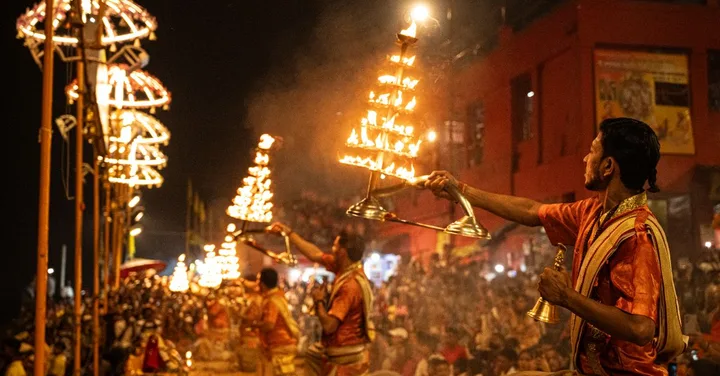
The cold hits you before the sound does. Standing on the ghats at 5:30 AM, wrapped in a shawl that's not quite thick enough, you watch the Ganga move in the pre-dawn grey, and then the chanting starts from somewhere upstream. It builds slowly, mixes with the smell of marigolds and damp stone, and something in your chest just... Settles. Half an hour later, you're in a wetsuit, screaming your way through Grade 4 rapids called "Golf Course" and "Three Blind Mice," river water in your face, lungs wide open. That's Rishikesh. Silence and adrenaline, yoga and chaos, all running along the same river.
In This Guide
- Rishikesh 2026 for Indian Travellers: What You Actually Get
- Best Time to Visit (Month-by-Month, Honest)
- Top Experiences You Can't Miss
- Safari Sutra Package Options & Prices in INR
- Getting There: Flights from India
- Visa, Vaccinations & Practical Prep
- Frequently Asked Questions
- Plan Your Rishikesh 2026 Trip with Safari Sutra
Rishikesh 2026 for Indian Travellers: What You Actually Get
Rishikesh has always been special for Indian travellers because it's not a performance. It's not trying to be spiritual for tourists. The ashrams are real, the sadhus aren't posing for your camera (mostly), and the river is genuinely sacred to the people who live here. That authenticity is what keeps people coming back.
In 2026, the town has grown up a little without losing its soul. Laxman Jhula is still closed to vehicles, the Beatles Ashram (officially Chaurasi Kutia) has been maintained and is open for exploration, and the rafting operators along the Shivpuri stretch are better regulated than they were five years ago. Infrastructure from Dehradun to Rishikesh has improved significantly, making the drive smoother and faster.
What you're actually getting here is a rare combination: one of India's most accessible adventure destinations sitting inside one of its most significant spiritual landscapes. You can do a sunrise yoga class, eat the best banana pancake of your life on a rooftop café, jump off a 83-meter bungee platform, and watch the Ganga aarti at Triveni Ghat, all in the same day. Not many places in the world offer that range.
For Indian travellers, this is also one of the most honest value destinations around. You don't need to convert currency or worry about international travel insurance complications. Food is spectacular and cheap. And the people of Garhwal are genuinely warm, not in a transactional way.
Explore our full range of Uttarakhand Himalaya Tour Packages if you want to combine Rishikesh with Haridwar, Mussoorie, or a trek into the higher Himalayas.
Best Time to Visit (Month-by-Month, Honest)
February to April is the sweet spot. The weather is crisp but not cold, the river is clear, and the rafting season is fully open. Yoga ashrams are running full programs, crowds are manageable, and the Himalayan backdrop is clean and sharp without haze.
May to June gets hot in the valley but is still viable if you're going primarily for yoga and the ashram experience. Mornings and evenings are beautiful. Avoid the midday heat by scheduling your rafting and outdoor activities early.
July to mid-September is monsoon. Rafting is closed because the Ganga rises significantly and becomes genuinely dangerous. Some years the roads to Rishikesh are disrupted by landslides. If you're going purely for a spiritual retreat or yoga immersion and don't mind rain, it can be peaceful and surprisingly affordable. Just don't come for adventure sports.
October and November is the second-best window. Post-monsoon, the valley is green, the river is settling back to safe levels, rafting reopens by mid-October, and the crowds from summer are gone. Diwali in Rishikesh is something else entirely, with the entire ghats lit with diyas.
December and January are cold, particularly at night (2 to 5 degrees Celsius), and while beautiful, rafting is limited. Yoga retreats run year-round and this can be a meditative, uncrowded time. Pack properly.
The honest verdict: If you want to do everything, go in February-March or October-November. These are the months Safari Sutra books most heavily for Rishikesh, and for good reason.
Top Experiences You Can't Miss
White Water Rafting on the Ganga
This is the headline act and it deserves the billing. The classic stretch runs from Shivpuri (around 16 km) or Marine Drive (around 26 km) to Rishikesh, taking you through a series of rapids that range from Grade 2 to Grade 4. You don't need prior experience for most of these routes. Operators provide life jackets, helmets, and guides. The water is cold, the rapids are real, and the stretches of calm water between them, with forested cliffs on both sides and the occasional eagle overhead, are genuinely beautiful.
Bungee Jumping at Jumping Heights
At 83 meters, this is one of the highest fixed-platform bungee jumps in Asia, as recognised by adventure tourism bodies and featured on Incredible India. Jumping Heights also operates a 65-meter Giant Swing and a 25-meter Flying Fox. Book in advance because slots fill up, especially on weekends and in peak season.
Yoga and Ashrams
Rishikesh has earned its title as the "Yoga Capital of the World" and the ashrams here take it seriously. Parmarth Niketan is the most famous, running structured courses and the evening Ganga aarti that's worth attending at least once. Sivananda Ashram has a more disciplined residential program. If you want something less structured, dozens of independent yoga schools offer drop-in morning classes for ₹300 to ₹800 per session.
Ganga Aarti at Triveni Ghat
Every evening, as the sun goes down, priests perform the aarti at the ghats with brass lamps, chanting, and incense. This isn't a tourist show. Locals come here every night. Sit on the steps, watch the floating diyas move downstream, and just be still for a while. It costs nothing and stays with you for a long time.
The Beatles Ashram
Officially Maharishi Mahesh Yogi's Chaurasi Kutia, this is where the Fab Four spent time in 1968. It's now a protected site under the Forest Department. The meditation domes are covered in street art, the jungle has grown through the buildings, and the whole place has this strange, layered quality of spiritual history and artistic expression. Entry is around ₹150 for Indian visitors.
Camping and Cliff Jumping
Several camps along the Ganga, between Shivpuri and Rishikesh, offer riverbank camping with bonfire evenings, kayaking, and cliff jumping into calm pools. This works beautifully as a 2-night add-on to a longer Rishikesh stay.
Safari Sutra Package Options & Prices in INR
We've designed these tiers based on feedback from thousands of Rishikesh travellers. These are per-person prices based on double occupancy.
Weekend Escape (2 Nights / 3 Days)
Perfect for a quick break from Delhi or Dehradun. Includes comfortable guesthouse accommodation, morning yoga session, one day of rafting (Shivpuri to Rishikesh), Ganga aarti visit, and breakfast.
Starting from ₹8,500 per person
Rishikesh Classic (3 Nights / 4 Days)
Our most popular option. Includes boutique hotel accommodation, two rafting runs (including a longer Marine Drive route), bungee or Giant Swing at Jumping Heights, yoga sessions, Beatles Ashram visit, and all breakfasts plus one riverside dinner.
Starting from ₹15,000 per person
Adventure + Wellness Combo (5 Nights / 6 Days)
For travellers who want both depth and thrills. Includes riverside tented camp for 2 nights and boutique hotel for 3, daily yoga and meditation sessions, full rafting program, bungee jump, kayaking, cliff jumping, cycling to Neelkanth Mahadev Temple, and most meals.
Starting from ₹24,500 per person
Yoga Retreat Special (7 Nights / 8 Days)
Built around an ashram immersion. Includes structured yoga and pranayama program at a reputed school, ashram accommodation option or boutique hotel, daily Ganga aarti, cooking class, day trip to Haridwar, and optional single day of rafting.
Starting from ₹32,000 per person
Private Premium (Customisable)
For families, groups, or travellers who want a completely private itinerary with a dedicated trip manager, luxury resort accommodation (think Ananda in the Himalayas territory), private yoga instructor, private rafting group, and personalised scheduling.
From ₹65,000 per person, custom-quoted
All prices are subject to seasonal variation and availability. Contact us for the most current rates.
Getting There: Flights from India
Rishikesh doesn't have its own airport. The nearest one is Jolly Grant Airport in Dehradun, about 35 km away and a 45-60 minute drive under normal conditions.
From Delhi: Indigo, Air India, and SpiceJet operate multiple daily flights. Flight time is about 50 minutes. Alternatively, the Shatabdi Express from New Delhi to Haridwar (about 4.5 hours) is excellent, and you can take a taxi or local bus from Haridwar to Rishikesh (25 km, roughly 45 minutes). If you have time, the road trip from Delhi through Meerut or Roorkee takes 5-6 hours and is very manageable.
From Mumbai: Direct flights to Dehradun operate via IndiGo and Air India, roughly 2 hours. Check early morning departures to arrive in Rishikesh by afternoon.
From Bengaluru and Chennai: Most routes connect via Delhi. Plan a night halt in Delhi or book an early enough connection to reach Rishikesh before dark.
From Chandigarh: A scenic 5-hour road journey, great if you're combining this with Himachal travel.
Once you land at Jolly Grant, pre-booked taxis are reliable. Safari Sutra arranges airport transfers as part of all packages, so you don't need to figure out local transport on arrival.
Visa, Vaccinations & Practical Prep
This is domestic India travel, so there are no visa requirements, no passport needed (your Aadhaar or voter ID is fine), and no mandatory vaccinations.
A few practical things worth keeping in mind:
- Altitude: Rishikesh sits at around 350 meters, so there's no altitude sickness concern here.
- Water: Drink bottled or filtered water. The Ganga is sacred; drinking it from the tap is a different matter.
- Cash: Many smaller cafes, ghats vendors, and local shops still prefer cash. Keep ₹2,000-3,000 in small notes handy.
- Dress code: Rishikesh is conservative by hill town standards. Shorts and sleeveless are fine around adventure sports areas, but cover up when visiting temples and ashrams. It's respectful and it'll also make your interactions with locals warmer.
- Phone networks: Jio and Airtel work well. BSNL has better penetration in more remote areas if you're going off-route.
- Travel insurance: For adventure activities like rafting and bungee, check that your existing insurance covers adventure sports. Most standard Indian health policies don't. It's worth adding a specific adventure sports rider.
Frequently Asked Questions
Q: Is Rishikesh safe for solo female travellers?
Yes, genuinely. Rishikesh has a significant international backpacker and yoga retreat community, which means it's relatively progressive for a North Indian hill town. The main tourist areas around Laxman Jhula, Ram Jhula, and the ghats are busy and well-lit in the evenings. Standard sensible precautions apply, especially late at night on quieter stretches, but solo women travel here regularly and safely. Staying at reputable guesthouses or ashrams adds an extra layer of community around you.
Q: How physically fit do I need to be for rafting?
Reasonably fit, but not athletic. You'll be paddling with a team and following a guide's instructions. The Shivpuri route (Grade 2-3) is accessible for most adults in average health. The longer Marine Drive route (which includes Grade 4 rapids) benefits from better swimming confidence. You do not need to be able to swim, but you must disclose any heart conditions, back injuries, or seizure history to operators. Minimum age for most commercial rafting is 14 years.
Q: Can vegetarians eat well in Rishikesh?
Rishikesh is almost entirely vegetarian by default. Alcohol and meat are technically banned in the town limits (as it's a sacred city), though you'll find cafes near the backpacker stretch that bend this rule quietly. For vegetarians, it's paradise: fresh momos, aloo parathas, banana pancakes, South Indian tiffin, Israeli salads, and some of the best dal chawal you'll find in Uttarakhand.
Q: What's the best way to combine Rishikesh with other Uttarakhand destinations?
Haridwar is 25 km away and works perfectly as a day trip or as a start/end point. Mussoorie is about 3 hours by road. If you have 10-12 days, combining Rishikesh with a trek to Valley of Flowers or a road trip to Kedarnath and Badrinath makes for a complete Uttarakhand circuit. Our Uttarakhand Himalaya Tour Packages cover exactly these multi-destination options.
Q: Is bungee jumping at Jumping Heights really safe?
Yes. Jumping Heights has operated since 2010 and uses internationally certified equipment and trained staff. They follow strict weight limits (minimum 40 kg, maximum 110 kg) and have a solid safety record. That said, it's still bungee jumping and the pre-jump anxiety is very real. If you're on the fence, do the Giant Swing first. Lower height, still a rush.
Q: How many days is actually enough for Rishikesh?
Three to four days covers the main experiences comfortably without feeling rushed. Two days is doable for a focused weekend trip. Seven to eight days is ideal if you're doing a proper yoga retreat or want to add trekking. Anything longer and you'll find yourself settling into a rhythm that's genuinely hard to leave.
Q: Can families with kids enjoy Rishikesh?
Absolutely. Children above 14 can raft on most routes. Younger kids (8 and above) can do kayaking and the shorter, calmer Ganga stretches. The Beatles Ashram is fascinating for teenagers. The aarti, the cafes, the monkey-watching on the suspension bridges, the camping experience, all of it works well for families. Just plan the adventure activities around your youngest member's comfort level and everything else adapts easily.
Plan Your Rishikesh 2026 Trip with Safari Sutra
After 12 years and 15,000+ trips, we've found the biggest difference between an average trip and a great one is the quality of the people guiding you and the timing of your experiences. In Rishikesh, that means a rafting guide who reads the river properly, a yoga teacher who actually teaches rather than performs, and a schedule that gets you to the ghats at dusk when the aarti light is gold. These are things we get right for every Safari Sutra Holidays client, whether you're booking a budget weekend escape or a premium private retreat.
Rishikesh in 2026 is ready for you. The river is still wild, the mornings are still cold and quiet, and the chanting from the ghats still cuts through the noise of the world outside. Come with the right plan and you'll leave with more than photos.
Ready to Plan Your Trip?
Safari Sutra Holidays — 13 years, 15,000+ trips, zero cookie-cutter itineraries.
Get Your Free Custom Quote →+91 9860415774 | hello@thesafarisutra.com

Safari Sutra Team
Travel curators with 13 years of experience planning Indian and international holidays — from safari adventures to island escapes.
View All Posts