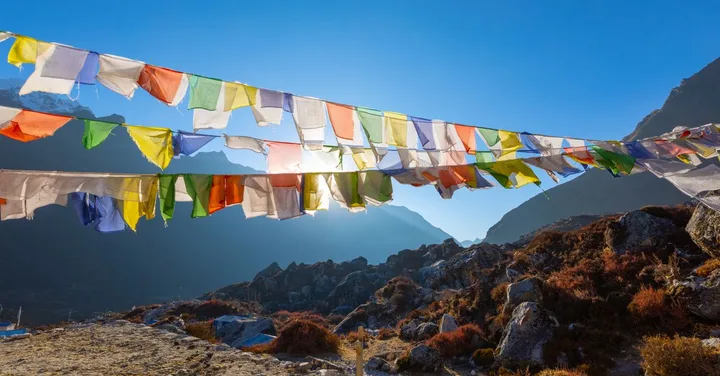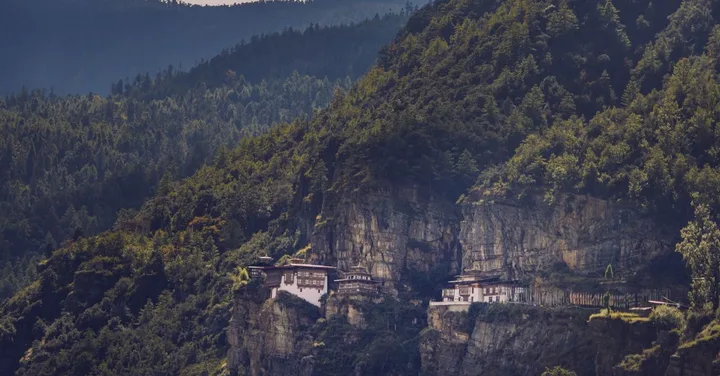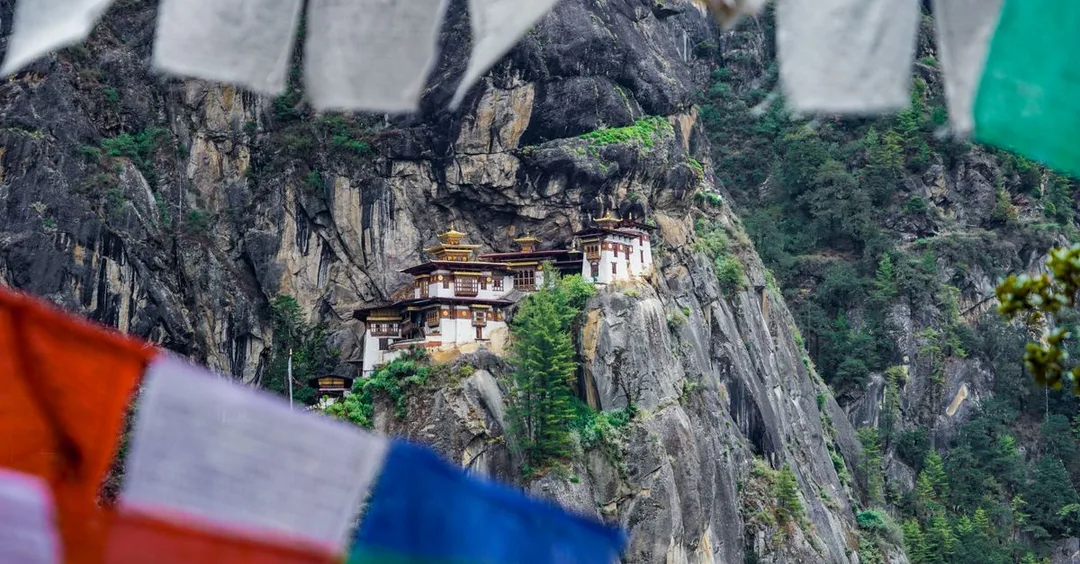
The moment you turn a corner on the forest trail and catch your first real glimpse of it, you stop walking. You just stop. There it is: a cluster of ancient monastery buildings pinned to a sheer cliff face 900 metres above the Paro Valley floor, prayer flags snapping in thin mountain air, pine smoke drifting up from somewhere far below. You can hear waterfalls. You can smell juniper. Your legs are burning, your water bottle is half empty, and you genuinely do not care about any of that. This is Paro Taktsang, the Tiger's Nest, and it earns every bit of the fuss.
In This Guide
- Paro Taktsang Tiger's Nest Bhutan for Indian Travellers: What You Actually Get
- Best Time to Visit (Month-by-Month, Honest)
- Top Experiences You Can't Miss
- Safari Sutra Package Options & Prices in INR
- Getting There: Flights from India
- Visa, Vaccinations & Practical Prep
- Frequently Asked Questions
- Plan Your Paro Taktsang Tiger's Nest Bhutan Trip with Safari Sutra
Paro Taktsang Tiger's Nest Bhutan for Indian Travellers: What You Actually Get
Let's be honest about what this trek is. It's not a casual morning stroll, but it's also not a mountaineering expedition. The trail climbs roughly 900 metres over about 4.5 kilometres (one way), through blue pine and rhododendron forest, past fluttering prayer flags and a small cafeteria stop at the halfway point. Most reasonably fit people, including older travellers in their 60s and families with teenagers, make it to the top. You just need to go at your own pace, drink water, and resist the urge to sprint.
What you get at the top is genuinely special. The Tiger's Nest monastery complex, formally called Paro Taktsang, is built around the cave where the Indian saint Guru Padmasambhava is believed to have meditated in the 8th century. It's a living, active religious site, not a museum. You'll hear monks chanting, smell butter lamps burning, and walk through shrines decorated with silk thangkas and ancient murals. Shoes come off at the entrance. Photography inside is restricted. That's the point: you are a respectful visitor, not a tourist attraction.
For Indian travellers, there's an added layer of connection here. Bhutan's Buddhist culture shares roots with traditions across Sikkim, Arunachal Pradesh, and Ladakh. You'll recognise elements of the iconography, the prayer wheel rituals, the offerings. It feels familiar and foreign at the same time, which is a rare and lovely thing.
Our Bhutan Himalayan Kingdom Tour includes the Tiger's Nest trek as a core highlight, paired with the rest of the Paro and Thimphu experience, so you're not just ticking a single hike off a list.
Best Time to Visit (Month-by-Month, Honest)
October and November are the gold standard. The monsoon has just cleared, the air is sharp and visibility is extraordinary. You'll see the Himalayas in full clarity from the upper trail. Crowds are manageable, the trail is dry, and the light in late afternoon turns the monastery walls golden. This is when we recommend going if you have flexibility.
March and April are the other peak season. Rhododendrons bloom in wild pinks and reds along the trail, and the weather is stable. It's a bit warmer on the climb, which some people prefer. Paro's famous Tsechu festival usually falls in late March or early April, and if you can time your visit to overlap with it, you'll see masked dances and religious ceremonies that most travellers never get to witness. It's loud, colourful, and genuinely moving.
May and June are still doable but you're pushing into pre-monsoon territory. Hazy skies, occasional thunderstorms in the afternoon, and muggier lower sections of the trail. Not the worst, but not the best either.
July and August: the monsoon is active. The trail gets slippery, leeches appear on the lower sections, and clouds often obscure the monastery entirely. Some travellers still go during this period and have fine experiences, but manage your expectations.
December through February: cold, very cold at altitude, but strikingly beautiful if you're prepared for it. Snow on the upper trail isn't unusual in January, and the monastery against a white landscape is something else entirely. Bring serious layers and check conditions before you go.
Top Experiences You Can't Miss
The Cafeteria Stop at the Halfway Point
There's a small cafeteria at roughly the 2.2 kilometre mark with views straight across the valley to the monastery. Stop here. Have tea, catch your breath, and take in the perspective. You're now at eye level with Taktsang, and from here the final push feels less daunting. Also, this is where the horse track ends if you've hired a pony for the lower section.
The Staircase Descent and Final Approach
After the halfway point, the trail descends into a gorge, crosses a bridge near a waterfall, and then climbs steeply up stone steps to the monastery entrance. This final section is the hardest part physically, but also the most dramatic. The waterfall sprays mist across the steps. You arrive at the gate breathing hard, feeling like you earned it. You did.
The Monastery Interiors
Most visitors focus so much on reaching the monastery that they rush through it. Don't. There are eight cave temples connected by bridges and staircases cut into the rock. Each one has a different atmosphere and significance. Spend at least 45 minutes inside. Ask your guide to explain the murals in the main shrine chamber.
Paro Valley from the Top
On a clear day, you can see the entire Paro Valley spread out below: the river winding through farmland, the red and white dzong fortress, rows of traditional farmhouses, and in the far distance, the dark blue ridgeline of the Himalayas. This view alone justifies the climb.
Paro Town and the National Museum
Don't leave Paro without spending a morning in town. The Rinpung Dzong fortress is walkable from the main street and genuinely impressive up close. The National Museum of Bhutan sits just above it and gives you context for everything you've seen on the trek. Entry is inexpensive and it's almost always quiet inside.
Safari Sutra Package Options & Prices in INR
Bhutan's Sustainable Development Fee (SDF) applies to all visitors and is currently USD 100 per night for most international tourists (Indian nationals have historically had a reduced or waived SDF, but policies change, so check current rules). All packages below are per person and include the SDF component at current rates.
Tier 1: Tiger's Nest Weekend Escape (3 nights / 4 days)
From INR 55,000 per person (twin sharing). Covers Paro and the Tiger's Nest trek, one full-day Thimphu excursion, 3-star heritage lodge accommodation, all meals, licensed guide, and transfers. Best for travellers who want the highlights without a long trip.
Tier 2: Bhutan Classic (5 nights / 6 days)
From INR 85,000 per person (twin sharing). Adds Punakha Valley, the Dochula Pass drive, a traditional farmhouse dinner, and a Paro market morning. Accommodation steps up to boutique 4-star properties. This is our most popular format for Indian couples and small groups.
Tier 3: Bhutan Cultural Immersion (7 nights / 8 days)
From INR 1,20,000 per person (twin sharing). Extends into Bumthang Valley with its ancient temples and yak cheese farms, includes a cooking class, and adds private guide coverage throughout. Accommodation is a mix of boutique hotels and a traditional farmhouse stay.
Tier 4: Bhutan Premium (7 nights / 8 days)
From INR 2,10,000 per person (twin sharing). Properties like Amankora or COMO Uma Paro, private vehicle throughout, curated cultural experiences, pre-trip reading packs, and a dedicated Safari Sutra Holidays trip manager on call. For travellers who want everything handled and handled well.
Prices vary by season, group size, and room type. All quotes are confirmed at booking.
Getting There: Flights from India
Druk Air and Bhutan Airlines are the only carriers serving Paro International Airport (PBH), and the approach alone is worth the airfare. The pilot navigates through mountain valleys at low altitude and the view from the window is extraordinary.
Direct flights operate from Delhi, Mumbai, Kolkata, Guwahati, and Bagdogra. Flight time from Delhi is approximately 2 hours. Mumbai to Paro is about 3.5 hours. Kolkata and Guwahati connections are shorter and often cheaper.
Flight costs from India range from roughly INR 15,000 to INR 35,000 return depending on route, season, and how far in advance you book. The Kolkata and Bagdogra routes tend to be the most competitive in price.
Book flights early for the October-November and March-April peak windows, ideally 3 months out. Paro airport has limited slots and seats sell out.
Visa, Vaccinations & Practical Prep
Visa: Indian nationals do not need a visa for Bhutan. You need a valid Indian passport (or Voter ID card for travel via land) and a permit called the Tourist Clearance Permit, which your tour operator organises before you travel. We handle this for all Safari Sutra Holidays travellers. If you're travelling independently, apply through the Tourism Council of Bhutan website. Allow at least 2 weeks for processing.
The Sustainable Development Fee (SDF): As mentioned, check current rates for Indian nationals at time of booking. The SDF pays for Bhutan's free healthcare, education, and environmental conservation. Think of it as a contribution to a system that works.
Vaccinations: No specific vaccinations are required for Indian nationals entering Bhutan. Standard travel health sense applies: check your Hepatitis A and Typhoid coverage, and carry a basic first aid kit. For the latest health travel guidance, Incredible India is a useful starting point for context on regional travel health norms.
Altitude: Paro sits at about 2,250 metres. The Tiger's Nest trail goes up to around 3,120 metres. Most Indian travellers from the plains feel some mild breathlessness on the upper trail. Drink plenty of water, go slowly, and avoid alcohol the first night. Serious altitude sickness is rare at these elevations, but if you have cardiac or respiratory conditions, consult your doctor beforehand.
Currency: Bhutan's Ngultrum (BTN) is pegged 1:1 with the Indian Rupee. Indian Rupees are accepted almost everywhere. Cards work at most hotels but less reliably at small shops and trail cafeterias, so carry some cash.
Trek Fitness: A month of regular walking, 45-60 minutes daily, is enough preparation for most people. Wear proper trekking shoes (not sneakers) and break them in before you go.
Frequently Asked Questions
Q: How difficult is the Tiger's Nest trek for someone who doesn't trek regularly?
It's moderate in difficulty. The climb is steady over 4.5 kilometres and takes most people 2.5 to 3.5 hours to reach the top. The steepest section is the stone staircase just before the monastery. If you walk regularly, even on flat ground, and you take your time, you'll manage fine. Horses are available for hire on the lower section of the trail (up to the halfway cafeteria) for those who need them.
Q: Can older parents in their 60s and 70s do this trek?
Many of our clients bring parents in their 60s and some in their early 70s. The key factors are overall fitness and no major joint or cardiac issues. The horse option covers the lower half of the trail. Some older travellers do the full hike slowly and feel great; others choose to hike to the halfway point cafeteria for the view and wait there. Both are valid options. Talk to us honestly about fitness levels when planning, and we'll advise accordingly.
Q: What's the best way to do the Tiger's Nest trek from India as a starting point?
Fly into Paro directly from Delhi, Mumbai, Kolkata, or Guwahati. Most people do the trek on day 2 or 3 of their trip, giving a day to acclimatise and explore Paro town first. Starting the trek early morning, around 7 to 8 AM, means you beat afternoon clouds and most of the day-tripper crowd.
Q: Is Bhutan expensive for Indian travellers?
Bhutan is not cheap, but it's not as expensive as people assume once you factor in what's included. Most packages cover all meals, a licensed guide (mandatory for foreign nationals in Bhutan, though Indian, Bangladeshi, and Maldivian nationals have more flexibility), accommodation, and transport. The SDF is the main additional cost. When you break it down per day, a well-run Bhutan trip compares favourably to similar quality experiences in Europe or Southeast Asia.
Q: What should I wear and carry on the trek?
Layers are essential. Start in a light fleece or jacket, which you'll likely tie around your waist by mid-morning. Wear proper trekking shoes with ankle support. Carry at least 1.5 litres of water, a hat, sunscreen, and some snacks. Trekking poles help significantly on the descent. Leave your valuables at the hotel.
Q: Are children allowed on the Tiger's Nest trek?
Yes, and kids often do remarkably well. Children above 8 who are reasonably active can typically complete the full trek. Younger children can use the horse option for the lower section. The monastery interiors involve narrow staircases and low doorways, so keep a close eye on smaller kids inside.
Q: How far in advance should Indian travellers book a Bhutan trip?
For the peak October-November and March-April windows, book at least 3 months ahead. Paro flights are limited and hotel availability at good properties tightens quickly. With 12 years and over 15,000 trips across Asia and Africa, we've learnt that the biggest difference between a smooth trip and a stressful one is how far ahead you sort logistics. After 12 years and 15,000+ trips, we've found the biggest difference between an average trip and a great one is guide quality and game drive timing, and in Bhutan's context, that translates directly to guide knowledge and how well your schedule is built. These are things we get right for every Safari Sutra client.
Plan Your Paro Taktsang Tiger's Nest Bhutan Trip with Safari Sutra
The Tiger's Nest is one of those places that stays with you. Not because of the Instagram photo (though that's pretty good, yaar), but because of the feeling at the top: the cold air, the sound of the waterfall below, the butter lamp smell from the shrine, the view of an entire valley you just climbed above. It's earned and it's real.
Whether you want a tight 4-day trip or a full week across Bhutan's valleys, the trip works best when the details are handled by people who know the country well. Guide quality matters enormously here. So does hotel selection, trek timing, and having someone in your corner if a flight shifts or plans change.
Ready to Plan Your Trip?
Safari Sutra Holidays — 13 years, 15,000+ trips, zero cookie-cutter itineraries.
Get Your Free Custom Quote →+91 9860415774 | hello@thesafarisutra.com

Safari Sutra Team
Travel curators with 13 years of experience planning Indian and international holidays — from safari adventures to island escapes.
View All Posts