Both Bhutan and Nepal will ruin you for ordinary holidays. And that's exactly the problem when you're trying to choose between them. One is a serene, tightly controlled Buddhist kingdom where the government literally measures happiness. The other is a raw, high-energy mix of ancient temples, dramatic trekking trails, and mountain towns that feel alive at every hour. Indian travellers ask us this question constantly, and honestly, it deserves a real answer, not a "both are great!" cop-out.
In This Guide
- At a Glance: Side-by-Side Comparison
- Wildlife and Landscape: What's Different
- Best Time: When to Choose Each
- Experience for Indian Travellers: Accessibility, Crowds, Language
- Cost Comparison in INR (Same Trip Duration)
- Verdict: Which One Should You Book First?
- Frequently Asked Questions
- Can't Decide? Talk to Safari Sutra
So let's actually work through it.
If you've got a week, a decent budget, and a love for mountains, which one do you book? The answer depends on what kind of traveller you are, when you can go, and what you want to feel when you get back. Let's break it down properly.
At a Glance: Side-by-Side Comparison
Factor Bhutan Nepal Visa for Indians No visa needed No visa needed Entry fee Sustainable Development Fee (SDF): USD 100/day (reduced from USD 200) Free Best for Slow travel, spirituality, luxury Trekking, adventure, culture mix Language ease Hindi not widely spoken, English manageable More Hindi-friendly in tourist areas Flight access Paro Airport, flights from Kolkata/Delhi/Mumbai Kathmandu, daily flights from most Indian cities Crowd levels Low, intentionally controlled Moderate to high at popular spots Budget range (7 nights) INR 1.5L to 3L+ per person INR 60K to 1.5L per person Trekking Moderate, less crowded trails Extensive, world-famous routes Wildlife Takin, red pandas, black bears Rhinos, tigers (Chitwan), leopards Vibe Contemplative, unhurried, deeply Buddhist Energetic, layered, adventurousWildlife and Landscape: What's Different
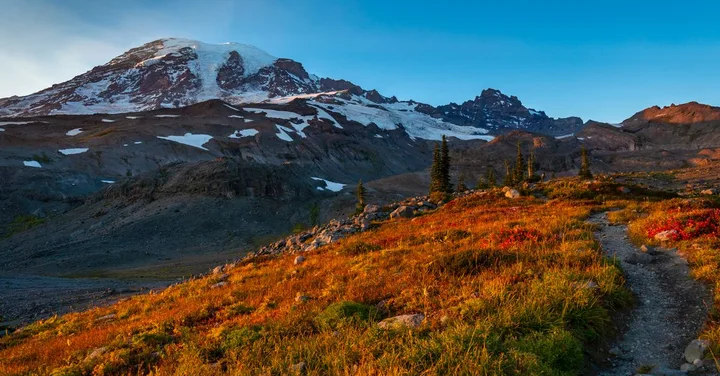
Nepal gives you two completely different countries in one trip. In the north, you've got the Himalayas at their most dramatic: Annapurna, Langtang, the Everest region, ridgelines that make your eyes water. In the south, Chitwan National Park puts you in a jeep next to one-horned rhinos and if you're lucky, a Bengal tiger watching you from the tall grass. The contrast is staggering. You can go from snow-capped passes to steaming jungle in a four-hour drive.
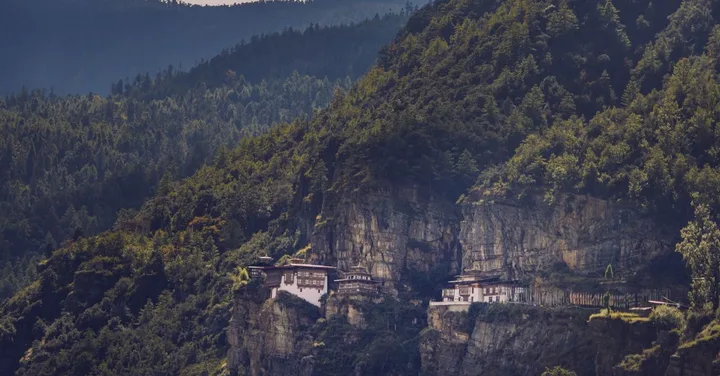
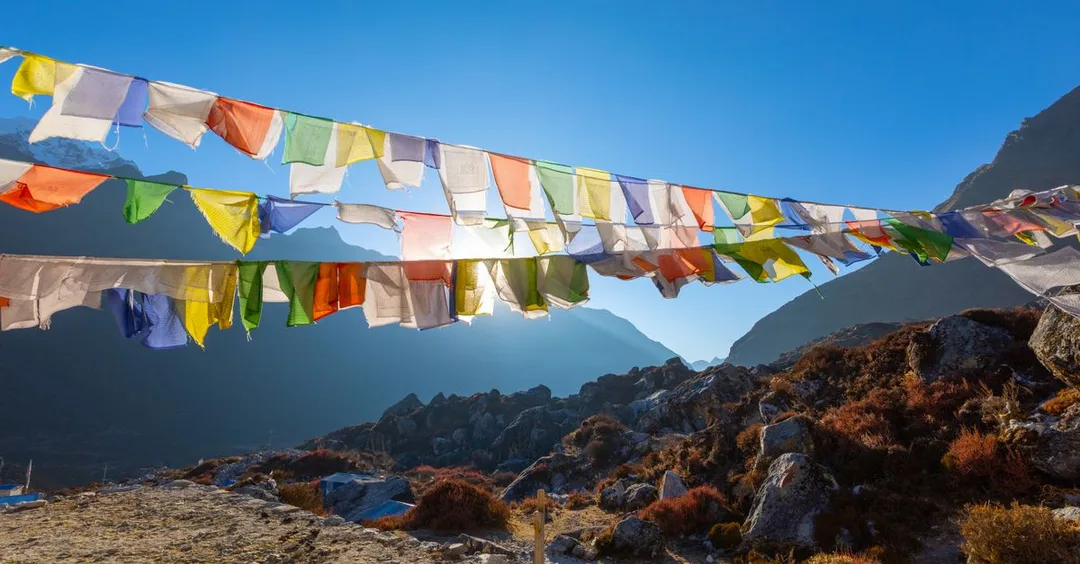
Bhutan's landscape is quieter but no less powerful. Tiger's Nest Monastery (Paro Taktsang) clings to a 3,000-metre cliff like it has no business being there. The Punakha Valley in spring is a wash of jacaranda purple and river blue. Haa Valley is almost entirely untouched. The wildlife is real but harder to spot: takins (the national animal, which looks like a bison had an identity crisis), red pandas in Jigme Dorji National Park, golden langurs in the far west. It's a nature experience for people who are patient and don't need constant action.
For trekking specifically, Nepal wins by sheer variety. The Nepal Himalaya Trekking & Cultural Tour covers the kind of terrain that serious hikers train years for, but there are also gentler options around Nagarkot or Sarangkot that work perfectly for families or first-timers. Bhutan's Druk Path Trek and Bumdra Trek are excellent, but the trail network is smaller and less developed.
Best Time: When to Choose Each
Bhutan: The two prime windows are March to May and September to November. Spring brings rhododendrons in full bloom, and the air is sharp and clear. Autumn gives you the best Himalayan views and the famous Thimphu and Paro Tsechu festivals, where monks in silk masks perform ritual dances that have been going on for centuries. Winters are cold but strangely beautiful if you don't mind the chill. Monsoon (June to August) is avoidable in Bhutan.
Nepal: Also peaks in March to May and October to November. Trekking season is at its best in these windows when trails are dry, skies are clear, and mountain views are unobstructed. October in the Annapurna Circuit or the Everest Base Camp trail is as good as mountain walking gets anywhere on earth. Monsoon hits Nepal harder than Bhutan, though the Mustang region (Upper Mustang) is actually a great monsoon destination because it sits in a rain shadow.
One practical tip: if you're planning a combined trip, fly into Kathmandu, spend a week in Nepal, then connect to Paro for Bhutan. This routing often makes logistical and financial sense, and several Indian families do this exact circuit in 14 to 16 days.
Experience for Indian Travellers: Accessibility, Crowds, Language
Here's something the Incredible India tourism boards won't tell you: the cultural proximity matters more than people admit. In Nepal, you'll feel a familiarity that's almost disorienting. Hindu temples that look like something from Varanasi. Dhoti-clad priests performing pujas. Street food that smells like home. Hindi gets you surprisingly far in Kathmandu and Pokhara. For many Indian travellers, especially families visiting for the first time, Nepal has a comfort level that makes it an easier choice.
Bhutan is different. It's not unfamiliar exactly, but it operates on its own rhythm. You'll need a licensed guide by law (solo unguided travel isn't permitted), which sounds restrictive but actually adds a lot to the experience. Your guide becomes your window into a culture that is genuinely distinct: Dzongkha language, butter tea, red rice, and a philosophy of life that prioritises collective happiness over individual accumulation. If you're the kind of traveller who gets bored without stimulation, Bhutan might frustrate you. If you're the kind who wants to actually slow down, it'll feel like a gift.
Crowd levels are a real factor. Nepal's popular spots, Thamel in Kathmandu, the Annapurna Base Camp trail in peak season, lakeside Pokhara, can get busy. Not Goa-in-December busy, but enough that you'll share your mountain moments with others. Bhutan, by design, stays uncrowded. The government's high-value, low-impact tourism policy keeps visitor numbers deliberately controlled. You can stand in front of the Tiger's Nest with almost no one else around. That's rare.
Cost Comparison in INR (Same Trip Duration)
Let's compare a 7-night trip for two people, flying from Delhi, with decent mid-range to premium accommodation.
Nepal (7 nights, 2 people):
- Flights (Delhi to Kathmandu, return): INR 18,000 to 30,000 per person
- Accommodation (good 3-4 star): INR 4,000 to 9,000 per night
- Trekking permits + guide fees: INR 8,000 to 20,000 total
- Food and local transport: INR 2,500 to 4,000 per day
- Rough total for 2 people: INR 1.2L to 2.2L
Bhutan (7 nights, 2 people):
- Flights (Delhi to Paro, return): INR 25,000 to 45,000 per person
- Sustainable Development Fee: USD 100 per person per night = roughly INR 67,000 per person for 7 nights
- Accommodation (mid-range): INR 6,000 to 15,000 per night (often included in packages)
- Guide and transport (mandatory): typically bundled in packages
- Rough total for 2 people: INR 2.5L to 4.5L
Bhutan costs more, no question. But the SDF reduction from USD 200 to USD 100 has made it significantly more accessible than it was in 2023. And because a guide and often meals are bundled, there are fewer surprise costs. Nepal is the better choice if budget is a genuine constraint. Bhutan is worth the premium if you want that exclusive, unhurried feel.
Verdict: Which One Should You Book First?
Book Nepal first if:
- You want to trek and the mountains are the main draw
- You're travelling with family, including older parents or kids
- Budget matters and you want more flexibility
- You've never done a Himalayan trip and want to ease in
- You love the idea of combining temples, adventure, and local food in one trip
Book Bhutan first if:
- You want a genuinely slow, contemplative travel experience
- You've already done Nepal and want something completely different
- You're a couple or a small group who values exclusivity over value-for-money
- Cultural immersion and Buddhist heritage are your primary interests
- You want low crowds and a landscape that feels almost untouched
Honestly, the best answer is: do Nepal first, then Bhutan. Nepal is a brilliant introduction to Himalayan travel. Bhutan is the deeper cut, the one that stays with you longer. Most travellers who go to Bhutan have already done Nepal and are specifically seeking something quieter.
After 12 years and 15,000+ trips, the team at Safari Sutra Holidays has found that the biggest difference between an average trip and a genuinely great one comes down to the details: guide quality, timing, and knowing which experience suits which traveller. That's exactly what we get right for every client, whether they're heading to Paro or Pokhara.
Frequently Asked Questions
Q: Do Indians need a visa for Bhutan or Nepal?
No visa is required for Indian citizens travelling to either Bhutan or Nepal. For Bhutan, you need a valid Indian passport or a Voter ID card. For Nepal, even a Voter ID works at the border, though a passport is recommended for air travel. Bhutan does require you to travel through a registered tour operator, but the entry process itself is smooth and straightforward.
Q: Is Bhutan worth the extra cost compared to Nepal?
That depends entirely on what you want from the trip. If you're looking for trekking variety, adventure, and a bustling cultural experience at a more accessible price point, Nepal delivers more per rupee. If you want solitude, a deeply Buddhist atmosphere, and a country that feels consciously protected from over-tourism, Bhutan is worth every rupee of the premium. Many travellers who have done both say Bhutan affected them more deeply, even if Nepal was more fun.
Q: Which is better for families with young children?
Nepal is generally more family-friendly, especially if your itinerary includes Kathmandu's temples, a Chitwan jungle safari, and the lakeside calm of Pokhara. The mix of activities keeps kids engaged. Bhutan can work beautifully for families with older children (12+) who have genuine curiosity and can appreciate the pace, but it's less suited for very young kids who need constant stimulation.
Q: Can I combine Bhutan and Nepal in one trip?
Yes, and it's a popular combination. A 14 to 16 day trip starting in Kathmandu, moving through Nepal's highlights, and then flying to Paro for Bhutan works very well. The Kathmandu-Paro flight is one of the most scenic in the world. Talk to Safari Sutra Holidays about structuring this properly, because the order and timing make a real difference to the overall experience.
Q: What's the best month for an Indian traveller to visit either destination?
October is the single best month for both destinations. Skies are clear post-monsoon, temperatures are comfortable, and mountain views are at their sharpest. March to April is a close second, especially if you want spring flowers in Bhutan or the Annapurna bloom season in Nepal. Avoid June to September for both, unless you're specifically heading to Upper Mustang in Nepal.
Q: Is solo travel possible in Bhutan for Indians?
You can travel as a solo Indian tourist to Bhutan, but you must be accompanied by a licensed Bhutanese guide. This is mandatory and non-negotiable, regardless of nationality. Many solo travellers find this adds rather than detracts from the experience, since a good guide opens doors to monastery visits, local family interactions, and off-the-beaten-path spots that you'd never find on your own.
Q: Which destination has better food for Indian palates?
Nepal, by a fair margin. The food in Kathmandu and Pokhara caters well to Indian preferences: dal bhat is as comforting as it sounds, and there are plenty of Indian restaurant options in tourist areas. Bhutan's food is genuinely different: ema datshi (chilli and cheese stew) is extraordinary, red rice is earthy and nutty, and the flavours grow on you. But if you need familiar food from day one, Nepal is more reassuring.
Can't Decide? Talk to Safari Sutra
Ready to Plan Your Trip?
Safari Sutra Holidays — 13 years, 15,000+ trips, zero cookie-cutter itineraries.
Get Your Free Custom Quote →+91 9860415774 | hello@thesafarisutra.com

Safari Sutra Team
Travel curators with 13 years of experience planning Indian and international holidays — from safari adventures to island escapes.
View All Posts