The alarm goes off at 5:15 AM and it's still dark outside Windhoek. You step out of the guesthouse and the air hits you, cold, dry, completely still. No traffic noise. No chai wallah calling out. Just the faint smell of red dust and the kind of silence you genuinely didn't know existed until this moment. You pick up your 4x4, check the tyre pressure (seriously, do this), load up your cooler box, and point the car north. This is Day 1 of your Namibia self-drive, and nothing about it feels like anything you've done before.
In This Guide
- Your Trip at a Glance
- Day-by-Day Breakdown
- What's Included and What's Not
- Total Cost in INR
- Tips for Making the Most of Every Day
- Frequently Asked Questions
- Book This Itinerary with Safari Sutra
Namibia is one of those rare destinations that rewards the traveller who wants to do it themselves. The roads are among the best in Africa, the distances are real but manageable, and the landscapes shift so dramatically that every two hours feels like a different country. For Indian travellers willing to plan carefully, it's a 10-day trip that genuinely changes how you think about travel.
Your Trip at a Glance
- Days 1-2: Windhoek arrival, self-drive orientation, Okonjima/Africat experience
- Days 3-4: Etosha National Park, game drives, night at camp inside the park
- Days 5-6: Damaraland, Twyfelfontein rock engravings, desert-adapted elephants
- Days 7-8: Sossusvlei and Deadvlei, dune climbing, desert sunrise
- Days 9-10: Lüderitz coast or Swakopmund, Atlantic coast, fly back from Windhoek
Day-by-Day Breakdown
Days 1-2: Windhoek Arrival and Okonjima Bush Camp
You'll almost certainly fly into Windhoek via Johannesburg. Direct flights from India don't exist yet, so the standard routing is Mumbai or Delhi to Joburg on South African Airways or Air India, then a 1.5-hour hop to Hosea Kutako International Airport. Pick up your 4x4 rental the same day. Budget Drive, Hertz Namibia, and Asco Car Hire are the most reliable operators at the airport. If you haven't driven a manual 4x4 recently, book an automatic. You'll be on the left side of the road, and that's already one adjustment.
Day 1 is about getting comfortable with the car and the road culture. Namibian gravel roads look daunting in photos, but they're well-graded and clearly signposted. Drive to Okonjima, about 250 km north of Windhoek on the B1, and spend the afternoon at the AfriCat Foundation. This is where rescued leopards and cheetahs are tracked and monitored. You'll go out with a guide and GPS unit, locate a radio-collared cheetah, and sit within metres of it while the tracker explains its history. It's nothing like a zoo, and nothing like a standard game drive.
Stay overnight at the Okonjima Bush Camp. Dinner is around a fire under a sky so full of stars it looks photoshopped. The nearest light pollution is 200 km away. This is the night you start texting your friends back home photos they won't believe.
Days 3-4: Etosha National Park
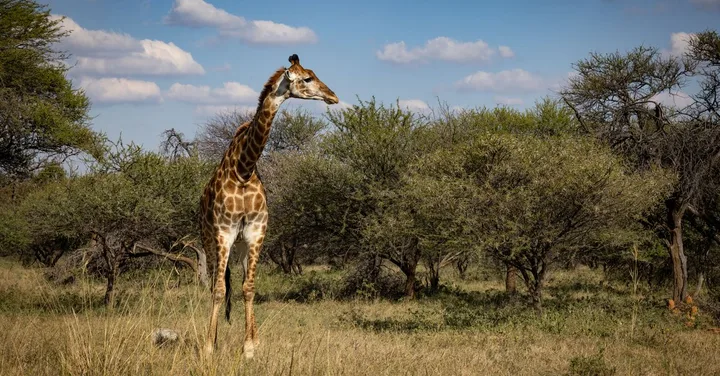
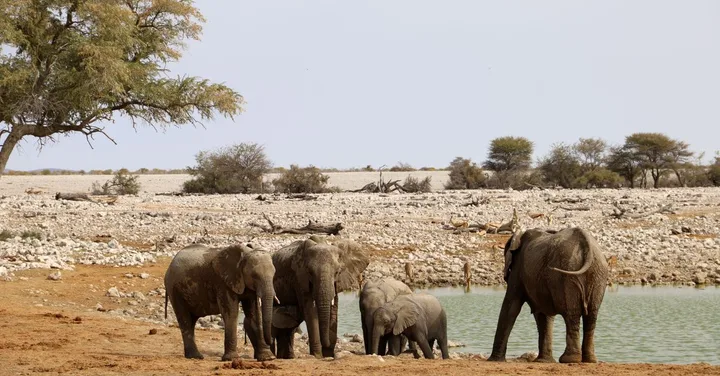
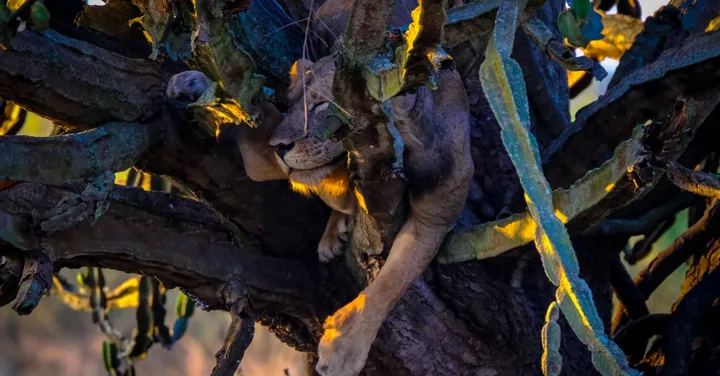
Etosha is the reason most Indian travellers put Namibia on their list, and it delivers. The park is built around a massive salt pan, visible from space, and during the dry season (May to October), every waterhole becomes a wildlife theatre. Lions drink at 3 AM. Elephants arrive in the late afternoon like they own the place (they do). Rhino, zebra, and giraffe share the same waterhole with a kind of polite, hierarchical tension that's fascinating to watch.
Drive yourself into Etosha through the Anderson Gate, which is the most convenient entry from the south. The park has well-marked tar roads between the main camps, and it's self-drive the entire way. You don't need a guide inside Etosha, which is part of what makes it so good for independent travellers. Stay at Okaukuejo camp on Night 1 and Halali on Night 2. Both have floodlit waterholes directly at the camp where you can sit after dinner and watch elephants come in. Okaukuejo's waterhole is famous for black rhino sightings at night.
Eat at the camp restaurants. The food is basic, braai-style, and perfectly fine. Namibian game meat (kudu, oryx) is often on the menu, and you should try it once. The camps also have small shops where you can restock your cooler box. Game drive timing matters more than anything else here: 6-9 AM and 4-6 PM are when the animals are most active. Sitting at a waterhole for an hour at noon is a waste of prime drive time, and after 12 years and 15,000+ trips, Safari Sutra Holidays knows that the biggest difference between an average trip and a great one comes down to exactly this: getting your timing right, every single day.
Days 5-6: Damaraland and Twyfelfontein
Damaraland is where Namibia starts to feel genuinely otherworldly. Drive west from Etosha toward the Huab River valley, a landscape of volcanic rock formations, ancient riverbeds, and mountains that look like they belong on another planet. The drive takes about 4 hours, and every kilometre of it is worth the attention.
Twyfelfontein has the largest concentration of rock engravings in Africa, some dating back 6,000 years. You hire a local Damara guide at the entrance (mandatory and very much worth it), and they walk you through what the images mean. Giraffe, elephant, lion footprints, and human figures, all pecked into dolerite rock by San hunter-gatherers. It's one of those rare places that makes you feel genuinely small in the best possible way. If you want to check Namibia's UNESCO status before you go, the Incredible India tourism planning resources also link to comparable world heritage sites that give useful comparison context.
The desert-adapted elephants of Damaraland are the other big draw. These are not a separate species, but elephants that have learned to survive on minimal water and sparse vegetation over generations. They walk up to 70 km a day looking for food. You can track them with guides from the Huab Lodge or Palmwag area. Seeing a herd of elephants move through a dry, rocky riverbed with no trees and no water in sight is striking in a way that the Etosha sightings aren't.
Days 7-8: Sossusvlei and Deadvlei
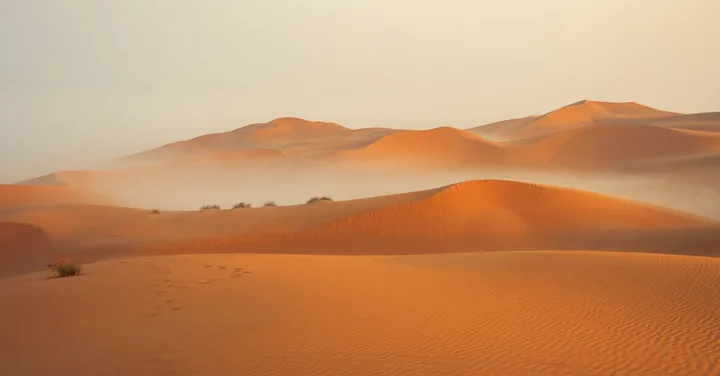
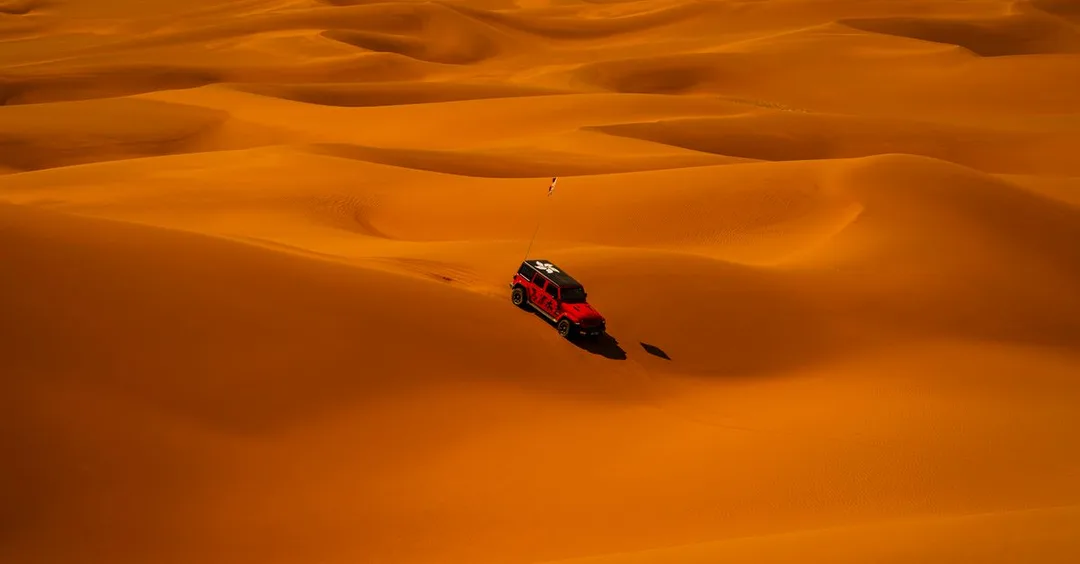
This is the section everyone has seen in photos and nobody quite believes in person. Sossusvlei, in the Namib-Naukluft Park, is home to some of the highest sand dunes in the world. The classic dune, Big Daddy, is about 325 metres tall. Climbing it takes 45 minutes to an hour and requires real physical effort. The sand is fine, the incline is steep, and halfway up you'll wonder why you didn't just take the photo from the bottom. The view from the top makes you forget all of that.
Deadvlei is a white clay pan surrounded by dead camelthorn trees, some of them over 900 years old. The orange-red dunes behind them make the contrast so sharp that every photo you take looks like a painting. Go at sunrise. Seriously, set your alarm for 4:30 AM and be at the 2x4 parking area when the gates open at the Sesriem entrance. The light before 8 AM is extraordinary; by 10 AM it's harsh and the colours flatten out.
Stay at the Sesriem area the night before (Sossusvlei Lodge or one of the campsites) so you're right at the gate when it opens. The lodge has a pool, which you'll genuinely need after the dune climb. Dinner is a set menu or braai; the food is reliable. This is also the section of the trip where you'll want a good playlist and a charged speaker. The drive through the Namib at golden hour with music is one of those experiences you'll keep pulling back up in your memory.
Days 9-10: Swakopmund and Return
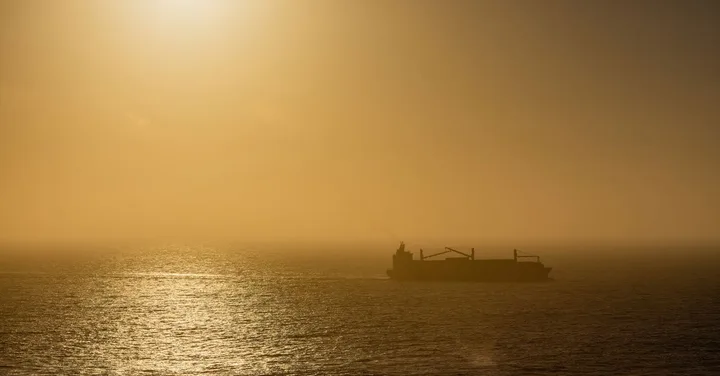
Swakopmund sits right where the Namib desert meets the Atlantic Ocean, and the visual contrast is almost absurd. Cold, grey waves on one side; orange dunes rolling away on the other. The town itself was built by German settlers in the late 1800s and still has that old colonial architecture, including a lighthouse, half-timbered buildings, and a high street with proper bakeries selling Brötchen and Schwarzwälder Kirschtorte.
For Indian palates, the seafood here is the thing. Namibian oysters from Walvis Bay (30 minutes south) are some of the best in Africa. Swakopmund's The Tug restaurant, built on an old tugboat, is exactly the kind of dinner that ends a road trip well. After two weeks of game meat and camp food, fresh grilled fish with a cold Windhoek Lager is genuinely satisfying.
Drive back to Windhoek on Day 10. It's about 4 hours on the B2 highway, which is fully tarred and easy. Return the car, check in for your evening flight to Joburg, and connect home. You'll land in Mumbai or Delhi exhausted, dusty in spirit, and already thinking about when you can come back.
What's Included and What's Not
Typically included in a packaged itinerary:
- 4x4 car rental with unlimited kilometres and basic insurance
- All accommodation (9 nights) across guesthouses, bush camps, and lodges
- Etosha park entry fees
- Breakfast at most properties
- Airport transfers on Day 1 and Day 10
Not typically included:
- International flights (Delhi/Mumbai to Windhoek via Joburg)
- Namibian visa (available on arrival for Indian passport holders, USD 80 approximate)
- Fuel (budget around USD 200-250 for the full loop, roughly 2,800 km)
- Lunch and dinner at most stops (except where specified)
- Optional activities: quad biking in Swakopmund, hot air balloon at Sossusvlei, guided walks
- Travel insurance (always buy this, non-negotiable)
Check out the full range of Namibia Safari Packages from Safari Sutra Holidays to see what combinations work for different budgets and group sizes.
Total Cost in INR
These are realistic estimates for one person travelling in the mid-range bracket. Numbers are based on 2025-2026 pricing.
Component Approximate Cost (INR) International flights (Delhi-Joburg-Windhoek return) 70,000 - 95,000 4x4 car rental (10 days, automatic) 55,000 - 70,000 Accommodation (9 nights, mid-range) 80,000 - 1,10,000 Etosha and Namib-Naukluft park fees 12,000 - 15,000 Fuel (approx 2,800 km) 17,000 - 22,000 Food and drinks 18,000 - 25,000 Visa on arrival 6,500 - 7,000 Travel insurance 3,000 - 5,000 Total per person (solo) ~2,60,000 - 3,50,000For a couple sharing a car and accommodation, the per-person cost drops to roughly INR 1,80,000 - 2,40,000 all-in. This is not budget travel, but for what Namibia delivers, it's genuinely good value. For comparison, a comparable quality trip in East Africa typically costs 30-40% more.
Tips for Making the Most of Every Day
- Start every drive early. The animals are active at dawn. You can rest in the middle of the day when nothing is moving anyway.
- Carry cash in Namibian dollars. Many fuel stations and campsites don't accept international cards reliably.
- Download offline maps. Google Maps works in Namibia but data is expensive. Download the offline maps for every region before you leave Windhoek.
- Check tyre pressure daily. Gravel roads demand it. Most lodges will let you use their pump.
- Don't underestimate distances. Sossusvlei to Swakopmund looks close on a map. It's 4-plus hours. Build in buffer time.
- Bring a good hat and SPF 50. The Namibian sun is the one thing that will genuinely ruin your trip if you ignore it.
- Book Etosha camps months in advance. These fill up fast, especially Okaukuejo, which is run by NWR (Namibia Wildlife Resorts). They take bookings online.
- Carry a basic first aid kit and a spare tyre. Your rental will come with one spare, but carry a puncture repair kit too. You won't regret it.
Frequently Asked Questions
Q: Do Indian passport holders need a visa for Namibia?
Yes, Indian passport holders need a visa, but the good news is Namibia offers a visa on arrival at Windhoek's Hosea Kutako International Airport. It costs approximately USD 80 (around INR 6,500-7,000) and is valid for 30 days. Have your accommodation bookings and return flights ready to show at immigration. The process usually takes 20-30 minutes and is straightforward.
Q: Is a self-drive in Namibia safe for Indian travellers with no African driving experience?
Yes, and it's one of Africa's most beginner-friendly self-drive destinations. Namibia has some of the best road infrastructure on the continent. The main roads between all key destinations are well-signed and either tarred or well-graded gravel. You'll encounter very little traffic outside of Windhoek. The key adjustment is driving on the left and managing gravel road speeds (never exceed 80 km/h on gravel).
Q: What kind of 4x4 do you need for this specific itinerary?
A high-clearance 4x4 is strongly recommended, not optional. The roads around Damaraland and the Sossusvlei dune access tracks require clearance that a standard sedan can't handle. Toyota Land Cruiser or a comparable model is the standard choice. Most rental companies will advise you clearly, but don't let anyone talk you into a 2x4 to save money on this particular route.
Q: What is the best time of year for this itinerary as an Indian traveller?
The dry season, May through October, is the best time for wildlife and road conditions. July and August are peak season. For Indian travellers, a practical tip: the May-June window aligns well with school-year planning and avoids the European summer rush, which pushes up accommodation prices. October is also excellent, slightly warmer, and the landscapes start getting their first green after rains.
Q: Can vegetarian Indian travellers manage food on this route?
Better than you'd expect, though it takes planning. Most lodges offer vegetarian options, and the main camps at Etosha have reasonable vegetarian choices. Windhoek and Swakopmund have proper supermarkets (Spar and Pick n Pay) where you can stock up on good ingredients for your cooler box. Pack some ready-to-eat Indian snacks from home for the longer driving days. You won't starve, but you also won't find dal chawal on the menu outside of Windhoek's one Indian restaurant.
Q: Is it worth hiring a guide for any part of this trip, or is fully self-guided fine?
The park sections (Etosha) are fine self-guided. But for Damaraland, especially the rock engraving sites and desert elephant tracking, hiring a local guide adds enormous context. The AfriCat experience at Okonjima is always guided. Sossusvlei is self-navigable, though a sunrise dune walk with a guide is worthwhile if it's your first time. Think of it as: self-drive for the roads, guided for the specific wildlife and cultural sites.
Q: How do you book the Etosha National Park campsites, and how far in advance?
Etosha camps are managed by Namibia Wildlife Resorts (NWR) and you book directly on their website. For peak season (July-September), book at least 6 months in advance. The camps at Okaukuejo, Halali, and Namutoni are the three main options inside the park. Okaukuejo is the most popular because of the floodlit waterhole, so it fills up first. Don't leave this until the last minute.
Book This Itinerary with Safari Sutra
This 10-day Namibia self-drive is one of those trips that looks complicated from the outside and clicks into place beautifully once you're on the road. The planning part, figuring out which car, which camps, which gate entries, what order makes sense, is where most travellers lose time and confidence. That's what we sort out for you.
Ready to Plan Your Trip?
Safari Sutra Holidays — 13 years, 15,000+ trips, zero cookie-cutter itineraries.
Get Your Free Custom Quote →+91 9860415774 | hello@thesafarisutra.com

Safari Sutra Team
Travel curators with 13 years of experience planning Indian and international holidays — from safari adventures to island escapes.
View All Posts