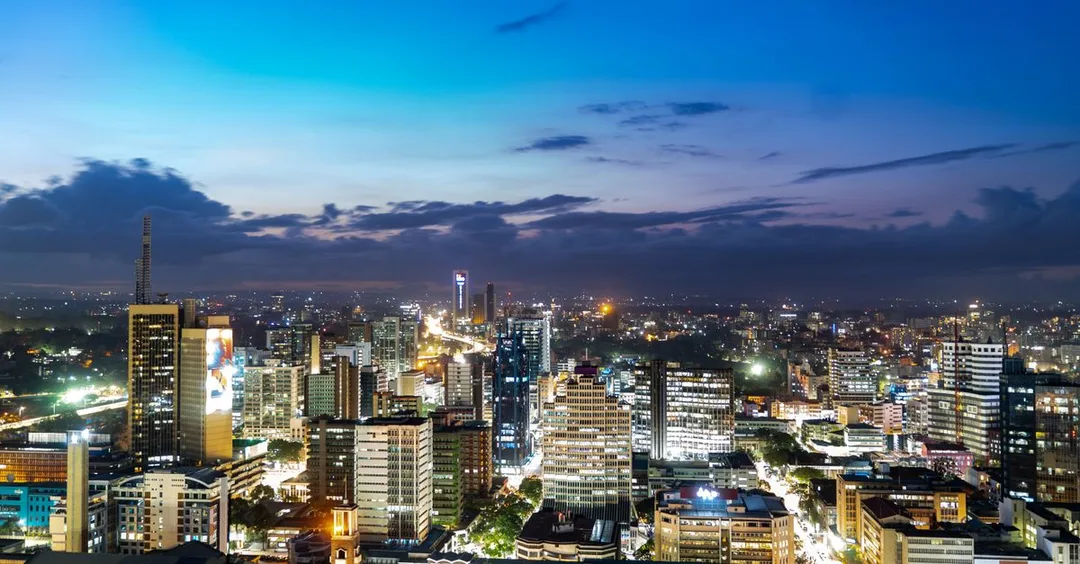
You land at JKIA after a night flight from Mumbai, the equatorial air hits you the moment you step out, and suddenly you realise Nairobi is not just a transit dot on your Kenya map. The jacaranda trees are in full purple bloom along Uhuru Highway, a matatu honks somewhere in the distance, and the Ngong Hills sit low and green on the horizon. You've got 36 hours before your Maasai Mara game drive begins. The question is: what do you do with them?
In This Guide
- Nairobi City Guide for Indian Safari Stopovers for Indian Travellers: What You Actually Get
- Best Time to Visit (Month-by-Month, Honest)
- Top Experiences You Can't Miss
- Safari Sutra Package Options and Prices in INR
- Getting There: Flights from India
- Visa, Vaccinations and Practical Prep
- Frequently Asked Questions
- Plan Your Nairobi City Guide for Indian Safari Stopovers Trip with Safari Sutra
Most Indian travellers blow past Nairobi like it's a layover to endure. That's a mistake. This city earns its time.
Nairobi City Guide for Indian Safari Stopovers for Indian Travellers: What You Actually Get
Nairobi sits at 1,795 metres above sea level, which means it's cooler than you'd expect for a city sitting right on the equator. Think Bangalore weather, not Delhi summer. That already makes it pleasant to walk around.
The city has a dual personality that Indian travellers will find oddly familiar. There's the Westlands and Gigiri end of town: upscale restaurants, rooftop bars, proper espresso, boutique hotels that could hold their own in South Mumbai. Then there's the Eastleigh neighbourhood, nicknamed "Little Mogadishu" but also home to a significant Indian-origin community that has traded here for generations. The Kenyan-Indian connection runs deep, from the railway workers who built the Uganda Railway in the 1890s to the Gujarati and Punjabi businesses still operating in downtown Nairobi today. Walking through those streets, you might catch the smell of chai and hear Swahili mixed with Gujarati and feel oddly at home.
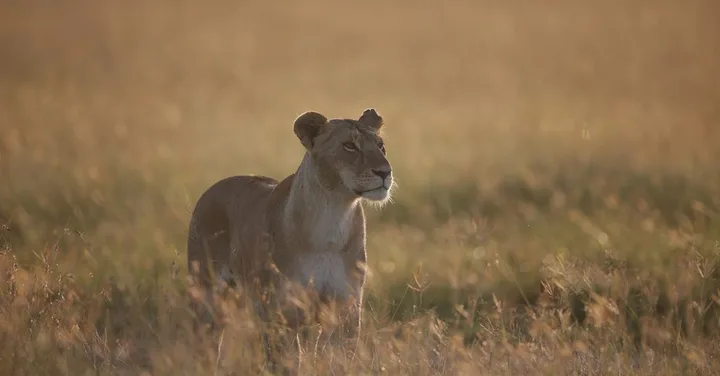
What you're really getting with a Nairobi stopover is context. A city where urban sophistication sits alongside genuine wildlife. The Nairobi National Park is eight kilometres from the CBD. You can photograph lions with skyscrapers behind them. That image alone is worth a few hours of your time.
Explore All Destinations, Safari Sutra if you're thinking beyond Nairobi and want to see how Kenya fits into a broader East Africa trip.
Best Time to Visit (Month-by-Month, Honest)
Nairobi doesn't have a "bad" month, but some months are significantly better than others for a stopover, especially if you're combining it with a Mara safari.
January to March is the dry, warm shoulder season. Clear skies, manageable crowds, and wildlife is easy to spot around Nairobi National Park since the vegetation is thin. Good value on hotels.
April and May bring the long rains. It rains hard most afternoons, and some roads into the park get muddy. You can still visit, but expect shorter windows between showers. Hotel rates drop noticeably.
June to October is the sweet spot. The Maasai Mara wildebeest migration peaks between July and September, which is also when Nairobi itself is busy with international tourists. Book accommodation at least 3-4 months in advance. Weather is cool, dry, and very comfortable.
November brings the short rains, lighter and less predictable than the April rains. The city turns green and dramatic, and you'll often get beautiful golden light after a shower. Still good for a stopover.
December is festive, prices spike, and Nairobi fills up with both international travellers and Kenyans returning from abroad. Warm, occasionally rainy, but the city has great energy.
For Indian travellers flying for the migration, plan your Nairobi stopover around July to September and book the Mara leg first. That availability drives everything else.
Top Experiences You Can't Miss
Nairobi National Park morning drive
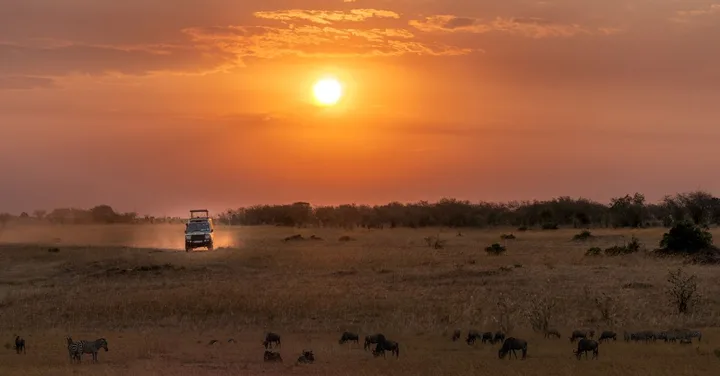
This is the one that surprises everyone. A 6am game drive, back by 10am, and you'll have seen lions, buffalo, rhino, giraffe, and more with the Nairobi skyline in your frame. It costs around KES 5,200 per person (roughly INR 3,000) for park entry. Book a vehicle through your hotel or with us directly.
David Sheldrick Elephant Orphanage
Open to the public between 11am and noon only. Baby elephants get their mud bath and milk bottle feed while rangers explain their rescue stories. It's genuinely moving and not the least bit performative. Book online in advance at KES 2,000 per person.
Kazuri Beads and Karen Blixen Museum
The Karen suburb (named after the author of Out of Africa) is a leafy, slow-paced neighbourhood that feels like a different city. The Kazuri Bead Factory employs single mothers and you can watch the entire bead-making process. Karen Blixen's home is preserved exactly as she left it in 1931.
Carnivore Restaurant
Yes, it's touristy. Yes, you should still go. A Nairobi institution since 1980, it's a rotisserie of meats on Maasai swords. They do have a full vegetarian menu too, which many Indian families appreciate. It's a proper evening out.
Westlands food scene
For Indian travellers who want familiar comfort food before heading into the bush, Westlands has good Indian restaurants. But also try Kikwetu for Kenyan home-style cooking or Talisman in Karen for beautiful garden dining. Nairobi's food scene is genuinely good.
Safari Sutra Package Options and Prices in INR
These are indicative per-person prices for the full Kenya trip including Nairobi, built around different comfort levels. All prices are approximate for a couple travelling from Delhi or Mumbai.
Classic Kenya (4 nights Mara + 1 night Nairobi)
Tented camps, shared game drives, reliable wildlife action. Around INR 1,85,000 to 2,20,000 per person including flights.
Premium Kenya (5 nights with private game drives + Nairobi boutique hotel)
Small-group or private drives, better camp positioning near the Mara River, full-board. Around INR 2,80,000 to 3,40,000 per person.
Luxury Migration (6 nights, top-tier Mara camps + Nairobi's best hotels)
Think Angama Mara, Mahali Mzuri, or similar. Hot air balloon over the migration. Private everything. INR 5,00,000 to 7,50,000+ per person.
Family Kenya (designed for 2 adults + 2 children)
Child-friendly camps, flexible meal timings, cultural village visits, Nairobi elephant orphanage. Around INR 4,50,000 to 5,50,000 for the family of four.
Extension add-on: Nairobi city day
If you're already booked on another package, you can add a full Nairobi day with park drive, orphanage visit, and Karen tour for around INR 12,000 to 16,000 per person.
After 12 years and 15,000+ trips, we've found the biggest difference between an average trip and a great one is guide quality and game drive timing. These are things Safari Sutra Holidays gets right for every client, and it matters most in Nairobi National Park where the time window for good light is narrow.
Getting There: Flights from India
Kenya Airways flies direct from Mumbai to Nairobi (JKIA) in around 5 hours 30 minutes. It's one of the most convenient African routes from India. Fares typically run INR 35,000 to 55,000 return in economy, depending on season and booking lead time.
From Delhi, the most popular routing is via Addis Ababa on Ethiopian Airlines or via Dubai on Emirates. Both are well-run, and Ethiopian Airlines gives you a great connection time at Bole International.
From cities like Bengaluru, Hyderabad, or Chennai, connecting through Mumbai or Delhi and picking up the Nairobi leg works well. Emirates via Dubai gives you the most flight options across India.
Book flights 3-5 months in advance for migration season travel. July departure dates fill up fast.
Visa, Vaccinations and Practical Prep
eVisa: Kenya switched to a single tourist permit system. Indian passport holders apply online at evisa.go.ke before travel. The fee is USD 100 per adult. Processing typically takes 2-3 working days, sometimes faster. Apply at least a week before travel.
Yellow Fever: Kenya requires a Yellow Fever vaccination certificate if you're arriving from a country where yellow fever is endemic. India is on that list. Get vaccinated at an authorised travel clinic (most major Indian cities have them) and carry your yellow card. This is non-negotiable at immigration.
Other vaccinations: Hepatitis A, Typhoid, and a course of anti-malarials are standard. Consult your travel doctor 4-6 weeks before departure.
Currency: Kenyan Shilling (KES). You can exchange INR to USD in India, then USD to KES at Nairobi airport or forex bureaux in Westlands. Cards are accepted at most hotels and restaurants.
SIM card: Safaricom is Kenya's best network. Get a tourist SIM at the airport arrivals hall. Data is cheap and fast in Nairobi.
Power: Kenya uses the UK-style three-pin plug. Carry a universal adapter.
The Incredible India portal has useful health and travel advisory information for Indian citizens heading abroad if you want a reliable government-backed reference.
Frequently Asked Questions
Q: Is Nairobi safe for Indian tourists?
It's safer than its reputation suggests, but you should take normal urban precautions. Stick to Westlands, Karen, Gigiri, and the tourist circuit. Don't walk around the CBD alone after dark. Use hotel-recommended cabs or Uber (it operates well in Nairobi). Most Indian families find it perfectly manageable with basic common sense.
Q: How many days should I spend in Nairobi before heading to the Mara?
One full day is enough to hit the highlights: a morning park drive, the elephant orphanage visit, and an evening in Westlands or Karen. Two days lets you breathe, explore more, and settle into the time zone before your safari begins. If you're arriving on a night flight, a half-day recovery plus one full day works well.
Q: Can vegetarians and Jains manage in Nairobi?
Nairobi has a long history of Indian-origin residents and a well-established vegetarian food scene. Most hotels offer vegetarian menus. Supermarkets stock dairy, fresh produce, and familiar Indian basics. You won't struggle.
Q: What's the difference between staying in Nairobi versus flying straight to the Mara?
If you're flying from Mumbai or Delhi, you'll land in Nairobi regardless. A direct charter to the Mara adds cost and complexity. Using Nairobi as a one or two-night base before your safari makes the journey feel less rushed and lets you experience a genuinely interesting city. Wilson Airport (the domestic terminal for Mara flights) is a 20-minute drive from most Nairobi hotels.
Q: What currency should I carry and how much cash do I need?
Most mid-range and luxury expenses go on card in Nairobi. Carry USD 100-200 in cash for tips, local market purchases, and small transactions in the Mara. Tipping guides and camp staff in USD or KES is standard. Budget roughly USD 15-20 per day per person for tips across your safari.
Q: Is Nairobi National Park worth it if I'm already going to the Mara?
Yes, and for a different reason. The Mara gives you wide-open plains and the migration. Nairobi National Park gives you the surreal image of predators against a city skyline. They're different experiences. If you have a morning free in Nairobi, the park drive is a no-brainer.
Q: Can Safari Sutra handle the full trip, including Nairobi hotel, city activities, Mara safari, and flights?
Absolutely. That's exactly what we do. Plan Your Trip, Contact Safari Sutra and share your travel dates, group size, and budget. We'll put together a complete itinerary, handle the logistics, and make sure you're not scrambling for details while you're supposed to be watching lions.
Plan Your Nairobi City Guide for Indian Safari Stopovers Trip with Safari Sutra
Ready to Plan Your Trip?
Safari Sutra Holidays — 13 years, 15,000+ trips, zero cookie-cutter itineraries.
Get Your Free Custom Quote →+91 9860415774 | hello@thesafarisutra.com

Safari Sutra Team
Travel curators with 13 years of experience planning Indian and international holidays — from safari adventures to island escapes.
View All Posts