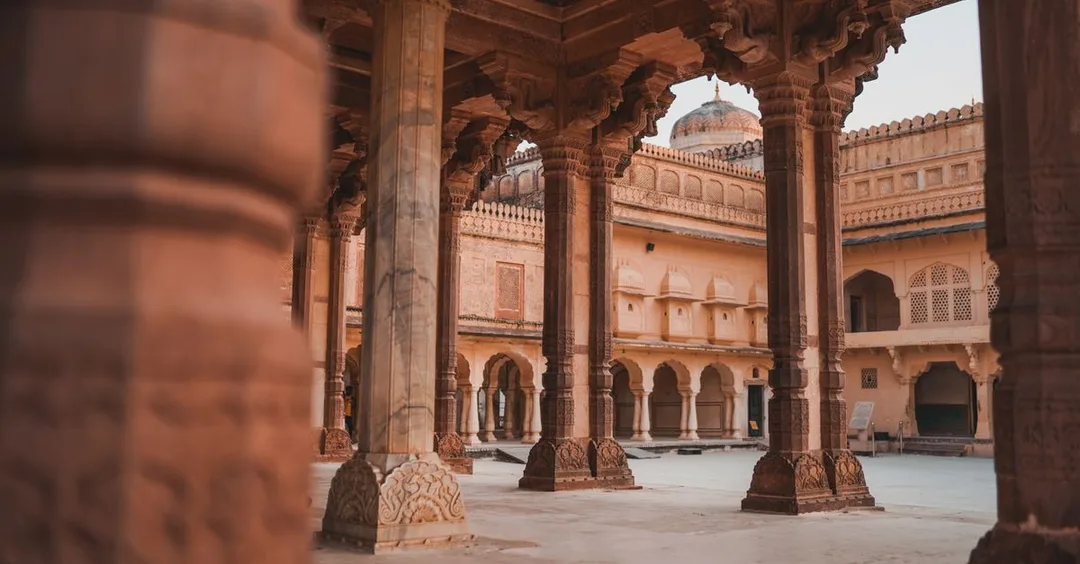
The moment your auto-rickshaw rounds the corner and the Hawa Mahal comes into view, still rosy-gold in the early morning light, you'll understand why people come back to Jaipur again and again. The air smells of marigold garlands and last night's rain on hot stone. A chai vendor rattles his cups nearby. A peacock, completely unbothered, struts across the road ahead of you. This is Day 1, and you haven't even had breakfast yet.
Jaipur is one of those cities that rewards the curious and overwhelms the unprepared. Three days is the sweet spot for a first visit: enough time to feel the city settle into you, not so long that the heat and sensory overload wear you down. This guide tells you exactly what to do, where to eat, where to sleep, and what to skip.
Your Trip at a Glance
- Day 1: Hawa Mahal at sunrise, old city walk, City Palace, local lunch at a rooftop dhaba, Albert Hall Museum in the evening
- Day 2: Amber Fort early morning, Jaigarh and Nahargarh Forts, afternoon block-printing workshop, sunset cocktails at a heritage hotel
- Day 3: Jantar Mantar, Johari Bazaar for jewellery shopping, Bapu Bazaar for textiles, farewell lunch at Lassiwala, afternoon departure
Day-by-Day Breakdown
Day 1: The Old City, the Palace, and Getting Lost on Purpose
Get to the Hawa Mahal by 7am. Seriously, set that alarm. The facade, a honeycomb of 953 small windows built so royal women could watch street life without being seen, looks completely different in the early light compared to midday. By 9am it's full of tour groups and the magic thins out. Spend twenty minutes just standing across the street at the chai stall directly opposite. Order a cutting chai for Rs 15 and take it all in. No filter needed.
From there, walk into the old walled city. The streets around Tripolia Bazaar and Nehru Bazaar are already humming by 8am with vendors setting up, temple bells going, school kids weaving through on cycles. This is not a picturesque backdrop. This is actual Jaipur life, and it's something the Incredible India tourism boards can barely do justice to in photographs. Don't rush it. Stop when something catches your eye. Get lost, at least a little.
City Palace opens at 9:30am and it's worth the two-to-three hours inside. The Mubarak Mahal, the armoury, the Diwan-i-Khas with its giant silver urns, which are listed in the Guinness World Records as the largest sterling silver objects ever made. These are real wow moments, delivered quietly. End Day 1 with a walk through Albert Hall Museum as the sun drops, when the stone glows warm and the crowds thin. Dinner at Niros on MI Road, a Jaipur institution since 1949. Order the laal maas. Thank us later.
Day 2: Forts, Craft, and a Rooftop Sunset
Leave your hotel by 6:30am for Amber Fort. This is non-negotiable timing. By 9am, the elephant ride queues stretch for an hour and the main courtyards are packed solid. In the early morning, you'll get the Sheesh Mahal, the hall of mirrors, almost to yourself. Step inside and the room becomes a galaxy. The guide will show you how a single candle lights up the whole ceiling. It's the kind of moment that doesn't photograph well and stays with you for years.
Spend the morning hitting Jaigarh Fort (connected to Amber by a long rampart walk), which most tourists skip. Jaigarh houses the world's largest cannon on wheels, Jaivana, and has sweeping views over the Aravalli hills that feel genuinely removed from the city below. Nahargarh Fort, perched above the city, is best saved for late afternoon. The sunset from the Padao restaurant terrace inside Nahargarh is the kind of thing Jaipur locals know about and tourists often miss.
After lunch, book a block-printing workshop through your hotel or Safari Sutra Holidays, which takes about ninety minutes and costs around Rs 800-1,200 per person. You'll leave with a printed piece of cotton fabric and a new appreciation for how those geometric floral patterns on every bedsheet in every boutique hotel actually get made. Dinner back at the hotel or at Suvarna Mahal inside Rambagh Palace if you want to push the boat out.
Day 3: Bazaars, Astronomy, and a Goodbye Lassi
Jantar Mantar first thing, right when it opens at 9am. This UNESCO-listed astronomical observatory, built by Maharaja Jai Singh II in the 18th century, looks like modern sculpture but predates modern science in the most remarkable way. The Samrat Yantra sundial is accurate to two seconds. Stand in its shadow and try to wrap your head around the fact that this was built entirely without telescopes or computers.
Then, shopping. Jaipur's bazaars are genuinely excellent for Indian travellers because you know quality, you can bargain confidently, and you're buying directly from craft traditions that go back centuries. Johari Bazaar for kundan and meenakari jewellery, Bapu Bazaar for block-printed textiles and jootis, Kishanpole Bazaar for lacquerware and blue pottery. Keep your budget realistic and your eye sharp for machine-printed fabrics being sold as hand-block-printed. If the price seems impossibly low, it probably is.
Lunch is non-negotiable: Lassiwala on MI Road (the original one, not the nearby imitators). A thick, creamy lassi served in a clay kulhad for Rs 60-80. Then head to the airport. Flights from Jaipur to Mumbai take about 1.5 hours, Delhi is just 45 minutes. You'll be home for dinner with a car full of jootis and a phone full of fort photos.
What's Included and What's Not
Typically included in a Safari Sutra Jaipur package:
- Airport transfers both ways (comfortable AC vehicle)
- 3 nights hotel accommodation (heritage property or premium business hotel)
- Breakfast daily
- Local expert guide for monuments on Days 1 and 2
- Block-printing workshop booking and transfer
- Entry ticket coordination
Not included:
- Flights to and from Jaipur (see cost breakdown below)
- Lunches and dinners (budgeted separately so you can choose your own)
- Personal shopping
- Elephant ride at Amber Fort (optional, Rs 900 per person approx)
- Travel insurance (strongly recommended)
Total Cost in INR
This breakdown is based on two adults travelling, using a comfortable mid-premium hotel like Samode Haveli or ITC Rajputana:
Item Estimated Cost (per couple) Flights (return, Mumbai or Delhi) Rs 8,000 - Rs 18,000 Hotel (3 nights, heritage property) Rs 24,000 - Rs 45,000 Transfers and local transport Rs 6,000 - Rs 9,000 Monument entries Rs 3,000 - Rs 4,500 Guide fees (2 days) Rs 3,000 - Rs 4,000 Food and drink Rs 4,000 - Rs 7,000 Approximate Total Rs 48,000 - Rs 87,500If you want to explore our Rajasthan Heritage Tour Packages, we can extend this into a longer circuit covering Jodhpur, Udaipur, or Jaisalmer with the same quality of planning throughout.
Tips for Making the Most of Every Day
- Start early, every day. Jaipur's heat peaks around 1-3pm and the monuments are genuinely uncomfortable to walk in that window. Morning light is also better for photography.
- Hire a local guide for at least Day 1. The monuments have context that you won't find on any signboard. A good guide transforms City Palace from a confusing maze into a living story. After 12 years and 15,000+ trips, we've found the biggest difference between an average trip and a great one is guide quality, which is something Safari Sutra Holidays gets right for every client by vetting and booking only the best local experts.
- Carry a cotton dupatta or light scarf. You'll need it for temples, and it doubles as sun protection.
- Negotiate, but with respect. Fixed-price shops exist everywhere now. Don't assume every vendor is out to fleece you, most aren't.
- Avoid visiting in May or June. The heat is brutal and the experience suffers. October to March is the sweet spot. For a full seasonal breakdown, Plan Your Trip by contacting Safari Sutra and we'll tell you honestly what conditions look like when you want to travel.
- Keep some cash on hand. Many smaller food stalls and bazaar vendors don't take UPI, and those that do will prefer it. But small chai shops? Always cash.
Frequently Asked Questions
Q: Is 3 days enough for Jaipur?
Three days is genuinely sufficient for a first visit if you're focused. You'll cover the major forts and palaces, explore the bazaars, and still have room to breathe. If you want to add a day trip to Abhaneri stepwell or Samode Village, tack on a fourth day.
Q: What's the best time of year to visit Jaipur?
October through February is the best window, with November to January being the most comfortable for sightseeing. December nights get surprisingly cold, so pack a light jacket. March and September are also good if you don't mind slightly warmer afternoons.
Q: Which hotel area should I stay in?
The old city area around Amer Road or the Civil Lines area near MI Road keeps you close to most sights. Heritage havelis inside the walled city are atmospheric but can be noisy at night. If you're a light sleeper, choose a heritage property just outside the walls.
Q: Are the bazaars safe for solo women travellers?
Yes, Jaipur is generally considered safe for women, including solo travellers. The main bazaars are busy, well-populated, and have a visible police presence. Standard urban precautions apply: stay on main roads after dark, use app-based cabs rather than unmarked autos at night.
Q: How do I get to Jaipur from Mumbai or Delhi?
From Delhi, it's a 4.5-hour drive on the NH48 or a 45-minute flight. From Mumbai, it's about 1.5 hours by air. IndiGo and Air India both fly direct. The Shatabdi Express from Delhi is also a comfortable option if you prefer trains.
Q: Can I do Jaipur on a budget?
Absolutely yes, though this guide pitches mid-premium travel. Budget travellers can stay in well-reviewed guesthouses for Rs 2,500-4,000 per night, eat brilliantly at dhabas and street stalls, and spend about Rs 20,000-28,000 total for a couple over three days, excluding flights.
Q: What should I actually buy in Jaipur?
Blue pottery, block-printed cotton, kundan jewellery, and jootis (traditional leather shoes) are all excellent buys. Rajasthani miniature paintings from reputable galleries are also worth considering. Avoid buying "precious gemstones" from street vendors or anyone who claims to have a "special export deal."
Book This Itinerary with Safari Sutra
Jaipur rewards the prepared traveller. Get the timing right, get the right guide, and this city will stay with you long after the marigold dust settles from your jootis.
This exact itinerary is bookable. Contact Safari Sutra Holidays to get your custom quote and we'll sort the details, from heritage hotel options that actually deliver on their promise to local guides who know which chai stall to take you to first.

Safari Sutra Team
Travel curators with 13 years of experience planning Indian and international holidays — from safari adventures to island escapes.
View All Posts