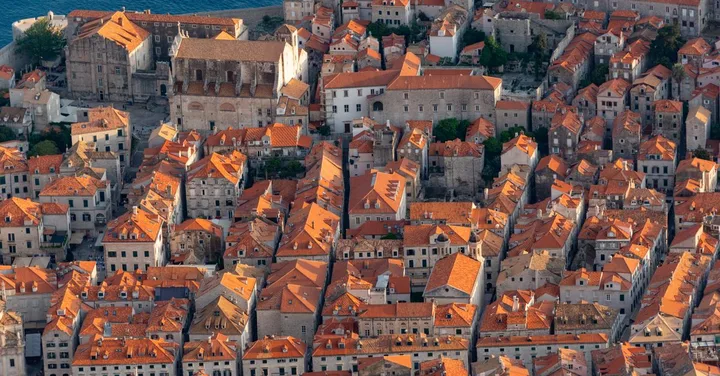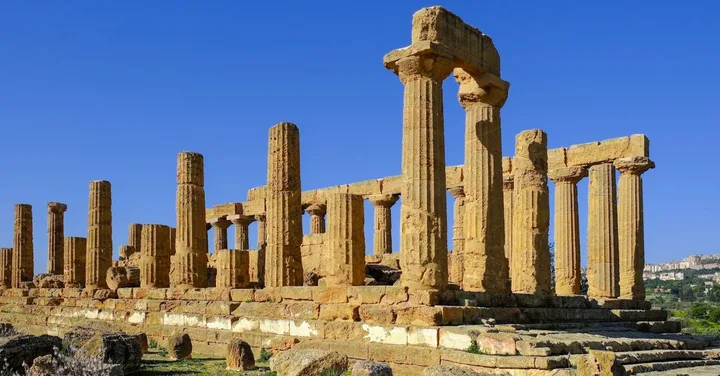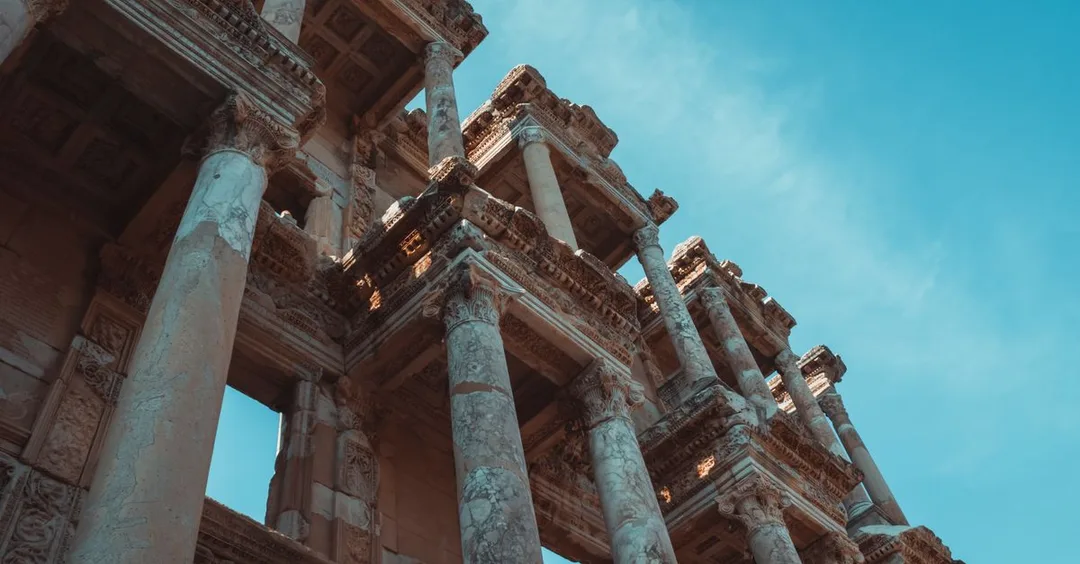
You're walking down a 2,000-year-old marble street, the same one Roman senators and merchants walked, and it's lined with columns that still stand. Then you turn a corner and there it is: the Library of Celsus, its two-storey facade rising from the hillside like something out of a film set, except it's real, it's ancient, and the details on those carved stone figures are still crisp enough to photograph. This is Ephesus, and it stops you cold.
In This Guide
- Ephesus Turkey for Indian Travellers: What You Actually Get
- Best Time to Visit (Month-by-Month, Honest)
- Top Experiences You Can't Miss
- Safari Sutra Package Options and Prices in INR
- Getting There: Flights from India
- Visa, Vaccinations and Practical Prep
- Frequently Asked Questions
- Plan Your Ephesus Turkey Trip with Safari Sutra
Ephesus Turkey for Indian Travellers: What You Actually Get
Ephesus is one of the best-preserved ancient Roman cities on the planet. Not "well-preserved for its age" or "partially reconstructed" (though some restoration has happened) - this is a site where you walk actual Roman roads, sit in a 25,000-seat theatre, and stand in front of a library facade that still has its original statues. It's genuinely jaw-dropping in a way that photographs don't fully capture.
For Indian travellers, Ephesus hits differently because of the scale. We're used to ancient history - Hampi, Varanasi, Ajanta. But Ephesus feels distinctly cinematic: wide marble avenues, Roman public latrines (yes, they're fascinating), terrace houses with intact mosaic floors, and a harbour avenue that once led to the Aegean Sea. It was, at its peak, the second-largest city in the Roman Empire.
The site is near the town of Selcuk, in western Turkey. Most Indian travellers combine it with Istanbul and Cappadocia, but Ephesus is substantial enough to deserve a dedicated half-day at minimum, and a full day if you want to cover the terrace houses (which you do). The Go Turkey official tourism board estimates the site covers around 950 hectares, with only a fraction fully excavated and open to visitors so far.
One thing to know upfront: guide quality here makes an enormous difference. After 12 years and 15,000+ trips, we've found the biggest difference between an average trip and a great one is guide quality. At Ephesus specifically, a good local guide will bring the site to life: who lived in which house, how the Romans engineered their water system, why the Library of Celsus was actually a mausoleum. A bad guide turns it into a 90-minute walk between signs you could have read yourself.
Best Time to Visit (Month-by-Month, Honest)
April to June is the sweet spot. Temperatures are pleasant (20-28°C), crowds are manageable, and the countryside around Ephesus is green and flowering. This is when the site is at its most photogenic.
September and October are equally good - arguably better for photography because the light is warm and golden, the summer crowd has thinned, and you can linger without wilting.
July and August are popular but honestly rough. Ephesus sits on a sun-exposed hillside with very little shade. At 38-40°C in peak summer, walking the marble streets for three hours is genuinely exhausting. If this is your only window, go early (site opens at 8am) and leave by noon.
November to March is quieter and cooler (10-15°C), with shorter days. You'll have the site largely to yourself in January and February, which has a real appeal - but check seasonal hours as some facilities close. Istanbul is cold but manageable in winter; Ephesus stays relatively mild by Turkish standards.
The honest verdict: aim for April, May, October, or early November. These months give you the best combination of weather, light, and breathing space.
Top Experiences You Can't Miss
The Library of Celsus
The showpiece. Built around 117 AD as both a library and a tomb for the Roman governor Celsus, this two-storey facade with its carved female figures representing wisdom, knowledge, intelligence, and virtue is extraordinary. Go in the early morning before tour buses arrive - the light on the eastern facade is better anyway.
The Great Theatre
This 25,000-seat amphitheatre is one of the largest in the ancient world. Climb to the upper tiers for a full view of the stage, the town of Selcuk beyond, and on a clear day, a glimpse of the plain that was once the harbour. The Apostle Paul reportedly preached here. Whether or not that moves you spiritually, the acoustics still work.
The Terrace Houses
Pay the extra entry fee. These are the homes of wealthy Ephesian citizens, with mosaic floors, frescoed walls, and a careful excavation process that's ongoing as you visit. It's genuinely intimate history: a kitchen, a dining room, a courtyard garden. Worth every rupee extra.
The Temple of Artemis
A short taxi ride from the main site. One of the Seven Wonders of the Ancient World, reduced now to a single standing column in a marshy field. It's poignant rather than spectacular, but the context it adds to your understanding of ancient Ephesus is real.
Selcuk Town and the Ephesus Museum
Don't skip the museum in town. It holds many of the statues, coins, and everyday objects found during excavations, including the famous multi-breasted Artemis statue. After walking the ruins, seeing the objects in context makes everything click.
Safari Sutra Package Options and Prices in INR
These packages all include Ephesus as part of a broader Turkey itinerary, with options shaped around how long you have and what you want to spend.
Essential Turkey (6 nights / 7 days)
Istanbul (3 nights) and Cappadocia (2 nights) with a Pamukkale extension (1 night). Ephesus works as a day trip from Pamukkale or as a stop on a coastal route. From approximately Rs. 80,000 to Rs. 1,10,000 per person, depending on hotel category and group size. See the full Turkey Cultural Immersion tour for details.
Turkey Honeymoon Experience (8 nights / 9 days)
Adds more depth, a cave hotel in Cappadocia, and time to breathe. Ephesus can be integrated as a day trip or overnight stop. From approximately Rs. 1,20,000 to Rs. 1,60,000 per couple. Full details on the Cappadocia Honeymoon tour page.
Ephesus and Aegean Extension
A custom add-on for travellers who want to go deeper: Ephesus, Pamukkale, the Turkish Riviera, and Bodrum. Contact us for custom pricing; most couples budget Rs. 45,000 to Rs. 60,000 additionally for this extension.
Private Guided Turkey (10+ nights)
For travellers who want a private guide throughout, premium accommodation, and a genuinely unhurried pace. Custom built per itinerary.
Turkey remains exceptional value compared to Western Europe - the Turkish Lira situation means your rupees go significantly further than in France or Italy for roughly equivalent history and quality of food.
Getting There: Flights from India
There's no direct flight to the Ephesus region - you'll fly into Istanbul (Ataturk or Sabiha Gokcen airport), then connect.
From Istanbul to Ephesus (Izmir or Adnan Menderes Airport): Domestic Turkish Airlines flights take about an hour and cost Rs. 4,000 to Rs. 8,000 one-way depending on booking time. From Izmir airport, Ephesus is about 80 kilometres by road.
Direct flights to Istanbul from India:
- Mumbai: IndiGo, Turkish Airlines, Air India (approximately 7-8 hours)
- Delhi: Turkish Airlines direct, IndiGo, Air India (approximately 7 hours)
- Return fares from around Rs. 35,000 to Rs. 65,000 depending on season and booking window
Book international flights 3-4 months ahead for April-June travel. Turkish Airlines frequently runs good deals and their Istanbul hub connects well for Indian passport holders.
Visa, Vaccinations and Practical Prep
Visa: Indian passport holders can get a Turkey e-Visa online at evisa.gov.tr. It typically costs around USD 50, is processed within a few hours, and is valid for multiple entries. No embassy visit required. This is one of the easiest visa processes for Indian travellers.
Vaccinations: No specific vaccinations are mandatory for Turkey from India. Standard travel hygiene applies. If you're generally up to date on routine vaccinations (Hepatitis A, Typhoid), you're covered. The Incredible India travel health portal has a useful pre-departure checklist if you want to double-check.
Currency: Turkish Lira (TRY). ATMs widely available. Cards accepted at most tourist sites and restaurants. USD and Euro are sometimes accepted at tourist spots, but Lira gives better rates.
Getting around Ephesus: The main site is best on foot. Wear comfortable closed shoes - the marble is uneven and slippery in spots. A hat, sunscreen, and water bottle are non-negotiable from April onwards.
What to carry: Light cotton clothing, a good camera or phone, and patience - the site is large. Allow at least 3-4 hours for the main site plus terrace houses.
If you're thinking about other heritage-rich destinations in the region, Oman Holiday Packages are worth a look as a shorter-haul alternative with similar ancient history appeal and equally easy visa access for Indians.
Frequently Asked Questions
Q: How long do you need at Ephesus?
Plan for a minimum of 3-4 hours for the main site and terrace houses. If you add the Ephesus Museum in Selcuk and the Temple of Artemis, you're looking at a full day. Half-day visits are possible but rushed - you'll spend most of it moving rather than absorbing.
Q: Can Ephesus be done as a day trip from Istanbul?
Technically yes via a domestic flight to Izmir, but it's a long day. Most people do it as part of a western Turkey loop: Istanbul, then fly to Izmir, visit Ephesus, continue to Pamukkale by road, then Cappadocia. That route makes the geography and the history both make more sense.
Q: Is it family-friendly for kids?
Yes, with some caveats. Kids who like history and scale (the big theatre, the long marble streets) respond well. Very young children find the uneven terrain and heat challenging. The terrace houses require some climbing and are not stroller-friendly.
Q: What is the entry fee and is photography allowed?
As of 2025, the Ephesus site entry is approximately 800-900 Turkish Lira for adults (roughly Rs. 2,000-2,200 at current rates). The terrace houses are an additional fee. Photography is permitted throughout; drone photography requires prior permission.
Q: Is the food near Ephesus good?
Yes, and this is underrated. Selcuk has some excellent local restaurants. Try the mezes, the lamb dishes, and the local olive oil. The Aegean region of Turkey has a lighter, more Mediterranean food profile than Istanbul - it's exceptional for Indian palates that appreciate fresh vegetables and bold flavours.
Q: Do I need to book in advance?
Tickets can be bought at the gate, but in summer and during peak spring season (April-May), queues can be long. Buy tickets online via the official Turkish Ministry of Culture portal or ask Safari Sutra Holidays to arrange this as part of your itinerary logistics.
Q: Is Turkey safe for Indian women travelling in a group or solo?
Ephesus, Selcuk, Istanbul and the main tourist circuit are very safe for women travellers. Dress modestly when visiting mosques (carry a scarf). Street harassment is minimal in tourist areas compared to many other destinations. Standard common sense travel applies.
Plan Your Ephesus Turkey Trip with Safari Sutra
Ephesus is one of those sites that rewards you for showing up prepared: knowing what you're looking at, having a guide who makes it real, and giving yourself enough time to actually stand still and take it in rather than tick a box and move on. Safari Sutra Holidays has been building Turkey itineraries for over a decade, and we know the difference between an itinerary that works and one that just looks good on a PDF.
Whether you want a classic 7-night cultural tour, a honeymoon with cave hotels and balloon rides, or a longer western Turkey loop built around Ephesus, Pamukkale, and the coast, we'll put together something that actually fits you.
Ready to Plan Your Trip?
Safari Sutra Holidays — 13 years, 15,000+ trips, zero cookie-cutter itineraries.
Get Your Free Custom Quote →+91 9860415774 | hello@thesafarisutra.com

Safari Sutra Team
Travel curators with 13 years of experience planning Indian and international holidays — from safari adventures to island escapes.
View All Posts