The smell hits you first. Lemongrass, charcoal smoke, and something frying in a wok somewhere nearby. You're standing in the middle of Chiang Mai's Night Bazaar, and a monk in saffron robes just walked past a woman selling hand-embroidered bags from the hill tribes of the north. It's 7pm, the temperature has actually dropped to something pleasant, and you have absolutely no idea where to look first. This is the Chiang Mai that doesn't make it onto the Instagram highlight reels, the one that gets under your skin.
In This Guide
- Chiang Mai Thailand for Indian Travellers: What You Actually Get
- Best Time to Visit (Month-by-Month, Honest)
- Top Experiences You Can't Miss
- Safari Sutra Package Options and Prices in INR
- Getting There: Flights from India
- Visa, Vaccinations and Practical Prep
- Frequently Asked Questions
- Plan Your Chiang Mai Thailand Trip with Safari Sutra
Chiang Mai Thailand for Indian Travellers: What You Actually Get
Let's be honest about what Chiang Mai is and isn't. It's not a beach destination. It's not Bangkok's neon chaos. It's the cultural, natural, and culinary soul of northern Thailand, and it rewards travellers who want more than a poolside holiday.
For Indian travellers, Chiang Mai checks several important boxes. It's genuinely affordable, even by Thai standards. Flights from Delhi and Mumbai connect easily through Bangkok, making it a natural add-on to any Thailand Tour Packages itinerary. The city is compact enough to feel manageable, but rich enough to fill four or five days without repeating yourself.
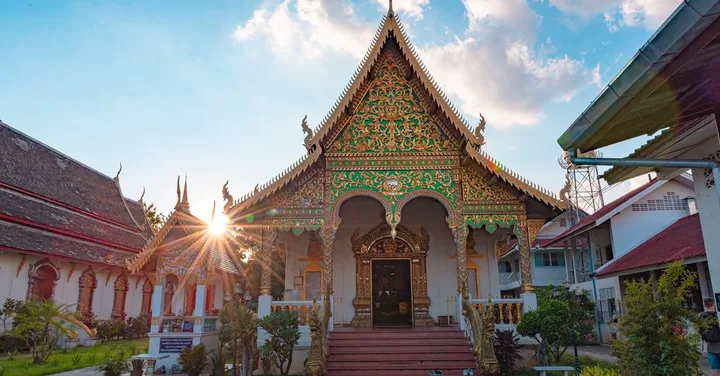
The old city is ringed by a moat, and inside those ancient walls you'll find more than 300 temples. That's not a typo. Doi Suthep, the golden temple perched on a mountain above the city, is the most famous, but the quiet courtyards of Wat Chedi Luang and the half-ruined grandeur of Wat Umong will stick with you longer. Chiang Mai has a spiritual quietness that Bangkok simply doesn't offer.
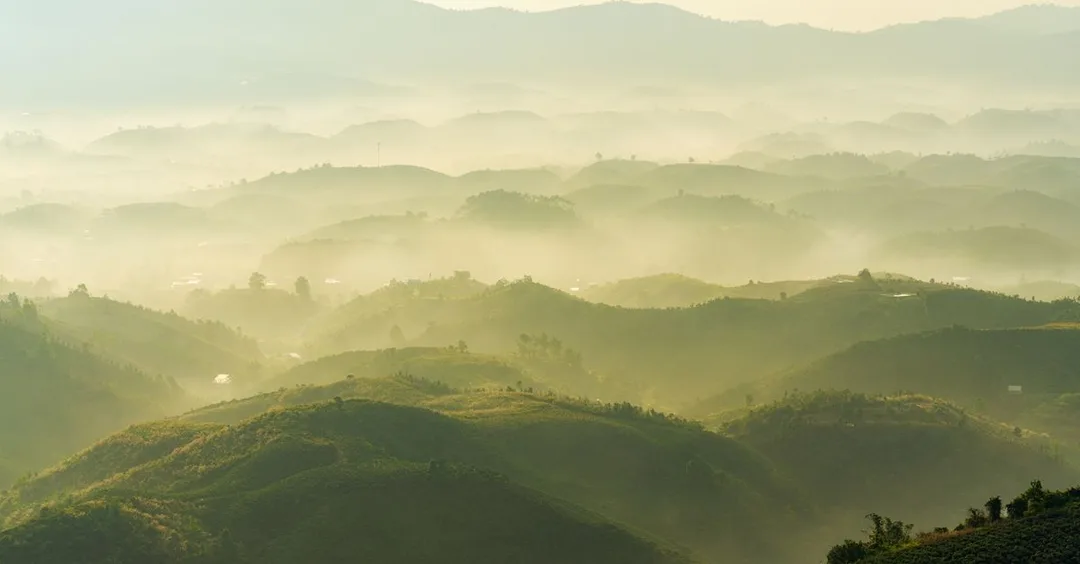
Outside the city, the landscape opens up into forested hills, Karen and Akha hill tribe villages, rice paddies, and elephant sanctuaries. The food here is distinct from central Thai cuisine, earthier and richer, think khao soi (a coconut curry noodle soup that you'll want every single day) and sai oua sausages grilled on open coals.
Indian visitors fit in well here. The local hospitality is genuine, prices are very reasonable in INR terms, and the food comfort level is high, with vegetarian options across most menus. If you're planning a family trip, a honeymoon, or a solo cultural escape, Chiang Mai delivers differently for each.
Best Time to Visit (Month-by-Month, Honest)
The short answer: November to February is the sweet spot. The longer answer is more useful.
November to February is the cool, dry season in northern Thailand. Temperatures drop to around 15-20°C at night, which for a cold-blooded Indian traveller from Chennai or Mumbai might feel positively chilly. Pack a light jacket. Days are clear, skies are blue, and the hills look their greenest. This is peak season, so book hotels and elephant sanctuaries at least 6-8 weeks in advance.
March and April are hot, dry, and increasingly smoky. Farmers burn fields in the surrounding hills, and air quality in the Chiang Mai valley can drop significantly during late February through April. If you're travelling with older parents or young children, the air quality concern is real and worth checking. The Tourism Authority of Thailand publishes AQI data for the region during this period.
May through October is monsoon season. The hills go lush and impossibly green, waterfalls run properly, and prices drop. Chiang Mai actually handles rain better than beach destinations because there's plenty to do indoors, in temples, markets, cooking schools, and cafes. The heavier rain usually arrives in short afternoon bursts rather than all-day downpours. If you're on a budget and flexible, May-June or September-October can be excellent value.
Thai New Year (Songkran) in April is a bucket-list experience if you're prepared to get absolutely drenched. The whole city becomes a water fight for three days. It's genuinely joyful, extremely wet, and completely unlike anything you've experienced.
The bottom line: visit November to February for the best all-round experience. But Chiang Mai is worth visiting most of the year if you go in with the right expectations.
Top Experiences You Can't Miss
Ethical Elephant Sanctuaries
This is the one experience Indian families consistently rate as the highlight of their entire Thailand trip, not just Chiang Mai. The key word is ethical. Skip any operator that offers elephant riding, which is genuinely harmful to the animals. The good sanctuaries, like Elephant Nature Park and several smaller rescue centres in the hills, let you feed, bathe, and walk alongside rescued elephants in their natural habitat.
Watching an elephant splash itself in a river while a mahout laughs nearby is one of those quiet, specific moments that stays with you. Book directly or through a trusted operator, spots fill fast during peak season.
Doi Suthep Temple
Take the road up the mountain, climb the 306-step naga staircase, and step into a temple complex that has been active since 1383. The views over the Chiang Mai valley are remarkable on a clear day. Go early, around 7-8am, to miss the crowds and catch the monks in their morning rituals. The songthaew (red shared trucks) run up from the city for around 60-80 Thai baht each way.
The Night Bazaar and Sunday Walking Street
Two different markets, both worth your time. The Night Bazaar runs every evening along Chang Klan Road and leans more commercial, good for silver jewellery, silk, lacquerware, and the kind of haggling that's actually fun. The Sunday Walking Street on Wualai Road is calmer, more local, better food stalls, and genuinely beautiful handmade goods from the hill tribes. If you're visiting on a Sunday, don't skip it.
Hill Tribe Villages and Trekking
Day treks into the hills around Chiang Mai take you through Karen, Akha, and Hmong villages that have maintained their traditions for centuries. You'll see hand-weaving demonstrations, bamboo bridges over streams, and occasionally a very enthusiastic local dog. Choose operators that work directly with communities and pay fair fees to the villages. Not every trekking company does this, so ask before you book.
Cooking Classes
Arguably the best value experience in Chiang Mai. A half-day cooking class, including a market visit to pick ingredients, typically costs 1,000 to 1,500 Thai baht. You'll make four or five dishes from scratch, understand Thai flavour principles (sweet, sour, salty, spicy, bitter in balance), and leave with a recipe card you'll actually use. Particularly popular with couples and families.
Chiang Mai's Old City Temples
Beyond Doi Suthep, give yourself half a day to wander the old city on foot or by bicycle. Wat Phra Singh, Wat Chedi Luang (where a pillar still holds a naga serpent said to protect the city), and Wat Suan Dok each have their own character. Entry is free or minimal at most. Dress modestly: cover shoulders and knees, and you'll be waved in everywhere without issue.
Safari Sutra Package Options and Prices in INR
Prices below are approximate, per person, based on double occupancy, and exclude international flights unless stated. They're realistic market rates as of 2025-2026 and will vary by season and hotel category.
Essential Chiang Mai (3 Nights / 4 Days)
- Comfortable 3-star hotels in the old city
- Doi Suthep visit, Night Bazaar evening, one cooking class
- Airport transfers included
- Approximately INR 28,000 to 35,000 per person
Chiang Mai Plus Elephant Sanctuary (4 Nights / 5 Days)
- 4-star boutique hotel
- All of the above plus a full-day ethical elephant sanctuary visit and a half-day hill tribe trek
- Approximately INR 48,000 to 60,000 per person
Cultural Chiang Mai (5 Nights / 6 Days)
- 4-star to 5-star heritage hotel (there are some beautiful old teakwood properties here)
- Temple trail, elephant sanctuary, cooking class, Doi Inthanon National Park day trip (Thailand's highest peak), private guided hill tribe village visit
- Approximately INR 70,000 to 90,000 per person
Chiang Mai + Bangkok Combination (7 Nights / 8 Days)
- Splits time between northern culture and Bangkok's city energy
- Mix of 4-star hotels across both cities
- Very popular with first-time Thailand travellers from India
- Approximately INR 85,000 to 1,10,000 per person
Family Special (5 Nights / 6 Days for 2 Adults + 2 Children)
- Family rooms or interconnected suites
- Child-friendly scheduling with elephant sanctuary, cooking class, and optional zip-lining
- Approximately INR 1,60,000 to 2,00,000 for the family
All packages are customisable. Safari Sutra Holidays handles everything from hotels and guides to day-trip booking and airport pickups. WhatsApp enquiry is the fastest way to get a quote tailored to your exact travel dates.
Getting There: Flights from India
There are no direct flights from India to Chiang Mai. The standard routing is through Bangkok (Suvarnabhumi or Don Mueang), with a connecting flight to Chiang Mai International Airport. Total travel time from Delhi or Mumbai runs about 7 to 9 hours including the layover.
Airlines like IndiGo, Air India, Thai Airways, and Bangkok Airways operate this route regularly. Budget-friendly options often fly into Bangkok's Don Mueang airport and connect to Chiang Mai on local Thai carriers. Flight prices from India to Bangkok typically range from INR 12,000 to 30,000 return depending on season and how far in advance you book.
Alternatively, if you're combining Chiang Mai with Bangkok in a longer itinerary (which we strongly recommend for first-time visitors), you can fly into Bangkok, spend a few days there, and then take a 1-hour domestic flight north to Chiang Mai, before flying home. This circular routing avoids doubling back and makes excellent use of your time.
Visa, Vaccinations and Practical Prep
Indian passport holders receive a Visa on Arrival at major Thai international airports, valid for 30 days. As of 2025, Thailand has also introduced a streamlined e-visa system. Check current requirements at the official Tourism Authority of Thailand website before you travel, as visa policies have been updated frequently.
For vaccinations, the standard advice for travellers from India visiting Thailand covers hepatitis A, typhoid, and standard routine vaccinations. Consult your doctor 4 to 6 weeks before travel. The Incredible India travel health section has general guidance for Indian citizens travelling internationally.
A few practical things worth knowing:
- Currency: Thai Baht (THB). Exchange at authorised counters at the airport or use a multi-currency card. Avoid street money changers.
- SIM card: Pick up a tourist SIM at the Bangkok or Chiang Mai airport. AIS and DTAC offer affordable data packages.
- Getting around Chiang Mai: Songthaews (red trucks), tuk-tuks, and Grab (the regional Uber equivalent) are all reliable. The old city is very walkable.
- Dress code: Cover up at temples. A light cotton shawl in your bag solves this instantly.
- Bargaining: Expected at markets, not appropriate in malls or fixed-price restaurants.
Frequently Asked Questions
Q: Is Chiang Mai safe for Indian families travelling with kids and elderly parents?
Very much so. Chiang Mai is consistently rated among the safest cities in Southeast Asia for tourists. The traffic is manageable compared to Bangkok, the people are genuinely warm, and medical facilities are good for a regional city. The one watch-out is air quality from February to April, so if elderly parents have respiratory sensitivities, plan your visit outside of that window.
Q: How many days is enough for Chiang Mai?
Four to five days is a comfortable minimum if you want to cover the highlights without rushing. Three days is doable if you're on a tight schedule and have a clear priority list. Six days is ideal if you want to include Doi Inthanon, a proper hill tribe trek, and some unhurried temple time.
Q: Can I combine Chiang Mai with Phuket or other Thai islands?
Yes, and it's a brilliant combination. Most Safari Sutra Holidays Thailand itineraries pair Chiang Mai's culture with a few days on the islands. Fly Chiang Mai to Bangkok to Phuket or Koh Samui. It adds two domestic flights but the contrast between mountain culture and island beaches is worth every minute.
Q: Is Thai food manageable for Indian vegetarians?
Better than you'd expect. Chiang Mai has a strong vegetarian scene influenced by Buddhist traditions. Many temples have vegetarian canteens. Dedicated vegetarian restaurants are easy to find in the old city. Just communicate clearly: "Jay" (jay food, in Thai) means strictly vegetarian and vegan, and it's widely understood.
Q: What's the best elephant experience for children?
Look for sanctuaries that let children feed elephants, watch them bathe, and walk alongside them at close range. The interaction is supervised, gentle, and absolutely magical for kids between 6 and 14 years. Book in the morning slot, cooler temperatures and better elephant energy.
Q: How much should I budget per day in Chiang Mai beyond the package cost?
For a comfortable mid-range traveller, INR 1,500 to 2,500 per day covers meals, snacks, local transport, and market shopping. If you're eating street food (highly recommended) and using shared songthaews, you can live very well on INR 1,000 per day.
Q: Do I need travel insurance for Thailand?
Yes, without question. Medical costs for hospitalisation in Thailand, while not extravagant by global standards, can reach INR 1 to 2 lakh quickly for anything serious. A standard international travel insurance policy costs INR 500 to 1,500 for a week and is genuinely worth it.
Plan Your Chiang Mai Thailand Trip with Safari Sutra
Chiang Mai rewards the traveller who goes prepared but stays open to surprise. After 12 years and 15,000+ trips, Safari Sutra Holidays has learned that the biggest difference between a trip you forget and one you talk about for years comes down to two things: having the right guide and being in the right place at the right time. In Chiang Mai, that means a local guide who knows which elephant sanctuary actually operates ethically, which village trekking operator pays fairly, and which market stall's khao soi will ruin all other khao soi for you forever.
This is a city that asks you to slow down just a little. To sit in a temple courtyard at dusk. To take the cooking class even though you already know how to cook. To let the elephant eat from your hand and just stand there for a moment. Northern Thailand at its best is surprisingly meditative, and you'll come back quieter and somehow more yourself.
Ready to Plan Your Trip?
Safari Sutra Holidays — 13 years, 15,000+ trips, zero cookie-cutter itineraries.
Get Your Free Custom Quote →+91 9860415774 | hello@thesafarisutra.com

Safari Sutra Team
Travel curators with 13 years of experience planning Indian and international holidays — from safari adventures to island escapes.
View All Posts