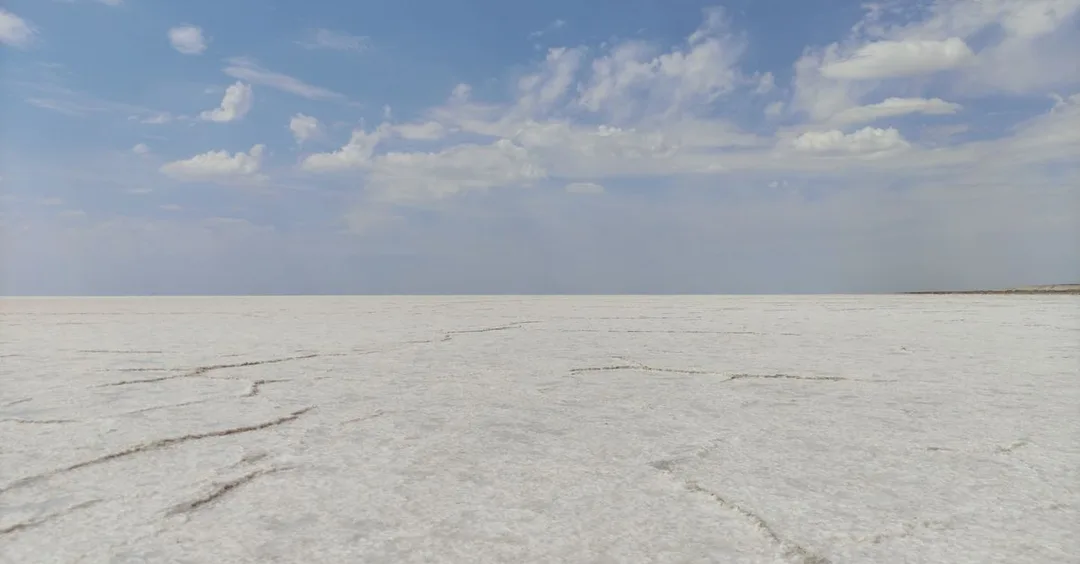
Close your eyes for a moment and picture this: it's just past midnight, the air is sharp and cold, and beneath your feet stretches an infinite white flatness that looks like the moon. The sky above is absolutely exploding with stars, undimmed by any city glow. Somewhere behind you, folk musicians are playing a Sufi raga that seems to dissolve into the silence. You're standing on the Rann of Kutch, one of the most otherworldly landscapes on the planet, and it's sitting right here in India, in Gujarat, a short flight from Mumbai or Delhi. This is Rann Utsav, and in 2026 it's going to be bigger, warmer, and more worth your time than ever.
Rann Utsav 2026 for Indian Travellers: What You Actually Get
Let's be honest about what Rann Utsav actually is before you book anything. It's not just a weekend fair. It's a four-month-long festival running from roughly November 2025 through February 2026, spread across the Dhordo tent city on the edge of the Great Rann. The Gujarat Tourism department transforms this remote corner of Kutch into a small township of heated tents, handicraft bazaars, cultural stages, adventure activities, and some genuinely good food.
You're essentially booking a stay in a tented resort village that happens to be surrounded by one of the largest salt flats in the world. The experience combines a proper cultural festival with something close to a wilderness stay. During the day, you explore the Rann on camelback or foot, visit artisan villages, and watch weavers, embroiderers, and potters work with skills passed down over centuries. At night, the music starts and the moonlit Rann does something to your sense of time and place that's hard to explain until you've felt it.
The Incredible India portal officially promotes Rann Utsav as one of India's flagship cultural festivals, and it deserves that status. For premium Indian travellers, the draw is the combination of genuine cultural depth, dramatic landscape, and the fact that it's still not overrun the way Rajasthan's festival circuit has become.
Best Time to Visit (Month-by-Month, Honest)
November (Early November to end of month): The festival kicks off and the energy is fresh. Crowds are lighter, the weather is comfortably cool during the day (around 20-25°C), and the Rann hasn't yet attracted its peak-season rush. This is also when the flamingos start appearing at the Little Rann. If you want space and good photography conditions, early November is the sweet spot.
December: This is when Rann Utsav hits its stride. The full moon nights in December are genuinely spectacular on the white salt flats. Christmas and New Year see a significant uptick in visitors, and the Dhordo tent city buzzes with families, couples, and foreign tourists. Temperatures drop to around 8-12°C at night, so pack accordingly. Accommodation books up fast, especially for the full moon dates.
January: The Republic Day weekend (around January 26th) is the single busiest period of the entire festival. The cultural performances are at their most elaborate, but so are the crowds and the wait times. If you can be flexible, visit in early January or the last week of the month for a calmer version of the same magic. The coldest nights happen in January, sometimes dropping to 5°C or below.
February: The festival typically wraps up by mid to late February. The weather warms up again, crowds thin out, and you often find the best availability and value during this period. The Rann in February feels quieter and more contemplative, which suits a certain kind of traveller perfectly. If you're looking for reflection over revelry, this is your month.
One honest note: skip the full moon weekend in December if you're not a crowds person. The moonrise over the white salt is extraordinary, but so is the number of people trying to see it.
Top Experiences You Can't Miss
The Midnight Rann Walk
The Rann after 10 PM is a completely different place. The tour groups have gone back to their tents, the cold bites harder, and the silence becomes almost physical. Walking out onto the salt flats with just a guide and a clear sky above you is the single best thing you can do here.
Village Visits to Hodka and Bhirandiyara
These villages on the edge of the Rann are home to Harijan and Mutwa communities whose embroidery work is among the finest textile craft in all of India. You can visit artisan homes, watch the work happen in real time, and buy directly from the makers. What you'll find in Hodka puts the Dhordo bazaar stalls to shame in terms of quality and authenticity.
Wild Ass Sanctuary at Little Rann
About 130 km from Dhordo, the Little Rann of Kutch is home to the Indian wild ass (khur), one of the rarest equids on earth. Early morning drives here often turn up wolves, desert foxes, and large flocks of flamingos. It's worth building into your itinerary if you're spending at least three nights in the region.
Kala Dungar (Black Hill)
The highest point in Kutch at 462 metres, Kala Dungar gives you a panoramic view over the entire expanse of the Rann. The light just before sunset turns the salt flats into shades of pink and gold that no filter can improve on.
The Handicraft Bazaar
Kutch produces some of India's most distinctive craft traditions: Ajrakh block printing, Rogan art (where a single-strand silver thread creates intricate patterns), Rabari mirror embroidery, and hand-woven shawls. The bazaar at Dhordo has evolved significantly and now includes genuine artisans alongside the commercial stalls. Give yourself time to look carefully and you'll find pieces worth carrying home.
Safari Sutra Package Options & Prices in INR
These are working price points for 2026 based on current costs and typical inclusions. Final pricing depends on travel dates, group size, and any customisations you want.
Rann Weekend Escape (2 Nights, 3 Days)
Flights from Mumbai or Delhi, transfers, two nights in a premium AC tent at Dhordo, Rann moonlight walk, breakfast and dinner daily, one village visit. Starting from approximately Rs. 22,000 per person (twin sharing), flights included from Mumbai.
Rann Cultural Immersion (3 Nights, 4 Days)
Everything in the Weekend Escape plus a full-day Kutch cultural circuit covering Bhuj, Hodka village, and the handicraft villages. Includes a guide with deep regional knowledge and a curated artisan interaction. Starting from approximately Rs. 32,000 per person (twin sharing), flights included.
Rann and Little Rann Wildlife Combo (4 Nights, 5 Days)
Combines two nights at Dhordo with two nights at a property near the Little Rann of Kutch for wild ass safaris. Flamingo sightings, birdwatching, the salt flat experience, and Kutch cultural visits. Starting from approximately Rs. 48,000 per person (twin sharing), flights included.
Luxury Tent Experience (3 Nights, 4 Days)
For travellers who want the full Rann experience without roughing it at all: premium heritage tent accommodation at Dhordo (the deluxe AC tents with proper beds and attached bathrooms), private guide, sundowner on the salt flats, and a customised village circuit. Starting from approximately Rs. 65,000 per person.
Custom Family or Group Trip
If you're travelling with family or a group of six or more, Plan Your Trip with Safari Sutra directly. Group sizes change the economics significantly and we'll build something that works for your specific travel style and dates.
Getting There: Flights from India
The main gateway is Bhuj Airport (BHJ), which has direct flights from Mumbai (roughly 1.5 hours) and connections via Ahmedabad from other major cities. IndiGo and Air India both service this route. From Bhuj, Dhordo is about 85 km by road, which takes roughly 2 to 2.5 hours. Your driver or transfer will handle this.
If flights to Bhuj don't work on your dates, fly into Ahmedabad (AMD) instead. Ahmedabad is well-connected from Delhi, Mumbai, Bangalore, Hyderabad, and Chennai, and the road journey to Dhordo from Ahmedabad is around 350 km (about 6 to 7 hours, or 4 hours with a driver who knows the route). Some travellers combine this with a night in Ahmedabad and a stop at Patan to see the Rani ki Vav stepwell along the way.
Rann Permit: You'll need a permit to enter the Rann area. This is handled at the Dhordo entry gate and costs a nominal amount. If you're booking through us, this is managed as part of your package logistics.
Visa, Vaccinations & Practical Prep
Rann Utsav is a domestic India destination, so there are no visa requirements for Indian passport holders. International travellers accompanying Indian families or travelling independently will use their existing India visa.
No specific vaccinations are required or recommended beyond your regular routine. The Rann is a dry salt desert, so there's no malaria risk in this region.
Practical things to sort before you go:
- Pack warm clothes, full stop. The Rann at night in December and January is genuinely cold. A good down jacket or heavy fleece is not optional.
- Sunscreen and sunglasses for daytime on the salt flats: the glare off the white surface is intense and reflects UV from below as well as above.
- Comfortable closed shoes for village walks. The salt crust can be sharp in places.
- Cash is useful in the villages and some artisan interactions. ATMs in Bhuj are reliable; Dhordo has limited banking facilities.
- Book accommodation well in advance for December full moon dates and Republic Day weekend. These sell out months ahead.
- The Dhordo tent city has good mobile connectivity (Jio and Airtel work fine), so you won't be off the grid.
Frequently Asked Questions
Q: Is Rann Utsav suitable for children?
Absolutely yes. The Rann Utsav tent city is one of the most child-friendly festival setups in India. Camel rides, open spaces, folk music, art and craft activities, and the general magic of the landscape make it excellent for kids aged six and above. For younger children, it depends on how they handle the cold nights and the travel distances. Families with toddlers often do better in November or February when temperatures are milder.
Q: How many nights should I plan for?
A minimum of three nights gives you a proper experience: one day to settle in and do the Rann by evening, one full day for village visits and the bazaar, and one morning for whatever you feel you missed. Anything less feels rushed. If you can stretch to four or five nights and add the Little Rann, you'll leave with a much fuller picture of what Kutch actually is.
Q: Is it safe to travel to the Rann area?
Yes, entirely. The Rann of Kutch is a well-managed tourist area with good road infrastructure, local police presence, and a mature tourism ecosystem that Gujarat has been building for over a decade. The communities in the region are warm and accustomed to visitors. The only safety consideration is driving at night on rural roads, which is best avoided.
Q: Can I combine Rann Utsav with other Gujarat destinations?
This is one of the best parts of planning a Gujarat trip. Bhuj itself has strong history and excellent food. Ahmedabad is a UNESCO World Heritage City with incredible architecture and a food culture that deserves two days on its own. Add Gir National Park for Asiatic lions, and Somnath or Dwarka if your group has any interest in heritage temples. Gujarat rewards the traveller who gives it a proper week.
Q: What's the full moon schedule for Rann Utsav 2026?
For the 2026 festival season (running through the 2025-2026 winter), the key full moon dates in the Rann fall approximately on 5th November 2025, 4th December 2025, 3rd January 2026, and 1st February 2026. These nights are the ones to plan around if the moonlit salt flat experience is a priority, and they're also when accommodation books out fastest.
Q: What's the difference between the government tent city and private properties?
The Gujarat Tourism tent city at Dhordo is the official festival accommodation and it's reasonably comfortable, with AC tents, a cultural program, and meals. Private properties and boutique heritage stays in the Hodka and surrounding areas offer a quieter, more personalised experience and often better food. For premium travellers, the private options are worth the extra cost.
Q: How does Safari Sutra handle bookings for Rann Utsav?
We manage the full trip: flights, accommodation (both tent city and private options), transfers, guide arrangements, permits, and any activity bookings. After 12 years and 15,000+ trips, we've found the biggest difference between an average trip and a great one is guide quality and timing, whether that's knowing exactly when to be on the salt flats for the best light or which village families genuinely welcome visitors rather than perform for them. These are the things we get right for every Safari Sutra Holidays client, and the Rann is no exception.
Plan Your Rann Utsav 2026 Trip with Safari Sutra
The Rann of Kutch is one of those places that sounds almost too cinematic to be real, a salt desert the size of a small country, a sky full of stars, folk music that's been playing in this landscape for centuries. And then you get there and it's even more than you expected.
If you've been thinking about this trip for a while, 2026 is the year to do it. December dates in particular fill up well in advance, so the time to sort your plans is now, not closer to the season.
You might also want to look at our Morocco Tour Packages if Rann Utsav has sparked an appetite for desert landscapes combined with rich craft traditions. The parallels between Kutch and the Moroccan south are genuinely striking, and many of our travellers do both within a year or two.
But first, the Rann. It's waiting.
Ready to start planning? Contact Safari Sutra Holidays and we'll handle everything.

Safari Sutra Team
Travel curators with 13 years of experience planning Indian and international holidays — from safari adventures to island escapes.
View All Posts