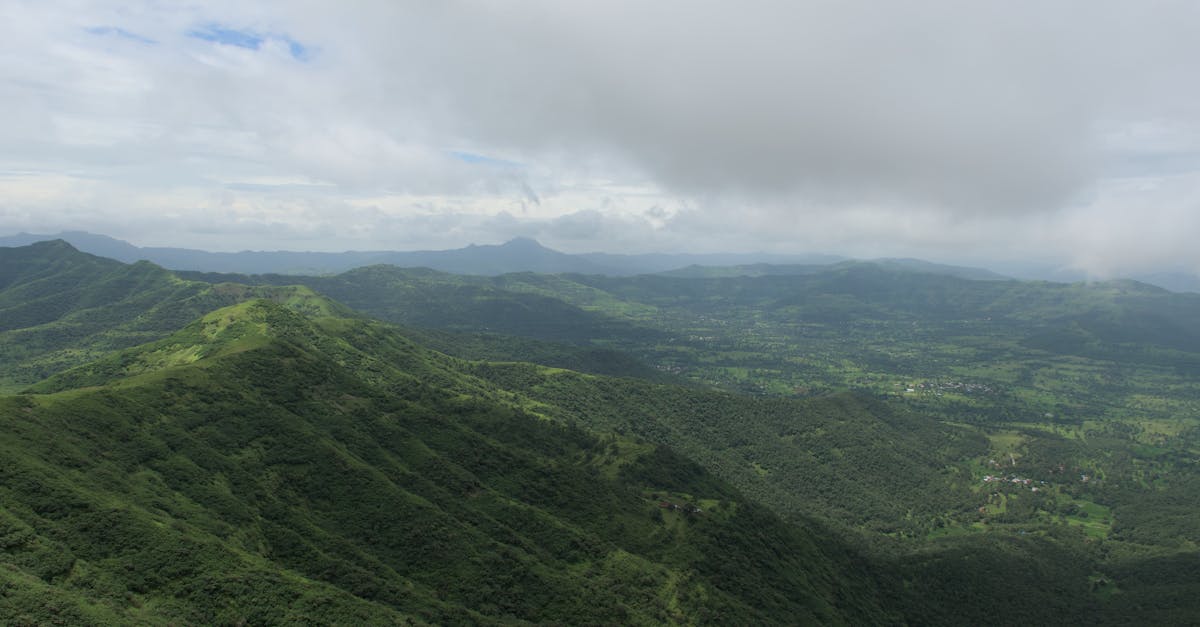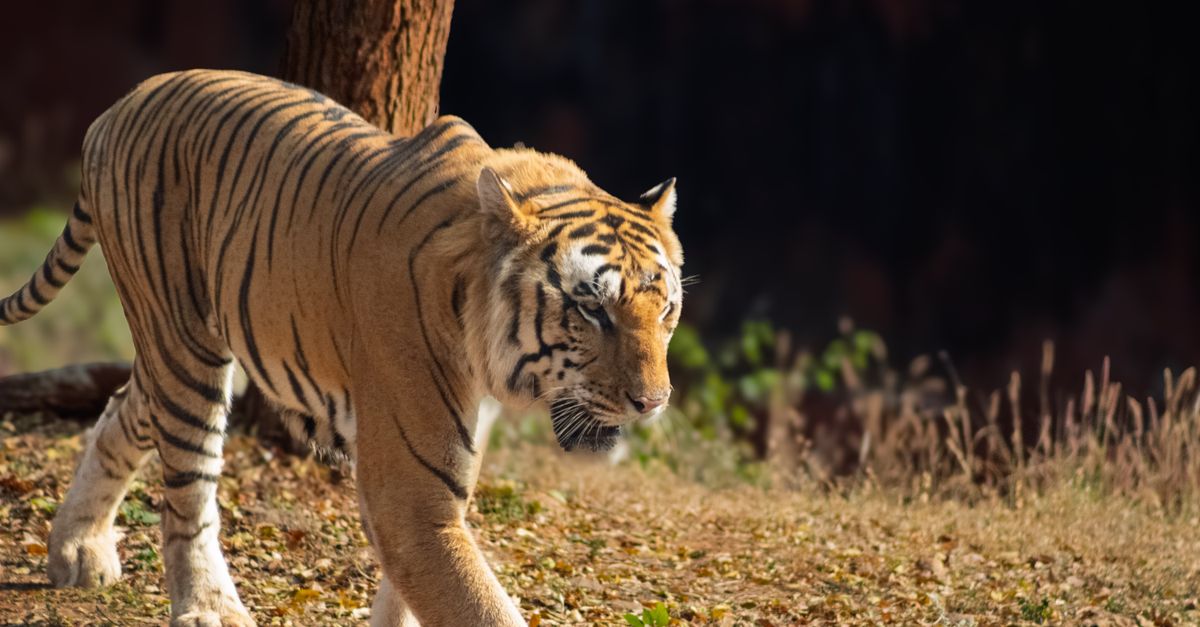
You're sitting there with two browser tabs open. One shows a lion yawning on the Maasai Mara at golden hour. The other shows a Bengal tiger staring straight down a forest track in Ranthambore. Both look incredible. Both are calling your name. And you genuinely can't decide which one to book first.
In This Guide
- At a Glance: Side-by-Side Comparison
- Wildlife and Landscape: What's Different
- Best Time: When to Choose Each
- Experience for Indian Travellers: Accessibility, Crowds, Language
- Cost Comparison in INR (Same Trip Duration, Apples-to-Apples)
- Verdict: Which One Should You Book First?
- Frequently Asked Questions
- Can't Decide? Talk to Safari Sutra
This is one of the most common conversations we have at Safari Sutra Holidays, and yaar, it's never a simple answer. Because these aren't two versions of the same trip. They're completely different experiences, at different price points, with different emotional payoffs. The good news? Neither choice is wrong. The better news? This guide will help you figure out which one is right for you, right now.
Let's break it down properly.
At a Glance: Side-by-Side Comparison
Africa Safari (East or Southern Africa)
- Wildlife density: Extremely high, multiple species in a single drive
- Iconic sightings: The Big Five, wildebeest migration, cheetah hunts
- Landscape: Open savannah, big skies, dramatic scale
- Trip cost (7 nights): Roughly INR 2,50,000 to 6,00,000+ per person
- Visa: Required (Kenya, Tanzania, South Africa), mostly on arrival or e-visa
- Language: English widely spoken
- Best for: First-time safari goers, honeymoons, milestone trips
- Accessibility from India: 8-12 hour flights from Mumbai or Delhi, usually one stop
India Wildlife Safari (Ranthambore, Bandhavgarh, Kaziranga, Jim Corbett)
- Wildlife density: Lower, but sightings feel earned and intensely personal
- Iconic sightings: Royal Bengal Tiger, one-horned rhino, Indian leopard, sloth bear
- Landscape: Dry deciduous forest, sal trees, ancient ruins, tea estates
- Trip cost (7 nights): Roughly INR 70,000 to 2,00,000 per person
- Visa: None for Indian passport holders
- Language: Hindi, local languages, English at most lodges
- Best for: Weekend breaks, nature beginners, families, budget-conscious travellers
- Accessibility from India: 3-8 hours by train or flight from any major city
Wildlife and Landscape: What's Different
Africa hits you immediately. You step into a vehicle in Kenya's Maasai Mara or Tanzania's Serengeti, and within the first hour you've probably seen elephants, zebras, giraffes, and a pride of lions doing absolutely nothing except looking magnificent. The sheer volume of wildlife is unlike anywhere else on earth. There's a reason people cry on their first Africa drive. It's not drama. It's genuinely overwhelming in the best way.
The landscapes add to that feeling. Open, endless savannah stretching to the horizon. A single acacia tree silhouetted against an orange sky. Hippos grunting in a river while a fish eagle screams overhead. Africa operates on a scale that your eyes genuinely struggle to process.
India's wildlife experience is quieter and, in some ways, more suspenseful. You're in dense forest. You can't see more than 50 metres in any direction. The jeep stops. The jungle goes silent. Every guide and tracker is leaning forward. And then, through the trees, a flash of orange. A tiger, walking parallel to the track, completely unbothered by your presence. That moment, in places like Ranthambore or Bandhavgarh, hits differently. You worked for it. You waited. And it came.
India also has ecological diversity that most travellers underestimate. Kaziranga in Assam gives you one-horned rhinos in elephant grass so tall it swallows them whole. Kabini in Karnataka puts you in a boat at dusk watching elephants cross the Kabini River in herds of thirty. Satpura takes you on walking safaris and canoe rides through central Indian wilderness. You can read more about Incredible India tourism across these regions to get a sense of how varied the country's wildlife destinations actually are.
Africa's landscape is dramatic and immediate. India's is layered and reveals itself slowly. Neither is better. They're just asking different things of you as a traveller.
Best Time: When to Choose Each
For Africa, timing depends heavily on what you want to see. The Great Wildebeest Migration in Kenya's Maasai Mara peaks between July and October, and that is genuinely one of the most extraordinary wildlife events on the planet. Over a million wildebeest crossing the Mara River, with crocodiles waiting. East Africa's dry season, from June to October, is also the best general window for game viewing across Tanzania and Kenya.
Southern Africa, particularly South Africa's Kruger and Zambia's South Luangwa, is excellent from May to September. Zimbabwe's Hwange peaks in October when waterholes concentrate the wildlife dramatically.
India's wildlife season runs from October through June, with the sweet spot varying by park. Ranthambore and Bandhavgarh are best from February to May when vegetation thins and tigers are more visible. Kaziranga is best from November to April before the monsoon floods the park. Most Indian national parks close during the monsoon, roughly July and August, so plan around that.
The practical overlap for Indian travellers is significant: October to June works for Indian safaris, and June to October is peak Africa. So if you're a serious wildlife traveller, you can actually do both in the same year without compromising on timing.
Experience for Indian Travellers: Accessibility, Crowds, Language
This section matters more than most articles admit. Travel isn't just about the destination. It's about how comfortable and confident you feel while you're there.
India is, obviously, the easier choice logistically. No visa, no 10-hour flight, no currency stress, no dietary confusion. If you're travelling with elderly parents or young children, India's wildlife parks come with the added comfort of familiar food, easy medical access, and hotels that understand exactly what Indian families need. You'll find a good dal at most jungle lodges.
Africa is more of a commitment, but it's actually more accessible to Indian travellers than people assume. Kenya, Tanzania, and South Africa all issue visas on arrival or via simple e-visa processes. English is widely spoken by guides, lodge staff, and in cities. South African Airways and Kenya Airways have decent connections from Mumbai and Delhi. Most premium African lodges are deeply familiar with Indian dietary requirements if you give advance notice.
Crowds work differently in each destination. Indian parks, especially Ranthambore, can feel busy on weekends and in peak season. The buffer zone areas and private reserves around parks like Pench or Satpura are significantly quieter. Africa's private conservancies, particularly those around the Mara ecosystem or in Zambia's Luangwa Valley, offer game drives with no other vehicles in sight. That's a completely different level of immersion.
Guide quality, in both countries, makes or breaks the experience. After 12 years and over 15,000 trips, the team at Safari Sutra has found the biggest difference between an average trip and a great one comes down to guide quality and game drive timing. These are the things that get sorted before any client travels, whether the destination is Bandhavgarh or Botswana.
For Indian travellers who've never done any safari, India is a wonderful and lower-stakes introduction. For those who've done India and are ready to escalate, Africa is the natural next step.
Cost Comparison in INR (Same Trip Duration, Apples-to-Apples)
Let's compare a 7-night trip for two adults from Delhi, covering accommodation, park fees, safaris, and internal transfers. Flights excluded from both to keep it fair.
India Wildlife Safari (e.g., Ranthambore + Bandhavgarh, 7 nights)
- Good mid-range lodge + safaris: INR 1,00,000 to 1,60,000 per person
- Premium jungle lodge (Forest Essentials tier): INR 1,80,000 to 2,50,000 per person
- Internal travel (train + road): Relatively low, INR 5,000 to 15,000 per person
- Park entry fees: INR 2,000 to 5,000 per safari zone
Africa Safari (e.g., Kenya Mara, 7 nights, mid-range tented camp)
- Mid-range tented camp + game drives: INR 2,80,000 to 3,80,000 per person
- Flights from Delhi/Mumbai (return): INR 55,000 to 90,000 per person
- Kenya e-visa: approx. INR 6,000 per person
- Premium lodge (private conservancy): INR 5,00,000 to 8,00,000 per person
The honest picture: India is two to three times more affordable for a comparable quality experience. But Africa's premium is paid for with the sheer volume of wildlife, the exclusivity of private game reserves, and the novelty factor for most Indian travellers. If budget is a constraint, India gives you more per rupee. If you've got the budget and want to go big, Africa delivers something India simply cannot match in scale.
Explore All Destinations on Safari Sutra to see current packages for both regions, with pricing that's transparently laid out.
Verdict: Which One Should You Book First?
Here's the honest answer, with no diplomatic fudging.
Book India first if:
- You've never done a wildlife safari before
- You're travelling with family, especially kids under 12 or grandparents
- Your budget is under INR 1,50,000 per person for the full trip
- You want a 4-5 day trip that doesn't require international travel logistics
- You want to see a tiger. Full stop.
Book Africa first if:
- You've done Indian parks before and want a serious upgrade in wildlife density
- You're planning a honeymoon or milestone anniversary trip
- Your budget allows for INR 3,00,000+ per person including flights
- You want the open savannah experience and the Big Five on your life list
- You're planning around the Great Migration between July and October
If you're still genuinely torn, the question to ask yourself is this: do you want the thrill of finding your animal, or do you want the thrill of being surrounded by wildlife from the moment you leave camp? India gives you the hunt. Africa gives you the abundance. Both are deeply worth experiencing.
Frequently Asked Questions
Q: Is an Africa safari safe for Indian travellers?
Yes, very much so, if you're booking through a reputable operator and sticking to established safari destinations. Kenya, Tanzania, South Africa, and Zambia all have mature wildlife tourism industries. You spend your time inside national parks and private conservancies, not in cities. Your lodge staff are experienced, your guide knows the animals and terrain, and emergency protocols are in place. The perception that Africa is unsafe comes largely from unfamiliarity. The reality for safari travellers is genuinely different.
Q: Can I see tigers in Africa or lions in India?
No. These are geographically distinct species. Africa has lions, leopards, cheetahs, and no tigers. India has Bengal tigers, Indian leopards, and Asiatic lions (only in Gir, Gujarat). If seeing a tiger is your goal, India is your only real answer. If the Big Five, including lion, elephant, leopard, buffalo, and rhino, are on your list, Africa is where you go.
Q: Which is better for a family trip with children?
India is the easier choice for families, especially with younger children. The logistics are simpler, the food is familiar, and parks like Jim Corbett and Kanha are very family-friendly. Africa isn't off-limits for families, but most premium tented camps have age restrictions of 7 or older for game drives, and the long-haul flight adds to the planning load. That said, for families with older children or teenagers, an African safari can be a genuinely formative travel experience.
Q: Do I need any vaccinations for an Africa safari?
For East Africa, yellow fever vaccination is required if you're transiting through certain countries. Malaria prophylaxis is strongly recommended for Kenya, Tanzania, and Zambia. Your doctor or a travel health clinic can advise based on your specific itinerary. South Africa's major safari areas like Kruger carry a lower malaria risk than East Africa but it's worth discussing with your physician before travel.
Q: How many days do I need for each?
For India, a focused 4-5 day trip to a single park like Ranthambore or Bandhavgarh gives you enough game drives to have great sightings. For Africa, 7 nights is the minimum to do it justice, and that's assuming you're focusing on one or two areas. You can combine Maasai Mara with the Serengeti in 9-10 days for an excellent Tanzania-Kenya combination. Rushing either destination reduces your chances of the best sightings.
Q: What's the food situation like at African safari lodges?
Better than most Indian travellers expect. Premium tented camps and lodges in Kenya and South Africa are accustomed to international guests, and most will accommodate vegetarian and Jain dietary requirements with advance notice. That said, it's not the same as having a dal-roti on demand. If strict vegetarian options are important, mention this clearly when booking so your lodge can prepare. At Safari Sutra Holidays, this is something we flag for every client travelling to Africa.
Q: Can I combine an India wildlife trip and Africa safari in one itinerary?
Absolutely, and it's a combination that serious wildlife travellers genuinely love. A popular structure is Ranthambore or Bandhavgarh in February or March, followed by a South Africa or Kenya trip between June and October. The seasons complement each other perfectly. If you want help planning your trip with Safari Sutra, this kind of combination itinerary is something we've built many times.
Can't Decide? Talk to Safari Sutra
Ready to Plan Your Trip?
Safari Sutra Holidays — 13 years, 15,000+ trips, zero cookie-cutter itineraries.
Get Your Free Custom Quote →+91 9860415774 | hello@thesafarisutra.com

Safari Sutra Team
Travel curators with 13 years of experience planning Indian and international holidays — from safari adventures to island escapes.
View All Posts