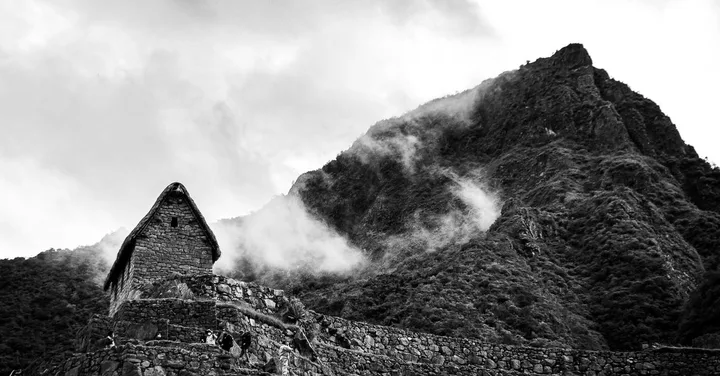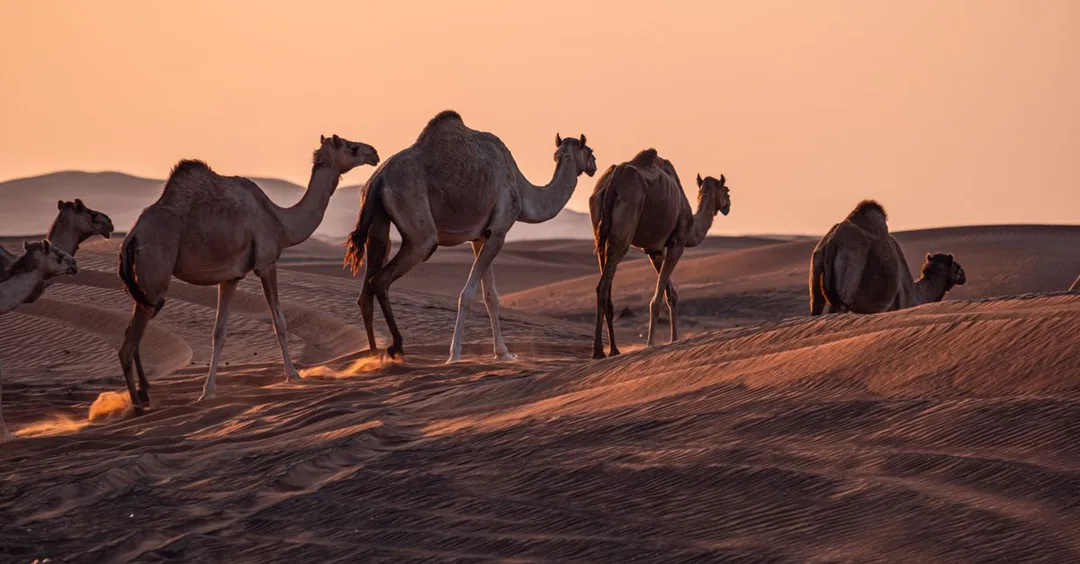
You land in Riyadh just as the city is cooling down from a brutal afternoon sun. The airport is slick, modern, and surprisingly easy to navigate. By the time your driver pulls up to your hotel in the Olaya district, the city is alive - the streets lit up, the smell of oud drifting from a nearby café, and the low hum of a society that genuinely never sleeps before midnight. You check in, order a plate of lamb mandi from room service, and realise pretty quickly: Saudi Arabia is not what you expected. It's more.
This 7-day Saudi Arabia itinerary covers three of the kingdom's most compelling destinations - Riyadh, Jeddah, and AlUla - and it's designed specifically for Indian travellers flying in from Mumbai or Delhi. It's the right length to get a real feel for the country without rushing, and it hits the sweet spot between history, food, landscapes, and a bit of luxury.
Your Trip at a Glance
- Day 1: Arrive Riyadh, check in, explore Olaya at night
- Day 2: Diriyah UNESCO site, National Museum, Al Masmak Fortress, Riyadh dinner
- Day 3: Morning at Edge of the World, fly Riyadh to Jeddah evening
- Day 4: Al-Balad old town, Corniche, floating mosque, sunset at Jeddah waterfront
- Day 5: Fly Jeddah to AlUla, afternoon at Hegra (Madain Saleh), sunset at the rock formations
- Day 6: Dadan, Jabal Ikmah, Elephant Rock, stargazing in the desert
- Day 7: AlUla morning exploration, fly back to Riyadh for international connection home
Day-by-Day Breakdown
Day 1-2: Riyadh - Old Kingdoms and New Ambition
Riyadh hits differently at night. The city that was largely closed to tourists just a few years ago is now actively welcoming visitors, and the buzz is real. Your first evening is best spent walking the Olaya strip, grabbing a karak chai from a street-side café, and getting a feel for the tempo of the city. Riyadh runs on late hours - dinner before 9 PM is considered early, and by 11 PM the restaurants are packed.
Day 2 is where the history starts to make sense. Head to Diriyah first thing in the morning before the heat builds. This is the UNESCO-listed birthplace of the first Saudi state, and the mud-brick At-Turaif district is genuinely one of the most impressive historical sites in the entire Middle East. The restoration work here is careful and considered - you'll walk through narrow alleys between 300-year-old clay walls and feel like you've stepped well outside modern Riyadh. After Diriyah, the National Museum gives you context for everything you've seen, and Al Masmak Fortress in the old city centre wraps up the day's history lesson beautifully.
For dinner on Day 2, try a traditional Saudi restaurant in the Shurfa district. Jareesh (crushed wheat with meat), saleeg (white rice cooked in broth), and kabsa are the dishes to order. Portions are generous, the bread is warm, and the hospitality is the kind that makes you feel like a guest in someone's home rather than a tourist being processed. Stay at the Rosewood Riyadh or the Four Seasons if your budget allows - both are excellent, well-located, and feel genuinely special without being stuffy.
Day 3: Edge of the World and the Flight to Jeddah
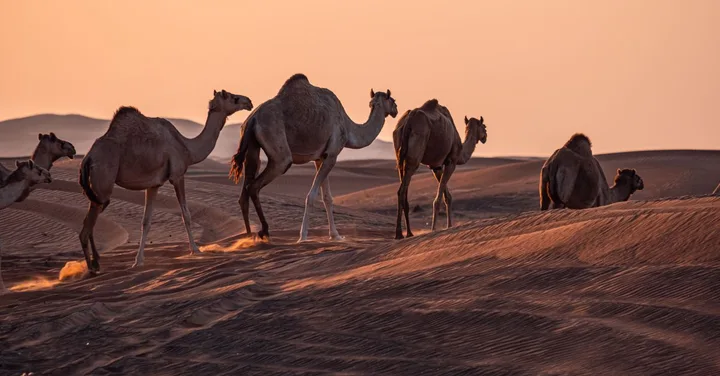
Get up early for this one. The Edge of the World, locally called Jebel Fihrayn, is about 90 minutes from Riyadh by road and it's one of those places that genuinely earns its dramatic name. You're standing at the rim of an escarpment that drops roughly 300 metres, with nothing but flat desert stretching to the horizon. It's the kind of view that makes you go quiet for a minute. Go early to beat the heat, bring water, and wear proper shoes - it's a short hike but the ground is uneven.
You'll need a driver arranged in advance for this excursion since public transport doesn't reach the site. Your Safari Sutra Holidays trip manager can sort this, along with making sure you're back in Riyadh in time for your early evening domestic flight to Jeddah. Saudia Airlines and flynas both operate this route multiple times daily, and the flight takes just over an hour.
Check into your Jeddah hotel late evening. The Rosewood Jeddah or Park Hyatt are both solid choices right near the Corniche. You won't have much evening left, but a short walk along the waterfront to see the King Fahd Fountain lit up against the night sky is worth staying up for. It shoots water 300 metres into the air and is genuinely spectacular from the Corniche.
Day 4: Jeddah - Al-Balad, the Corniche, and Real Red Sea Flavour
Jeddah is a different Saudi Arabia from Riyadh. It's older, more layered, and unmistakably a port city with centuries of trade baked into its bones. Start Day 4 at Al-Balad, the historic old city that's been on the UNESCO list since 2014. The Roshan windows - those ornate wooden latticed balconies on the coral-stone merchant houses - are unlike anything you'll see elsewhere in the Arab world. Walk the alleys slowly, duck into the spice souks, and let yourself get a little lost. That's the point.
After lunch (try Al-Nakheel or any of the seafood spots along the old Corniche for grilled hammour and shrimp), head to the Floating Mosque, properly called the Al-Rahma Mosque. It appears to float on the Red Sea at high tide, and it's every bit as photogenic as it looks in pictures. Late afternoon, walk the Corniche northward toward the modern end of the city for coffee and people-watching.
Jeddah is where Saudi Arabia's food scene is at its sharpest - the city's history as a trading hub means you'll find Persian, Indian, Yemeni, and East African influences all on the same street. Don't leave without trying a proper Yemeni breakfast of ful medames and flatbread with honey the morning you depart.
Day 5-6: AlUla - Ancient Rock and Desert Silence
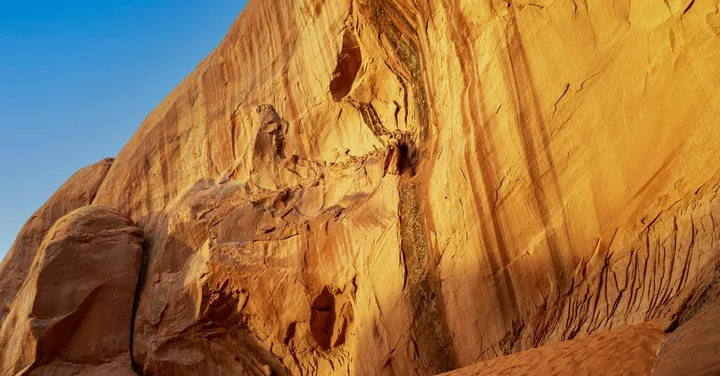
The flight from Jeddah to AlUla takes around an hour and a half. You land at a small, well-run airport and immediately notice the landscape changing - pale sandstone mountains, dramatic rock arches, and that extraordinary quality of light that photographers lose their minds over. AlUla is the kind of place that India's own Hampi or Ajanta-Ellora enthusiasts will instantly connect with: ancient, quiet, and still carrying the weight of thousands of years of human presence.
Day 5 afternoon is for Hegra, Saudi Arabia's first UNESCO World Heritage Site. These are Nabataean tombs carved directly into sandstone cliffs, the same civilisation that built Petra in Jordan. The scale is impressive and the craftsmanship is extraordinary - geometric patterns and inscriptions that have survived 2,000 years of wind and sand. Entry requires a timed ticket booked in advance through the AlUla app, so make sure that's sorted before you fly in. Your guide's knowledge makes an enormous difference at a site like this - after 12 years and 15,000+ trips, we've found the biggest difference between an average trip and a great one is guide quality and timing, and AlUla is absolutely a place where a knowledgeable local guide transforms what you see and understand. Safari Sutra Holidays ensures this is sorted for every client.
Day 6 is for Dadan (another ancient city, different civilisation, fascinating comparison with Hegra), Jabal Ikmah (an open-air library of rock inscriptions in dozens of ancient scripts), and Elephant Rock at golden hour. Elephant Rock needs no dramatic description - it genuinely looks like an elephant, and in the late afternoon light with a cold drink from the café beside it, it's exactly the kind of moment you'll reach for when describing this trip to friends back home. End the evening with a desert stargazing experience. The light pollution out here is close to zero, and on a clear night you'll see more stars than you thought were actually there.
Day 7: AlUla Morning and the Journey Home
Your last morning in AlUla is for whatever you haven't done yet - the Sharaan Nature Reserve if you want to spot some ibex, or just a slow breakfast at one of the open-air restaurants with views of the rock formations. AlUla moves at its own pace and the mornings are genuinely beautiful, cool and golden-lit. Don't waste this one in the hotel.
Most flights home from India connect through Riyadh, so you'll likely fly AlUla-Riyadh and then catch your international connection. Both IndiGo and Air India operate direct Delhi-Riyadh routes, and Air India also flies Mumbai-Jeddah direct. Book your international flight with some buffer time at King Khalid International Airport - it's large, and immigration on departure can take time during peak hours.
What's Included and What's Not
Typically included in a Safari Sutra package:
- All domestic flights within Saudi Arabia (Riyadh-Jeddah, Jeddah-AlUla, AlUla-Riyadh)
- 4 and 5-star hotel accommodation throughout (twin/double sharing)
- Private airport transfers in all three cities
- Entry tickets to Diriyah, Hegra, Dadan, and Jabal Ikmah
- Licensed local guides in AlUla and Riyadh
- Breakfast daily, select dinners
- Edge of the World excursion with driver
Not included:
- International flights from India
- Saudi e-Visa fee (currently around SAR 300 / approx. INR 6,800)
- Meals not mentioned above
- Travel insurance (strongly recommended and easy to arrange - ask us)
- Personal spending and tips
Total Cost in INR
Here's an honest breakdown for two people travelling together, sharing a room:
Component Approximate Cost (per person) International flights (Delhi/Mumbai to Riyadh return) INR 45,000 - 75,000 Domestic flights within Saudi INR 8,000 - 12,000 Hotels (6 nights, 4-5 star) INR 60,000 - 1,00,000 Guided excursions and entries INR 15,000 - 20,000 Transfers and driver INR 8,000 - 12,000 Saudi e-Visa INR 6,800 Meals (beyond included) INR 10,000 - 15,000 Estimated total per person INR 1,52,000 - 2,40,000The variation depends heavily on hotel choice - the difference between a solid 4-star and the Rosewood adds up quickly. If you want an accurate, tailored quote, Plan Your Trip with Safari Sutra and we'll build it around your specific budget and preferences.
Tips for Making the Most of Every Day
- Book AlUla tickets early. Hegra and Dadan have limited daily visitor numbers. If you leave it to the last minute, you'll miss out. Book at least 4-6 weeks before you travel.
- Dress appropriately, but don't overthink it. Modest clothing (shoulders and knees covered) is respectful and expected, particularly at heritage sites. Saudi dress code for tourists is relaxed compared to a few years ago, but respectful dressing is always appreciated.
- Plan around prayer times. Shops and restaurants sometimes close briefly during prayer. Build 20-30 minutes of buffer into your daily schedule and it won't disrupt anything.
- Carry cash for smaller purchases. Cards are accepted almost everywhere in Riyadh and Jeddah, but smaller stalls at AlUla and souks sometimes prefer cash.
- The best time to visit is October to March. Temperatures are manageable (15-25°C), AlUla's outdoor sites are comfortable to explore, and the light for photography is spectacular. Summer (June-August) is genuinely very hot, particularly in Riyadh.
- Alcohol is not available. Saudi Arabia does not permit alcohol. Good coffee, fresh juices, and a serious tea culture more than fill the gap, but go in knowing this.
- Get an AlUla guide who actually knows archaeology. A generic driver who points at rocks adds little. A trained guide who can read the Nabataean inscriptions and explain the trade routes changes everything.
Frequently Asked Questions
Q: Do Indians need a visa for Saudi Arabia?
Yes, Indian passport holders need a Saudi e-Visa. The good news is it's easy to apply for online through the official Visit Saudi portal, costs around SAR 300 (approximately INR 6,800), and typically processes within a few days. Indian nationals are eligible for the tourist e-Visa, which allows a 90-day stay. Apply at least two weeks before travel to be safe.
Q: Is Saudi Arabia safe for Indian tourists?
Saudi Arabia is very safe for tourists. Crime rates are low, the tourist infrastructure has improved significantly since the country opened to leisure tourism in 2019, and Indians are generally welcomed warmly. Solo women travellers can and do visit, though travelling with a companion is more comfortable if you're unfamiliar with the region.
Q: Can Indian vegetarians find food easily?
Riyadh and Jeddah both have a solid variety of vegetarian options, particularly in Indian restaurants (there's a large Indian expat community in both cities). AlUla has fewer options, so if you're strictly vegetarian, let your trip manager know in advance and they'll make sure your accommodation has appropriate meal options sorted. You can explore all destination-specific tips at Safari Sutra to plan around dietary preferences.
Q: What's the best time of year for this itinerary?
October through to early April is ideal. The desert is genuinely cold at night in AlUla during December and January (think 6-10°C), so pack a light jacket. March and November hit a sweet spot - warm days, cool evenings, and manageable crowds. Avoid July and August unless heat is something you actively enjoy.
Q: Can I do this trip with family, including older parents?
Absolutely. The pacing here is comfortable - you're not trekking or doing anything physically demanding beyond some walking at heritage sites. Edge of the World involves a short walk on uneven ground, so older travellers may want to take it at their own pace or skip that one excursion. Everything else is accessible and genuinely enjoyable across generations. Saudi hospitality is particularly warm toward families and older guests.
Q: How many days should I allocate to AlUla specifically?
Two full days is the minimum. Three days is better if you want to go at a relaxed pace, catch Elephant Rock at both sunrise and sunset, and take the time to explore Dadan and Jabal Ikmah without rushing. If you can extend this itinerary to 9 days, the extra two nights in AlUla are worth it.
Q: Are there direct flights from India to Saudi Arabia?
Yes. Air India flies direct from Delhi and Mumbai to Riyadh and Jeddah. IndiGo operates Delhi-Riyadh and Mumbai-Riyadh routes. SpiceJet also has Saudi routes depending on the season. You can fly into Riyadh and out of Jeddah (or vice versa) to avoid backtracking - this works well for this particular 7-day circuit.
Book This Itinerary with Safari Sutra
Saudi Arabia is genuinely one of the most exciting destinations opening up for Indian travellers right now. The history is deep, the landscapes are unlike anything else in the region, and the infrastructure for international tourists has improved dramatically. This 7-day itinerary across Riyadh, Jeddah, and AlUla gives you a real introduction - not just a postcard version of the country.
This exact itinerary is bookable - Contact Safari Sutra Holidays to get your custom quote.

Safari Sutra Team
Travel curators with 13 years of experience planning Indian and international holidays — from safari adventures to island escapes.
View All Posts