You land at Tbilisi International Airport just after dawn. The air smells faintly of pine and petrol, and there's a man selling churchkhela (Georgia's walnut-and-grape candy) right outside arrivals. A marshrutka honks past. Somewhere in the old town, bread is baking in a clay tonir oven. This is your first five minutes in Georgia, and you already know this trip is going to be different.
Georgia is not on most Indian travellers' radar yet, and that's honestly what makes it special right now. The country sits at the crossroads of the Caucasus mountains and the Black Sea coast, has ancient churches carved into cliff faces, wine that's been made here for 8,000 years, and a food culture that will haunt you long after you're back eating dal at home. This 7-day Georgia itinerary from India covers the three essential stops: Tbilisi, Kazbegi, and Batumi, and it's designed to feel full without feeling rushed.
Your Trip at a Glance
- Day 1: Arrive Tbilisi, settle in, first evening walk in the Old Town
- Day 2: Full day Tbilisi, Narikala Fortress, Sulfur Baths, Rustaveli Avenue
- Day 3: Drive to Kazbegi, Gergeti Trinity Church, mountain views
- Day 4: Morning hike around Kazbegi, afternoon drive back or onward via Gudauri
- Day 5: Travel to Batumi, check in, Black Sea evening
- Day 6: Batumi city exploration, Botanical Garden, Adjara food trail
- Day 7: Fly home from Batumi or backtrack to Tbilisi for departure
For a fuller picture of what's available, take a look at Georgia Tour Packages from Safari Sutra Holidays, including options that can extend this to 10 days.
Day-by-Day Breakdown
Day 1-2: Tbilisi, the Old Town and the Real Georgia
Your first afternoon in Tbilisi should be spent doing almost nothing useful. Walk from your hotel in the Abanotubani district toward the Metekhi Church, look down at the Mtkvari River, and let the city settle into you. Tbilisi is one of those places that rewards slowness. The old town is all crooked balconies hung with laundry, courtyards hidden behind wrought-iron gates, and cats sleeping on warm stone. It doesn't announce itself; it grows on you.
On Day 2, get up early and head to the Narikala Fortress before the tour groups arrive. You can take the cable car up from Rike Park (about 1 GEL, roughly ₹30) or walk up through the botanical garden. From the top, you can see the whole city laid out below, and on a clear morning the light on the clay-roofed houses is something you'll remember. Spend the afternoon at the Abanotubani sulfur bath district. You can book a private bathhouse room for a couple of hours, and the sulfur-infused water does something genuinely restorative to travel-tired legs. Prices start around 30 GEL per person for a basic private room.
Dinner both nights should be in the Old Town or Fabrika, Tbilisi's converted factory-turned-hipster-hub. Try khinkali (the big soup dumplings that you're supposed to eat by twisting and biting from the top), khachapuri Adjaruli (the boat-shaped bread filled with molten cheese and a raw egg), and anything with walnuts. Georgian food is richer and spicier than most Indians expect, in the best possible way. Stay somewhere in the Abanotubani or Mtatsminda areas; mid-range boutique hotels here run from ₹3,500 to ₹7,000 a night with breakfast.
Day 3-4: Kazbegi and the Caucasus Mountains
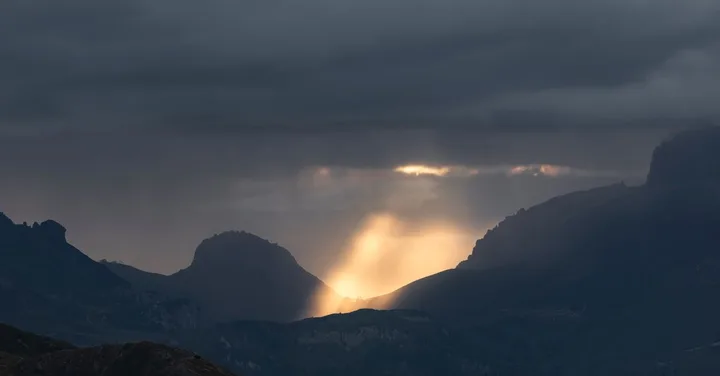
The drive from Tbilisi to Kazbegi along the Georgian Military Highway is one of the great road trips in this part of the world. It takes about 3 hours without stops, but the stops are the point. You'll pass the Zhinvali Reservoir (the kind of blue that seems fake), the Ananuri Fortress complex above the water, and gradually the landscape shifts from rolling hills to serious, snow-capped Caucasus peaks. By the time Kazbegi town appears below Mount Kazbek, you'll have your phone out the entire time.
Gergeti Trinity Church is the image that made Kazbegi famous: a 14th-century church sitting at 2,170 metres, with Mount Kazbek (5,047 metres) rising directly behind it. You can hike up from the village in about 1.5 hours, or arrange a 4x4 jeep ride for around 40-50 GEL. Go in the morning before cloud rolls in. Lunch in Kazbegi town is simple but honest: hot soup, churchkhela from the small shops, maybe some fresh trout. In the evening, if the weather holds, the alpenglow on Kazbek is genuinely extraordinary.
On Day 4, either do a longer morning hike toward the Arsha valley or simply sit and watch the mountains change colour as the light shifts. Kazbegi asks very little of you except to be present. Drive back toward Tbilisi in the afternoon, or if you're heading to Batumi, this is a good day to stop at Gudauri (Georgia's main ski resort town) for lunch. Accommodation in Kazbegi ranges from cosy guesthouses at ₹2,500 a night to mid-range hotels at around ₹5,000-6,000.
Day 5-6: Batumi and the Black Sea Coast
Getting from Kazbegi to Batumi is a full travel day, about 6-7 hours by road or, more practically, back to Tbilisi and then either a 5-hour overnight train or a 1-hour domestic flight (Vanilla Sky or other carriers, usually ₹2,000-4,000 one way). The train option is genuinely fun if you're not in a rush; Georgians are warm and talkative and someone will probably share homemade cha-cha (Georgian grape spirit) with you before you arrive.
Batumi is where the mountains meet the sea, and the city has an odd, energetic personality: Soviet-era boulevards lined with palm trees, a casino strip that caters to Turkish and Arab tourists, and then a genuinely beautiful old town about 10 minutes walk from the beach. The Batumi Botanical Garden, established in 1912 and sprawling over 113 hectares above the coast, is one of the more underrated afternoon walks in the whole Caucasus region. You'll find Japanese maples growing next to Mexican cacti, with the Black Sea glittering far below. The Georgian National Tourism website has trail maps if you want to plan your route.
On Day 6, spend the morning in Batumi's old town eating pastries from Adjaran bakeries (try the Adjarian khachapuri again here, the original is made differently in its home region), browse the Piazza district, and walk the boulevard in the evening. Seafood here is excellent and cheaper than anything comparable in India's coastal cities. Stay in the old town rather than the casino strip; you'll sleep better and have better access to actual Batumi life.
Day 7: Departure
If you're flying home from Batumi, the airport is small and manageable. Most flights connect via Istanbul, Dubai, or Tbilisi. If your flight departs from Tbilisi, you'll need to account for the 6-7 hour road journey or the morning flight, so plan accordingly. Use any leftover lari on churchkhela, good Georgian wine, and one final khinkali before you go.
What's Included and What's Not
Typically included in a Safari Sutra package:
- Airport transfers in Tbilisi and Batumi
- 4x4 jeep transfers from Tbilisi to Kazbegi
- Hotel accommodation (3-4 star, breakfast included)
- English-speaking local guide for Tbilisi and Kazbegi
- Domestic transport between cities
Not included and budget separately for:
- International flights from India (see cost section below)
- Georgian visa fee (currently $20 / ₹1,660 for most Indian passports on arrival)
- Meals beyond breakfast
- Personal activities like sulfur bath sessions, cable car tickets, Botanical Garden entry
- Travel insurance (strongly recommended, budget ₹2,000-3,000)
Total Cost in INR
Here's an honest, approximate breakdown for one person on a mid-range 7-day Georgia trip from India:
- International flights (Mumbai/Delhi to Tbilisi, return): ₹35,000 to ₹55,000, depending on season and airline. Turkish Airlines via Istanbul and FlyDubai via Dubai are usually the best-value options.
- Accommodation (7 nights, breakfast included): ₹25,000 to ₹45,000 depending on hotel level
- Tbilisi-Kazbegi-Batumi transfers and local guide: ₹12,000 to ₹18,000
- Meals (lunch and dinner, 7 days): ₹8,000 to ₹12,000 (Georgian food is very affordable)
- Georgian visa on arrival: ₹1,660 (approximately $20)
- Activities, entry fees, cable cars, sulfur bath: ₹4,000 to ₹6,000
- Travel insurance: ₹2,000 to ₹3,000
Total rough range: ₹87,000 to ₹1,40,000 per person, depending on flight class, hotel category, and how freely you spend on food and activities. For a couple, the per-person cost comes down meaningfully because accommodation and transfer costs are shared.
Tips for Making the Most of Every Day
- Book your Kazbegi jeep in advance. In peak summer (July-August), good drivers and guides fill up fast. This is one of those details that makes or breaks a day.
- Carry some cash in GEL. Small guesthouses, local food stalls, and mountain villages don't always accept cards.
- The best time to visit Georgia is May-June or September-October. July and August are peak season and crowded; winter is beautiful for skiing in Gudauri but Kazbegi roads can be difficult.
- Learn two Georgian words: madloba (thank you) and gaumarjos (cheers). Both will get you smiles and extra wine.
- Don't overplan Kazbegi. The mountains are the activity. Give yourself time to sit and watch them.
- For Indian palates: Georgian food has walnuts, herbs, and pomegranate in almost everything. Most dishes are naturally vegetarian-friendly, and the spice level is manageable.
- Tbilisi is walkable but hilly. Comfortable shoes matter more than in most European cities.
Frequently Asked Questions
Q: Do Indians need a visa to visit Georgia?
Georgia offers visa on arrival to Indian passport holders for stays up to 30 days. The fee is $20 (approximately ₹1,660), and the process at Tbilisi International Airport is generally smooth and takes 15-20 minutes. Carry your hotel booking confirmation and sufficient cash to show funds. Check the Georgian National Tourism portal for the most current entry requirements before you travel.
Q: What is the best time for a 7-day Georgia trip from India?
May to June is the sweet spot for most travellers. The Kazbegi roads are fully open, wildflowers are out across the mountains, and temperatures in Tbilisi are warm but not exhausting. September and early October are equally good, with autumn colour in the Caucasus foothills. July and August are busy and hot in Batumi, but fine if you prefer a more social atmosphere.
Q: How do I get from India to Georgia?
There are no direct flights from India to Georgia. Turkish Airlines (via Istanbul), FlyDubai (via Dubai), Air Arabia (via Sharjah), and flydubai are the most popular routes from Delhi and Mumbai. Total travel time is typically 8-12 hours with layovers. Tbilisi is the main arrival airport; Batumi also has an international airport with seasonal connections.
Q: Is Georgia safe for solo Indian travellers and for families?
Yes, consistently so. Georgia regularly ranks among the safest countries in Europe and Central Asia for tourism. Georgian culture values hospitality deeply, and solo travellers, families with kids, and women travelling alone all generally report feeling very comfortable. The road to Kazbegi requires an experienced driver on mountain sections, which is another reason to book transfers through a reliable operator.
Q: Can I extend this itinerary to include wine country?
Absolutely. The Kakheti wine region (Georgia's Napa Valley, essentially) is a 1.5-hour drive from Tbilisi and pairs perfectly with the first or last days of this itinerary. You can visit family-run wineries where wine is still made in clay qvevri pots buried in the ground, the traditional method Georgia has used for millennia. Adding 1-2 days in Kakheti takes this to a 9-day trip and adds a completely different dimension to the experience.
Q: What currency is used in Georgia and how much cash should I carry?
Georgia uses the Georgian Lari (GEL). 1 GEL is approximately ₹29-32. You can exchange Indian Rupees to USD or Euros before flying, then exchange to GEL at Tbilisi airport or the exchange booths in the old town (which often give better rates than the airport). Carry at least 200-300 GEL in cash for mountain areas and small vendors.
Q: How does this itinerary compare to a Turkey or Armenia trip for a first-time Caucasus traveller?
Georgia is often the better first choice. It's more accessible visa-wise, more budget-friendly than Istanbul for accommodation and food, has a greater variety of landscapes within a compact area, and the local food and wine culture is world-class without being internationally overpriced yet. If you're debating between the two, Georgia tends to leave Indian travellers more genuinely surprised. After 12 years and 15,000+ trips planned across the world, the Safari Sutra team finds Georgia consistently outperforms expectations, especially for travellers who care as much about food and landscape as they do about ticking landmarks.
Book This Itinerary with Safari Sutra
Georgia is one of those places where having a good local guide and well-planned logistics actually changes what you experience. The difference between being dropped at Gergeti Church at noon in a crowd and arriving at 7am to watch morning light hit the mountain while almost no one else is around, that difference comes down to timing and local knowledge. It's something we focus on for every trip we plan.
Safari Sutra Holidays has been planning trips for Indian travellers for over 12 years, and we know the questions you'll have before you even ask them: which driver to trust for Kazbegi, which Tbilisi neighbourhood to stay in, whether to fly or train to Batumi. We handle all of it, so you can spend your actual holiday eating khinkali and watching the Caucasus rather than refreshing booking apps.
This exact itinerary is bookable. Contact Safari Sutra Holidays to get your custom quote.

Safari Sutra Team
Travel curators with 13 years of experience planning Indian and international holidays — from safari adventures to island escapes.
View All Posts