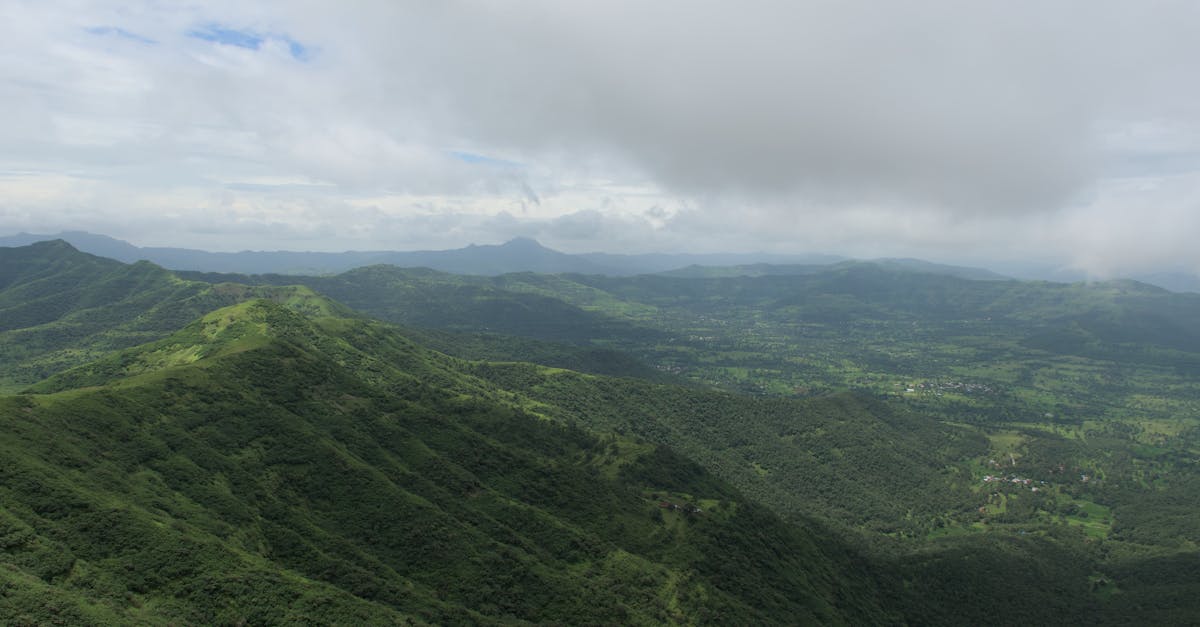
The morning light hits Machu Picchu differently than any photo has ever prepared you for. You're standing at the Sun Gate, altitude pressing gently on your chest, and the ancient citadel below you is half-swallowed in clouds that move like slow breath. The stones are cold under your fingertips. Somewhere below, a llama is wandering past a 500-year-old wall without a care in the world. This is not a postcard. This is Tuesday morning in Peru, and it's yours.
In This Guide
- Peru Tour from India 2026 for Indian Travellers: What You Actually Get
- Best Time to Visit (Month-by-Month, Honest)
- Top Experiences You Can't Miss
- Safari Sutra Package Options & Prices in INR
- Getting There: Flights from India
- Visa, Vaccinations & Practical Prep
- Frequently Asked Questions
- Plan Your Peru Tour from India 2026 Trip with Safari Sutra
Peru Tour from India 2026 for Indian Travellers: What You Actually Get
Peru is having a moment right now, and Indian travellers are finally discovering what the rest of the world has quietly known for years. This is a country where you can walk through an Incan citadel in the morning, eat the best ceviche of your life for lunch, and fall asleep listening to the Amazon at night.
For 2026, the timing is genuinely good. Peru has maintained its visa-free status for Indian passport holders, which removes one of the biggest planning headaches. You land, you explore, no stressful visa application standing between you and one of South America's most extraordinary countries. Check the latest entry requirements on India Passport & Visa before you book, as policies can update.
What you actually get on a Peru trip from India is more layered than most people expect. Yes, Machu Picchu is the centrepiece. But the journey there pulls you through Lima, one of South America's most underrated food cities, then up to Cusco, a city where Incan stonework sits beneath Spanish colonial architecture and where altitude will humph you in the first 24 hours if you're not ready for it. The Sacred Valley stretches between Cusco and Machu Picchu like a living archaeology lesson, with markets, ruins, and salt pans that have been in use since before the Mughal Empire existed.
This is not a trip where you tick one box and fly home. Peru rewards the curious traveller who slows down.
Best Time to Visit (Month-by-Month, Honest)
Peru has two seasons that actually matter: the dry season and the wet season. Here's the honest version.
May to October is the dry season and this IS the best window to visit. Days are clear, trails are accessible, and Machu Picchu is at its most photogenic. June, July, and August are peak months, which means more crowds and slightly higher prices, but the weather is reliable and the Inca Trail is fully operational. If you're travelling from India during school holidays in May or October, you'll hit the sweet spot of good weather without peak season chaos.
November to April is the wet season. This doesn't mean it rains all day every day, but afternoon showers are frequent, the Inca Trail closes for maintenance through February, and some high-altitude areas get genuinely difficult. That said, wet season Peru has its own character. The Sacred Valley turns deeply green, the crowds thin considerably, and prices drop. If Machu Picchu is your only real must-do and you're flexible on trekking, wet season can work.
For Indian travellers specifically: flights from Delhi or Mumbai to Lima tend to have better availability and pricing in the shoulder months of April-May and September-October. The Diwali travel window in October lines up well with dry season tail-end, making it a popular choice for families.
Avoid visiting during Inti Raymi (June 24th) unless you've planned well in advance. It's the Incan Festival of the Sun, celebrated massively in Cusco, and while it's extraordinary to witness, hotels book out months ahead and prices spike.
Top Experiences You Can't Miss
Machu Picchu, done properly
There's Machu Picchu the tourist rush, and then there's Machu Picchu the way it deserves to be seen. Get there for sunrise through the Sun Gate on the Inca Trail, or take the bus up before 7am if trekking isn't your thing. A knowledgeable guide changes everything here. Understanding that the Incas aligned these stones to track the solstice, that the agricultural terraces were partly ceremonial, that the city was never actually "lost" to the local people, only to European knowledge, turns a pile of old rocks into something that genuinely moves you.
Cusco: more than a stopover
Most people treat Cusco as a transit point to Machu Picchu. That's a mistake. Spend two nights here minimum. Walk the San Blas neighbourhood in the morning, when the streets smell of bread from the ovens. Visit Sacsayhuaman (locals call it "Sexy Woman" to help tourists remember the name, which tells you everything about Peruvian humour). Eat at a local chicharreria. Acclimatise, breathe slowly, drink the coca tea your hotel brings you.
The Sacred Valley
The road from Cusco to Aguas Calientes passes through the Sacred Valley, and you should not sleep through it. The Pisac market on Sunday mornings is one of the best artisan markets in South America, better than anything you'll find near the tourist trail in Cusco. The Ollantaytambo ruins are arguably more dramatic than Machu Picchu for sheer physical scale. And the train journey from Ollantaytambo to Aguas Calientes, running along the Urubamba River through increasingly steep cloud forest, is worth the ticket price alone.
Lima: eat first, ask questions later
Lima has three restaurants in the current World's Top 50. It's not an accident. Peruvian food draws on Japanese, Chinese, Spanish, and indigenous traditions, and the result is something entirely its own. Ceviche here is nothing like the pale imitations you might have tried elsewhere. The leche de tigre, the citrus-tiger's milk marinade, is bright and slightly spicy and cold and extraordinary. Give Lima at least two nights if your itinerary allows it.
Amazon or Lake Titicaca: choose your add-on
For 2026, the two most popular add-ons for Indian travellers are the Peruvian Amazon from Puerto Maldonado and Lake Titicaca from Puno. The Amazon gives you wildlife, jungle lodges, and the kind of quiet that is almost confrontational if you're used to Indian cities. Titicaca gives you the floating reed islands of the Uros people, an altitude of 3,800 metres, and border options into Bolivia if you're extending the trip.
You can explore what's possible for your specific interests by looking at the full range of destinations Safari Sutra covers.
Safari Sutra Package Options & Prices in INR
These are honest, realistic price ranges for 2026 based on current flight patterns from India and in-country costs. Prices exclude international flights unless stated.
Classic Peru (8 nights / 9 days)
Lima, Cusco, Sacred Valley, Machu Picchu. Twin sharing, boutique hotels, private transfers, English-speaking guide throughout.
Approx. INR 1,85,000 to INR 2,20,000 per person
This is the core circuit most Indian travellers do first. It covers everything essential without over-packing the itinerary.
Peru with Amazon Extension (11 nights / 12 days)
Classic Peru plus 2 nights at a jungle lodge near Puerto Maldonado. Wildlife walks, canopy access, river safaris.
Approx. INR 2,50,000 to INR 2,95,000 per person
Worth it if you have the time. The contrast between Cusco's altitude and the Amazon lowlands is startling and very satisfying.
Peru with Titicaca & Bolivia (13 nights / 14 days)
Classic Peru plus Puno, Lake Titicaca, and a border crossing into Bolivia for La Paz and the Salt Flats.
Approx. INR 2,90,000 to INR 3,40,000 per person
This is for the traveller who wants a full South America chapter, not just a Peru highlight reel.
Premium Inca Trail Trek (10 nights / 11 days)
This replaces the standard Machu Picchu visit with the 4-day Classic Inca Trail trek. Requires moderate fitness, advance booking (permits fill up fast), and a love for sleeping under the stars at altitude.
Approx. INR 2,20,000 to INR 2,60,000 per person
Inca Trail permits for 2026 are already being released. If this is your plan, start talking to us now.
Luxury Peru (9 nights / 10 days)
Same circuit as Classic Peru with upgrades to Belmond properties (including the legendary Belmond Hotel Monasterio in Cusco), private chartered transfers, and access to exclusive sunrise slots at Machu Picchu.
Approx. INR 4,20,000 to INR 5,00,000 per person
The Belmond Hiram Bingham train alone justifies part of this budget. It's the Orient Express of South America.
All packages can be personalised. Talk to the Safari Sutra team about what matters most to you and they'll build around it.
Getting There: Flights from India
There are no direct flights from India to Lima. All routings involve at least one stop, and most involve two.
Common routings from Delhi or Mumbai:
- Via Madrid (Iberia/Air Europa): Delhi to Madrid, then Madrid to Lima. Total travel time roughly 22-26 hours. This is currently one of the more reliable routings.
- Via London (British Airways/LATAM): Works well for those comfortable with Heathrow transit.
- Via Amsterdam or Frankfurt: Connects to Lima via KLM or Lufthansa codeshares with LATAM.
- Via USA (Air India / United / American): Delhi to New York or Miami, then onward to Lima. Requires a US transit visa in most cases, so check your visa situation before booking this routing.
- Via São Paulo (Air India to London, then LATAM): Longer but sometimes more competitively priced.
Budget to plan: INR 70,000 to INR 1,10,000 per person return in economy, depending on season and how far in advance you book. Business class runs INR 2,20,000 to INR 3,00,000+ return.
For 2026 departures, booking flights at least 4-5 months ahead is sensible, especially for May-August travel.
Lima's Jorge Chávez International Airport is the main entry point for all international arrivals.
Visa, Vaccinations & Practical Prep
Visa
Good news here. As of 2026, Indian passport holders do not require a tourist visa to visit Peru. You get 90 days on arrival for tourism purposes. Carry a printout of your return flight, hotel bookings, and proof of sufficient funds (a recent bank statement works). Keep your passport validity at least 6 months beyond your travel date. Always cross-check current requirements at India Passport & Visa before you fly.
Vaccinations
No vaccinations are mandatory to enter Peru from India, but the following are strongly recommended:
- Hepatitis A and B
- Typhoid
- Yellow Fever (if visiting the Amazon region specifically)
- Routine updates: MMR, Tdap, flu
Malaria prophylaxis is recommended for Amazon travel. Consult a travel medicine clinic in India at least 6-8 weeks before departure.
Altitude sickness
Cusco sits at 3,400 metres. Machu Picchu is at 2,430 metres (lower, actually, which is why you feel better there after acclimatising in Cusco). Do not fly from Lima to Cusco and immediately attempt anything strenuous. Build in an acclimatisation day. Drink water constantly. Avoid alcohol for the first 48 hours. Diamox (acetazolamide) is available on prescription in India and helps many travellers, but talk to your doctor first.
Currency
The local currency is the Peruvian Sol. US dollars are widely accepted in tourist areas, but carry some soles for markets and smaller towns. ATMs are available in Lima and Cusco easily. Notify your Indian bank before you travel to avoid card blocks.
Time zone
Peru is IST minus 10.5 hours. Your body clock will need a few days to adjust, especially if you're flying from South or East India.
Frequently Asked Questions
Q: Is Peru safe for Indian tourists in 2026?
Peru is generally safe for tourists who take standard urban travel precautions. Lima's tourist areas (Miraflores, Barranco) are well-policed and comfortable. Cusco's main tourist zone is busy and safe. The risks are the same as in any major city: pickpocketing, phone snatching, and being distracted in crowds. Don't carry your passport in your pocket, keep phone use minimal in busy streets, and trust your accommodation's advice about local conditions. The Machu Picchu trail and Sacred Valley are extremely safe.
Q: How fit do I need to be for a standard (non-trekking) Peru tour?
Reasonably fit is enough for the standard circuit. You'll walk on uneven stone surfaces at Machu Picchu and other sites, sometimes at altitude. If you can walk 3-4 km comfortably in a day, you're fine. The altitude is the bigger variable than fitness. If you have heart or lung conditions, speak to your doctor before booking.
Q: Can we do Peru with elderly parents or young children?
Yes, with some planning. For elderly travellers, altitude is the key concern. Building in acclimatisation days, choosing lower-altitude accommodation options where possible, and avoiding the Inca Trail trek keeps the trip very manageable. For children, Peru is genuinely engaging. The history, the animals (llamas everywhere), the train journeys, and the food keep kids interested. The standard circuit works well for families with children above 8.
Q: What is the difference between the Inca Trail and other ways to reach Machu Picchu?
The Classic Inca Trail is a 4-day, 43-km trek that ends at the Sun Gate above Machu Picchu. It's spectacular but requires advance permit booking, moderate-to-good fitness, and tolerance for camping. Alternatives include the Salkantay Trek (harder but permit-free), the train from Ollantaytambo to Aguas Calientes followed by a bus (the most popular non-trekking option), and helicopter access for premium travellers. The non-trekking route is completely fine and lets you spend more time at the citadel itself.
Q: How much spending money should I carry per day in Peru?
For meals outside your package (local lunches, coffees, snacks), budget USD 30-50 per person per day comfortably. If you want to eat at Lima's top restaurants, budget USD 60-80 for dinner for two. Markets and artisan shopping can add up. A rough planning figure of USD 100-120 per person per day covers meals, shopping, and incidentals at a comfortable level.
Q: Can we extend the trip to other South American countries?
Absolutely. Peru connects naturally to Bolivia (via Titicaca), Colombia, Ecuador, Chile, and Argentina. Many Indian travellers combine Peru with a Patagonia extension or a Buenos Aires city stay. The key is building enough total leave days. A Peru-Bolivia-Argentina trip needs at least 16-18 days to feel unhurried. Talk to the Safari Sutra planning team about what a combined South America itinerary could look like.
Ready to Plan Your Trip?
Safari Sutra Holidays — 13 years, 15,000+ trips, zero cookie-cutter itineraries.
Get Your Free Custom Quote →+91 9860415774 | hello@thesafarisutra.com

Safari Sutra Team
Travel curators with 13 years of experience planning Indian and international holidays — from safari adventures to island escapes.
View All Posts