You're standing on a bridge made entirely from the roots of a rubber tree. It's been growing here for 500 years. The roots twist and lock together like fingers, strong enough to carry a hundred people at a time, still alive, still growing. Below you, a stream runs so clear you can count the pebbles. The air smells of wet earth and moss. Somewhere behind the treeline, a waterfall is roaring. This is Meghalaya, and it feels like nothing else in India.
Meghalaya Trip 2026 for Indian Travellers: What You Actually Get
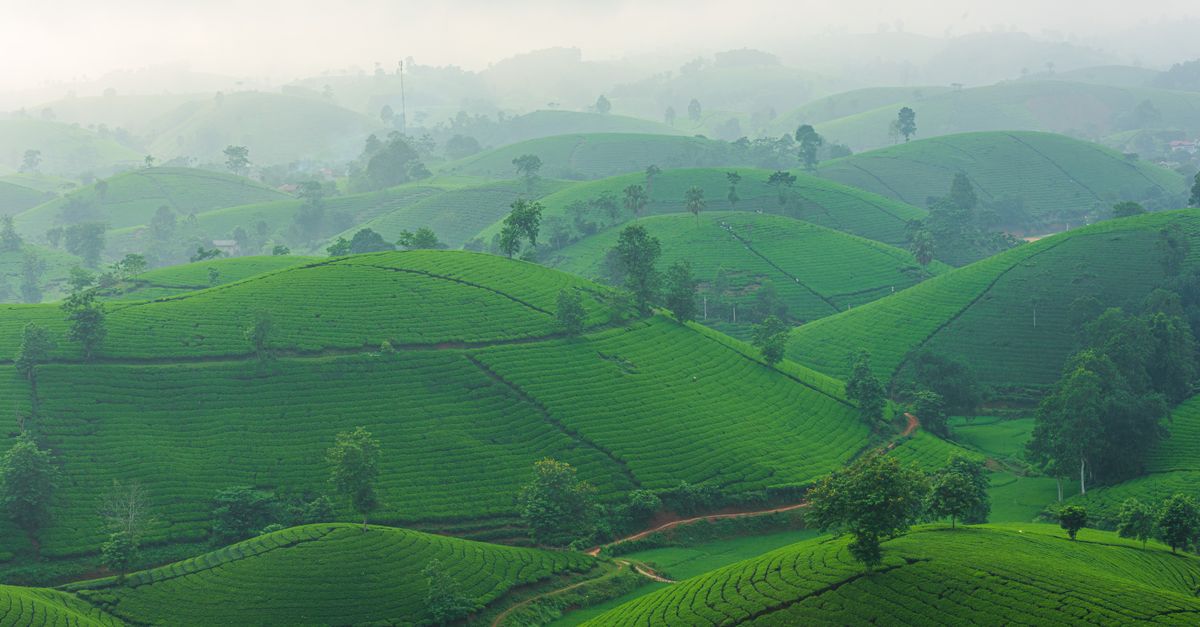
Meghalaya translates to "abode of clouds," and that's not just poetry. This small northeastern state sits on a plateau that catches more rainfall than almost anywhere on Earth. Cherrapunji and Mawsynram regularly battle for the title of wettest place in the world. What that means for you, practically, is a landscape that is permanently, almost aggressively green. Waterfalls everywhere. Rivers the colour of jade. Forest so thick the light filters through in long golden shafts.
But Meghalaya isn't just scenery. The Khasi, Jaintia, and Garo tribes have built one of the most distinctive cultures in South Asia. The society is matrilineal, which means property and family names pass through women. Markets here are run largely by women. The food, the music, the festivals, the architecture, all of it carries a personality that feels genuinely different from the rest of India. This is one of those places where you feel like a traveller, not just a tourist.
For Indian travellers, this is a real advantage. No visa required. Flights are direct or straightforward from major cities. The food has familiar elements alongside unique local flavours. And the whole experience costs a fraction of a comparable international trip. If you've been putting off the Northeast, 2026 is a good year to stop putting it off.
You can explore all destinations Safari Sutra covers to see how Meghalaya fits alongside the rest of our India portfolio.
Best Time to Visit (Month-by-Month, Honest)
October to March is the sweet spot. The rains have pulled back, the skies are clear, and the waterfalls are still full and impressive from the monsoon runoff. Temperatures sit between 10 and 22 degrees Celsius, which feels cool and refreshing if you're coming from the plains. December and January can get quite cold at night, especially in Shillong, so pack a proper jacket. This is the best time for trekking to the living root bridges and exploring caves without slipping around in mud.
April and May are pleasant enough. The landscape is lush, crowds are thin, and you can still do most activities. Humidity starts to build toward late May, but it's manageable. This is a good window for families who can travel during school holidays and want to avoid peak season pricing.
June to September is monsoon season. Cherrapunji can receive several hundred millimetres of rain in a single day. Some waterfalls become genuinely spectacular during this period, Nohkalikai Falls especially, and the light on a partly cloudy day is extraordinary. But trekking trails become slippery and risky, caves may flood, and some roads become unreliable. If you know what you're signing up for and you're after dramatic landscapes and empty guesthouses, the monsoon can be a real experience. Just don't plan it expecting easy sightseeing.
For most Indian travellers in 2026, we'd say October to February. Book early because accommodation in Shillong and Cherrapunji fills up fast during Diwali, Christmas, and New Year windows.
Top Experiences You Can't Miss
The Double Decker Living Root Bridge, Nongriat
This is the one you've seen on Instagram, but the real thing is better. Getting there involves a 3,500-step descent into a gorge, then a climb back up. It's a solid half-day trek. At the bottom, the bridge spans a clear mountain stream, and the roots are thick as a man's thigh, braided and growing. Children from the Khasi village of Nongriat have been guiding these roots around bamboo frames for generations to create something permanent and beautiful. Take your time here. Swim in the natural pool nearby. Then start the climb back.
Mawsmai Cave, Cherrapunji
You walk through narrow limestone passages with stalactites overhead and the sound of underground water echoing around you. Mawsmai is one of the more accessible caves in the region, lit well enough to navigate without specialist gear. If you want something more challenging, the Krem Liat Prah system is one of the longest caves in South Asia, but that needs a proper guide and advance planning. Incredible India lists several protected cave systems in the state worth looking into.
Nohkalikai Falls
At 340 metres, this is the tallest plunge waterfall in India. You view it from a lookout at the top of the cliff, watching the water fall away into a green pool far below. The story behind the name is genuinely haunting, involving a local woman named Ka Likai, and worth asking your guide to tell you. Morning light here is something else.
Dawki and the Umngot River
About 80 kilometres from Shillong, the Umngot River at Dawki has water so transparent that boats look like they're floating on air. It photographs almost unbelievably. You take a short boat ride across to the Bangladesh border and back. The water quality depends on the season, at its clearest between November and February.
Shillong: The Music and the Markets
Shillong is called the "rock capital of India" and the live music scene is real, not a tourist performance. Khasi rock and jazz bars, a Sunday market that sprawls through the old town, the Police Bazaar in the evenings. Ward's Lake is a good morning walk. Don't skip the local food: jadoh (rice cooked in pork blood), tungtap chutney made from dried fish, and pukhlein, a fried rice cake that locals eat as a snack.
Mawphlang Sacred Forest
This is one of the most atmospheric places in the state. The Khasi community has protected this forest for centuries as a sacred grove. Nothing can be removed, not even a fallen leaf. The trees are ancient and cathedral-tall. Local guides explain the traditions and the specific plants used in ceremonies. It takes about 90 minutes to walk through, and you come out feeling oddly quiet.
Safari Sutra Package Options and Prices in INR
Prices below are per person on twin-sharing basis, excluding flights from your home city. These are indicative 2026 rates.
Weekend Escape (3 Nights / 4 Days) from INR 22,000
Shillong and Cherrapunji circuit. Covers Mawsmai Cave, Nohkalikai viewpoint, Elephant Falls, and the Seven Sisters Falls viewpoint. Comfortable guesthouses, all transfers, daily breakfast. Good for a quick first look at Meghalaya.
Classic Meghalaya (5 Nights / 6 Days) from INR 38,000
The weekend circuit plus the Nongriat trek to the Double Decker Root Bridge, a morning at Mawphlang Sacred Forest, and a boat ride on the Umngot River at Dawki. Mix of boutique guesthouses and a heritage-style property in Shillong. All breakfasts, select lunches.
Extended Northeast Meghalaya (7 Nights / 8 Days) from INR 55,000
Everything in the classic package, plus time in the Garo Hills to see Balpakram National Park and the Nokrek Biosphere Reserve. The Garo Hills are far less visited and genuinely wild. You might spot elephants, hoolock gibbons, or clouded leopards. This is for travellers who want to go deeper and slower.
Premium Meghalaya (6 Nights / 7 Days) from INR 75,000
Private vehicle throughout, hand-picked accommodation including Ri Kynmaw and a riverside cottage stay near Dawki, a private naturalist guide for Mawphlang, and a photographer's dawn session at Nohkalikai. Designed for travellers who want personal attention and proper space.
Family Meghalaya (6 Nights / 7 Days) from INR 48,000 per adult
Paced for families with children, avoiding the most demanding treks. Includes visits to Butterfly Museum, Elephant Falls, Cherrapunji, and a gentler root bridge walk. Family rooms, child-friendly meal options, and guides who genuinely enjoy working with kids.
All packages can be customised. Talk to Safari Sutra about adjusting any itinerary to fit your dates and group.
Getting There: Flights from India
Shillong doesn't have its own commercial airport. You fly into Guwahati (LGB), which has good connectivity from Delhi, Mumbai, Kolkata, Bangalore, Chennai, and Hyderabad. From Guwahati airport, it's about a 3-hour drive to Shillong via the Umiam Lake road, which is scenic and worth doing in daylight.
From Delhi: IndiGo, Air India, and SpiceJet fly direct to Guwahati. Flight time is roughly 2.5 to 3 hours. Fares start from around INR 4,500 one-way if you book 6 to 8 weeks in advance.
From Mumbai: Direct flights exist but are sometimes routed via Kolkata. Budget around 4 to 5 hours total travel time. Early morning departures give you the full day on arrival.
From Kolkata: This is the easiest connection, just over an hour's flight. Good for adding a few days in Kolkata before or after Meghalaya.
Alternatively, some travellers fly directly into Shillong via helicopter services operated by Pawan Hans, though these are weather-dependent and not always reliable. For most people, the Guwahati-to-Shillong drive is the better option.
Visa, Vaccinations and Practical Prep
Visa: Meghalaya is part of India, so Indian nationals need no documentation beyond a standard ID. Foreign nationals travelling on an Indian visa can visit without any additional permit for most tourist areas. Some restricted zones near the border may require an Inner Line Permit, which your operator will handle.
Vaccinations: No mandatory vaccinations for domestic travel. Standard travel health sense applies: keep up with routine shots, carry personal medication, and bring basic cold and stomach remedies. If you're trekking in more remote areas during or just after monsoon, antimalarials are worth discussing with your doctor.
What to pack: Layers are essential, even in October. Mornings and evenings can be cold while afternoons are warm. A lightweight waterproof jacket is useful year-round. Good trekking shoes with grip matter a lot for the root bridge walks, the steps are uneven stone and can be wet. Carry a small daypack, water bottle, and a torch for cave visits.
Connectivity: Airtel and Jio work reasonably well in Shillong and Cherrapunji, but signal drops in valleys and remote areas. Download offline maps before you leave. Cash is still king in smaller villages, so carry enough before you leave Shillong.
Altitude and health: Shillong sits at about 1,500 metres. Most people feel fine immediately, but if you're coming from sea level, don't go hard on day one. Drink water, sleep well, and let the pace of the place set yours.
Frequently Asked Questions
Q: Is Meghalaya safe for solo women travellers?
The state has a matrilineal society and women hold significant social standing here. By Indian standards, Meghalaya is considered very safe for solo women. Shillong in particular has a college-town energy, well-lit main areas, and a culture that is quite relaxed. Normal travel precautions apply, but solo women regularly visit the state without issues.
Q: How difficult is the Double Decker Root Bridge trek?
It's physically demanding but doesn't require any specialist equipment or experience. The 3,500 steps down to Nongriat take about 2 hours, and the return climb is harder. You should be reasonably fit. Wear proper shoes with grip, start early to avoid midday heat, and carry enough water. If you have knee problems, speak to your guide about taking it at a slower pace with walking poles.
Q: What's the best way to get around within Meghalaya?
A private vehicle is the most practical and comfortable option, especially if you're covering Shillong, Cherrapunji, Dawki, and Mawphlang in sequence. Shared sumos (shared jeeps) run between towns and are cheap and colourful, but they operate on loose schedules. For a 5-day trip, just get a private car with a local driver, it's not expensive and saves a lot of hassle.
Q: Can we include Kaziranga or Assam in the same trip?
Absolutely, and it makes great geographical sense. Guwahati is your entry point, and Kaziranga National Park is about 5 hours east of Guwahati. A combined Kaziranga-Meghalaya itinerary of 8 to 10 days is very popular. You get one-horned rhinos in the morning and living root bridges in the afternoon, which sounds mad but works beautifully as a trip.
Q: What's the food like, and is it vegetarian-friendly?
Khasi cuisine is heavily meat-based, particularly pork and chicken, but Shillong has a good range of restaurants including South Indian, Chinese, and North Indian options. Dedicated vegetarian travellers will manage well in towns. In smaller villages and homestays, it's worth flagging dietary needs in advance. The local food is genuinely worth trying if you eat meat.
Q: When should we book to get the best accommodation and rates?
For travel in December, Christmas and New Year windows, book at least 3 to 4 months ahead. Good properties in Shillong and Cherrapunji fill early during those periods. For October-November travel, 6 to 8 weeks is usually enough, though earlier never hurts. For January to March, you have more flexibility.
Q: Is Meghalaya good for children?
Yes, with the right itinerary. The shorter root bridge walks, caves, boat rides, and open landscapes are great for kids with a sense of adventure. The Nongriat double-decker trek is too demanding for young children, but there are single-deck bridges accessible on shorter walks. The cool climate is also a relief compared to the heat of the plains.
Plan Your Meghalaya Trip 2026 with Safari Sutra
After 12 years and 15,000+ trips, the team at Safari Sutra Holidays has learned that the difference between a good trip and a genuinely great one usually comes down to two things: guide quality and timing. The right local guide in Meghalaya doesn't just know the route to Nongriat. They know which village elder to greet, which forest plant to point out, and when to stop talking so you can just listen to the waterfall. That's what we get right for every Safari Sutra client.
Meghalaya in 2026 is still relatively undiscovered compared to Himachal or Rajasthan. Hotels are opening, awareness is growing, and prices are rising gradually, but it hasn't yet been overrun. This is a good window.
Whether you want a quick 4-day weekend escape or a full 10-day Northeast circuit combining Assam, Meghalaya, and Arunachal, there's a version of this trip that fits your time and budget. Start by getting a sense of the broader range, explore all our destinations at Safari Sutra, then come back to plan the details.
Ready to start planning? Contact Safari Sutra Holidays and we'll handle everything.

Safari Sutra Team
Travel curators with 13 years of experience planning Indian and international holidays — from safari adventures to island escapes.
View All Posts