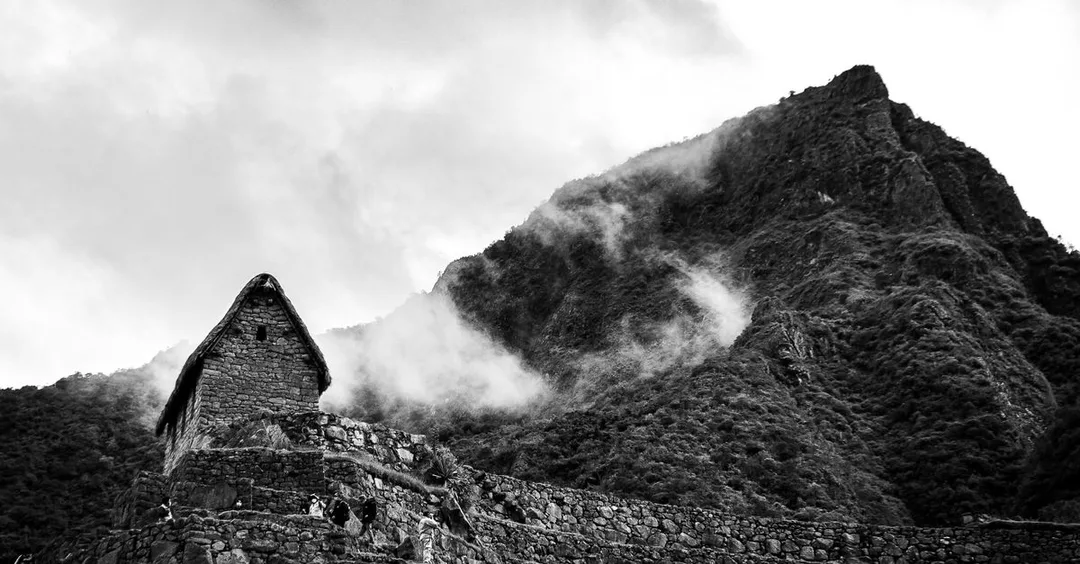
You've finally decided to do it. Peru is on the list, Machu Picchu is the centrepiece, and now you're staring at two very different ways to get there. The Inca Trail feels legendary, the kind of thing people talk about for years. The Vistadome train feels smarter, faster, maybe more sensible. And honestly? Both instincts are right. This is a genuinely hard choice, not because one option is bad, but because they're good in completely different ways.
In This Guide
- At a Glance: Side-by-Side Comparison
- Wildlife and Landscape: What's Different
- Best Time: When to Choose Each
- Experience for Indian Travellers: Accessibility, Crowds, Language
- Cost Comparison in INR (Same Trip Duration, Apples-to-Apples)
- Verdict: Which One Should You Book First?
- Frequently Asked Questions
- Can't Decide? Talk to Safari Sutra
The trekking route gives you four days of Andean wilderness, cloud forest, and Incan ruins before you arrive at the Sun Gate at dawn with legs that earned the view. The train route gives you comfort, scenery out of a painting, and the chance to actually feel rested when you walk through the citadel. Neither is the "easy way out" or the "real" way. They're just different journeys to the same extraordinary place.
If you're an Indian traveller trying to figure out which works for your fitness level, your holiday budget, your group, or your timeline, this is the breakdown you need before you book anything.
At a Glance: Side-by-Side Comparison
Here's the quick version before we get into the details.
Inca Trail (Classic 4-Day Trek)
- Distance: 43 km on foot through Andean terrain
- Duration: 4 days, 3 nights camping
- Permits: Government-controlled, limited to 500 people per day (including guides and porters)
- Physical demand: Moderate to high, includes Dead Woman's Pass at 4,215 metres
- Highlights: Multiple Inca ruins en route, cloud forest, glacial mountain views, dawn arrival at the Sun Gate
- Booking lead time: 3 to 6 months minimum, permits sell out fast
- Group size: Maximum 16 trekkers per group
Train Route (Vistadome or Hiram Bingham)
- Route: Cusco or Ollantaytambo to Aguas Calientes, then bus to the citadel
- Duration: Half day to full day, depending on your pace
- Physical demand: Low to moderate, mainly walking inside the ruins
- Highlights: Panoramic windows through the Sacred Valley, the luxury Hiram Bingham service, flexible scheduling
- Booking lead time: 2 to 4 weeks usually sufficient (but book early in peak season)
- Best for: Families with kids, older parents, anyone on a tight itinerary
The Honest Summary:
If you want the journey to be part of the story, the Inca Trail is your path. If Machu Picchu itself is the destination and you want to arrive sharp and present, the train makes complete sense.
Wildlife and Landscape: What's Different
This is where the two options pull apart in ways most travel articles don't fully explain.
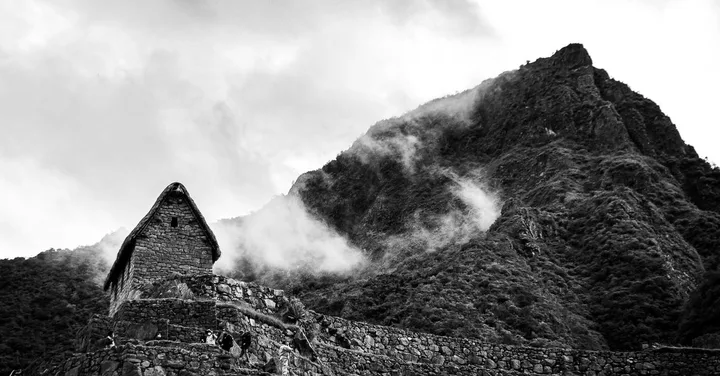
On the Inca Trail, you're walking through four distinct ecological zones. The dry highlands near Cusco shift into humid cloud forest by day two. You might see Andean condors riding thermals above the ridgeline. Hummingbirds are common in the cloud forest sections, along with orchids that bloom in colours you won't find anywhere else. The ruins you pass along the way, Runkurakay, Sayacmarca, Phuyupatamarca, aren't tourist attractions as such. They're quiet, barely signed, and you often have them entirely to yourself. That contrast with the busy citadel at the end is something trail trekkers talk about constantly.
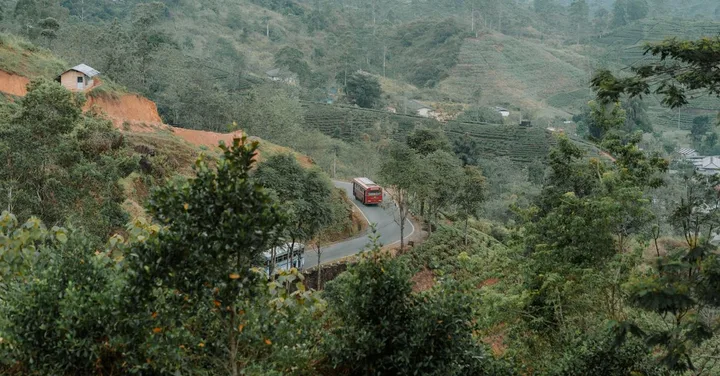
On the train route, the Sacred Valley is the landscape star. The Vistadome train has panoramic roof windows and you'll pass through the Urubamba River canyon with the Andes rising on both sides. It's genuinely dramatic. Aguas Calientes, the town at the base of Machu Picchu, sits in a steep river gorge with waterfalls on the hillsides. The approach to the ruins by bus is a series of switchbacks through cloud forest that always gets a reaction from first-timers.
The ruins themselves are identical either way, obviously. But your mental and physical state when you arrive is very different. Inca Trail trekkers often describe the citadel as feeling earned. Train travellers tend to be more sharp-eyed and observant because they're not exhausted.
Both are legitimate ways to experience one of the most significant archaeological sites on the planet.
Best Time: When to Choose Each
Peru has two main seasons: dry (May to October) and wet (November to April). Your timing shapes everything.
For the Inca Trail, May through September is the window most Indian travellers should target. The trail is clear, the skies are mostly blue, and morning views from the passes are extraordinary. July and August are peak months globally, which means permit competition is fierce. If you're planning an August trip, permits can sell out six months ahead. Book by February at the latest for summer travel.
October and April sit in the shoulder season, cooler, occasional rain, fewer crowds on the trail, and slightly more affordable. These are genuinely good months if your schedule is flexible.
The trail closes every February for maintenance and heavy rains make it dangerous from December through March. If you're travelling in winter (Indian school holidays around December-January), the train is your only real option.
For the train route, it's accessible year-round, which is a significant practical advantage. That said, the dry season still gives you better visibility and more photogenic conditions. The wet season brings mist and cloud around the ruins, which has its own moody appeal, but can also mean some viewpoints are obscured.
If your trip coincides with school holidays or a family vacation during December, the train route with a comfortable hotel in Aguas Calientes or the Sacred Valley makes a lot of sense.
Experience for Indian Travellers: Accessibility, Crowds, Language
Let's be real about the things that actually matter when you're planning from India.
Altitude is the big conversation. Cusco sits at 3,400 metres, and most Indian travellers feel the altitude acutely when they first arrive, headaches, fatigue, shortness of breath. Both options require acclimatisation time in Cusco, ideally two full days before you do anything strenuous. The Inca Trail adds another challenge: Dead Woman's Pass at 4,215 metres is the high point of the trek and it's legitimately demanding. If you have a history of cardiac issues, respiratory problems, or severe altitude sickness, the trail is not the right choice. The train route avoids the highest elevations and is far more accessible.
For family groups, especially those travelling with parents over 60 or children under 12, the train is almost always the better fit. Machu Picchu itself is walkable and the site has uneven terrain but nothing that requires serious fitness. The citadel is the experience; the getting-there is just logistics.
Vegetarian food is a genuine concern for many Indian travellers. Cusco has an excellent restaurant scene with plenty of vegetarian and vegan options. On the Inca Trail, meals are cooked by the crew and vegetarian menus are standard, though you'll want to confirm this with your operator beforehand. If you're strict vegetarian or Jain, communicate this clearly at booking.
Language is no barrier in the main tourist circuit. English is spoken at most hotels, restaurants, and guiding services in Cusco and Aguas Calientes. Inca Trail guides are licensed and typically bilingual.
Crowds at the ruins are managed by timed entry permits. Machu Picchu limits daily visitors, so you won't be wandering through an empty site regardless of how you arrive. Early morning entry (6am to 8am) gives you the best light and the fewest people, whether you arrive via trail or train.
If you're still thinking through other adventure travel options beyond Peru, check out Explore All Destinations, Safari Sutra for inspiration across Africa, Asia, and the Americas.
Cost Comparison in INR (Same Trip Duration, Apples-to-Apples)
For a 7-night Peru trip based on a couple travelling from Delhi or Mumbai, here's a realistic framework.
Inca Trail Option (7 nights, 2 people)
- Return flights from India to Lima via Madrid or Dubai: approximately Rs. 1,20,000 to Rs. 1,60,000 per person
- Inca Trail permit + guided trek (4 days): approximately Rs. 50,000 to Rs. 70,000 per person
- Cusco hotel (3 nights pre-trek): Rs. 8,000 to Rs. 18,000 per night
- Meals, transfers, Machu Picchu entry: Rs. 20,000 to Rs. 30,000 per person
- Total indicative cost per couple: Rs. 5,50,000 to Rs. 7,50,000 all-in
Train Route Option (7 nights, 2 people)
- Return flights: same range as above
- Vistadome train + Machu Picchu entry + Sacred Valley day trips: approximately Rs. 30,000 to Rs. 45,000 per person
- Cusco and Sacred Valley hotels (7 nights): Rs. 10,000 to Rs. 25,000 per night depending on category
- For the Hiram Bingham luxury train, add approximately Rs. 35,000 to Rs. 45,000 per person for that single journey
- Total indicative cost per couple: Rs. 4,50,000 to Rs. 7,00,000 all-in
The Inca Trail adds cost primarily through the permit, the mandatory licensed guide, and the porter crew. The train route's cost varies dramatically based on whether you take the standard Vistadome or the luxury Hiram Bingham, which includes a full-service meal and live music and is worth considering as a special occasion upgrade.
Both options represent strong value for what you're getting: a trip to one of the most significant ancient sites on earth, combined with proper Andean culture, extraordinary food, and landscapes unlike anything in South Asia.
For context on what premium travel from India looks like across different destinations, Incredible India provides a useful benchmark for domestic comparison, though Peru is firmly in a different league for international adventure.
Verdict: Which One Should You Book First?
Here's the direct answer.
Choose the Inca Trail if:
- You're fit, you enjoy trekking, and you've done multi-day hikes before
- You want the journey to be as meaningful as the destination
- You're travelling as a couple or with like-minded friends in your 30s or 40s
- You're fine with camping in good quality tents with a crew that handles everything
- You have the flexibility to plan 4 to 6 months ahead
Choose the Train if:
- You're travelling with family, including older parents or young children
- You have a limited number of days in Peru (5 nights is perfectly doable by train)
- You're visiting during the wet season (November to March)
- You prefer to arrive at the ruins energised rather than depleted
- You want to treat yourself to the Hiram Bingham as a proper luxury experience
One honest piece of advice from 12 years of running trips: some trekkers build up the Inca Trail for months and arrive expecting a near-spiritual transformation. They sometimes feel the citadel at the end is anti-climactic after the permit anxiety and physical effort. Train travellers, on the other hand, often say the Sacred Valley and Cusco surprised them more than the ruins. Manage your expectations either way, and Machu Picchu will deliver.
After 12 years and 15,000+ trips, we've found the biggest difference between an average trip and a great one is guide quality and timing. On the Inca Trail, your guide is everything: their knowledge of the ruins, the ecology, and the route pacing makes or breaks the experience. For train visitors, getting to the citadel at opening time with a good local guide shapes your entire morning. These are things Safari Sutra Holidays gets right for every client we send to Peru.
Frequently Asked Questions
Q: Do Indians need a visa to visit Peru?
Yes, Indian passport holders require a visa to enter Peru. The tourist visa is typically issued for 90 days and needs to be applied for at the Peruvian consulate in India (New Delhi or Mumbai). The process is straightforward and takes around 10 to 15 working days with proper documentation. Apply at least six weeks before departure to be safe.
Q: How fit do I need to be for the Inca Trail?
You should be able to walk 12 to 16 km per day for four consecutive days, with significant elevation gain on day two. If you can do a full day hike in the Western Ghats or Himalayan foothills without struggling, you're probably fine. That said, altitude affects everyone differently regardless of fitness. Training at sea level doesn't fully prepare you for 4,000 metres. Build in acclimatisation days in Cusco regardless.
Q: Can I do the Inca Trail with my parents who are in their 60s?
Most of the time, the answer is no for the classic 4-day Inca Trail unless your parents are genuinely active hikers. The altitude and the daily distances are too demanding for most people in that age group. A much better option is the Lares Trek alternative, which is shorter and lower, combined with the train into Aguas Calientes for the final approach. Discuss this with your operator at planning stage.
Q: What's the Hiram Bingham train and is it worth the splurge?
The Hiram Bingham is the Orient Express-style luxury train that runs from Cusco's Poroy station to Aguas Calientes. It includes a full gourmet meal, cocktails, live music, and butler service aboard a beautifully restored 1920s-style train. The journey takes about 3.5 hours and costs significantly more than the Vistadome. If you're celebrating an anniversary, a milestone birthday, or just want one genuinely extravagant day on your trip, it's worth every rupee. Booking 4 to 6 weeks ahead is advisable in peak season.
Q: When do Inca Trail permits go on sale and how do I book from India?
Permits for the classic Inca Trail go on sale in early January for the full upcoming year. They're managed by Peru's Ministry of Culture and available through licensed tour operators. You cannot purchase a permit independently; you must book through an operator. From India, working with a specialist travel company like Safari Sutra Holidays means someone tracks permit release dates and secures your slot without you having to monitor multiple sites in a different time zone.
Q: Is the food at Machu Picchu and Aguas Calientes suitable for vegetarians?
Yes, broadly. Cusco has a strong food scene with plenty of vegetarian restaurants and menus that have evolved to accommodate international travellers. In Aguas Calientes, most restaurants near the main square offer vegetarian options. On the Inca Trail, crew-cooked meals are adaptable and vegetarian menus are standard. If you're strictly Jain (no onion, garlic, or root vegetables), communicate this in writing at the time of booking; it's manageable but requires clear advance notice.
Q: How many days should I plan for a Peru trip from India?
Minimum 10 days total including travel time. The flight from India to Lima is long, typically 20 to 24 hours with one stop, and the time difference (Peru is 10.5 hours behind IST) means jet lag is real. A 12 to 14 day trip allows proper acclimatisation in Cusco, either the trek or a relaxed Sacred Valley exploration, Machu Picchu, and perhaps a day in Lima for Peruvian food. Trying to do it in 7 days is technically possible but you'll feel rushed.
Can't Decide? Talk to Safari Sutra
Both routes are genuinely worth your time and money. The right one just depends on you, your group, and what kind of journey you're after.
Ready to Plan Your Trip?
Safari Sutra Holidays — 13 years, 15,000+ trips, zero cookie-cutter itineraries.
Get Your Free Custom Quote →+91 9860415774 | hello@thesafarisutra.com

Safari Sutra Team
Travel curators with 13 years of experience planning Indian and international holidays — from safari adventures to island escapes.
View All Posts