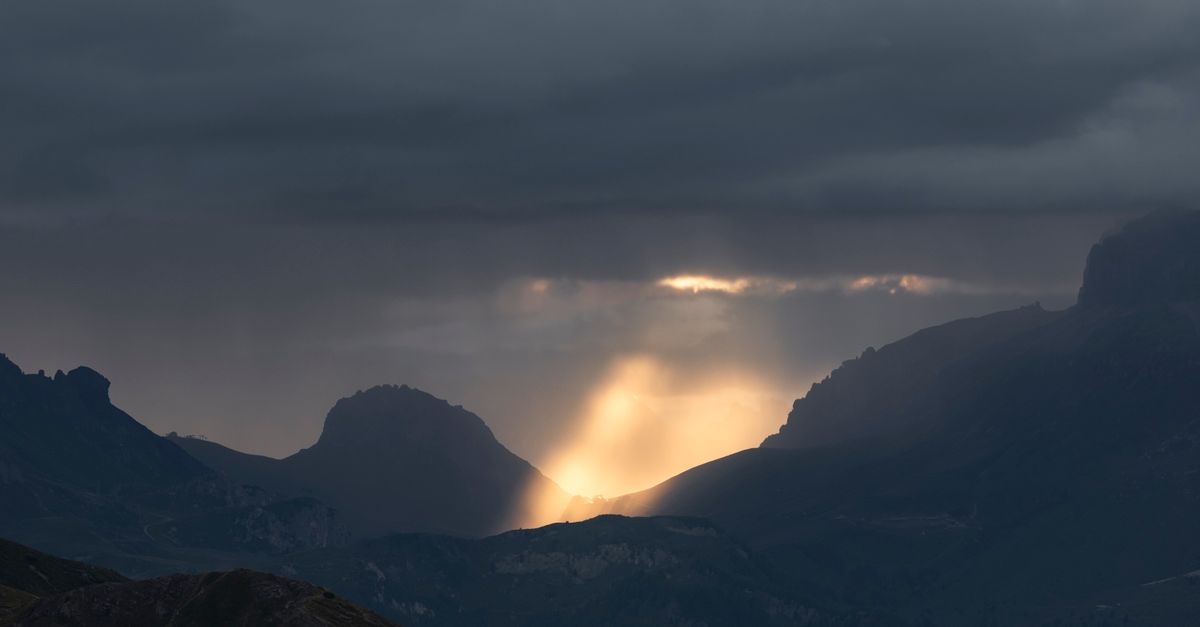
You're standing in a canyon that's older than most civilisations, the sandstone walls glowing amber in the late afternoon light, and the silence is so complete you can hear your own heartbeat. A few metres away, a Nabataean tomb is carved directly into the rock face, its columns and decorative friezes as sharp as the day they were chiselled two thousand years ago. The air smells faintly of desert dust and something ancient you can't name. This is AlUla, Saudi Arabia, and it's the kind of place that rewires something in your brain. The really wild part? You got here on a four-hour flight from Mumbai.
Saudi Arabia is one of the most genuinely surprising destinations an Indian traveller can choose right now. Not because it's trendy (though it is), but because it actually delivers on the hype in a way that few places do anymore.
Saudi Arabia Tourism 2026 for Indian Travellers: What You Actually Get
Saudi Arabia opened to international tourism in 2019, and by 2026, the infrastructure has caught up with the ambition. This isn't a country still figuring out how to host tourists. Hotels, guides, road networks, signage in English, and a functioning eVisa system are all in place and working well.
For Indian travellers specifically, the appeal runs deeper than novelty. There's a cultural proximity that matters. The food is familiar without being identical. Arabic bread, slow-cooked lamb, rice dishes fragrant with cardamom and saffron, mezze spreads you'll want to photograph before you eat. The hospitality ethic is something Indians understand instinctively: guests are treated with a seriousness that feels genuine, not performative.
The country also has serious geographic range. You've got the ancient desert landscapes of AlUla in the northwest, the Red Sea coastline near Jeddah (with some of the best snorkelling reefs in the world), the modernist skyline of Riyadh, the spice markets of the old city in Jeddah's Al-Balad district, and mountainous Asir province in the south where it actually gets cool and misty. Covering all of this in one trip isn't realistic. Choosing two or three of these zones and going deep is the smarter play.
For Indian travellers particularly, the cost equation works in your favour. Saudi Arabia isn't cheap, but flights are short and affordable, and you get a lot of quality for what you spend. Explore all destinations we cover at Safari Sutra to see how Saudi compares to other trips you might be considering for 2026.
Best Time to Visit: Month-by-Month, Honest
Saudi Arabia is a large country, so "best time" depends entirely on where you're going. Here's the honest breakdown:
October to March is the sweet spot for most of the country. Riyadh and AlUla sit in the 15°C to 25°C range during the day, cool enough to walk comfortably and do outdoor activities without feeling like you're being slow-roasted. Nights in AlUla can drop sharply, so a light jacket is not optional.
December and January are the most popular months for AlUla because the Tantora festival runs from December through March, bringing music, art installations, and cultural performances to the ancient landscape. If you're planning around this, book early. Accommodation fills up fast.
February and March are good across the board. The Riyadh Season entertainment events often extend into this window, and the weather across the country is genuinely pleasant.
April and May are transitional. AlUla and the northwest are still manageable, but Riyadh starts heating up. Jeddah and the Red Sea coast become very hot and humid.
June through September is honest-to-goodness brutal in most of the interior. Riyadh can hit 45°C. Not the time to be exploring desert ruins. The exception is Asir province in the south (around Abha), where altitude keeps temperatures in a very reasonable 15°C to 25°C range all year. Summer in Abha is actually lovely.
The bottom line: October to March is when most Indian travellers should go, with November through February being the real sweet spot.
Top Experiences You Can't Miss
AlUla and Hegra
Hegra (also called Mada'in Salih) is Saudi Arabia's first UNESCO World Heritage Site, and it will stop you in your tracks. It's the second-largest Nabataean city after Petra in Jordan, but here you'll often have the tombs almost entirely to yourself. The scale is extraordinary. Some tomb facades rise 22 metres off the ground, carved from free-standing sandstone outcrops. The detail in the inscriptions is remarkable given the age.
AlUla town itself has a lovely old city and a modern arts district that's grown up around the tourism push. The Maraya Concert Hall, a building entirely clad in mirrors that reflects the desert landscape back at itself, is genuinely jaw-dropping in person. Stargazing in AlUla is as good as it gets anywhere in the world.
Jeddah: Al-Balad and the Red Sea
Al-Balad is Jeddah's old city, a UNESCO-listed district of coral-stone buildings and intricately carved wooden screens (roshan) that overhang the narrow lanes. Walking through it in the early morning before the heat builds, with the smell of coffee and cardamom drifting from small shops, is one of those experiences that stays with you.
The Red Sea off Jeddah has reefs that rival the Maldives for colour and clarity. Day trips for snorkelling or diving are easy to arrange, the water is warm year-round, and visibility is excellent.
Riyadh: History Meets Hyper-Modern
The capital is a city of genuine contrasts. Diriyah, the original home of the Saudi state, is a beautifully restored mud-brick city on the edge of Riyadh that most tourists skip but absolutely shouldn't. The National Museum in Riyadh covers the full arc of Arabian history with excellent English-language interpretation.
Then there's the modern city: the Kingdom Tower, the edge-of-the-world escarpment just outside the city (literally called "The Edge of the World"), and the Riyadh Season entertainment events that run October through March.
Asir Province (The Cool Saudi Arabia Nobody Talks About)
Around Abha, the landscape shifts completely. Mountain villages, terraced fields, a cooler climate, and a distinct cultural identity. The Rijal Almaa heritage village is extraordinary, and the markets here carry spices, silver jewellery, and hand-woven items you won't find elsewhere in the country. For travellers who've done the desert, Asir is the part of Saudi Arabia that surprises them most.
Safari Sutra Package Options and Prices in INR
These are realistic pricing tiers based on double occupancy, with international flights excluded (we'll explain why under the flights section). All packages include accommodation, internal transfers, guided tours, and Safari Sutra support throughout.
Classic AlUla Explorer (5 nights / 6 days)
Focus: AlUla, Hegra, desert landscapes
Accommodation: 4-star property in AlUla
Price: From INR 85,000 per person
Good for: First-time visitors who want to concentrate on one region properly
Saudi Highlights (8 nights / 9 days)
Focus: Riyadh + Jeddah + AlUla
Accommodation: Mix of 4-star and 5-star
Price: From INR 1,45,000 per person
Good for: Travellers who want geographic range and cultural breadth
Red Sea and AlUla Combo (7 nights / 8 days)
Focus: Jeddah + snorkelling day trips + AlUla
Accommodation: 4-star throughout
Price: From INR 1,20,000 per person
Good for: Couples who want beach, history, and food in one trip
Premium AlUla and Asir (10 nights / 11 days)
Focus: AlUla + Riyadh + Abha/Asir province
Accommodation: 5-star throughout, private guides
Price: From INR 2,10,000 per person
Good for: Travellers who've already done the standard Saudi circuit or want something genuinely different
Family Saudi Adventure (8 nights / 9 days, family of 4)
Focus: Riyadh + Jeddah + AlUla, family-paced
Accommodation: Family rooms in 4-star properties
Price: From INR 4,20,000 for a family of four
Good for: Families with kids over 10, covers enough ground to keep everyone engaged
Get in touch with Safari Sutra to plan your trip and we'll put together a package that actually fits what you want, not a one-size-fits-all itinerary.
Getting There: Flights from India
This is one of the genuinely good things about Saudi Arabia. It's close and well-connected from India.
From Mumbai: Jeddah takes around 4 hours, Riyadh around 4.5 hours. Flights are available daily on IndiGo, Air India, SpiceJet, and Saudi Airlines. Return fares typically run INR 18,000 to INR 35,000 depending on the season and how far in advance you book.
From Delhi: Similar flight times, similar price range. Both Jeddah and Riyadh are direct.
From other Indian cities: Hyderabad, Chennai, Kochi, Ahmedabad, and Bengaluru all have direct or very easy one-stop connections to Saudi Arabia, partly because of the large Indian diaspora working in the Gulf.
If your package starts in AlUla, you'll typically fly into Riyadh or Jeddah and then take a domestic Saudi Airlines connection or an internal transfer. We factor this into the itinerary so the logistics don't land on you to sort out.
Visa, Vaccinations and Practical Prep
eVisa for Indian Passport Holders
Indian passport holders can get a Saudi tourist eVisa fairly straightforwardly. You apply through the official Saudi Arabia eVisa portal, pay the fee online, and typically receive approval within a few days. The tourist visa is valid for one year with multiple entries and a stay of up to 90 days per visit. The fee is approximately USD 135 to USD 150 (around INR 11,000 to INR 12,500), which includes mandatory travel insurance bundled with the visa.
Check the latest requirements before you apply. The India Passport and Visa Services portal has relevant guidance on travel documentation your passport needs to meet.
What to Know Before You Go
- Your passport needs at least 6 months validity beyond your travel date
- Dress code: Saudi Arabia has relaxed significantly for tourists, but modest dressing (covered shoulders and knees) is still respectful and practical, especially outside Riyadh and Jeddah
- Alcohol: Saudi Arabia does not permit alcohol. This is firm and not something that changes by hotel category or location
- Currency: Saudi Riyal (SAR). INR 1 is roughly SAR 0.044. Cards are widely accepted in hotels and most restaurants
- Photography: Tourist sites are generally fine to photograph, but always ask before photographing people
- Friday mornings see most businesses closed; plan accordingly
Vaccinations
No specific vaccinations are mandatory for Indian tourists visiting Saudi Arabia for leisure, but standard travel health advice applies: make sure your routine vaccines are up to date. If you're travelling during the Hajj season, rules around health documentation can be different, but tourist visits outside this window are straightforward.
Frequently Asked Questions
Q: Is Saudi Arabia safe for Indian tourists in 2026?
Yes, genuinely. Saudi Arabia has a very low crime rate, and tourist areas are well-monitored and managed. Women travelling solo or in groups are fully permitted and increasingly common. The country has made significant social changes over the past several years, and the tourism experience reflects this. The standard sensible travel precautions apply, as they would anywhere.
Q: Do Indian women need a male guardian (mahram) to visit?
No. This rule no longer applies to tourists. Indian women, whether travelling solo, in pairs, or as part of a group, can travel independently throughout Saudi Arabia without a male guardian. Dress modestly in public spaces and you'll have no issues.
Q: Can I get a Saudi tourist visa if I have an Israeli stamp in my passport?
This used to be a firm no, but the situation has been evolving with the Saudi-Israel normalisation discussions. As of 2025, the practical guidance is to check current rules at the time of application. This is something Safari Sutra Holidays will verify for you as part of trip planning.
Q: Is the food vegetarian-friendly? What about Indian food specifically?
Saudi Arabia has a substantial Indian expat population, which means Indian restaurants are easy to find in every major city. Vegetarian options exist, though Saudi cuisine is heavily meat-centred. At AlUla's more remote lodges, menus are more limited, so it's worth flagging dietary needs in advance. We do this for all Safari Sutra clients as standard.
Q: How much should I budget per day excluding accommodation?
For meals, entry fees, and internal travel, budget around SAR 300 to SAR 500 per day (roughly INR 7,000 to INR 11,500) for comfortable spending. AlUla is more expensive than Riyadh or Jeddah because of its relative remoteness. Your Safari Sutra package covers most of this in the inclusions anyway.
Q: What's the Tantora festival and should I plan my trip around it?
The Tantora International Festival runs from December through March in AlUla. It's a mix of live music (international and Arabic artists), light installations among the ruins, art exhibitions, and cultural events. For the right type of traveller, it's a genuine reason to choose these specific months. Accommodation books up fast during festival highlights, sometimes 4 to 5 months in advance.
Q: Can I combine Saudi Arabia with another Middle East destination?
Absolutely, and it's a popular combination. Saudi plus Jordan (for Petra and Wadi Rum) is a natural pairing, since both have significant Nabataean heritage. Saudi plus Dubai or Abu Dhabi is easy given the flight connections. Let us know if you want a multi-country itinerary and we'll structure it sensibly.
Plan Your Saudi Arabia Tourism 2026 Trip with Safari Sutra
Saudi Arabia in 2026 is at a genuinely interesting point: the infrastructure is solid, the sites are accessible, the crowds are still manageable compared to Petra or the Pyramids, and the country is still surprising people who think they know what to expect.
After 12 years and 15,000+ trips across every kind of destination, what we've learned at Safari Sutra Holidays is that the difference between an average trip and a great one almost always comes down to the quality of the guide and how the logistics are handled on the ground. In Saudi Arabia specifically, a knowledgeable local guide at AlUla is the difference between reading labels and actually understanding what you're looking at. We get this right for every client.
India is one of Saudi Arabia's most significant tourism source markets right now, and if you're curious about this destination, explore the full range of international destinations Safari Sutra covers to see where Saudi fits in the bigger picture of your travel plans.
The country genuinely rewards the traveller who shows up curious and unhurried. A long weekend isn't enough. Eight to ten days is where the trip opens up.
Ready to start planning? Contact Safari Sutra Holidays and we'll handle everything.

Safari Sutra Team
Travel curators with 13 years of experience planning Indian and international holidays — from safari adventures to island escapes.
View All Posts