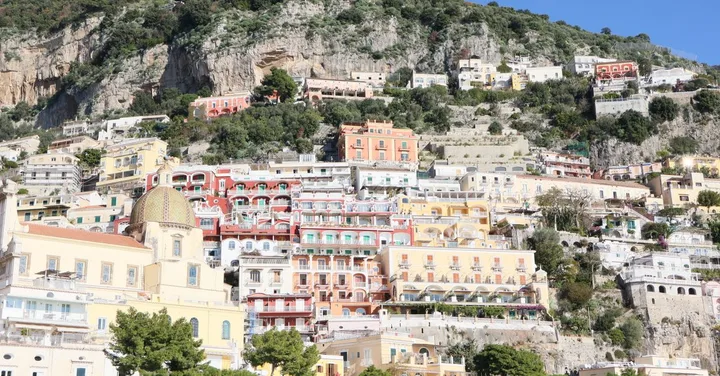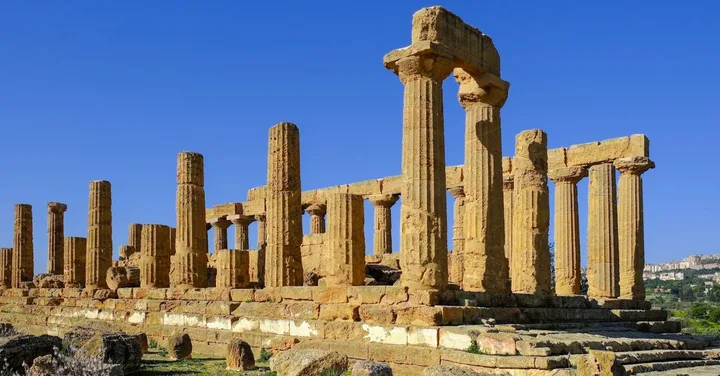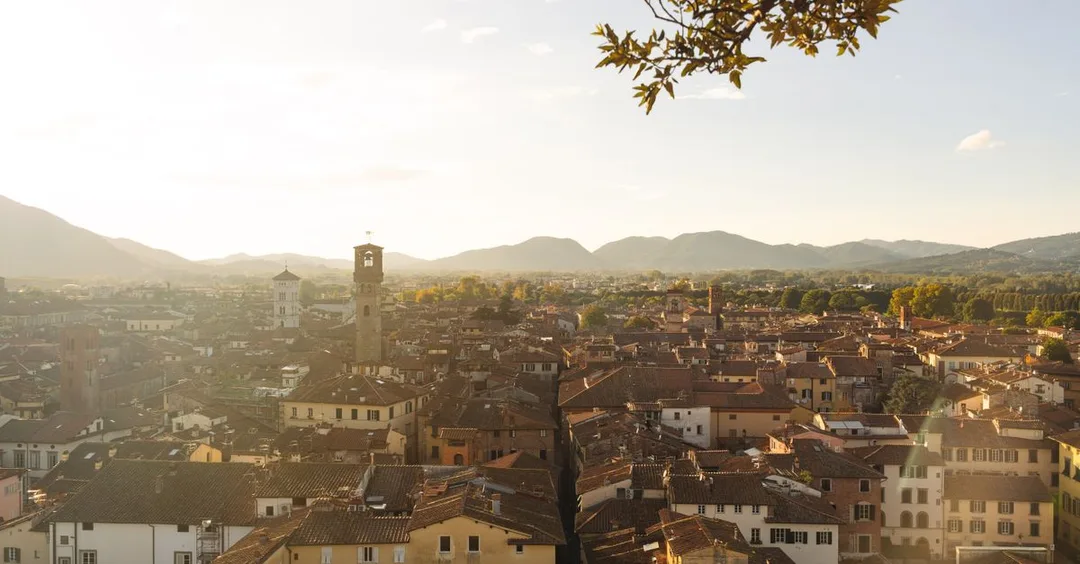
You step off the train at Roma Termini and the city hits you all at once: the smell of espresso drifting from a bar two doors down, the sound of mopeds weaving through cobbled streets, and late-afternoon light turning every ochre building into something out of a painting. You haven't even found your hotel yet and Italy is already doing its thing. This is Day 1 of your 10-day Italy trip from India, and if the next nine days are anything like this first hour, you're already planning a return.
This post breaks down exactly what a well-planned 10-day Italy tour package looks like for Indian travellers in 2026: the route, the daily breakdown, honest costs in INR, and the real practical tips that make the difference between a good trip and a genuinely great one.
Your Trip at a Glance
- Day 1-2: Arrive in Rome, explore the Colosseum, Roman Forum, Trastevere
- Day 3: Vatican City, Sistine Chapel, Castel Sant'Angelo
- Day 4: Travel to Florence by high-speed train, arrive and explore the Oltrarno
- Day 5: Florence deep-dive: Uffizi Gallery, Ponte Vecchio, Piazzale Michelangelo at sunset
- Day 6: Day trip to Siena and the Tuscan countryside
- Day 7: Travel to Venice by train, check in and evening stroll through San Marco
- Day 8: Grand Canal gondola ride, Burano island, Doge's Palace
- Day 9: Morning in Venice, afternoon train to Milan, Duomo and Navigli district
- Day 10: Milan shopping and sightseeing, evening flight home
Day-by-Day Breakdown
Day 1-2: Rome, The Eternal City
Landing in Rome feels like arriving at the world's most dramatic movie set, except everything is real and older than you can quite process. On Day 1, after landing at Fiumicino Airport and getting to your hotel near the Spanish Steps or Navona area, keep it simple. Walk. Eat. Sit in a piazza with a glass of house red and watch the city breathe.
Day 2 is Rome proper. The Colosseum is the centrepiece, and yes, it lives up to every photo you've ever seen, but the Roman Forum right next to it is what quietly blows your mind. This is where actual Roman senators walked, debated, and argued over the republic. Book your skip-the-line tickets in advance, especially for 2026 peak season. After the Forum, make your way to Trastevere by evening, Rome's old neighbourhood with ivy-covered walls, tiny trattorias, and an energy that feels worlds away from the tourist-heavy centro storico. Order cacio e pepe here. Do not negotiate on this.
Stay at a boutique hotel in the Centro Storico or near Campo de' Fiori. Breakfast in Italy is a bar counter experience: a cornetto and a cappuccino, standing up, for about 3-4 euros. Do it this way at least once. It's how Romans actually live. According to Italy Tourism, Rome receives over 10 million visitors annually, so timing your Colosseum visit for first thing in the morning genuinely makes a difference.
Day 3: Vatican City
The Vatican is technically a separate country and needs its own day. The Sistine Chapel ceiling will make your neck ache and your brain go quiet simultaneously, which doesn't happen very often. The Vatican Museums are enormous, so decide ahead of time what matters most to you: the Egyptian collection, the Gallery of Maps, the Raphael Rooms. You can't see everything in one visit and trying to will just exhaust you.
Book a guided tour here if you haven't already. A good guide turns the Sistine Chapel from a crowded room with a famous ceiling into something you'll actually understand and remember. This is the kind of trip detail that matters enormously, and something the team at Safari Sutra Holidays gets right every time by handpicking guides who know how to read a group.
After Vatican, walk across to Castel Sant'Angelo along the Tiber. It was originally built as Emperor Hadrian's mausoleum and later became a fortress, a prison, and a papal refuge. From the top, you get one of the best views of Rome without the usual Instagram crowds. End the day with gelato near Pantheon, which is free to walk around outside (entry is now ticketed inside).
Day 4: Rome to Florence
The Frecciarossa high-speed train from Roma Termini to Firenze Santa Maria Novella takes about 1.5 hours and costs around 30-60 euros depending on how early you book. This is how you travel between Italian cities, comfortable, fast, and with countryside views that make the journey part of the trip.
Arrive in Florence by late morning. Florence is smaller than you expect and that's one of its gifts. The city's scale is human. Check in near Santa Croce or the Oltrarno neighbourhood, south of the Arno river, which is less touristy and has better lunch spots. The afternoon is for wandering: across Ponte Vecchio, through the narrow streets of Oltrarno, and up to Piazzale Michelangelo if your legs are willing. The view of Florence from up there, with the Duomo dominating the skyline, is the kind of thing you'll screenshot and use as your phone wallpaper for six months.
Dinner in Florence means bistecca alla Fiorentina, a thick T-bone steak cooked over wood fire, rare, no arguments. Wash it down with a Chianti from somewhere local, not the tourist-facing places on the main drag.
Day 5: Florence Deep-Dive
The Uffizi Gallery holds one of the world's great art collections. Botticelli's Birth of Venus, Leonardo's Annunciation, Caravaggio's wild, dramatic scenes: allow at least 3-4 hours and book tickets well in advance. During 2026, availability during summer months fills up weeks ahead. Morning entry is the move.
After Uffizi, cross to the Palazzo Vecchio in Piazza della Signoria and then walk toward the Mercato Centrale for lunch. This is Florence's covered market with excellent food stalls on the upper floor: lampredotto (if you're adventurous), fresh pasta, Florentine-style tripe. Not every item will suit every Indian palate, but the fresh pasta dishes are absolutely excellent and the vegetarian options are more plentiful than you'd expect.
Florence rewards those who slow down. Spend the afternoon in a single neighbourhood rather than ticking off every church. The leather shops near Santa Croce are the real deal if you're looking for quality bags or wallets, and the prices, while not cheap, reflect genuine craftsmanship rather than tourist markup.
Day 6: Siena and the Tuscan Countryside
An hour by bus or private car from Florence, Siena is everything people say about Tuscany made physical: the Campo piazza that turns into a racetrack every July for the Palio festival, medieval towers, and streets so well-preserved you genuinely feel like you've been dropped into the 13th century.
This day works brilliantly as a private car excursion because it lets you stop at a winery in the Chianti region, have a proper lunch with views over rolling vineyards, and visit a hill town like San Gimignano with its famous towers on the way back. A private driver for this day costs roughly 150-200 euros but the flexibility is worth every cent compared to group bus tours.
Back in Florence by evening, an early dinner and good rest before the next leg.
Day 7: Florence to Venice
Another high-speed train, around 2 hours, brings you into Venezia Santa Lucia station, and nothing quite prepares you for stepping out of a train station directly onto a canal. There are no roads. No cars. Just water, stone, and boats. Venice takes around 30 seconds to make you feel like you're somewhere else entirely.
Check in and spend the afternoon getting deliberately lost in the maze of calli (the narrow lanes) around Rialto and Dorsoduro. Don't try to navigate to any particular destination. Just walk. You'll stumble into tiny churches, bacaro wine bars where locals stand with small glasses of Spritz and plates of cicchetti (Venetian bar snacks), and squares where children are playing football with pigeons as an audience. This is the Venice that exists beneath the tourist surface and it's well worth finding.
Day 8: Grand Canal, Burano, Doge's Palace
A gondola ride is touristy and expensive (around 80-100 euros for 30 minutes) and still worth doing once, early morning when the canal is quieter and the light is soft. After that, take a water bus (vaporetto) out to Burano island, about 45 minutes from central Venice, famous for its brightly painted fishermen's houses and lace-making tradition. Burano for lunch is a lovely pace reset from central Venice's crowds.
Back in Venice by mid-afternoon for the Doge's Palace, which was the seat of Venetian political power for centuries. The Bridge of Sighs runs through it, connecting the palace to the old prison, and the story of what happened in those cells is genuinely arresting.
Day 9-10: Venice to Milan
Venice to Milan takes 2.5 hours by high-speed train. Milan is Italy's other mode entirely: fashion, finance, contemporary design, and the Aperol Spritz hour at every bar from 6pm onwards. The Duomo is Milan's centrepiece, an extraordinary Gothic cathedral with a rooftop terrace that puts you at eye level with hundreds of marble spires. The Last Supper (Leonardo da Vinci's mural in Santa Maria delle Grazie) requires advance booking of several weeks minimum, so organise this early.
Day 10 is for the Brera neighbourhood, the Navigli canal district for a last Italian lunch, and some retail therapy in the Galleria Vittorio Emanuele II before heading to Malpensa or Linate airport for your evening flight back to India.
What's Included and What's Not
Typically included in a package:
- Return flights from Mumbai or Delhi to Rome (arriving), departing from Milan
- Hotel accommodation for 10 nights (3-star or 4-star options available)
- Daily breakfast at hotel
- High-speed inter-city trains (Rome-Florence, Florence-Venice, Venice-Milan)
- Airport and station transfers
- Vatican Museum and Colosseum skip-the-line entry
- City orientation walks with local guides in Rome and Florence
Not included:
- Lunches and dinners (budget INR 2,500-4,000 per person per day for meals)
- Entry to individual museums not listed above (Uffizi, Doge's Palace, etc.)
- Gondola ride and water bus passes in Venice
- Siena day trip (can be added as a supplement)
- Italy Schengen visa fee and processing
- Travel insurance (strongly recommended)
- Personal shopping and tips
Total Cost in INR
Here's an honest, working breakdown per person for 2026, based on a couple travelling together:
Component Estimated Cost (INR per person) Return flights (Mumbai/Delhi to Rome, Milan to India) INR 65,000 - 95,000 10 nights accommodation (4-star) INR 85,000 - 1,20,000 Inter-city trains INR 10,000 - 18,000 Guided tours and museum entries INR 12,000 - 18,000 Airport/station transfers INR 8,000 - 12,000 Meals (self-paid, 10 days) INR 30,000 - 45,000 Italy Schengen visa INR 8,000 - 10,000 Travel insurance INR 3,000 - 5,000 Miscellaneous (gondola, day trip, shopping) INR 15,000 - 25,000 Total (approximate) INR 2,36,000 - 3,48,000 per personFor a packaged itinerary through Safari Sutra Holidays covering the core components (flights, hotels, trains, transfers, key guided tours), pricing typically starts around INR 1,85,000 per person for 3-star and INR 2,40,000+ for 4-star, depending on travel dates and how early you book.
Flight prices vary considerably by season. October-November and February-March are the sweet spots for 2026: cheaper flights, manageable crowds, and genuinely beautiful weather for walking.
Tips for Making the Most of Every Day
-
Book Vatican and Uffizi tickets the moment your travel dates are confirmed. Seriously. These sell out weeks in advance in peak season and same-day entry is nearly impossible.
-
Get a Schengen visa early. Italian consulates in India (Mumbai, Delhi, Chennai, Kolkata) are busy through 2025-2026. Apply at least 8-10 weeks before travel. The Schengen visa rules are clear but the appointment availability goes fast.
-
Carry euros in cash. Many small trattorias and market stalls in Italy are cash-only or card-averse. ATMs work fine, but withdrawing cash from an Indian debit card can attract 3-4% international fees. Check your bank's charges beforehand.
-
Stay close to train stations or central areas. Italy's cities are walkable but hotel location matters enormously for pace and comfort.
-
Don't over-schedule. The Indian traveller instinct to pack in everything is understandable, but Italy rewards the people who slow down. One great lunch that turns into a two-hour conversation is worth more than three sights ticked off the list.
-
Pack light. You'll be dragging luggage across cobblestones and up train steps. A 20kg checked bag becomes exhausting by Day 4.
Frequently Asked Questions
Q: Do Indian citizens need a visa for Italy in 2026?
Yes. Italy is part of the Schengen Area, so you'll need a Schengen tourist visa. Apply through the Italian consulate or authorised visa centre (VFS Global handles most Indian applications). You'll need your flight bookings, hotel confirmations, travel insurance, bank statements, and ITR documents. Processing typically takes 10-15 working days, so apply early. The visa fee is approximately 80-90 euros.
Q: What's the best time to visit Italy from India in 2026?
April to June and September to November are the best windows. July and August are crowded and hot, with Rome and Florence hitting 36-38°C. October is arguably the best month: fewer tourists, comfortable temperatures, harvest season in Tuscany, and lower hotel rates. February and March work well too if you want the cheapest prices and don't mind cooler mornings.
Q: Are there vegetarian or Indian food options in Italy?
Italy is more vegetarian-friendly than most European destinations. Pasta with tomato sauce, pizza margherita, risotto, caprese salad, bruschetta and a huge range of fresh produce mean vegetarians eat very well. Vegan options are increasingly available in cities. Dedicated Indian restaurants exist in Rome, Florence, Milan, and Venice for days when you genuinely need that dal. But honestly, give Italian food its full shot first.
Q: How do Indian families with children find this itinerary?
It works well with some tweaks. Rome and Florence are full of things that genuinely interest older children and teenagers: ancient history, art with dramatic stories, and food that kids actually enjoy. Venice is magical for younger children. The pace does require walking, so comfortable shoes and realistic daily activity counts matter. The itinerary can be adjusted to include more rest time or a hotel with a pool in the Tuscan section.
Q: Can I extend this trip to include the Amalfi Coast or Sicily?
Absolutely. Adding 3-4 days to include the Amalfi Coast (best reached from Rome or Naples by car) or Sicily (separate flights or a longer drive) turns this into a 13-14 day trip. Both are spectacular and quite different from the northern Italy cities. Chat with the team when you plan your trip with Safari Sutra and they can build in the extension , adjusting routing and accommodation accordingly.
Q: Is Italy safe for solo Indian women travellers?
Italy is broadly safe for solo women travellers. The usual city-travel awareness applies: be mindful of your bag in crowded tourist areas (Colosseum, Rialto bridge), avoid very quiet streets at night, and use registered taxis or Uber rather than unofficial ones. Italian culture is generally warm and helpful, and the tourist infrastructure is well-developed. Solo travel here is very manageable.
Q: How far in advance should I book this itinerary for 2026?
For peak season travel (July-August or major European holidays), book 5-6 months out. For shoulder season (April-June, September-November), 3-4 months is usually sufficient. The key bottlenecks are Vatican tickets, Uffizi entry, and The Last Supper booking in Milan, all of which go independently of your overall package and fill up fast.
Book This Itinerary with Safari Sutra
After 12 years and 15,000+ trips, the Safari Sutra Holidays team knows that the difference between a trip that's just fine and one you're still talking about five years later usually comes down to two things: the quality of local guides and getting the small logistics right. The guide who walks you through the Vatican knowing exactly which rooms to skip and which stories to linger on. The hotel that's genuinely walkable to the right neighbourhoods rather than cheap and inconvenient. The train booking that's confirmed well in advance rather than scrambled at the last minute.
That's what we build into every Italy itinerary we put together.
This exact itinerary is bookable. Contact Safari Sutra Holidays to get your custom quote, whether you're a couple wanting a romantic first Europe trip, a family planning a summer 2026 holiday, or a small group of friends who've been talking about Italy for years and finally want to make it happen.
Italy in 2026 is waiting. Get there before everyone else figures out how good October is.

Safari Sutra Team
Travel curators with 13 years of experience planning Indian and international holidays — from safari adventures to island escapes.
View All Posts