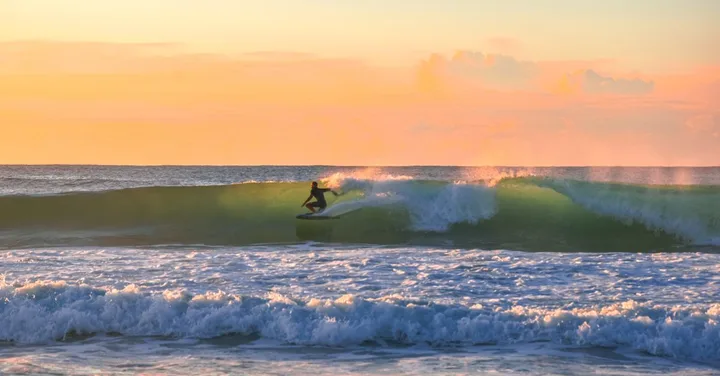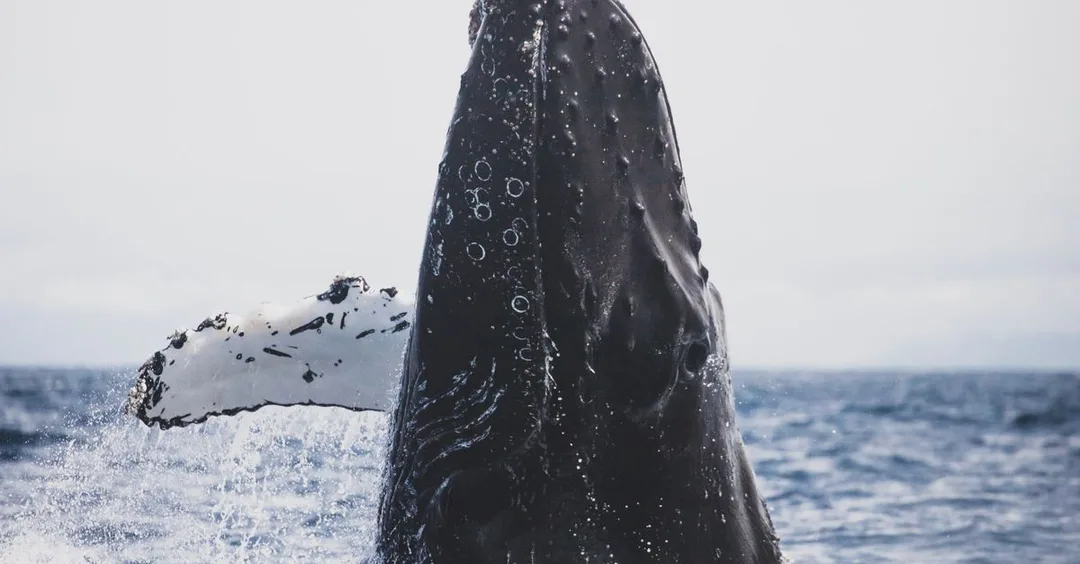
You're standing waist-deep in warm, glass-clear water at Nilaveli Beach, and the sand is so white it makes you squint. An hour ago, you were on a small boat, close enough to a blue whale to hear it exhale before it slipped back under the Indian Ocean. That low, prehistoric sound stays with you. This is Trincomalee, Sri Lanka's east coast gem, and it's the kind of place that makes you wonder why you spent three holidays in Bali when this was just a short flight away.
In This Guide
- Trincomalee Sri Lanka for Indian Travellers: What You Actually Get
- Best Time to Visit (Month-by-Month, Honest)
- Top Experiences You Can't Miss
- Safari Sutra Package Options & Prices in INR
- Getting There: Flights from India
- Visa, Vaccinations & Practical Prep
- Frequently Asked Questions
- Plan Your Trincomalee Sri Lanka Trip with Safari Sutra
Trincomalee Sri Lanka for Indian Travellers: What You Actually Get
Trincomalee, or "Trinco" as the locals call it, sits on Sri Lanka's northeast coast and is genuinely unlike anywhere else on the island. While Mirissa and Galle get all the Instagram attention, Trinco has been quietly offering something rarer: uncrowded beaches, calm turquoise bays, ancient Hindu temples, and the best blue whale watching in Asia.
For Indian travellers, Trincomalee hits several sweet spots at once. The cultural familiarity is real. Kovil temples line the coastline, Tamil is widely spoken, vegetarian food is easy to find, and the general vibe is warm and unhurried. You won't feel like a tourist struggling to communicate. You'll feel at home, just somewhere more beautiful than home.
The geography helps too. Trincomalee has one of the finest natural harbours in the world, flanked by beaches like Nilaveli, Uppuveli, and the more remote Marble Bay. The bay itself protects the water, keeping it calm even when other parts of Sri Lanka get rough. That's why whale watching here is so reliable compared to the southwest coast.
If you're looking at Sri Lanka Tour Packages and wondering where Trinco fits, it works beautifully as a standalone beach-and-wildlife destination, or as the east coast leg of a bigger circuit that includes Sigiriya and Kandy.
Best Time to Visit (Month-by-Month, Honest)
The east coast follows its own weather rhythm, which is the opposite of the more famous southwest coast. This is the single most important thing to get right before booking.
May to September is peak season for Trincomalee. The sea is calm, the sky is clear, and the whales are here. July and August are the absolute best months if blue whale watching is your priority. Water visibility for snorkelling and diving hits its peak. Temperatures hover around 30-32°C, warm but manageable with a sea breeze.
June deserves a special mention. It's when the whale concentration is at its highest and the beaches are still relatively uncrowded before the August rush from European tourists.
October and November are transition months. The northeast monsoon starts arriving, seas get choppy, and whale watching boats don't always go out. These months are better skipped for Trinco specifically.
December to March is when the southwest coast (Galle, Mirissa, Colombo) is at its best. Trinco gets rain during this period. Not impossible to visit, but you'd be taking a risk with the weather and would likely miss the whale watching entirely.
The bottom line: travel to Trinco between May and September. Everything else about the trip falls into place when you get the timing right.
Top Experiences You Can't Miss
Blue Whale Watching
This is the headline act and it deserves the billing. Trincomalee sits on a migratory route used by blue whales, the largest animals on Earth, and sightings from May to September are frequent. Boats leave from Nilaveli and Uppuveli beach areas early in the morning. A good operator will take you to known feeding and transit zones roughly 10-20 km offshore. You'll also spot spinner dolphins in large pods on the way out. Go with a licensed operator and a small boat (not a large tourist vessel) for the best experience.
Pigeon Island National Park
Twenty minutes by boat from Nilaveli, Pigeon Island is a protected marine park with some of the best reef snorkelling in Sri Lanka. Black-tip reef sharks cruise the shallow waters without any interest in you. Colourful reef fish, sea turtles, and coral in genuinely good condition. The island itself is tiny, which keeps crowds manageable outside peak days. Bring your own snorkel mask if possible.
Koneswaram Temple
Perched on Swami Rock, a cliff above the ocean, this ancient Shiva temple is both spiritually significant and one of the most dramatically located temples in all of South Asia. Sunrise here is something else. The temple has ancient roots going back over a thousand years and is revered across the Tamil-speaking world. As an Indian traveller, you'll feel the connection immediately.
Uppuveli Beach
Quieter than Nilaveli, Uppuveli is where you come to do absolutely nothing well. Small guesthouses and boutique stays line the beach road. Fresh seafood at sunset. A cold Lion Lager. A hammock. You get the idea.
Kanniya Hot Springs
About 8 km from Trincomalee town, these natural hot water springs have been around since the time of Ravana, according to local legend. Seven wells, each with a slightly different temperature. A quirky, genuinely interesting half-day detour that most people skip and then regret skipping.
Safari Sutra Package Options & Prices in INR
Packages below are per person on a double sharing basis and cover accommodation, transfers, guided experiences, and breakfast unless noted. Flights are excluded.
Trinco Essentials (3 nights/4 days)
Beach, blue whale watching, and Pigeon Island snorkelling. Comfortable 3-star stay at Nilaveli or Uppuveli.
Approx. INR 35,000 to 45,000 per person
East Coast Explorer (5 nights/6 days)
Trincomalee combined with Arugam Bay for surfers or Pasikuda for calm shallow water swimming. Mix of 3-4 star stays.
Approx. INR 55,000 to 75,000 per person
Trinco + Culture Circuit (7 nights/8 days)
Combines Trincomalee with Sigiriya, Kandy, and the famous Kandy to Ella train journey. 4-star properties throughout.
Approx. INR 85,000 to 1,10,000 per person
Premium Sri Lanka East Coast (5 nights/6 days)
Boutique beach properties, private whale watching charter, guided snorkelling, sunset catamaran, and a visit to Koneswaram at dawn. All meals included.
Approx. INR 1,30,000 to 1,60,000 per person
Family Sri Lanka with Trinco (10 nights/11 days)
Colombo arrival, Sigiriya, Kandy, Ella train, Trincomalee beach and whale watching. Ideal for families travelling with children. Child pricing available.
Approx. INR 95,000 to 1,25,000 per person (adult)
Getting There: Flights from India
Sri Lanka is one of the easiest international destinations to reach from India, which is a big part of why it works so well for a first international trip or a short holiday.
From Chennai: The shortest option. Flight time is roughly 1 hour. Multiple daily flights on IndiGo, Air India, and SriLankan Airlines. Chennai to Colombo and then overland or domestic flight to Trincomalee.
From Mumbai: Around 2.5 to 3 hours to Colombo. Good flight frequency. From Colombo, you can take a domestic flight on FitsAir to Trincomalee (about 45 minutes), or a road transfer of around 5 to 6 hours through genuinely beautiful hill country.
From Delhi and Bangalore: Similar flight time to Mumbai. Multiple carriers, particularly IndiGo and Air India, offer good connectivity.
The domestic Colombo-to-Trincomalee flight is worth considering if you want to save time. Alternatively, many travellers combine it with an overnight in Sigiriya, breaking the journey beautifully.
Visa, Vaccinations & Practical Prep
Visa: Indian passport holders need a Sri Lanka ETA (Electronic Travel Authorisation). It's applied for online at eta.gov.lk, costs around USD 20 to 35 depending on the category, and is typically approved within 24 hours. Apply a few days before departure to be safe. Safari Sutra Holidays can guide you through the process.
Vaccinations: No mandatory vaccinations are required for Indian travellers visiting Sri Lanka. Standard travel hygiene applies. Drinking bottled water, sunscreen (the east coast sun is strong), and mosquito repellent are your main practical needs.
Currency: The Sri Lankan Rupee (LKR). Indian Rupees are not widely accepted. Exchange at Colombo airport or use your international debit/credit card at ATMs. USD is accepted at many tourist-facing businesses.
SIM Card: Pick up a Dialog or Mobitel SIM at Colombo Bandaranaike Airport. Good 4G coverage in Trincomalee town and the main beach areas.
Language: Sinhala and Tamil are official languages. English is widely spoken in tourist areas. As an Indian traveller familiar with Tamil, you'll find communication particularly easy in Trincomalee.
After 12 years and 15,000+ trips, we've found the biggest difference between an average trip and a great one is guide quality and timing on experiences like whale watching. Going out at the right hour with the right operator changes everything. These are details Safari Sutra Holidays handles for every client.
Frequently Asked Questions
Q: Is Trincomalee safe for Indian tourists?
Trincomalee is safe and welcoming for Indian tourists. The region, like much of Sri Lanka, has recovered significantly since the end of the civil conflict in 2009 and the economic difficulties of 2022. Tourism infrastructure has improved steadily. Basic common sense travel precautions apply, just as they would anywhere.
Q: Can I actually see blue whales? Or is it just marketing?
Between May and August, blue whale sightings are genuinely frequent, not guaranteed, but very likely with a reputable operator. Spinner dolphin sightings are almost certain. If the sea is calm and you're going in peak season, your chances are high. We don't over-promise, but we also won't undersell this. It really is one of the best places in Asia for blue whale encounters.
Q: Is Trincomalee suitable for families with young children?
Absolutely. The calm bay waters are safe for children who can swim. Pigeon Island snorkelling works well for older kids (8+). The cultural sites like Koneswaram are engaging and accessible. The pace of Trinco is relaxed, which suits families much better than a frenetic beach resort town.
Q: How does Trincomalee compare to Mirissa for a Sri Lanka beach holiday?
They serve different purposes. Mirissa on the southwest coast is best from December to March, more developed, and also offers whale watching. Trinco is better from May to September, less developed (in a good way), and has calmer, clearer water for snorkelling and swimming. If you're going between May and September, Trinco is the better choice on almost every count.
Q: What's the ideal trip length for Trincomalee?
Three to four nights is the minimum to do it properly, covering whale watching, Pigeon Island, and a beach day. If you're combining it with the rest of Sri Lanka, five to seven nights in the country overall works well. Ten to twelve days gives you everything: culture, wildlife, and beach.
Q: Is vegetarian food available in Trincomalee?
Yes. Dal, roti, rice-based dishes, hoppers, and fresh coconut-based curries are widely available and genuinely good. Seafood is everywhere, but vegetarian options are easy to find, especially at local restaurants and guesthouses.
Q: Do I need travel insurance for Sri Lanka?
Yes, get it. A basic international travel policy covering medical emergencies and trip delays is highly recommended. Sri Lanka is a safe destination, but having coverage for water sports and marine activities is worth checking specifically if you plan to snorkel or go on a whale watching boat.
Plan Your Trincomalee Sri Lanka Trip with Safari Sutra
Trincomalee is one of those destinations that rewards the traveller who actually plans rather than wings it. The whale watching windows are specific, accommodation books up fast in July and August, and the difference between a mediocre beach stay and a brilliant one often comes down to knowing which 400 metres of beach to be on.
If you want to explore everything Sri Lanka's east coast offers, take a look at our Sri Lanka Tour Packages to see what fits your dates and budget. Sri Lanka consistently ranks as one of the top destinations for Indian travellers, and for good reason. Short flight, big variety, and a warmth that's hard to replicate anywhere else. If you're curious about what makes it so popular, Incredible India also has useful context on regional travel trends and cross-border travel from India.
Ready to Plan Your Trip?
Safari Sutra Holidays — 13 years, 15,000+ trips, zero cookie-cutter itineraries.
Get Your Free Custom Quote →+91 9860415774 | hello@thesafarisutra.com

Safari Sutra Team
Travel curators with 13 years of experience planning Indian and international holidays — from safari adventures to island escapes.
View All Posts